Your daily coffee may be slowing down how fast you age
Researchers pooled more than 50 studies covering close to 3 million people and found about 1.8 extra years of healthy life. The timing of your cup may matter even more.
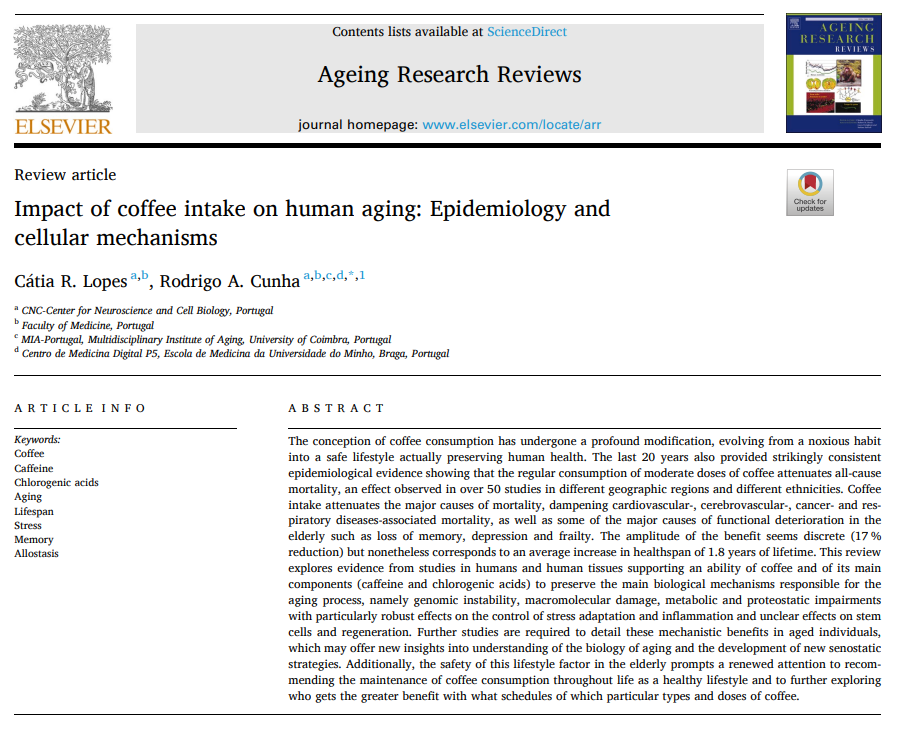
- Coffee drinkers gained about 1.8 extra years of healthy life
- Morning drinkers did far better than all-day sippers
- A paper filter quietly changes what ends up in your cup
If you're reading this with a coffee in your hand, good news. That cup may be doing a lot more for you than waking you up.
Two scientists in Portugal went through more than 50 studies on coffee and health, covering close to 3 million people in different countries and ethnic groups. Regular coffee drinkers died early less often and stayed healthy for longer.
On average, that adds up to about 1.8 extra years of healthy life.
Does coffee actually help you live longer?
The review, by Cátia Lopes and Rodrigo Cunha in Ageing Research Reviews, found that moderate coffee drinkers have about a 17% lower risk of dying from any cause.
The pattern holds for the biggest killers. Coffee drinkers were less likely to die from heart disease, stroke, cancer and lung disease. In old age they had less memory loss, less depression and less frailty, the slow weakening that takes away people's independence.
"Moderate" means up to about three to five cups a day, according to the researchers' summary. The benefit showed up in men and women alike.
A line from the paper took off on social media this week, saying coffee "preserves the main biological mechanisms of aging". Plenty of people read it backwards and joked that coffee keeps you old. It means the reverse. Coffee seems to protect the systems inside your cells that normally wear down as you get older.
Is this a new discovery?
Not at all. Scientists have been watching coffee drinkers for decades.
One of the biggest early studies tracked about 400,000 American adults aged 50 to 71. They signed up in the mid-1990s and were followed until the end of 2008.
People who drank three or more cups a day had about a 10% lower risk of death over that time. They were less likely to die from heart disease, lung disease, stroke, diabetes, infections and even injuries.
These are observational studies, so they show a strong link rather than proof. What makes the link hard to ignore is that it keeps turning up, from one country and one decade to the next.
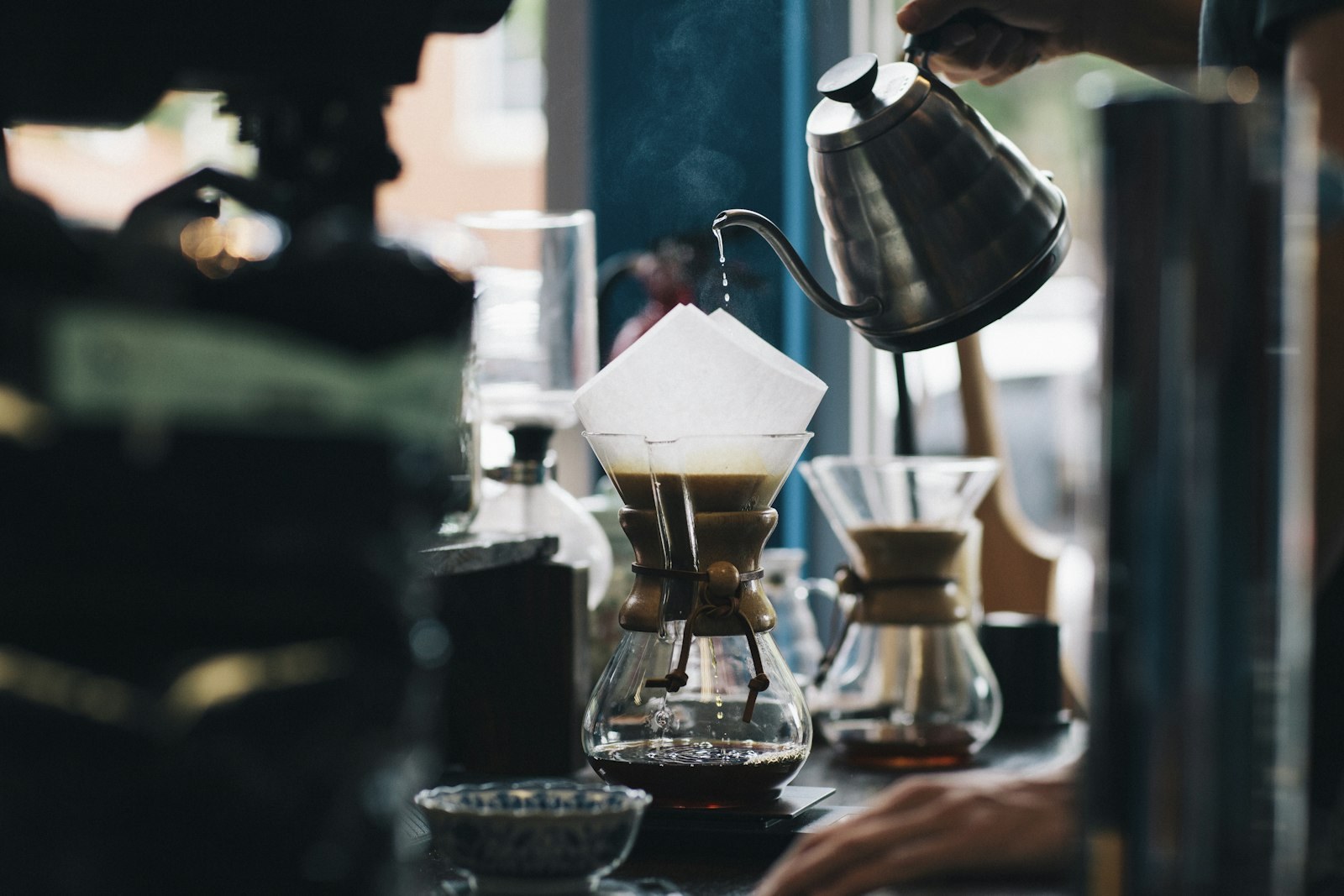
Photo: Karl Fredrickson / Unsplash
What does coffee do inside your body?
A cup of coffee holds more than 2,000 active compounds. According to the review, two of them do most of the work, caffeine and chlorogenic acids.
They help your cells cope with stress and keep inflammation down, and both of those speed up aging when they get out of hand. They also appear to protect your DNA and keep your metabolism running the way it should. Hunger switches on a different repair crew, the one behind a Nobel Prize for cells that eat their own junk.
Does coffee help you age well, or just live longer?
Living longer is one thing. Staying sharp and independent is another.
The Nurses' Health Study has followed 47,513 women since 1984. By 2016, researchers checked who had aged well, meaning they reached 70 free of 11 major chronic diseases with body, mind and memory still working well.
Women who drank more caffeinated coffee had slightly better odds of getting there. Cola went the other way, with each daily glass linked to noticeably worse odds.
The researchers said coffee is a small piece next to the rest of a healthy life. But it's a piece most people are already holding every morning.
Does it matter what time you drink coffee?
Yes, and by a lot. A 2025 study of 40,725 American adults, followed for about ten years, split coffee drinkers by when they drank it.
People who only drank coffee in the morning were 31% less likely to die from heart disease than people who skipped coffee altogether. Their risk of dying from any cause was 16% lower. People who sipped it all day got no clear benefit.
Sleep may explain the gap. In a sleep-lab study, a strong dose of caffeine six hours before bed cost people more than an hour of sleep, and they didn't even notice. Most of us can't spare that hour, though a man in Japan says he has lived on 30 minutes of sleep a night for years.
Does the type of coffee matter?
It does. A study of 449,563 people in the UK, tracked for more than 12 years, compared types of coffee at two to three cups a day.
Ground coffee was linked to a 27% lower risk of death. Decaf came in at 14% and instant at 11%. So even decaf still counts if caffeine keeps you up at night, and a 2025 review of more than 100 studies found the same.

Photo: Centre for Ageing Better / Unsplash
Why does a paper filter make a difference?
Coffee beans carry natural oils called cafestol and kahweol. In boiled coffee, French press and Turkish coffee, those oils go straight into your cup.
They push cholesterol up. In one Dutch experiment, a daily dose of cafestol raised total cholesterol by 17% in just four weeks.
A paper filter catches nearly all of it. Paper-filtered coffee, and instant, left almost no cholesterol effect at all. So a cheap paper filter might be the best health upgrade your coffee setup ever gets.
How many cups of coffee a day is healthy?
The sweet spot keeps landing at three to four cups a day. That 2025 review found the lowest risk of death at about three and a half cups.
Going further doesn't add more. A Norwegian study looked at telomeres, the protective caps on the ends of your chromosomes that shorten as you age. In people who drank three to four cups a day, telomeres matched cells about five years younger. At five cups or more, the effect disappeared.
That study looked at people with serious mental illness, so treat it as a clue rather than a rule for everyone. Still, it's a clue that points the same way as everything else.
How much caffeine is too much?
The US Food and Drug Administration puts the safe limit for most adults at 400 milligrams of caffeine a day. A 12-ounce mug of brewed coffee holds anywhere from about 113 to 247 milligrams, so a big mug counts for more than one cup.
The FDA says children and teens should avoid caffeinated drinks, and pregnant women should check with their doctor first.
What's the healthiest way to drink coffee?
Add it all up and the best coffee habit is simple. Drink it in the morning. Make it ground and filtered. Stop at three or four cups.
That's close to two extra years of healthy life, from a habit most people already love. Enjoy tomorrow's first cup.
How does this make you feel?
The week's biggest stories, every Monday
One email. The stories everyone will be talking about, before they do.
Free. One email a week. Unsubscribe anytime.Keep reading
 FoodSkip meals and your cells start eating their broken parts
 PoliticsPetrol broke R30 a litre. We followed the money
 ExplainedWhy your bank account can go negative without an overdraft