Explained
Plain answers to the big questions behind the news, kept up to date.

A deadly crash on Spain's Madrid-Seville line has people asking how safe fast trains really are. The honest answer, built from official transport safety data, is that high-speed rail is one of the safest ways to travel on Earth, and every major accident in its history fits on one table.
Read the story

Your rights after a cruise cancellation depend entirely on where and how you booked it. An EU or UK package must be refunded within 14 days by law. A US cruise-only ticket follows a separate federal rule with no fixed deadline. A cruise sold as a home, not a holiday, often has no refund rule at all.
Read the story

Miyoko's Creamery European Style Salted Plant Milk Butter is being pulled from shelves in 10 US states. The company started the recall quietly in September. The FDA only gave it a risk rating six weeks later, and the best-by date on the tubs has not even passed yet.
Read the story

Doorbell footage in Scawsby, Doncaster shows a delivery van's window rolling down and a parcel flying out onto the ground near a car. The courier then photographed the parcel lying there as proof it had been delivered. Two boxes inside were damaged. Here is what UK law actually says about who has to fix it, with a table covering every common delivery problem.
Read the story
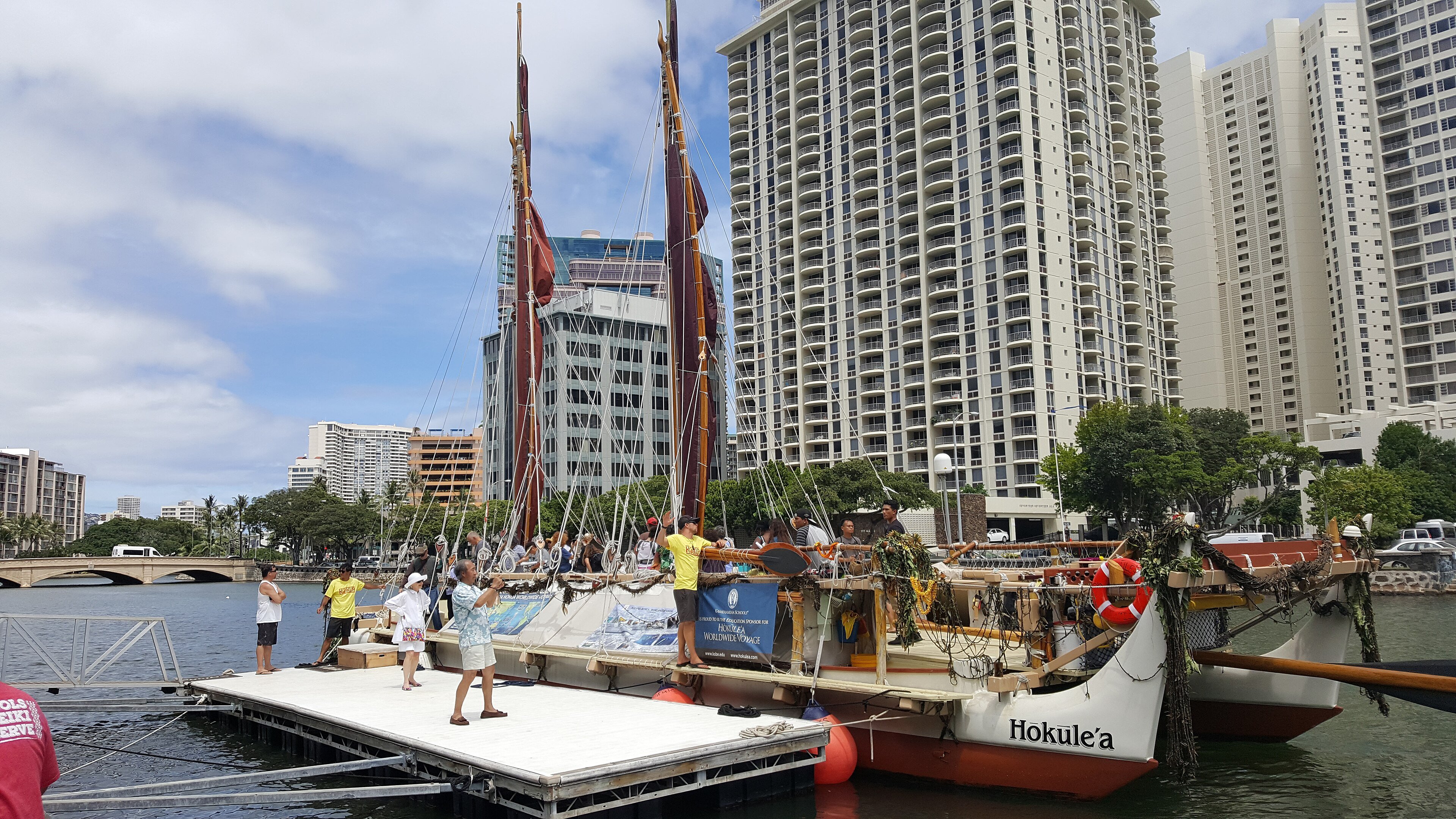
Stanford Medicine researchers read the genomes of 1,050 Polynesian people and found that Native Hawaiians and the people of Easter Island share more ancient DNA with each other than with anyone else in the Pacific. Both trace back to a tiny group of sailors from Mangareva. The same voyages also explain a medical pattern showing up in Native Hawaiians today.
Read the story

NHS guidance says 10 micrograms, or 400 IU, a day gets most adults through autumn and winter, and taking more than 100 micrograms (4,000 IU) a day is not considered safe over the long run. A new study used a far higher dose in older adults who already had memory problems, and their test scores came out more than 13 percent higher than those given none. The gap between that official advice and the strength printed on some bottles is the part nobody puts on the label.
Read the story
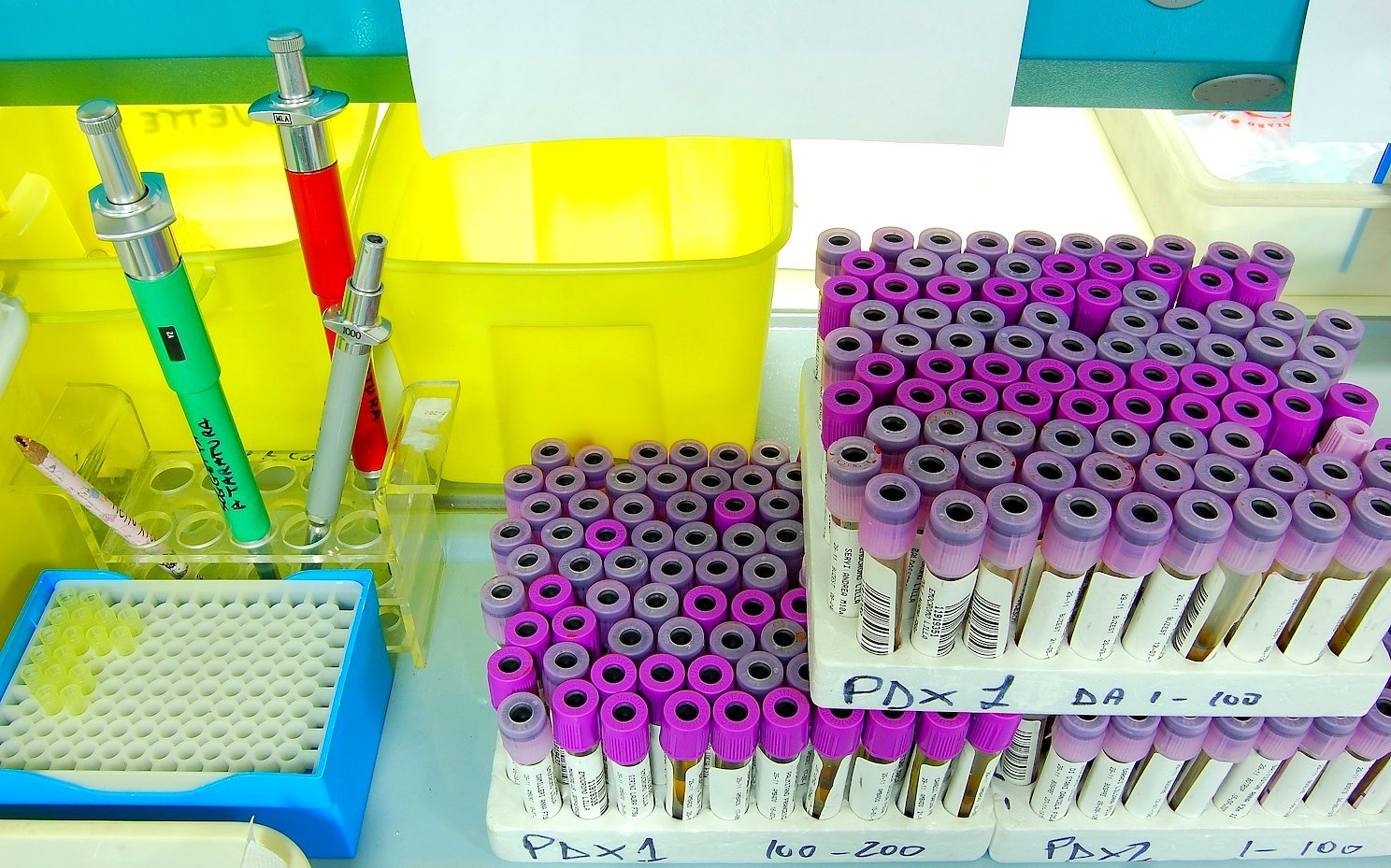
Researchers at the University of Bristol took the gene that raises Alzheimer's risk the most and converted it into the safer version carried by most people. The gene, APOE4, sits inside 1 in 4 people. The team says the method could work through the bloodstream, reaching the whole brain, though it has not been tested in people yet.
Read the story
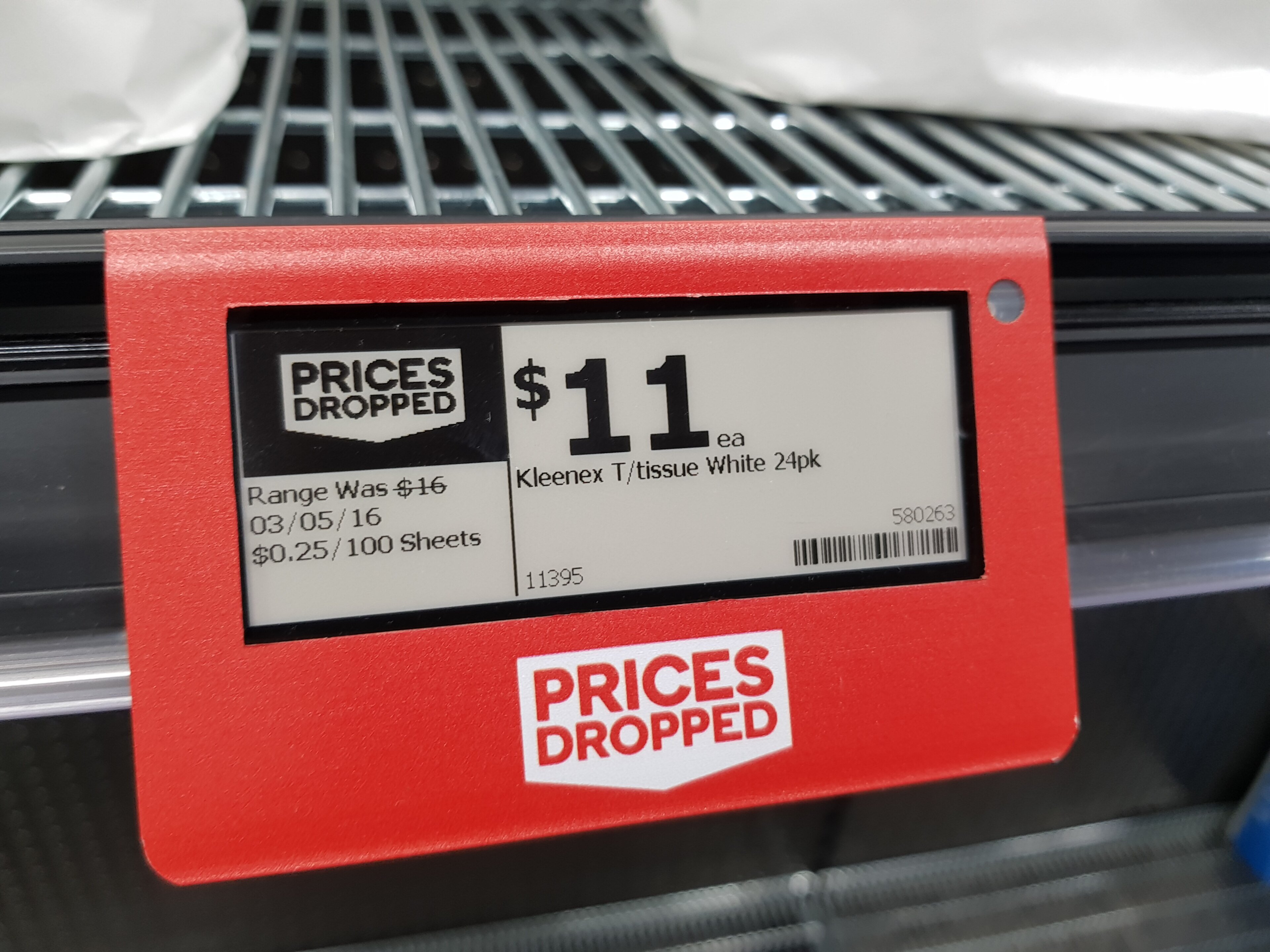
A receipt that is higher than the shelf tag is one of the most common shopping complaints in the world. Whether you can force the shop to drop the price depends entirely on the country you are standing in.
Read the story
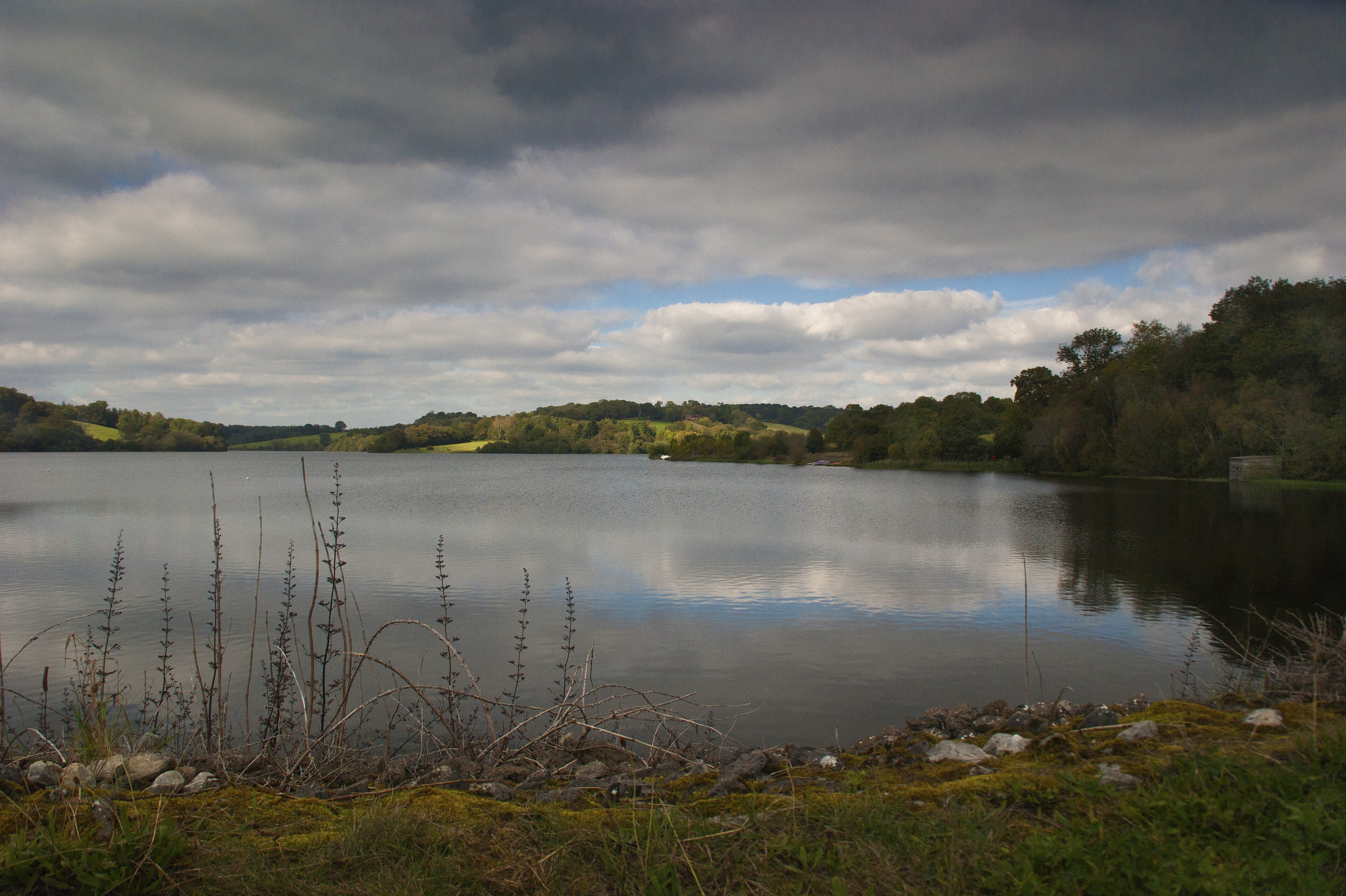
England just lived through one of its wettest winters in decades, then one of its driest summers in a century. By late October 2026 its reservoirs sat far below where they should be, and one reservoir in West Sussex had fallen lower than Cape Town's own dams did at the worst point of its famous 2018 water crisis. Here is what is actually happening, and the fix Cape Town already proved works.
Read the story
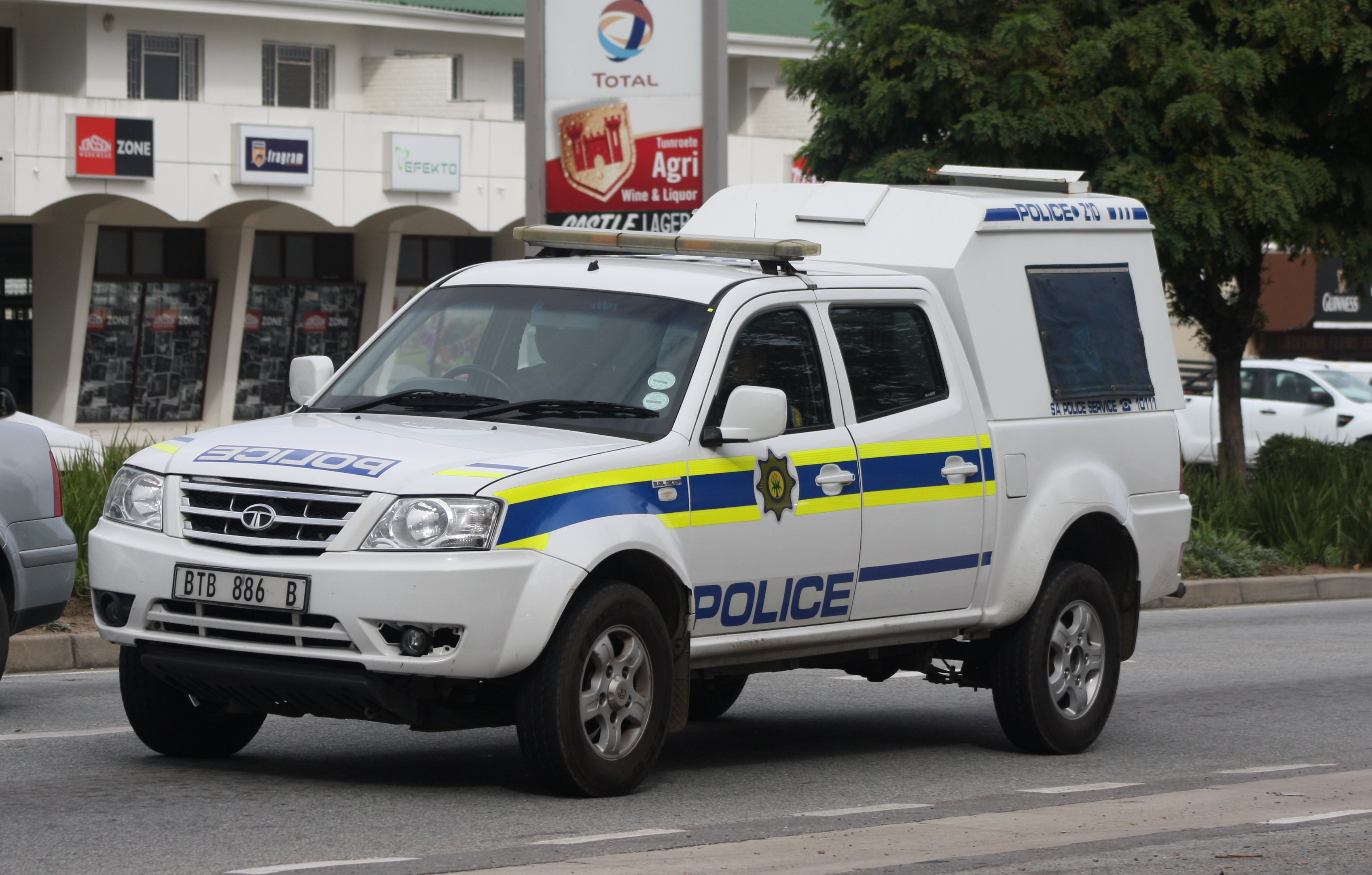
Firing in self-defence does not stop the process that follows. The firearm is seized and tested that night, a case docket is opened, and a statement is taken while the shooter is still shaking. Only weeks or months later does a prosecutor decide whether to charge anyone, and the firearm licence runs on its own, slower track. Here is the law behind every step, section by section, with the table nobody has put in one place yet.
Read the story
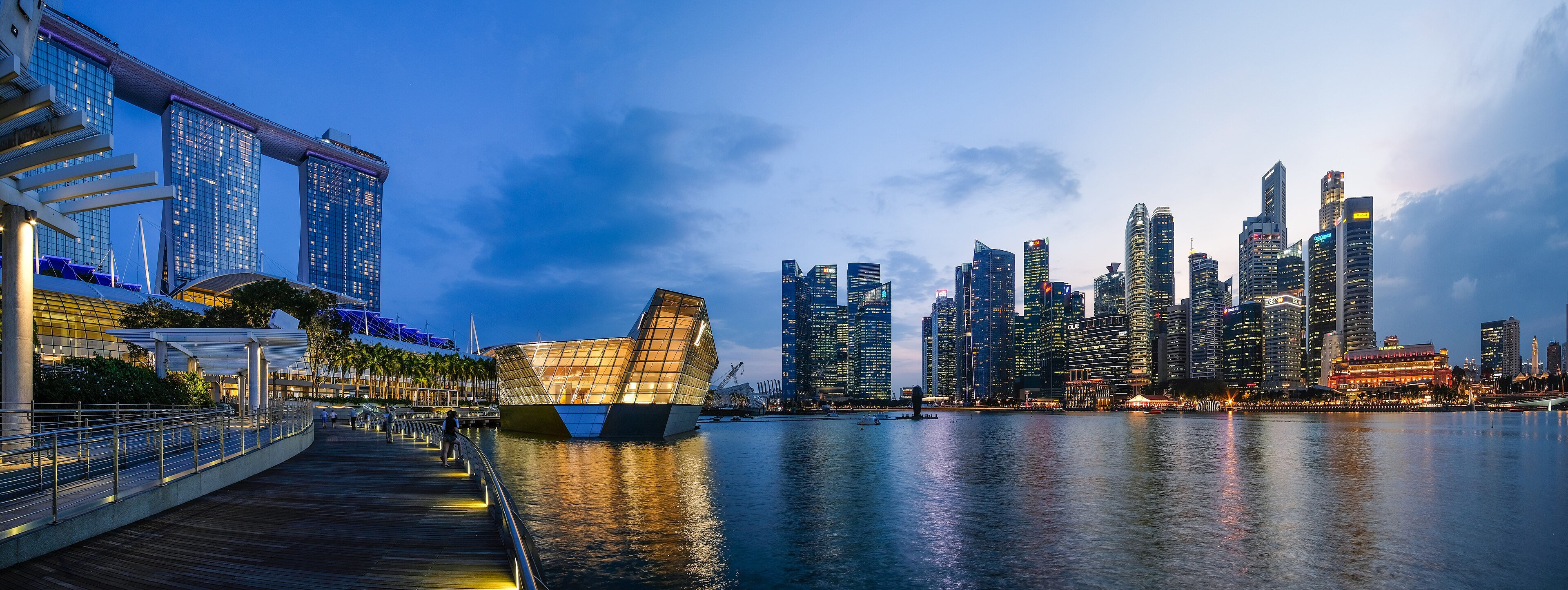
In 1965 the average South African had about a third more money than the average Singaporean. Today the average Singaporean has 15 times more. We went through how a tiny island with no water, no army and no resources did it, from housing and schools to its ministers' pay and its strict laws, and what it means for South Africa.
Read the story

Most people who buy an S&P 500 index fund think their money is spread across 500 companies. Right now more than a third of that index sits inside seven AI-linked companies, a bigger share than at the dot-com peak or during the Nifty Fifty boom of the 1970s. We worked out what a 10%, 20% and 30% fall in those seven stocks alone would do to a $100,000 retirement pot.
Read the story
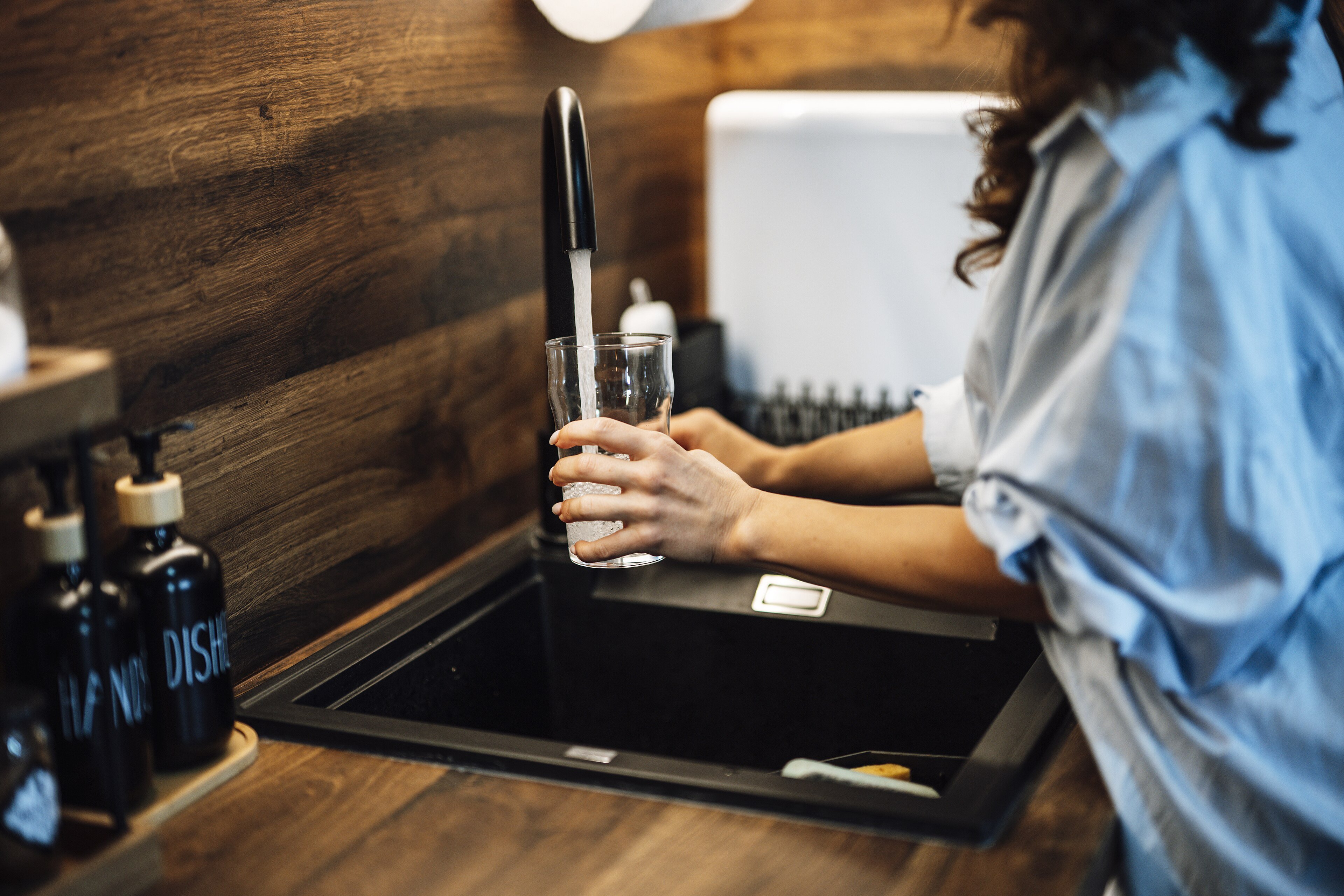
The government scores every municipality's drinking water out of 100 and puts the numbers online. Most people have never looked. We did, and the worst metro in the country is not Tshwane, the one whose unchlorinated water made hundreds of people sick this month.
Read the story

California votes on 3 November on a one-time 5% tax on billionaires. Twelve OECD countries have already tried a yearly version of the same idea. Nine of them scrapped it, and official reviews say the real reason was not the one either side in this fight usually argues.
Read the story
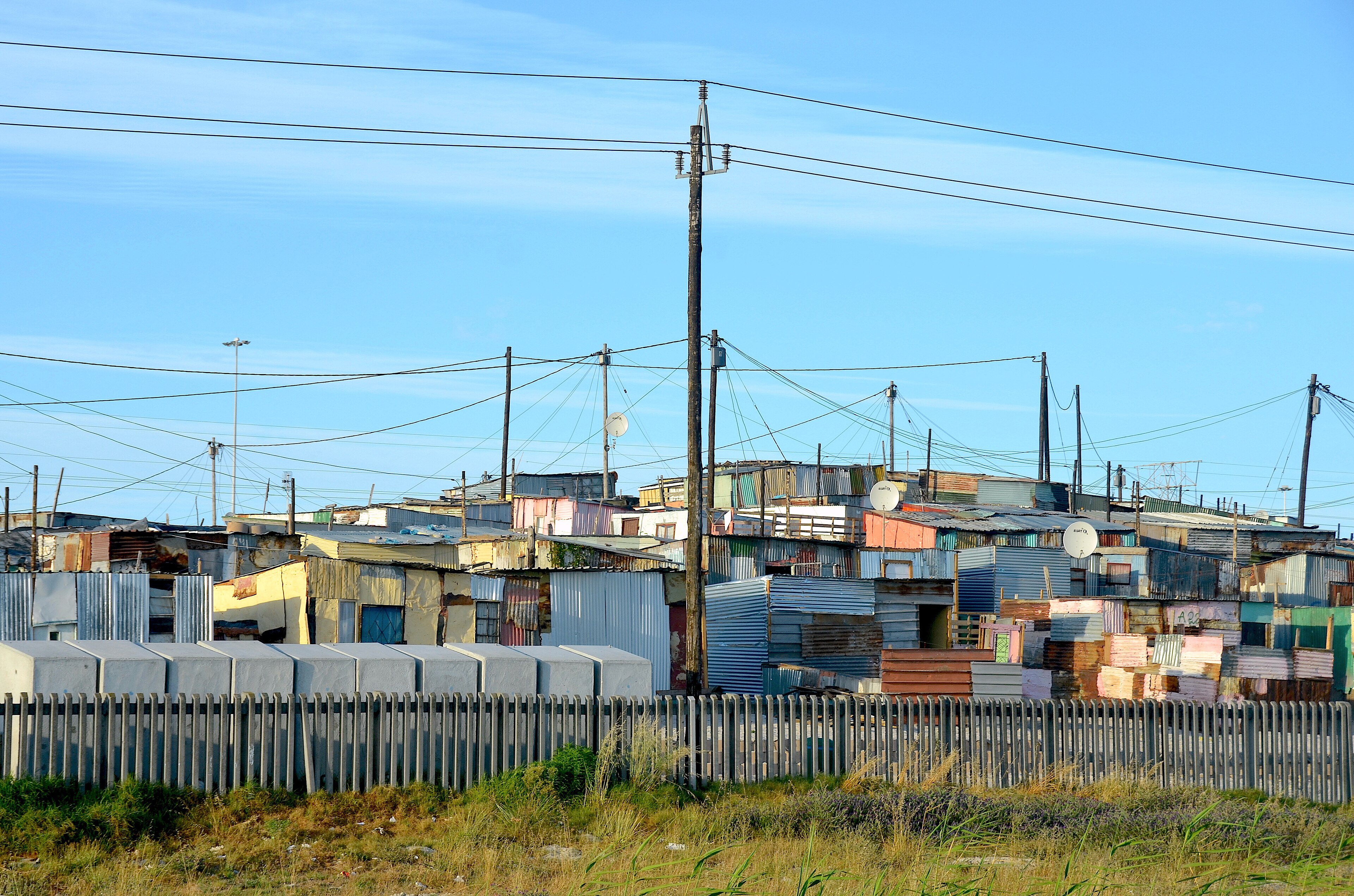
A grandmother killed near the airport, a tourist's jaw broken by a stone and 42 bricks thrown in one year at the airport alone. Here is where the N2 and R300 are dangerous, what the attackers do, who is responsible and how to drive the road.
Read the story

France has reported the first human case of Shamonda virus, a livestock disease spread by biting midges, after the patient died in October 2026. Here is what the virus is, how it spreads, what WHO and French health officials say about the risk, and whether South Africa needs to worry.
Read the story

On Wednesday 21 October 2026, two flaws in PHP, the code behind about 7 in 10 websites, pushed governments, Wikipedia and the Port of Rotterdam offline. The same day a popular AI tool shipped a password stealer, the developer platform Railway paused every deployment, and India's biggest bank reported a data loss. Days earlier, a company that vouches for websites was found using a secret key that was simply the number 4. Here is the full list, with what each one means for you.
Read the story

On 21 October 2026, the team behind PHP, the free code that builds most of the world's web pages, rushed out a fix for two flaws rated 9.2 out of 10. The flaws let an attacker break into a server with no password at all. Canada took some of its own websites down. The US, Britain and the European Union told site owners to switch off until they patched. Wikipedia, Pinboard, 4chan and Something Awful went dark rather than risk it.
Read the story
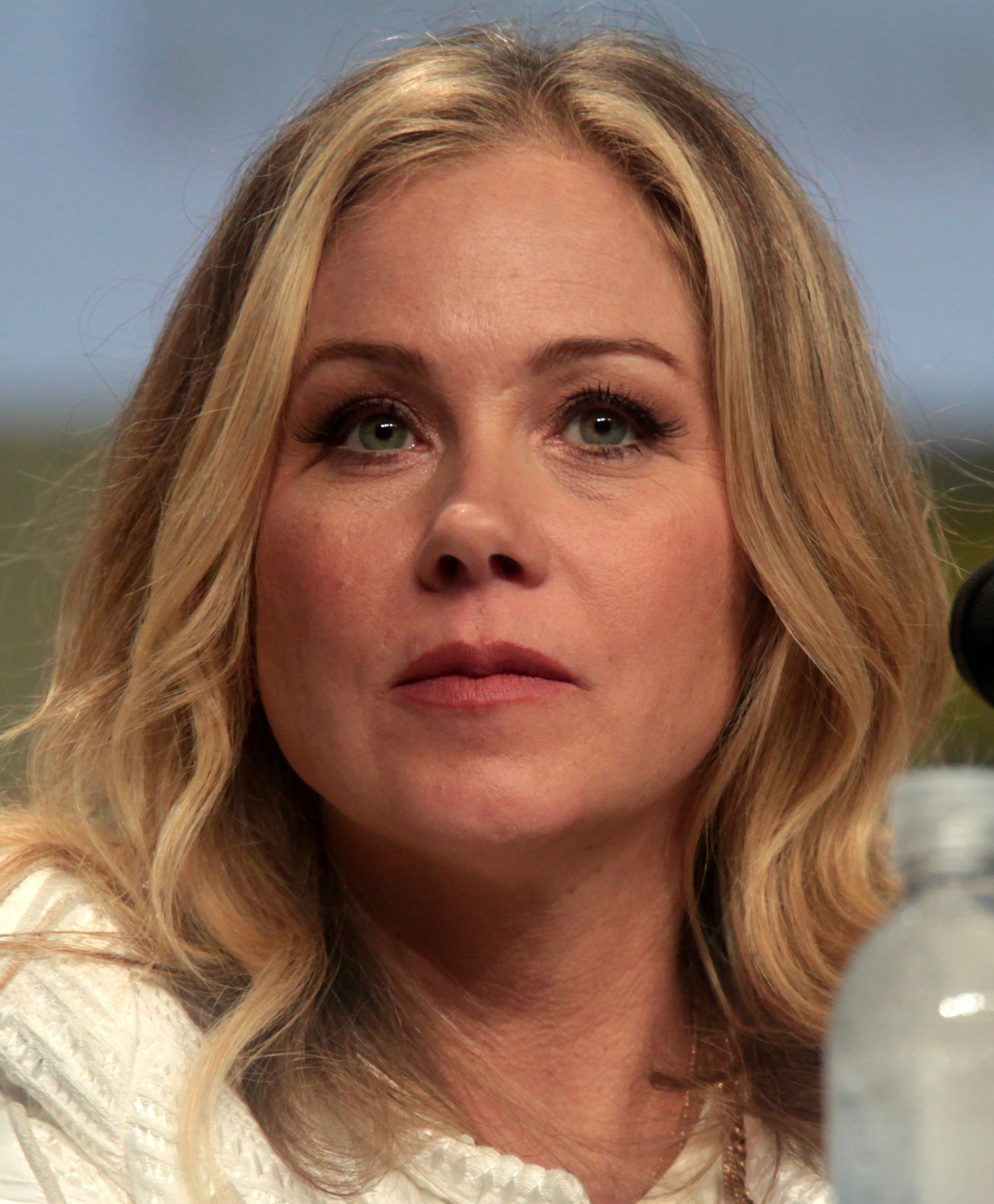
Christina Applegate says the MS diagnosis she lived with for five years was wrong. That is far from a one-off. Published studies put MS misdiagnosis as high as 1 in 5, and researchers have named the exact conditions doctors mistake for it most.
Read the story
At the rate lenders were quoting on 19 October 2026, a $300,000 mortgage spread over 30 years costs $437,486 in interest. That is more than the loan itself, and more than the median home in America sells for right now. Here is the full math, month by month and year by year.
Read the story
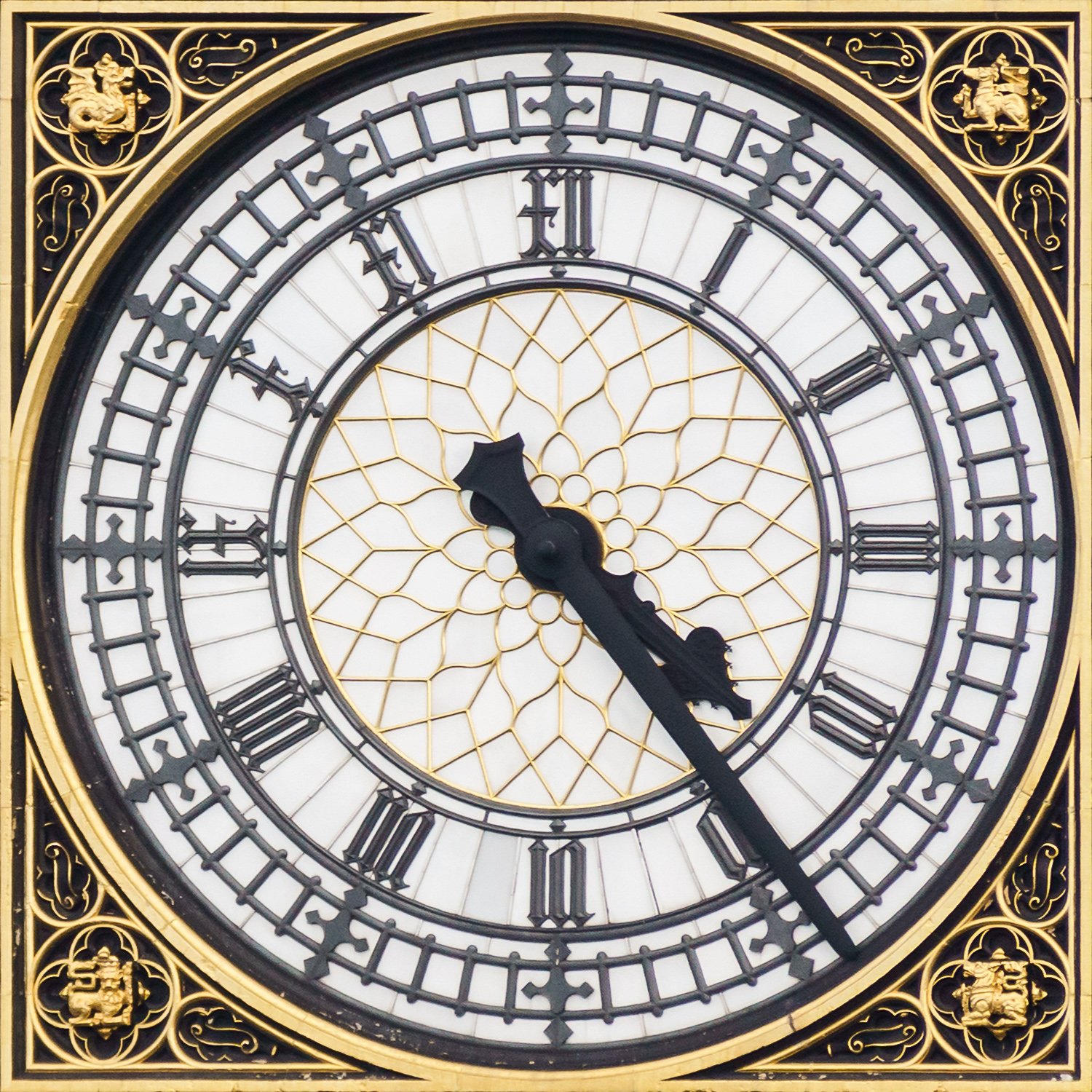
UK clocks go back one hour at 2am on Sunday 25 October 2026. In the US, daylight saving time ends at 2am on Sunday 1 November, the earliest date the rules allow. Here is what changes, whether your phone does it for you, why we still do this, where the US law to stop it stands, and how to keep your sleep (and your kids' sleep) on track.
Read the story
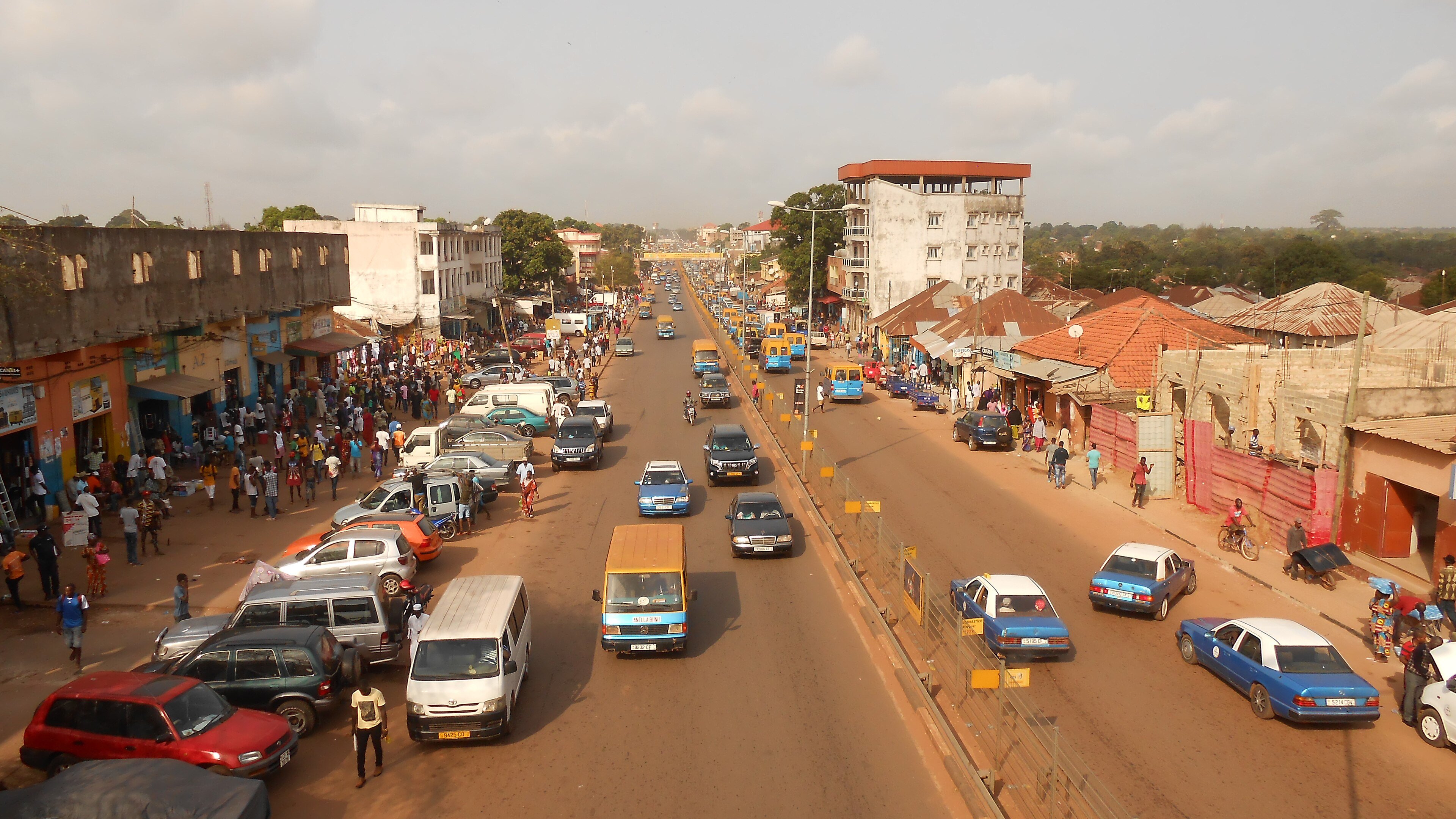
A hepatitis B vaccine trial on 14,000 newborns in Guinea-Bissau, funded by the US health department, was paused after the WHO raised concerns. The Guardian reports a Danish ethics committee has now approved it. Here is every step, with who said what.
Read the story

Overnight on 8 October a drone attack set fire to a Yandex data centre in the Russian town of Sasovo. Shops, rail and ticket sites reported problems, and Yandex said it could not yet confirm the servers can be saved. Two of its AI supercomputers were reportedly housed there.
Read the story
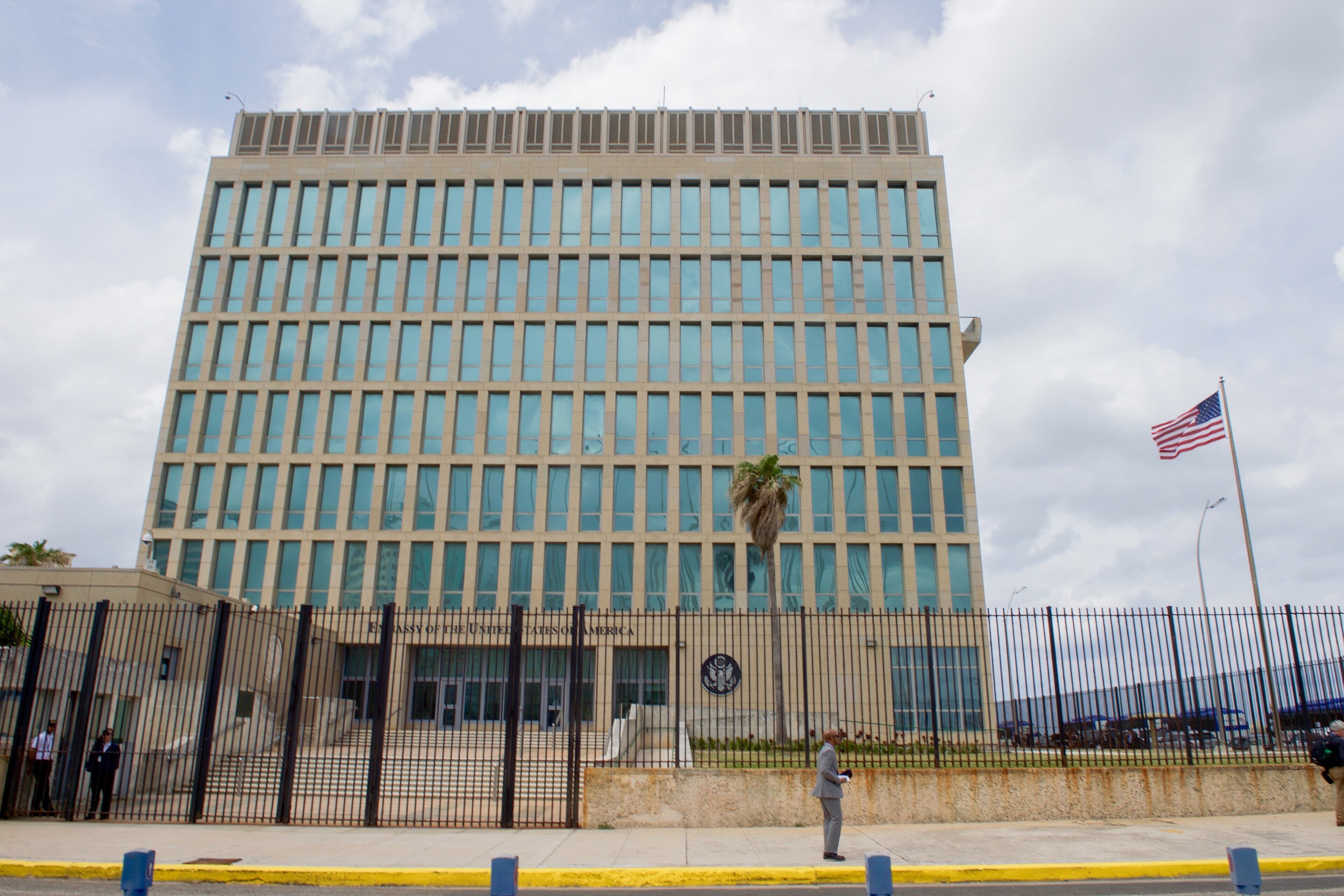
Havana syndrome victims describe sudden, brutal head pain. Official reports said a Russian campaign was very unlikely. Now a spy chief has pulled one of those reports, a book says Russia did it, and two sources told the Guardian a device reached the US for testing. The timeline below runs in date order.
Read the story
The 15 October deadline is for filing, not paying. The IRS charges 5% a month for a late return and 0.5% a month for a late payment. We worked out what $1,000, $5,000 and $10,000 cost after 1, 3 and 6 months.
Read the story

Apple has set Tuesday 13 October for a launch it calls "Welcome home". The company has said nothing else, but Bloomberg's Mark Gurman and other reliable reporters say it is all about the home. A new smart home hub with a screen, a faster HomePod mini and a new Apple TV are expected. The touchscreen MacBook Pro is not part of it. That comes about two weeks later.
Read the story

Around 5,000 years ago, Egypt's first kings were laid in the desert at Abydos with dozens of people buried around them. Now a forensic look at 46 of their skulls shows that 18 had been hit hard enough to die. Here is what the cracks say, and what they still do not.
Read the story
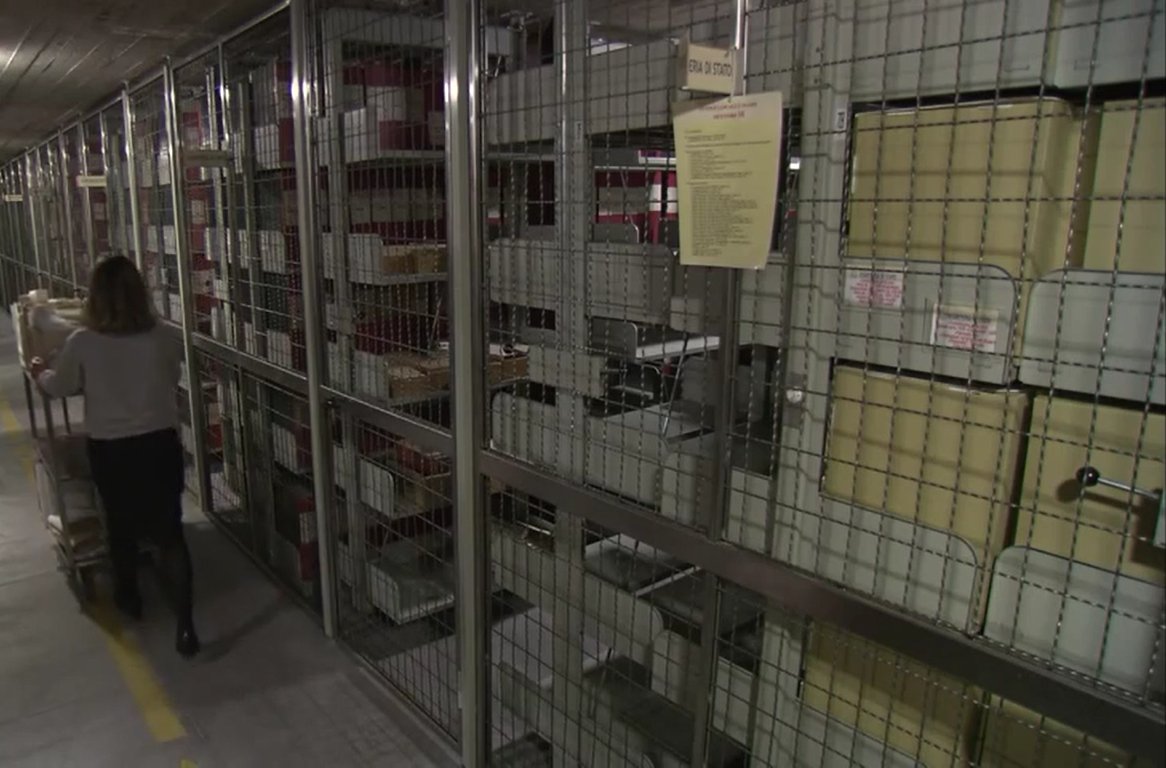
Deep inside the Vatican sits an archive with 85 kilometres of shelves, about 53 miles. It holds twelve centuries of letters, trial records and secrets, and only approved scholars get in. People have wondered for 400 years what is on those shelves. Here is what we know, and what we still do not.
Read the story
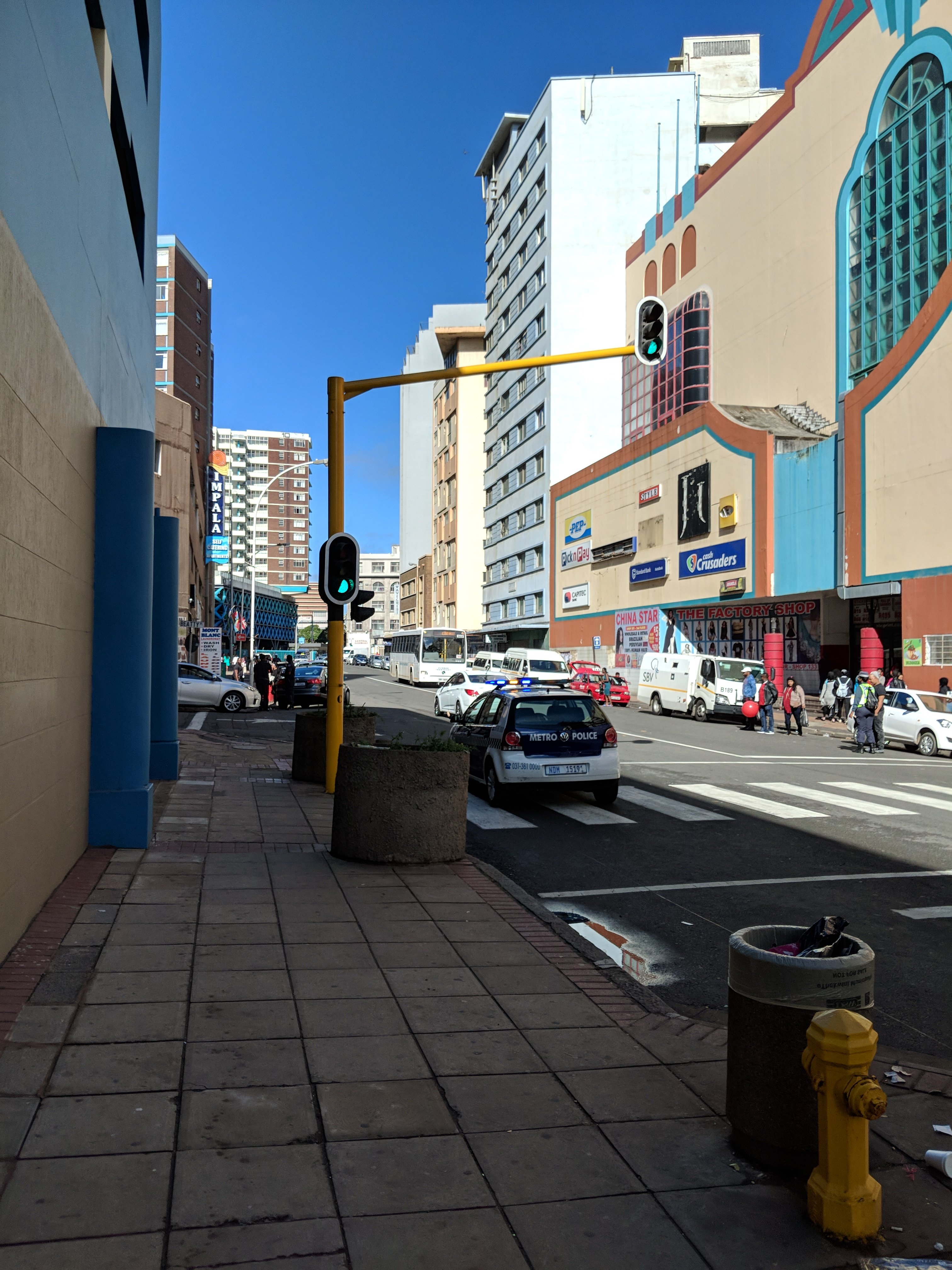
From May to September, hundreds of refugees and asylum seekers slept on the pavement outside Durban's Home Affairs refugee office. Most had legal papers. A post said 41 of the children were under four. We lay out the dated timeline, the offer they were given, and why about 100 said no.
Read the story
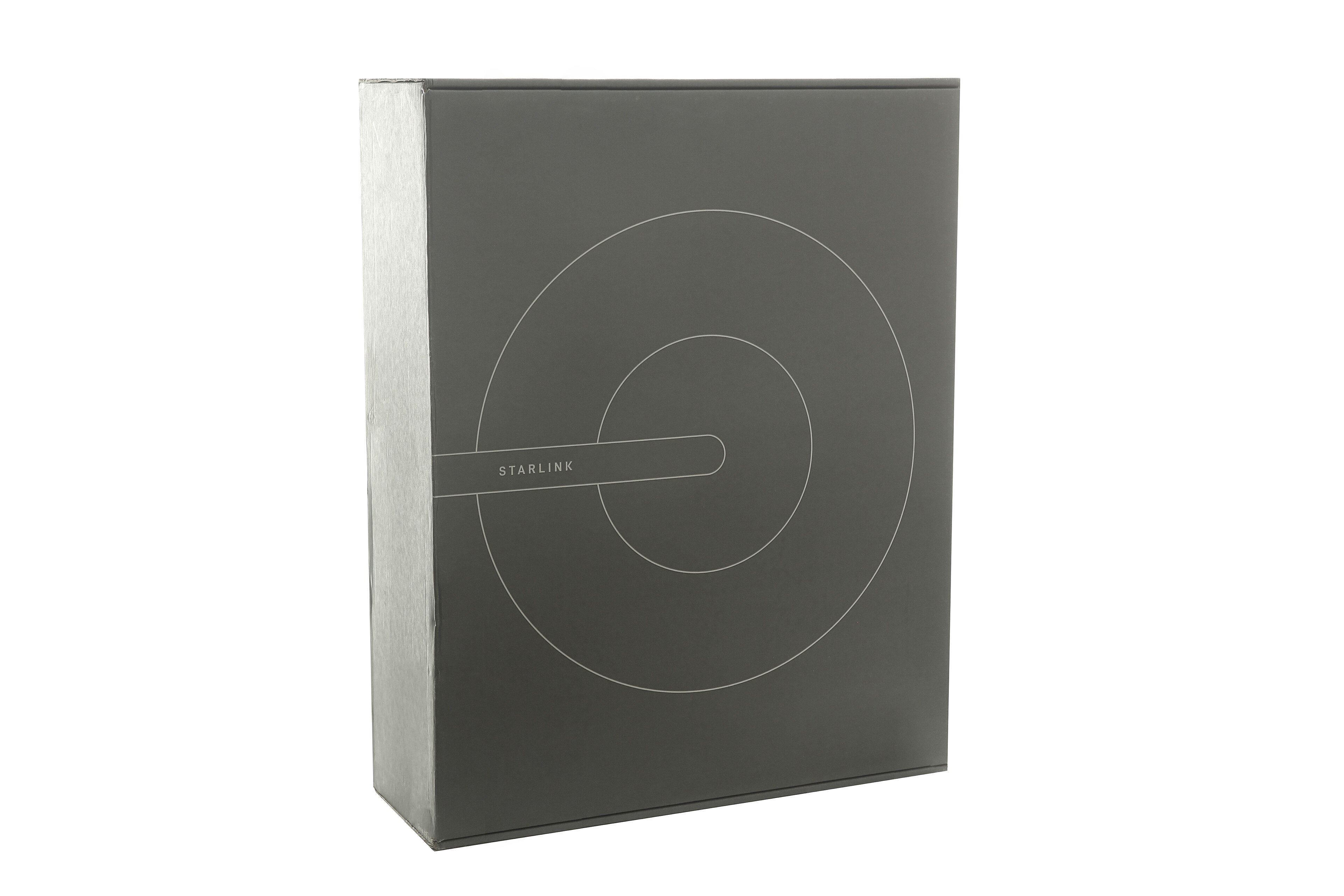
In the US, Starlink costs $55 to $130 a month for home internet and $55 to $175 for Roam. The Standard kit costs $349, and some areas rent it to you for free. Here is every plan, the fees people miss, why prices change by address, the real first-year cost, and what South Africans pay in rand.
Read the story

Proton Mail told its followers to never use Sign in with Google, in capital letters and with no explanation. Hundreds replied, many tagging an AI chatbot for the reason. Here is the plain answer, what a Google lockout would cost you, and the exact steps to see which apps are tied to your Google login.
Read the story
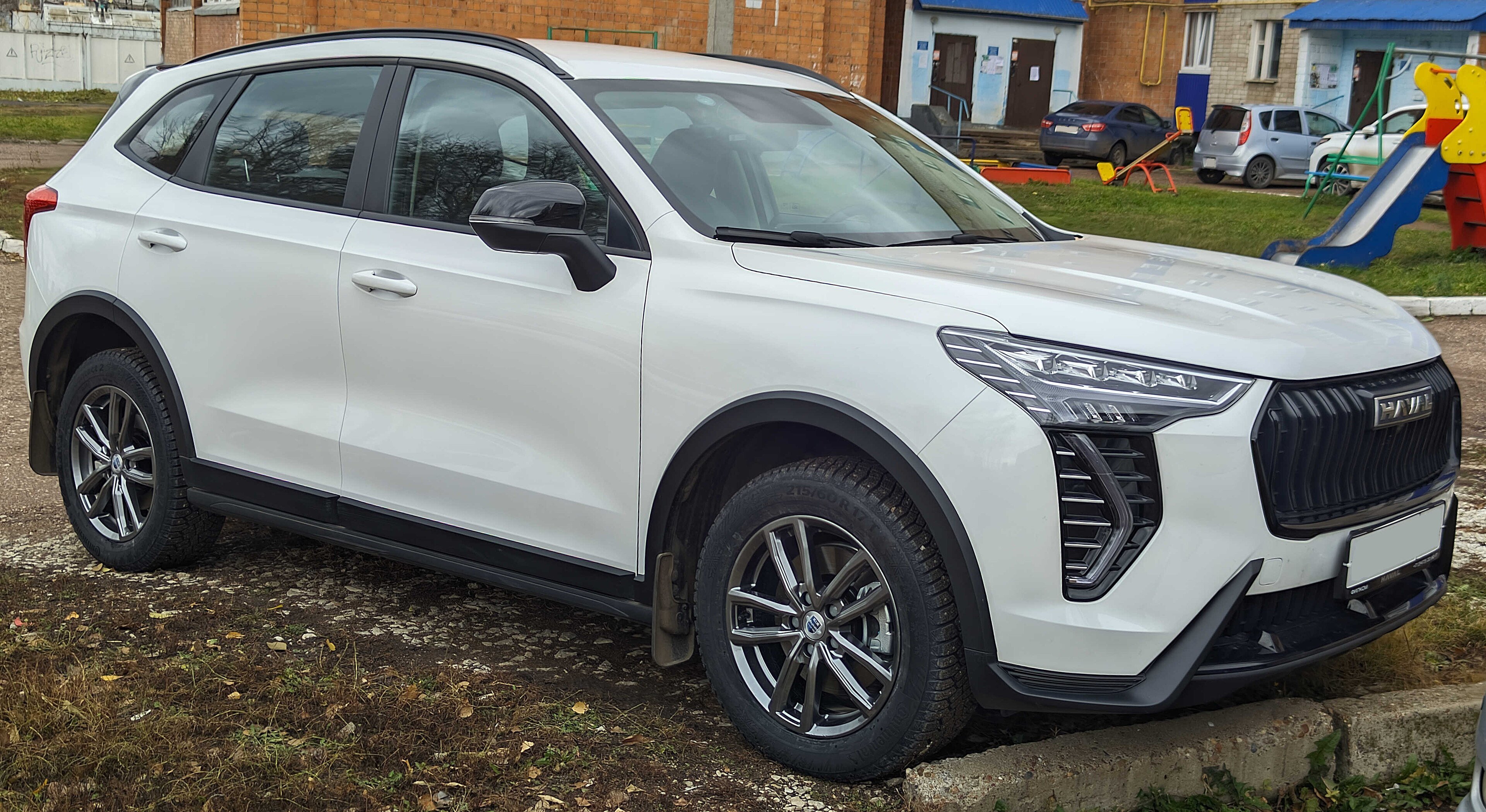
The engines in today's Chinese cars are mostly holding up. The trouble comes later: Waiting for parts, buggy screens and resale values nobody can promise yet. Here is what owners report after three to six years, brand by brand, what the banks are worried about, and a checklist before you sign.
Read the story

GTA 6 comes out on Thursday 19 November 2026 on PS5 and Xbox Series X|S. Here is when it unlocks in your country, what it costs, why there is still no PC version, how it got delayed twice, and what fans expect on 19 October.
Read the story

SpaceX has agreed to buy a block of low-band airwaves that reach through walls and into dead zones. Elon Musk calls it the last piece of the puzzle for full phone coverage in America. Within hours, Verizon, AT&T and T-Mobile shares fell about 6% to 7%. Here is what SpaceX bought, how a phone talks to a satellite, and what it could mean for your bill.
Read the story
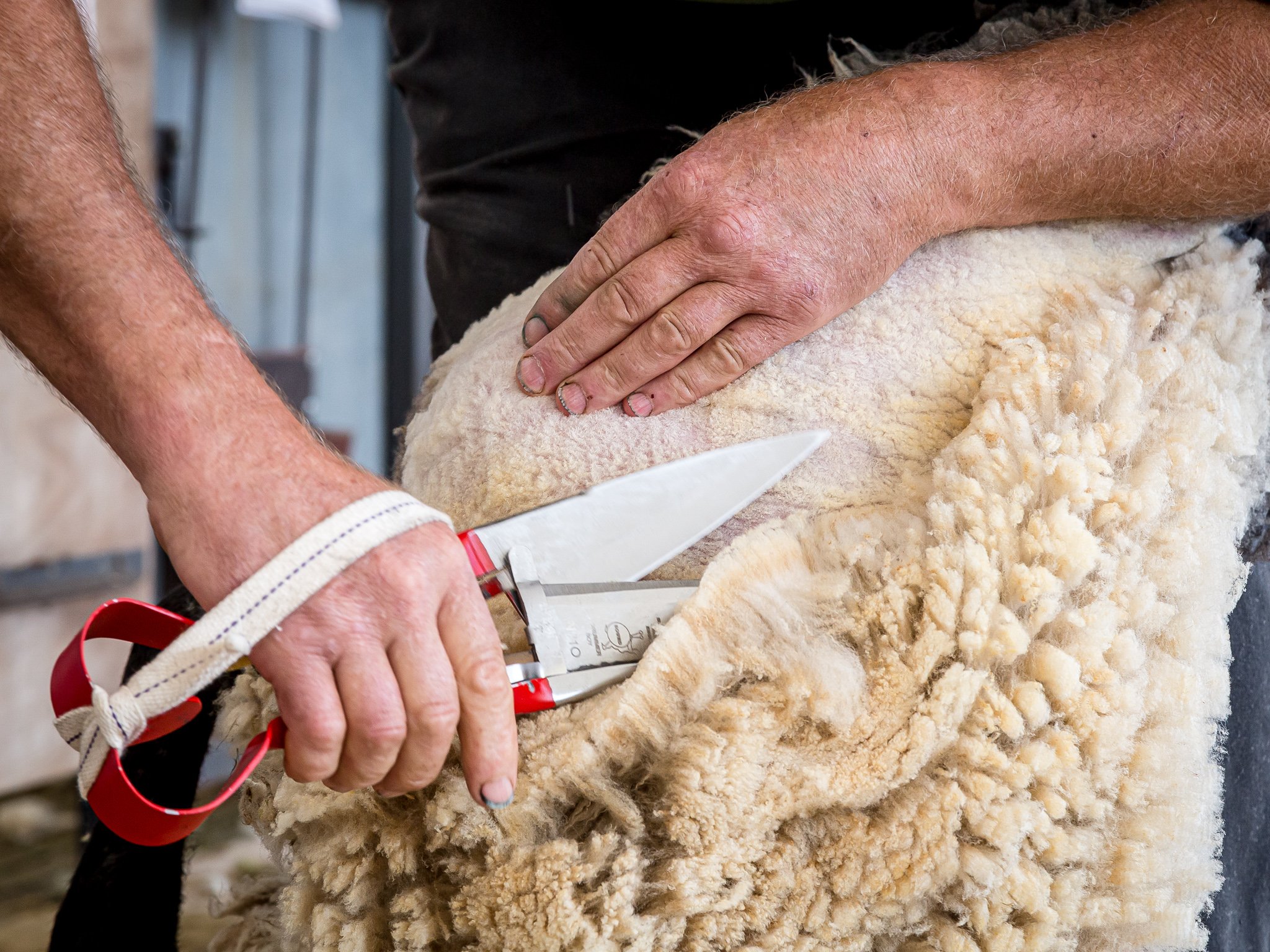
In Clarkson's Farm, the wool cheque told the whole story: The fleece was worth less than the cost of cutting it off. For centuries wool was England's greatest fortune. Here is how it fell, why a wool jumper still costs a fortune, and why prices have suddenly jumped.
Read the story

Porsche has told investors it expects to sell fewer cars for years to come, and it says that is fine. The new plan cuts 9,000 jobs, leans on the 911 and big luxury SUVs, steps back from its all-electric push and aims to make money even if sales drop below 200,000 cars a year. Here is what went wrong, and why fewer cars could mean more profit.
Read the story
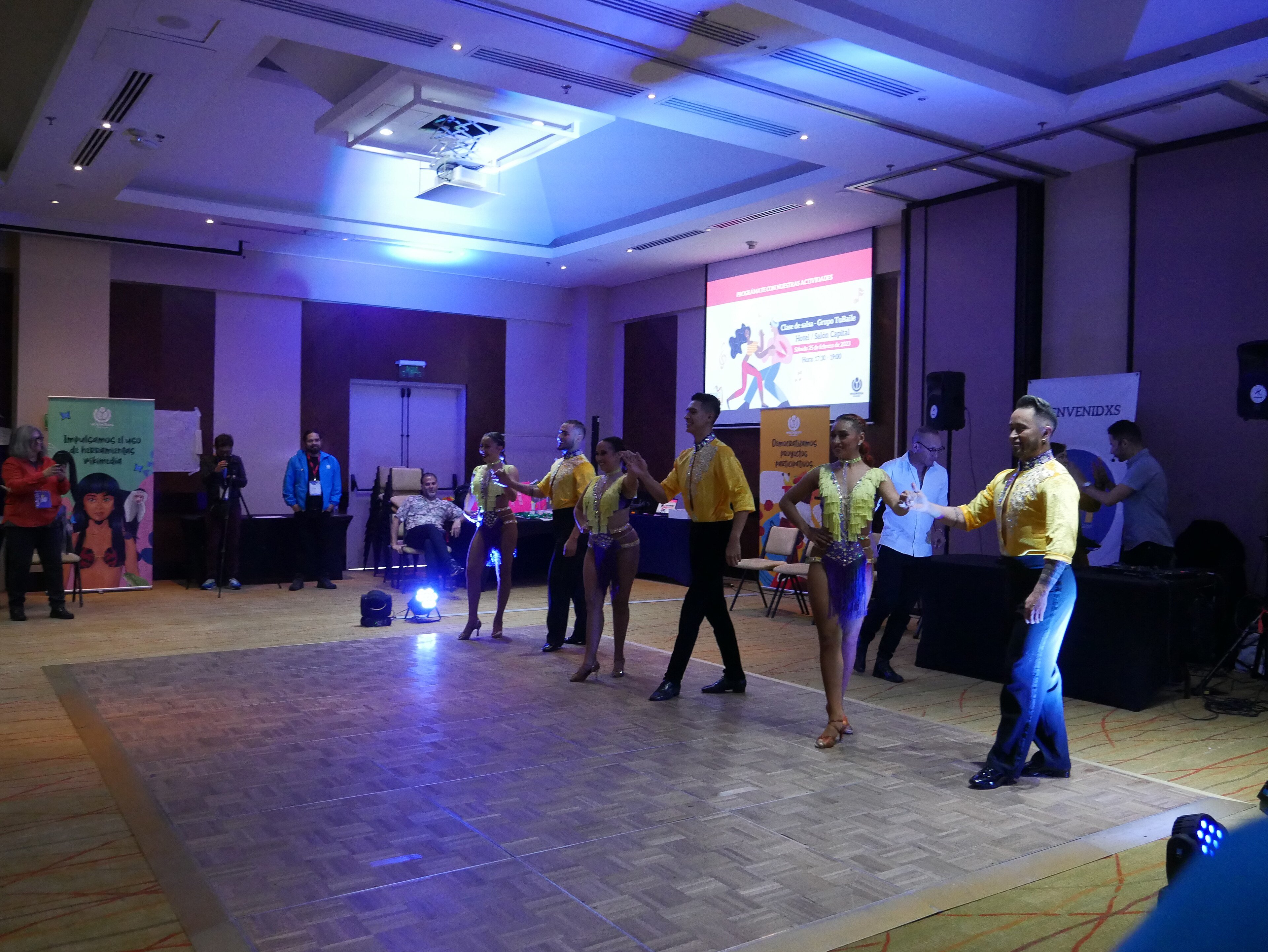
Researchers pooled 218 trials and more than 14,000 people with depression to find which exercise works best. Walking or jogging matched talk therapy and beat common antidepressants. Yoga and weights did well too. But the biggest effect of anything they tested came from dancing.
Read the story

For years we were told to get eight hours of sleep. A huge study of more than 3.5 million people found the lowest risk of death at about seven hours. Even stranger, sleeping too long was linked to more risk than sleeping too little. Here is what the numbers show, why scientists think long sleep looks risky, and how much sleep you really need.
Read the story
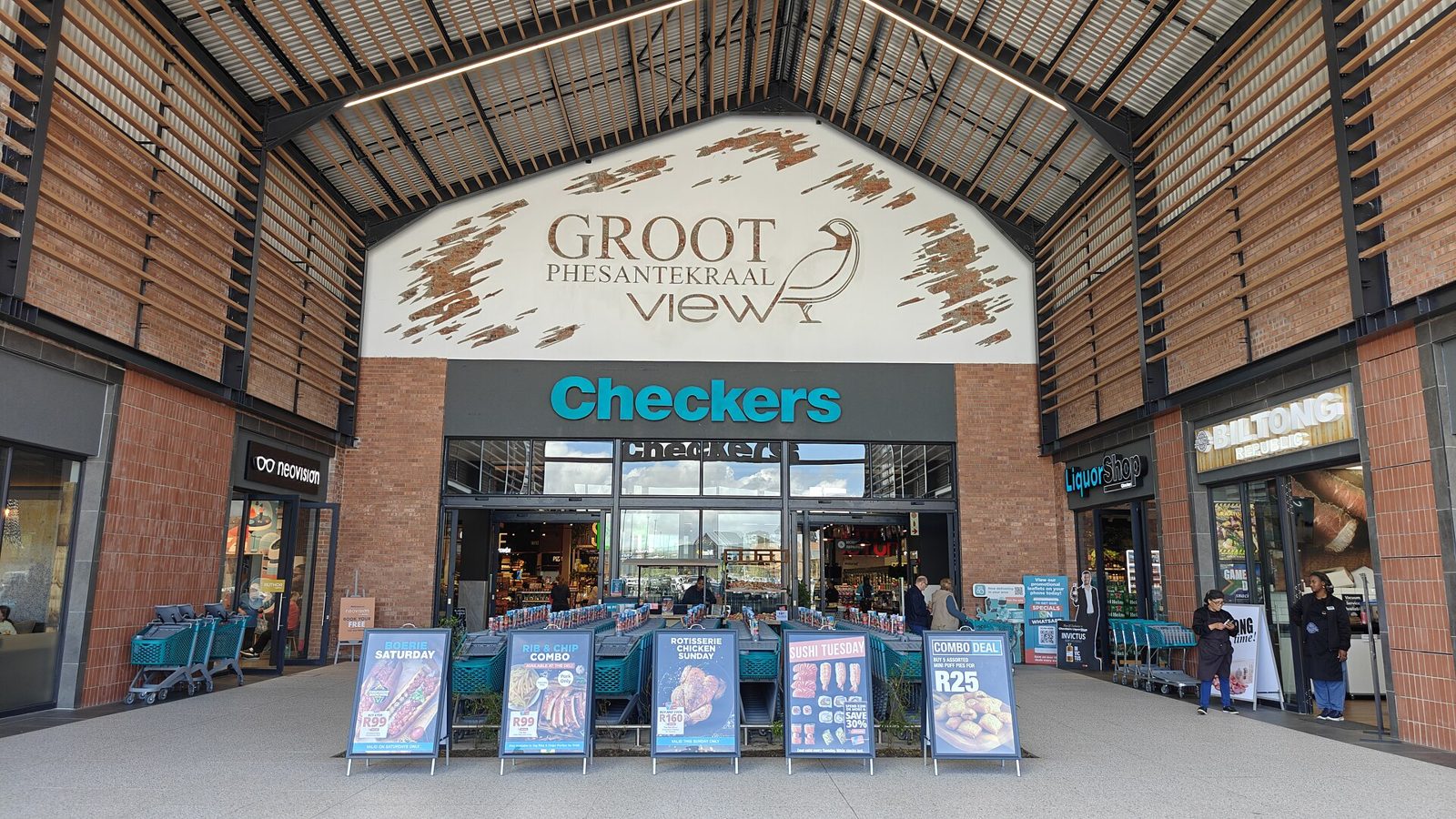
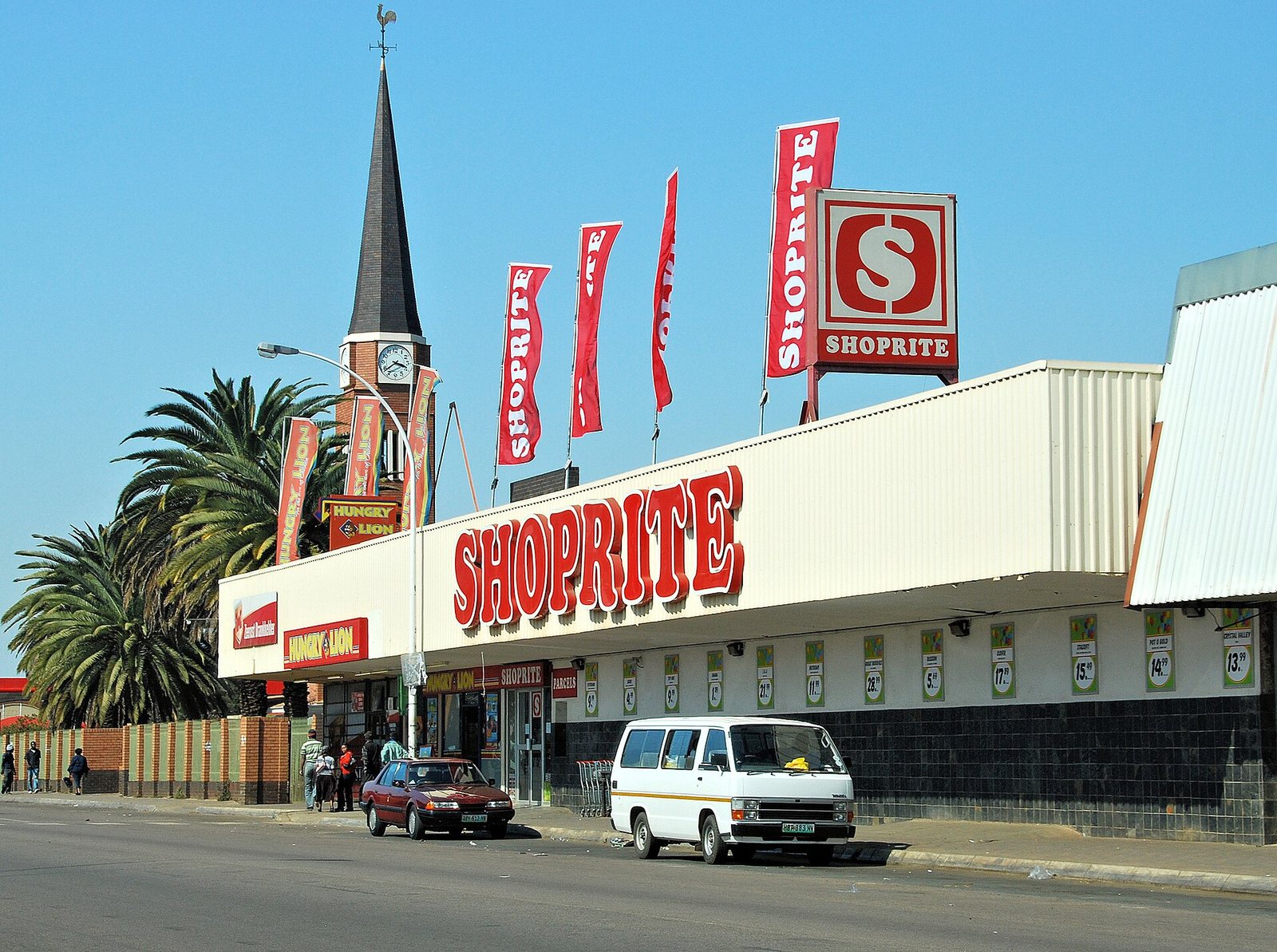
Shoprite and Boxer shares are up this year. TFG, Woolworths and Pepkor are down by a third or more. We checked the latest prices and results to see what the split says about how South Africans really spend, and what it means for your next shop.
Read the story
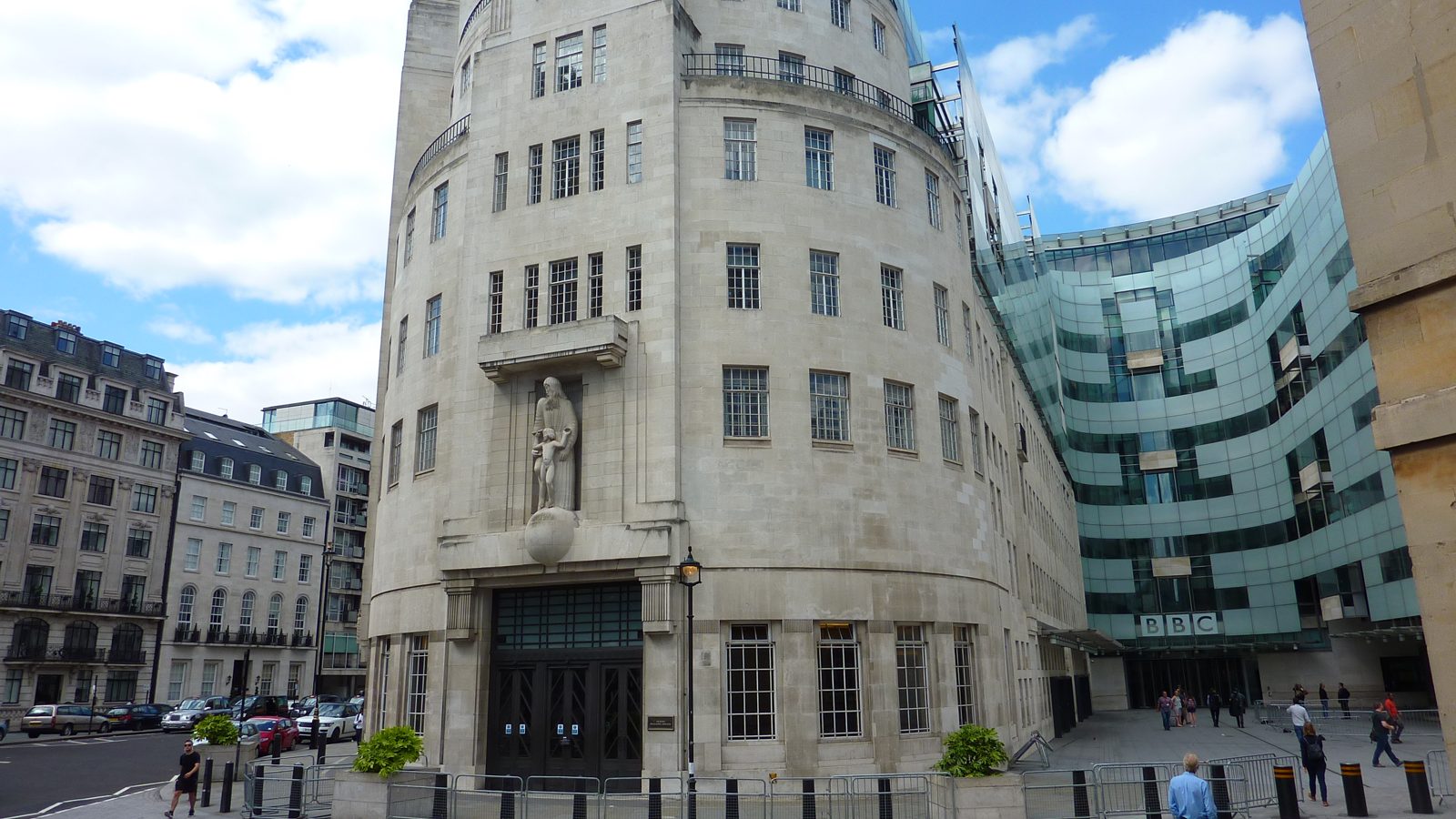
A claim that the BBC pays white staff less than ethnic minority staff in 6 of its 7 pay bands has been seen hundreds of thousands of times. We went to the BBC's own pay gap report. The band numbers are real. But across the whole BBC, white staff still earn slightly more, and the reason is a maths trick most people have never heard of.
Read the story
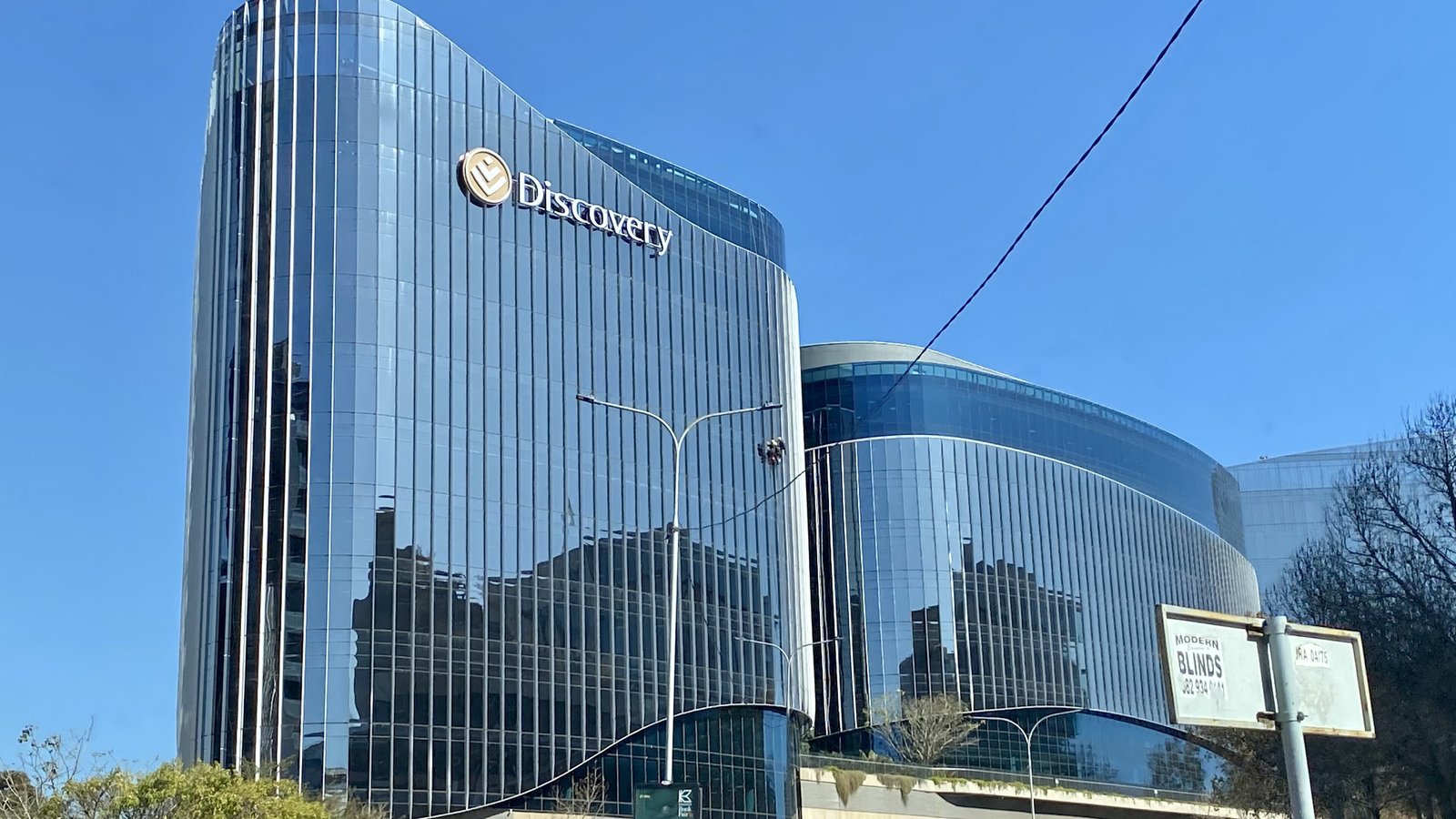
Discovery is up 8.2%, Bonitas 8.7%, Momentum and Medshield 7.9%. The regulator asked for 3.8%. Here is every big scheme's 2027 increase in one table, what it costs you each month, and who has not announced yet.
Read the story

On Central Energy Fund data to 23 October, 95 petrol is short by R1.27 a litre, and the new fuel levy cut takes off R1.50 from 4 November. Combined, the pump price could fall slightly to R30.02, even after Brent crude hit a six-month high of $116.72. Here is what that means for your tank, and when the official price lands. We update this page as the data moves.
Read the story
Old SASSA gold cards were blocked after 31 August. The grant still lands in your Postbank account every month. Here is how to swap to a Black Card for free, what to bring, and how to avoid the scams.
Read the story
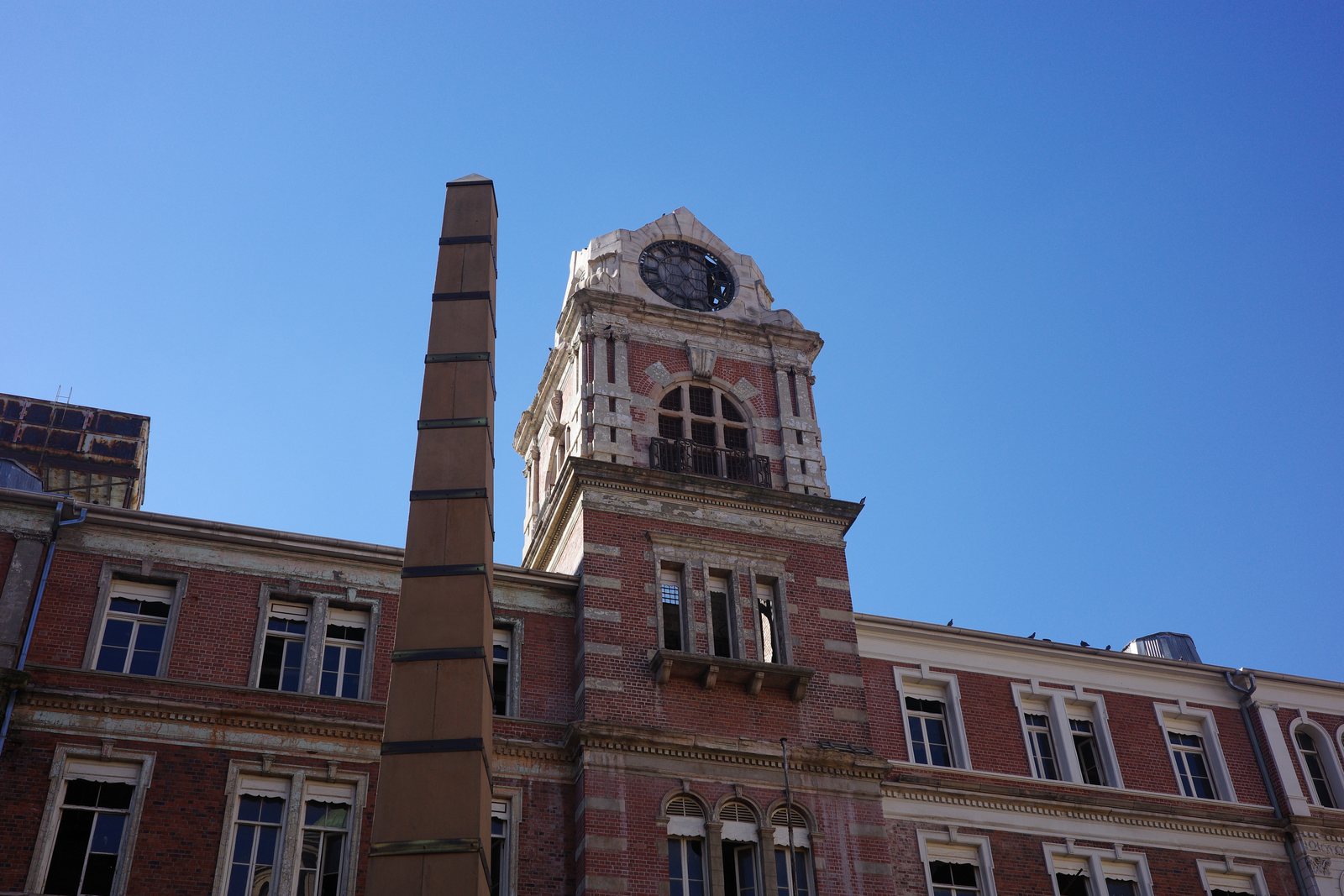
November's grant days clash with the 4 November local elections, so SASSA is reviewing them. Here are the dates on the official schedule, every grant amount, the R370 SRD, and how to check your status safely.
Read the story
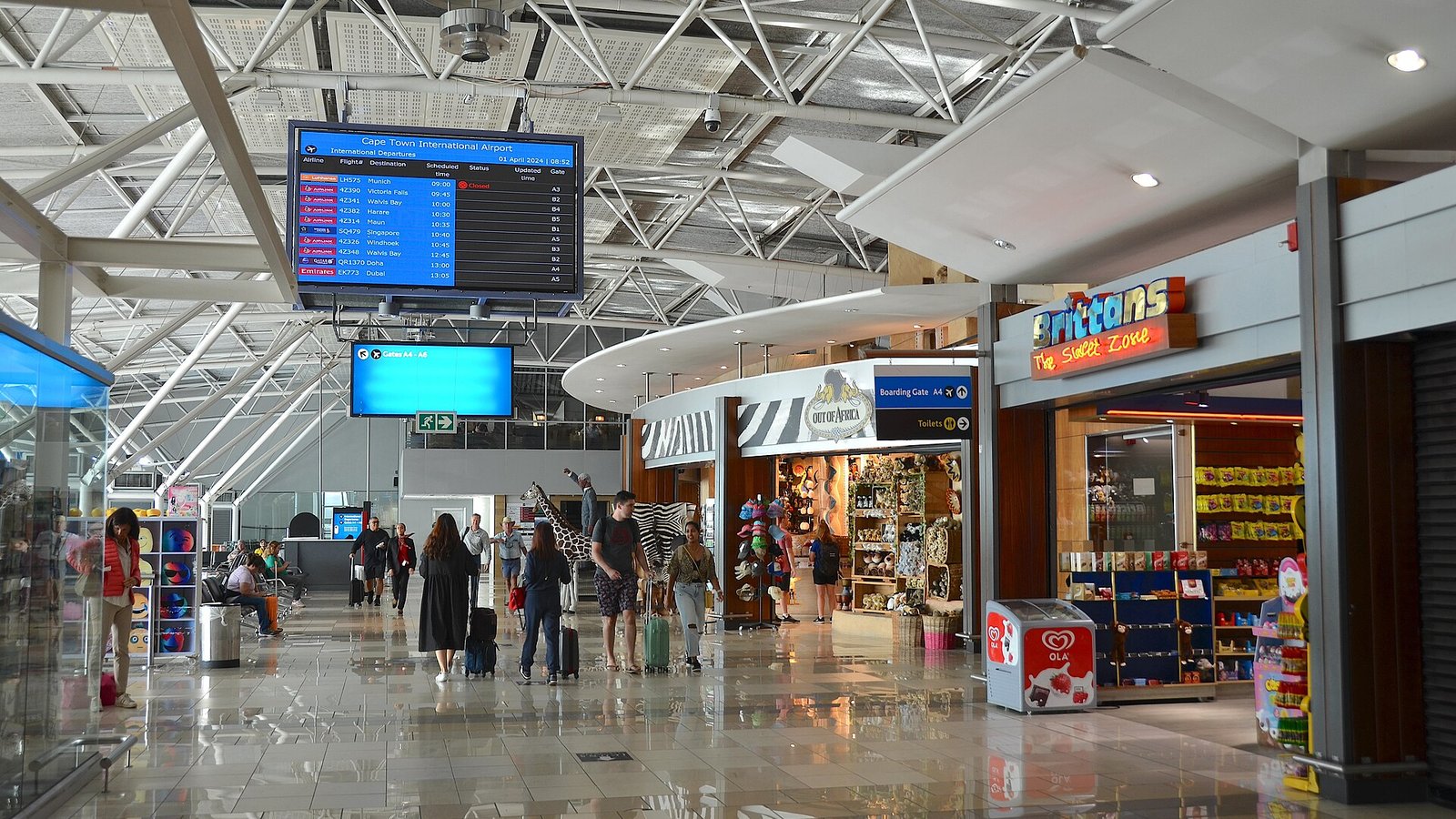
A new ranking puts the green South African passport 86th out of 199, down seven places in a year. Another index says 50th. We explain why both are right, what the Home Affairs fraud cases have to do with it, and list all 108 places you can still enter without applying for a visa first.
Read the story
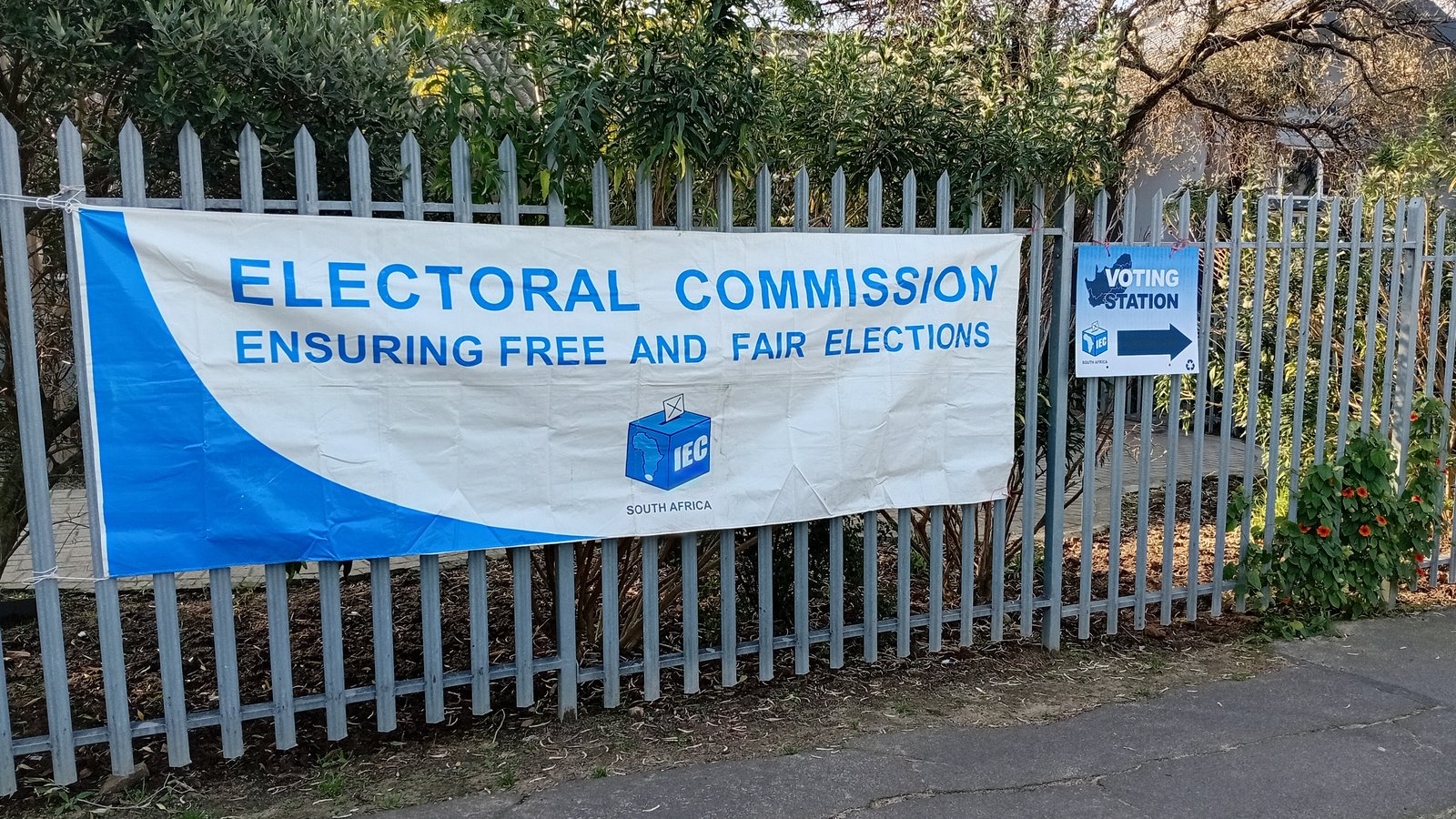
More than 29 million South Africans can vote on Wednesday 4 November. Here is how to check you are registered, where your voting station is, which ID to bring, how the two or three ballots work and what your council actually controls.
Read the story
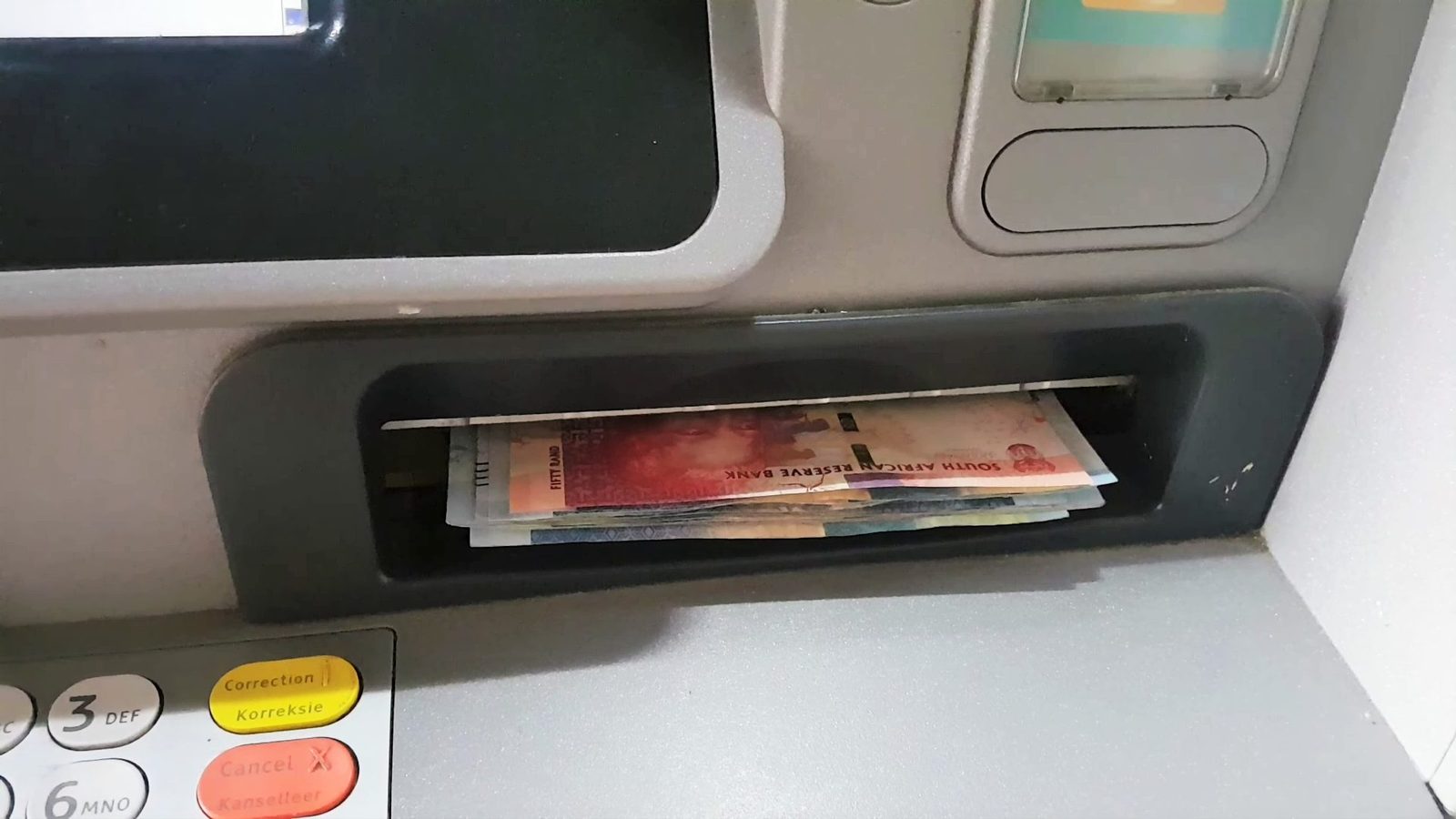
A card payment that lands days late, a debit order, a monthly fee. Here is why South African bank accounts slip into the minus with no overdraft, how to find the cause and how to dispute it.
Read the story
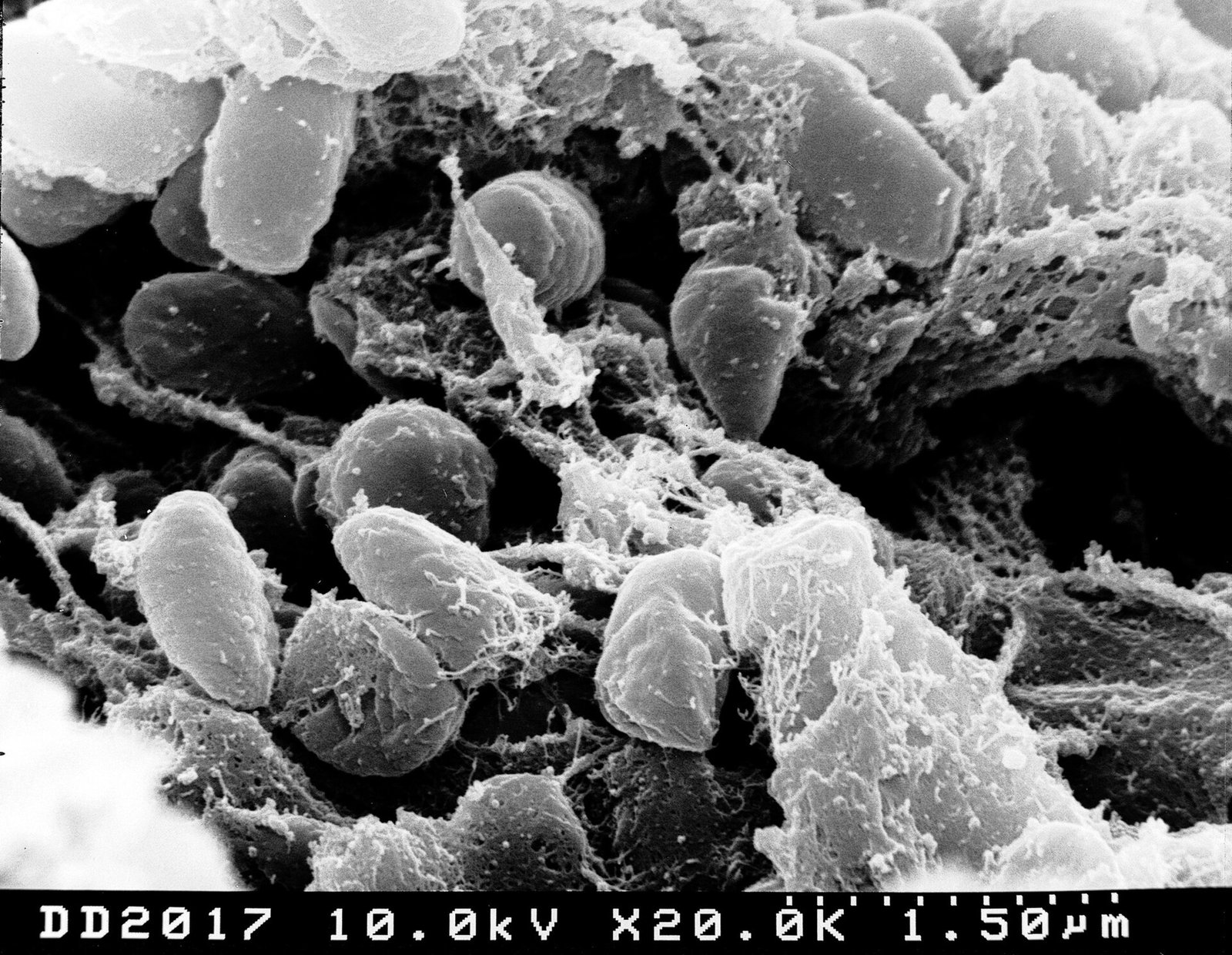
Pneumonic plague is a lung infection caused by the same bacterium as the Black Death. Here is how it spreads, the symptoms, how deadly it is, how it is cured and where it still exists.
Read the story