Cape Town now runs its own power plant. This is what a self-sufficient Cape looks like
For years the Cape waited on Eskom. Now a city has built its own power station, and the province says thousands of megawatts more are coming.
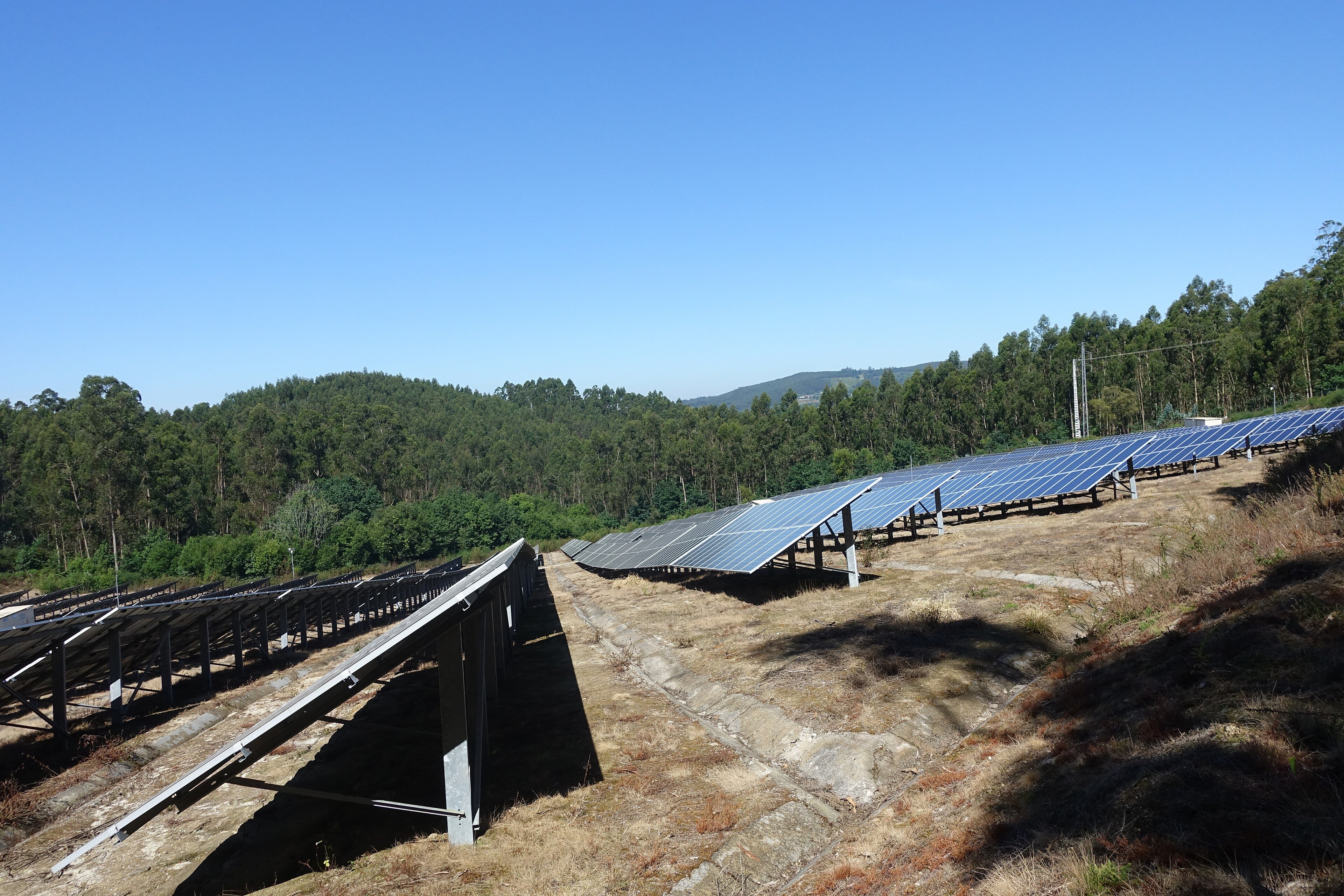
Photo: Joseolgon / Wikimedia Commons, CC BY-SA 4.0
- Cape Town owns and runs this plant itself, no Eskom needed
- A small town nearby already makes power cheaper than Eskom sells it
- The province wants 5,700 MW of its own power by 2035
12,850 solar panels.
That is how many the city planned for a patch of land in Atlantis, on the West Coast just north of Cape Town. Eskom did not build them and Pretoria does not run them. The City of Cape Town does.
On 8 October, Premier Alan Winde drove out to Atlantis to switch on what he called the Helderhoop Energy Plant. In a post that day he said Cape Town had become South Africa's first metro to run its own energy plant.
Only one council got there first. That was Hessequa, a small municipality in the southern Cape, just a week earlier.
This column argues one thing every day: The Western Cape can run its own affairs. Today the proof comes in megawatts.
How big is Cape Town's new power plant?
It is not huge. It is a start, and that is the point.
Earlier reports put the plant at 7 MW of solar power, a megawatt being a million watts. The city says it can grow to 10 MW on the same site.
Building it cost about R200 million, according to the city when work began in October 2024. The city also put out a tender for a battery to sit beside the panels, with 5 MW of power and 8 MWh of storage. That means it can bank sunshine during the day and push it into the grid after dark.
People online asked fair questions. How many megawatts? What does a unit cost? One reply put the full bill at about R220 million for the panels and the battery together. That is close to the reported figures, though the city has not yet given a final total.
Is it owned by the city or a private company?
The city. That is what makes this different.
Private solar farms are nothing new in South Africa. Big companies build them and sell the power to Eskom. Atlantis works the other way round.
Mayor Geordin Hill-Lewis said when the work started that the plant would be owned and operated by the city. A building firm put it up, but the city holds the keys.
So the money that used to go to Eskom for those units now stays in Cape Town, and so do the decisions about how the power is made.
Does Cape Town still get load-shedding?
Less than anyone else, and it has been that way for years.
The city owns an older plant too. The Steenbras scheme in the mountains above Gordon's Bay is a pair of dams that works like a giant battery. At night, when power is cheap, it pumps water uphill. During the day, when the grid is under pressure, the water runs back down through turbines.
The plant can make 180 MW. That is enough to lift up to two stages of load-shedding off Cape Town homes.
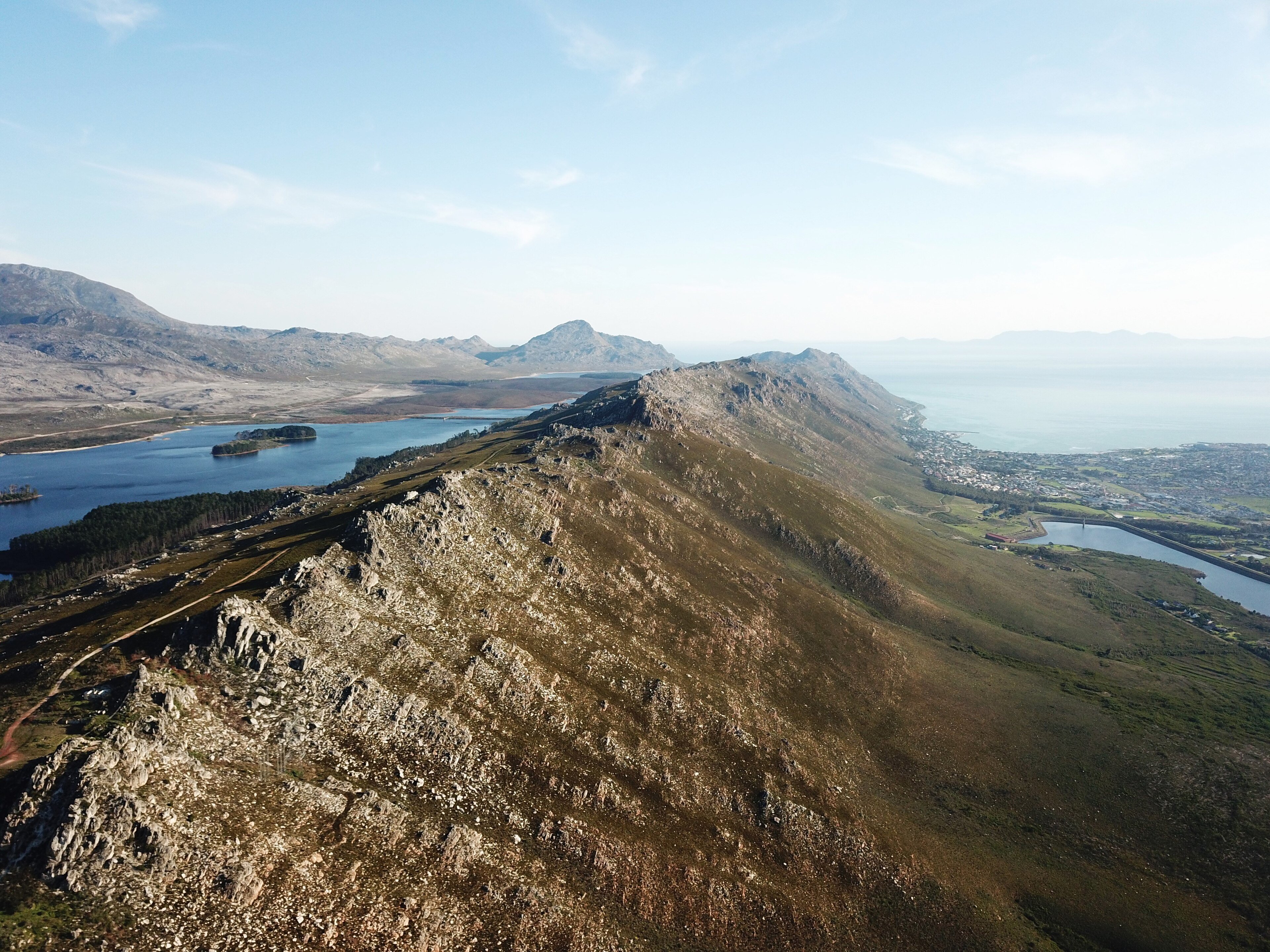
Photo: Tadpolefarm / Wikimedia Commons, CC BY-SA 4.0
In 2022, the worst year of blackouts at the time, the numbers were striking. Eskom cut power across the country for about 3,000 hours. The city says it shielded its customers from more than 1,700 of those hours, nearly 60% of the total.
That is what local control looks like. The same grid, the same Eskom, but a city that planned ahead.
What does the power cost compared to Eskom?
Hessequa gives the clearest answer, because its plant has been running for just over a week.
The town of Riversdale now has 10 MW of solar panels and a 10 MWh battery. It cost just over R200 million. It can make up to 15 million units of electricity a year.
Alwie Lester, the Premier's energy adviser, told EWN the town pays Eskom about R3 a unit. With its own solar and battery, he says, the cost drops to about R2.80 a unit. He expects the plant to pay for itself in about six years.
Then there is the bill. Hessequa is holding its increase for residents to 7%, EWN reported, while Eskom raised its own prices by 9%.
| Riversdale (Hessequa) | Atlantis (Cape Town) | |
|---|---|---|
| Switched on | 30 September 2026 | 8 October 2026 |
| Solar | 10 MW | 7 MW, can grow to 10 MW |
| Battery | 10 MWh | 5 MW, 8 MWh (tendered) |
| Reported cost | Just over R200 million | About R200 million (solar build) |
| Who owns it | The municipality | The city |
Two councils, a week apart, both doing what the national utility could not do for them.
What is the Western Cape's 5,700 MW plan?
Atlantis is one piece of a much bigger plan.
The province wants 5,700 MW of new power by 2035. Its Energy Resilience Programme mixes private wind and solar farms, rooftop panels, council plants like Atlantis and new grid lines.
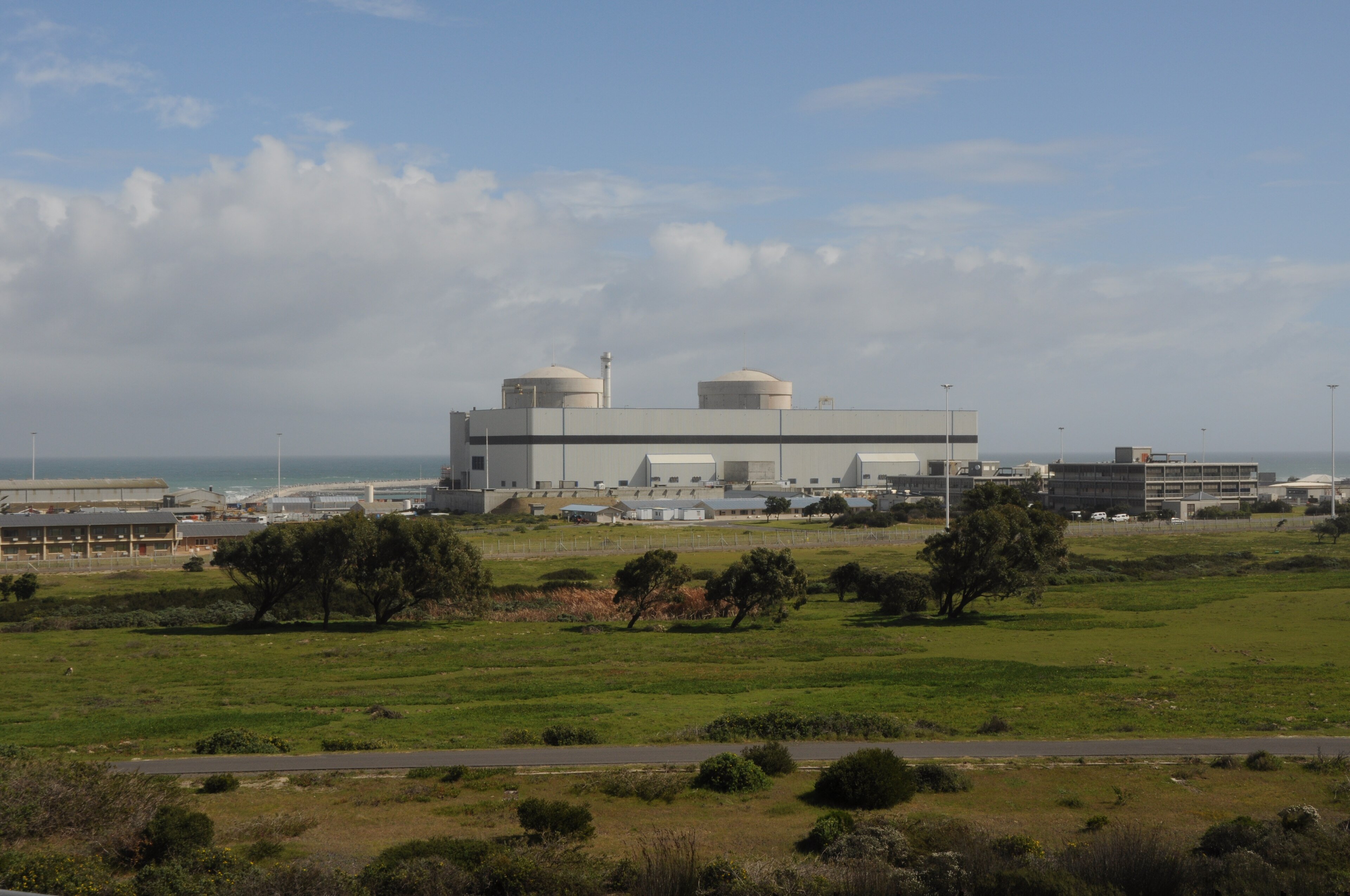
Photo: Paul Scott from South Africa / Wikimedia Commons, CC BY-SA 2.0
At a council meeting on 31 July, Lester said 1,800 MW could be installed in the region in this financial year alone, if work keeps its pace. At that speed, he said, the province would reach its goal well before 2035.
About 2,000 MW of council-backed projects are already out to the market, the province says. Homes and businesses have also signed up 220 MW of rooftop solar with their councils.
And in March 2025 the province went further. It said the Western Cape could start selling extra green power to the rest of the country by 2032.
Winde has said load-shedding has eased but the country is not out of the woods yet. That is exactly why the Cape is not waiting.
Can the Western Cape really run without Eskom?
Not overnight. Riversdale and Atlantis both stay plugged into the Eskom grid as a backup. Critics will say that proves the Cape still needs the centre.
It proves the opposite. Every new megawatt the Cape builds is one less megawatt it has to beg for. Every council plant is a step from depending on Pretoria to trading with it as an equal.
We made the full case for a self-governing Cape here, and the energy story fits it neatly. Independence is not a single vote. It is a long list of things a place learns to do for itself, and power is near the top of that list.
If you have ever wondered where your money goes on a council bill, our plain guide to a real municipal bill shows how big a share electricity takes. That is the share local power can start to shrink.
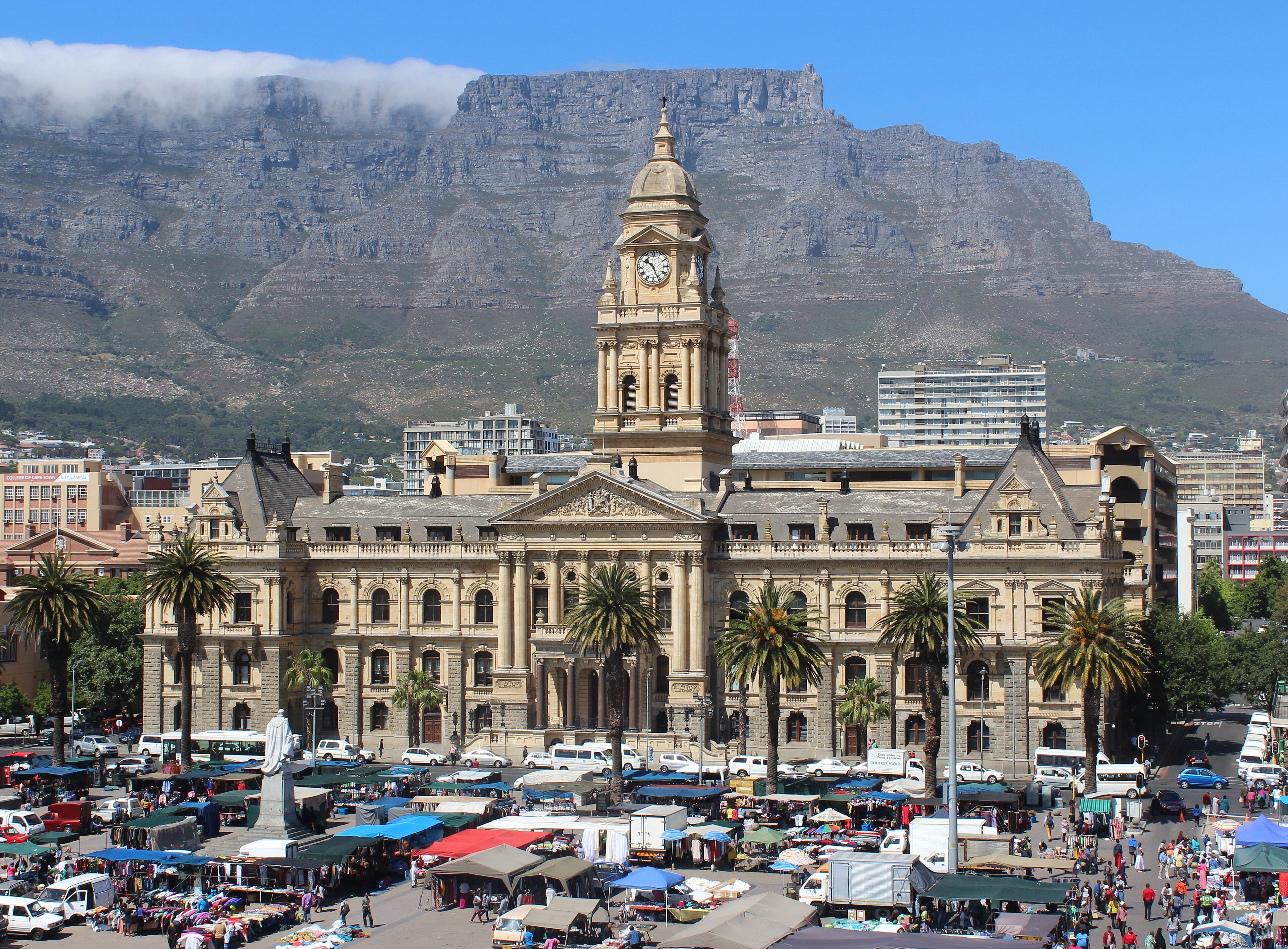
Photo: Martinvl / Wikimedia Commons, CC BY-SA 4.0
What does a self-sufficient Cape look like?
It looks like Atlantis on a Thursday in October.
The province set a target and says it is ahead of it. The city kept the lights on for most of the worst blackout year. Down the coast, a small town makes power for less than Eskom charges it. And Cape Town now owns two power plants, one in the mountains and one in the sun.
Nobody had to ask permission for any of it. It took a plan and leaders who saw it through.
That is the Cape case in one picture. The province does not need to ask what a self-reliant Western Cape would look like. It can drive out to Atlantis and see it, 12,850 panels wide and still growing.
Sources10
- Premier Alan Winde on switching on the Helderhoop Energy Plant in Atlantis (8 Oct 2026)
- Engineering News, Construction begins on Cape Town solar PV plant, battery storage tender released (Oct 2024)
- Engineering News, Cape Town's own-build solar plant on track (2025)
- Energize, Cape Town issues tender for battery storage at new solar plant
- City of Cape Town, Customers protected from more than 1,700 of Eskom's 3,000 hours of load-shedding (Dec 2022)
- Western Cape Government, Hessequa Municipality celebrates energy first (1 Oct 2026)
- EWN, Riversdale solar plant cuts Eskom reliance and lowers electricity costs
- EWN, Western Cape government on track with energy security plans (Aug 2026)
- Engineering News, Western Cape set to meet new energy target ahead of schedule (Aug 2026)
- Engineering News, Western Cape could start exporting renewable power by 2032 (Mar 2025)
The week's biggest stories, every Monday
One email. The stories everyone will be talking about, before they do.
Free. One email a week. Unsubscribe anytime.Keep reading
 PoliticsThe Cape independence push Pretoria can't ignore
 PoliticsTrump's Russian diesel deal, converted into barrels, and the backlash
 PoliticsParliament will debate rejoining the EU on Monday. The petition, the numbers and the row