22 storiesCape independence
The case for a self-governing Western Cape, from energy and jobs to tourism and safety. Our daily column and the latest news.
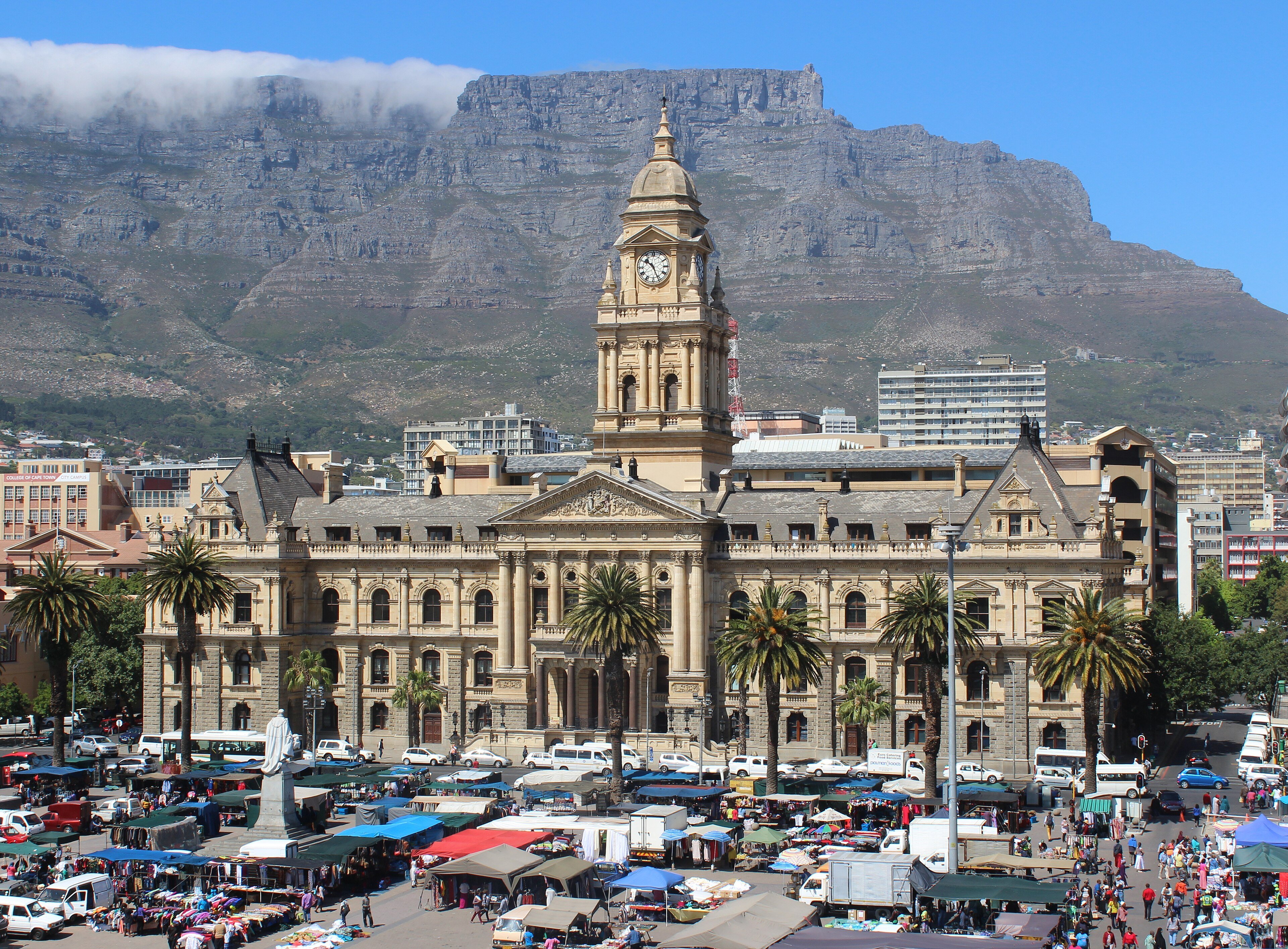
On 4 November, 3,456,591 registered voters in the Western Cape elect the councils that run water, refuse and roads, the same party that has kept Cape Town for over 20 years on the back of clean audits. That vote changes nothing about policing, passenger rail or the province's own tax money. SARS data show the Western Cape pays 15.5% of South Africa's tax but gets back only 10.4% of the national equitable share. Our daily column argues the record built at this ballot box is the strongest case yet for giving the Cape the rest of the power too.
Read the story
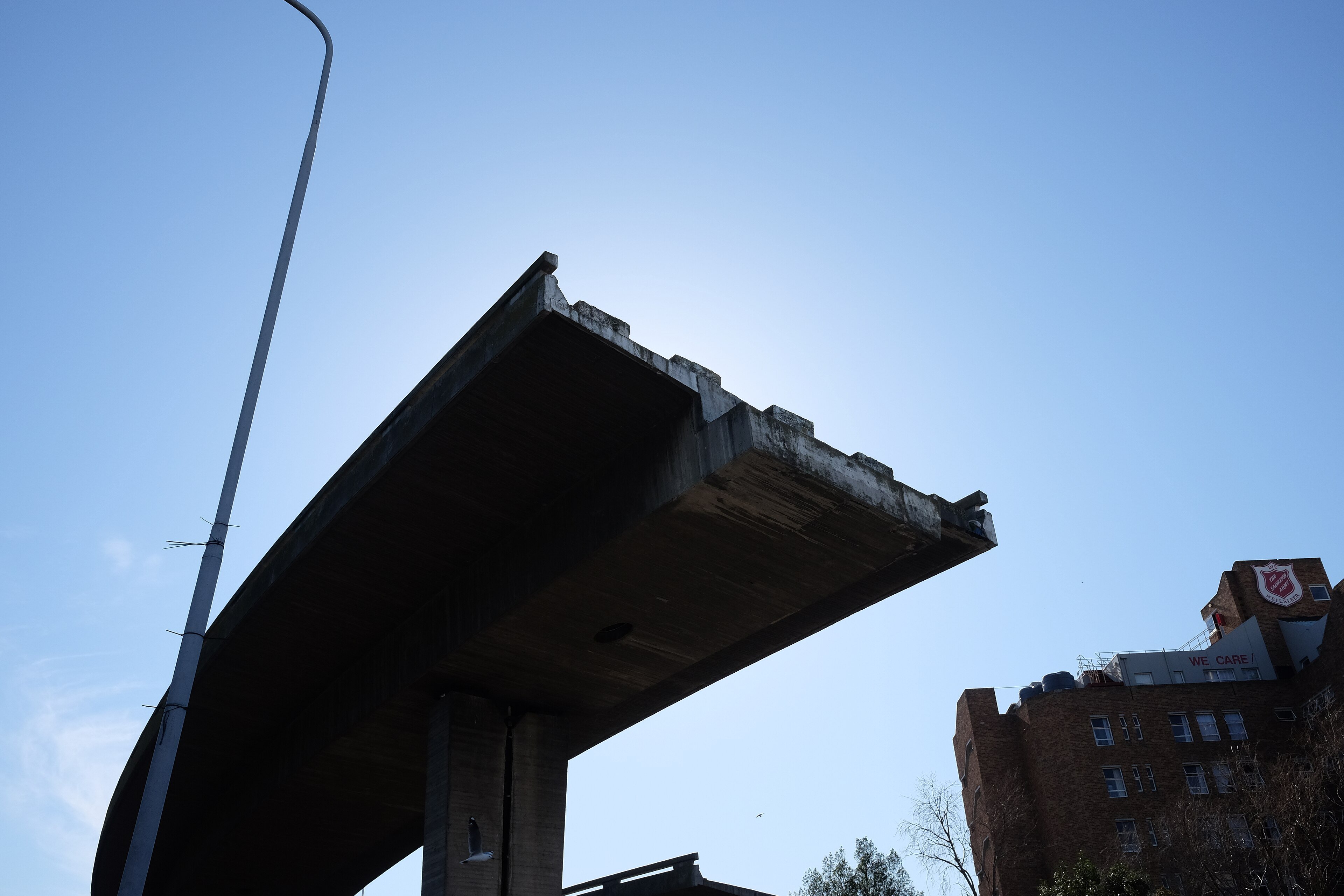
The City of Cape Town spent a record R12.24 billion on roads, pipes and power lines in the year to June 2026, more than double what it spent in 2021. Nationally, municipalities had spent only 36% of their yearly capital budgets by the halfway mark of the same year. Our daily column argues the government that finishes what it builds, with clean books behind it, should hold the money and the decisions for Cape roads, pipes and power.
Read the story

South Africa sold R9.8 billion worth of wine last year, almost all of it from the Western Cape, plus a record citrus harvest, a near-record rooibos crop and hundreds of thousands of tonnes of table grapes. Washington must say by 2 November whether South Africa keeps its US trade benefits. The province that grows and ships the goods has no seat at that table.
Read the story
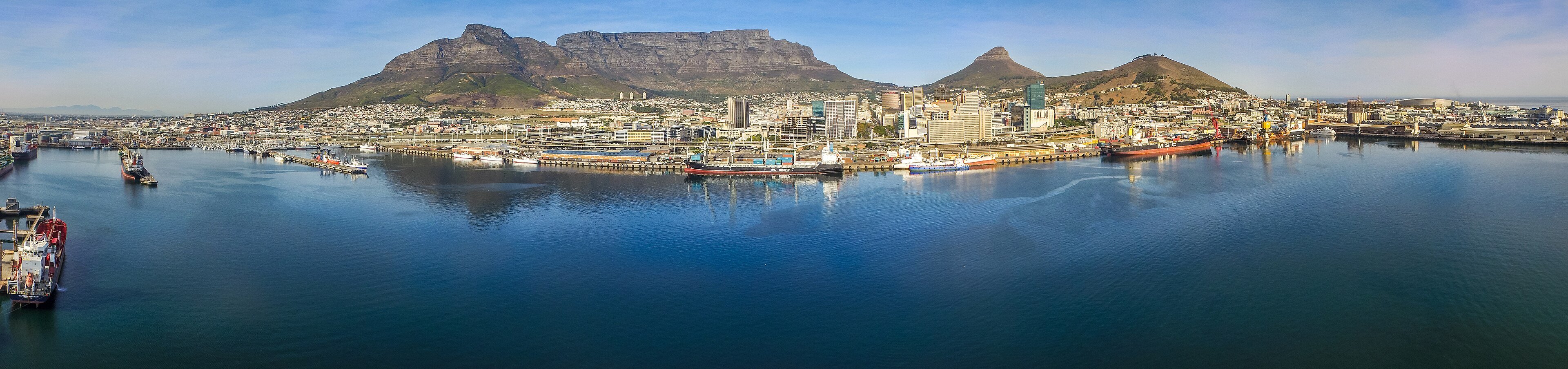
The Port of Cape Town was ranked the worst container port on earth in 2025. The fruit growers who lost R4.25 billion when ships queued and cranes stalled are all in the Western Cape. The company that decides how the port is run, Transnet, is not.
Read the story
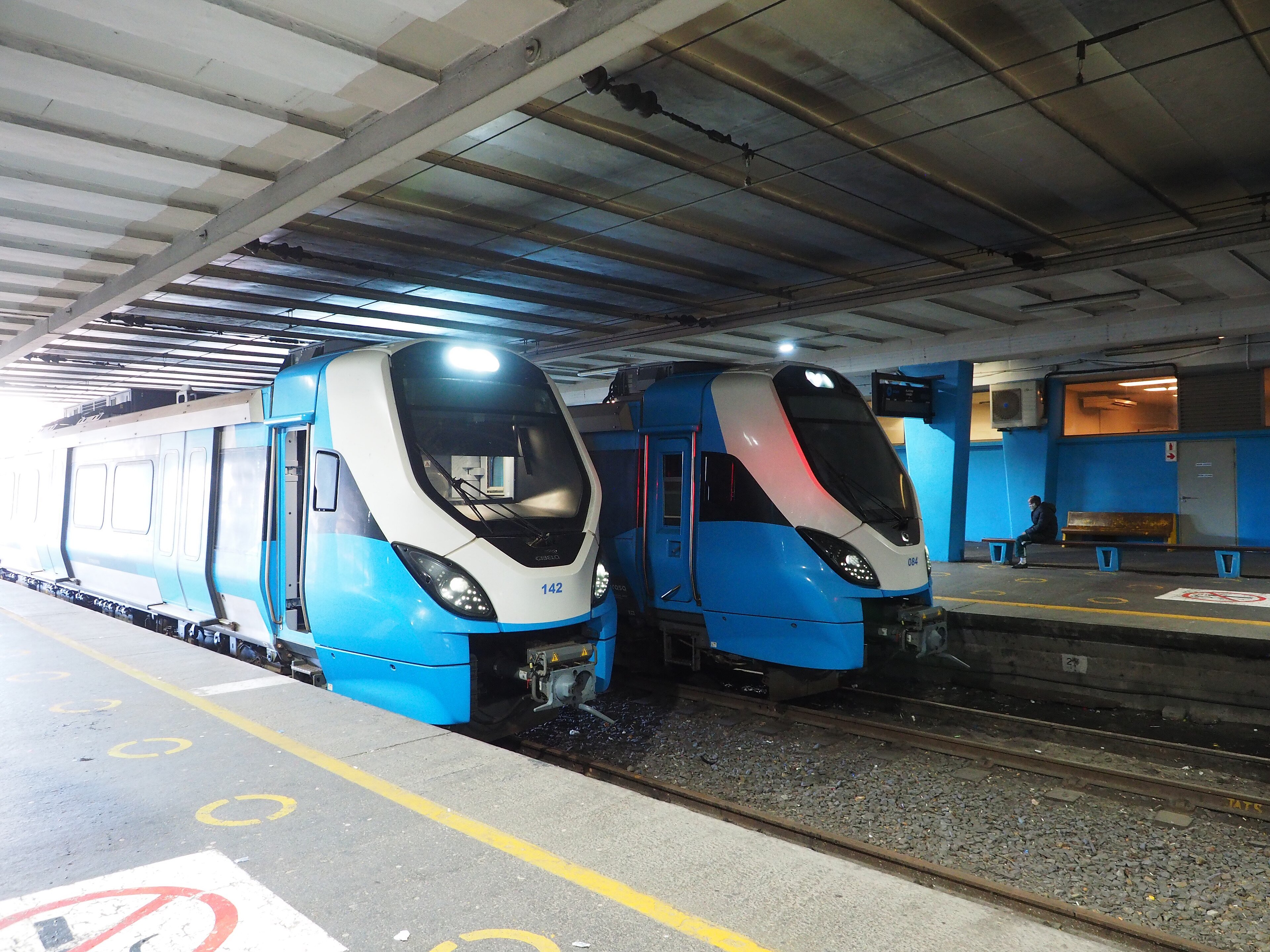
Cape Town is the only metro in South Africa with a full feasibility study and business plan to take passenger rail over from PRASA. Daily train trips fell from about 600,000 in 2003 to a low of 133,000 in 2022, before climbing back to about 200,000 by March 2026. This column makes the case for a Cape-run railway that puts money back in commuters' pockets.
Read the story
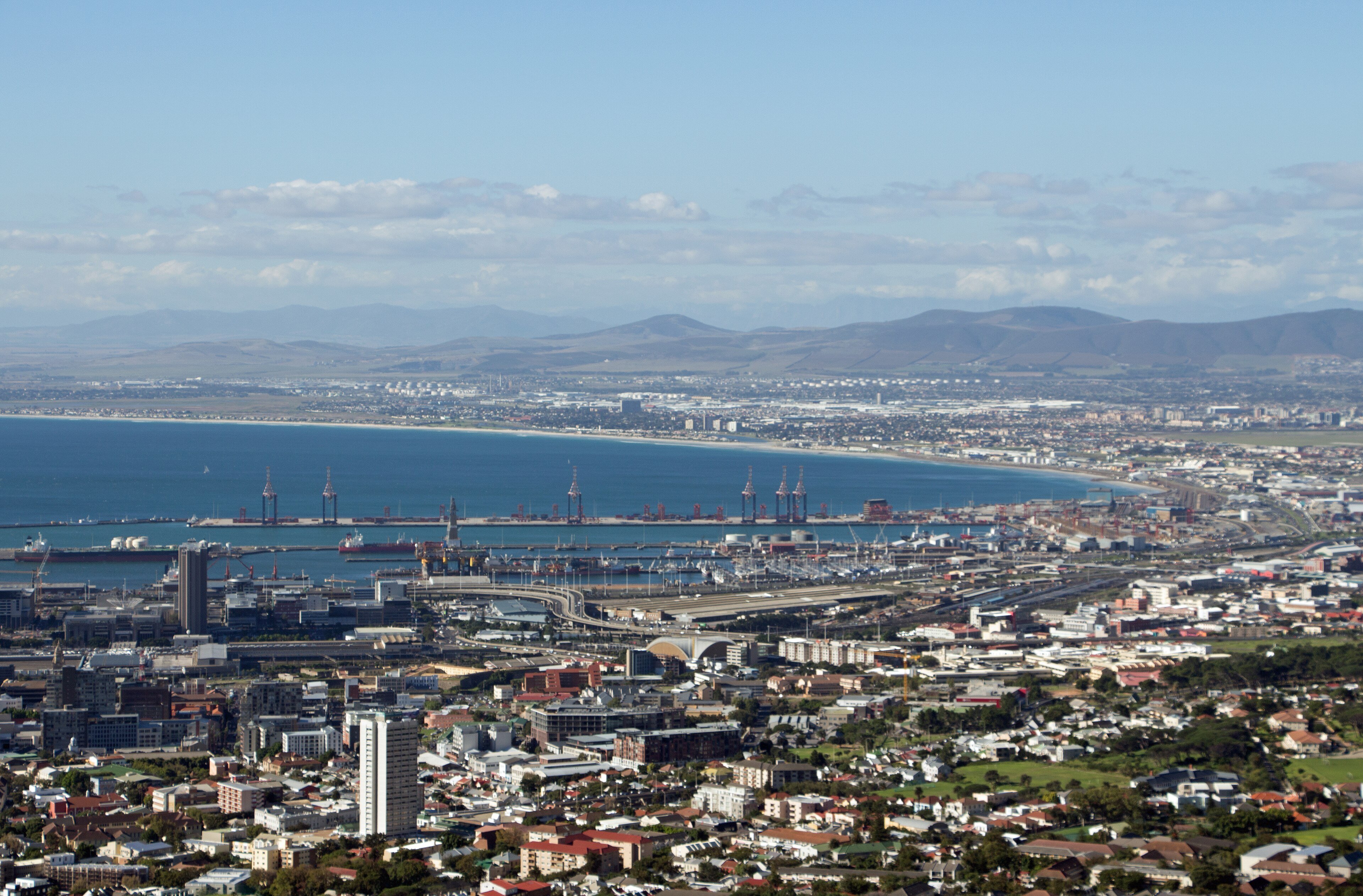
Singapore went from US$517 a person in 1965 to US$98,814 today. We took its 10 big moves, from jailing corrupt ministers to owning your own home, and applied each one to the Western Cape using real numbers on its port, water, power, crime, trains, schools and jobs.
Read the story
A line by line look at what a Western Cape household pays for electricity, food, fuel and rates each month, set against the national picture, and how much of that bill is decided in Pretoria rather than Cape Town.
Read the story
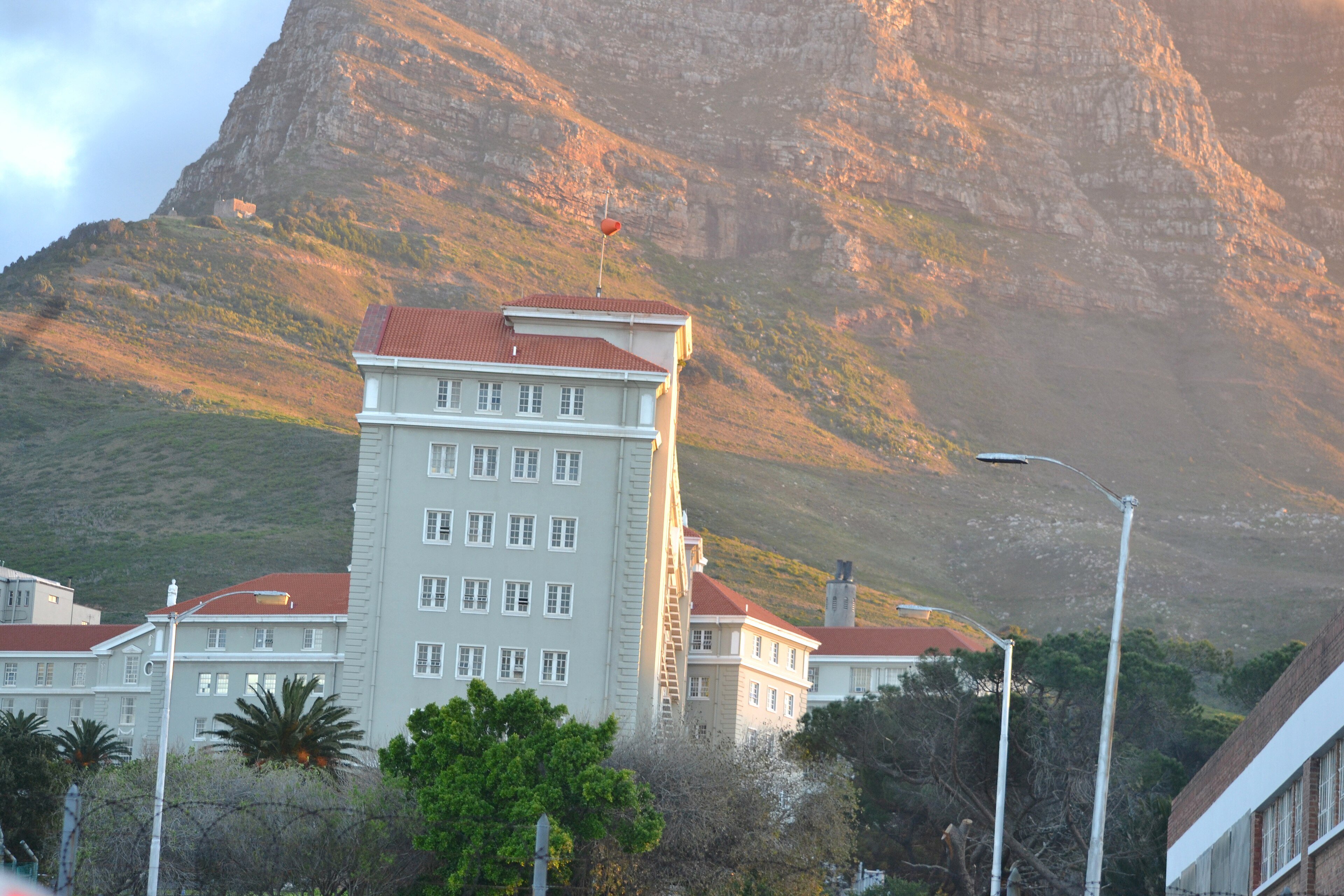
The Auditor-General found only one of South Africa's nine provincial health departments earned a clean audit for 2025/26, the Western Cape. Its people also live longer than anywhere else in the country. Our daily column lines up the Western Cape's health record against the national picture and argues the province has earned the right to decide how its own health money gets spent.
Read the story
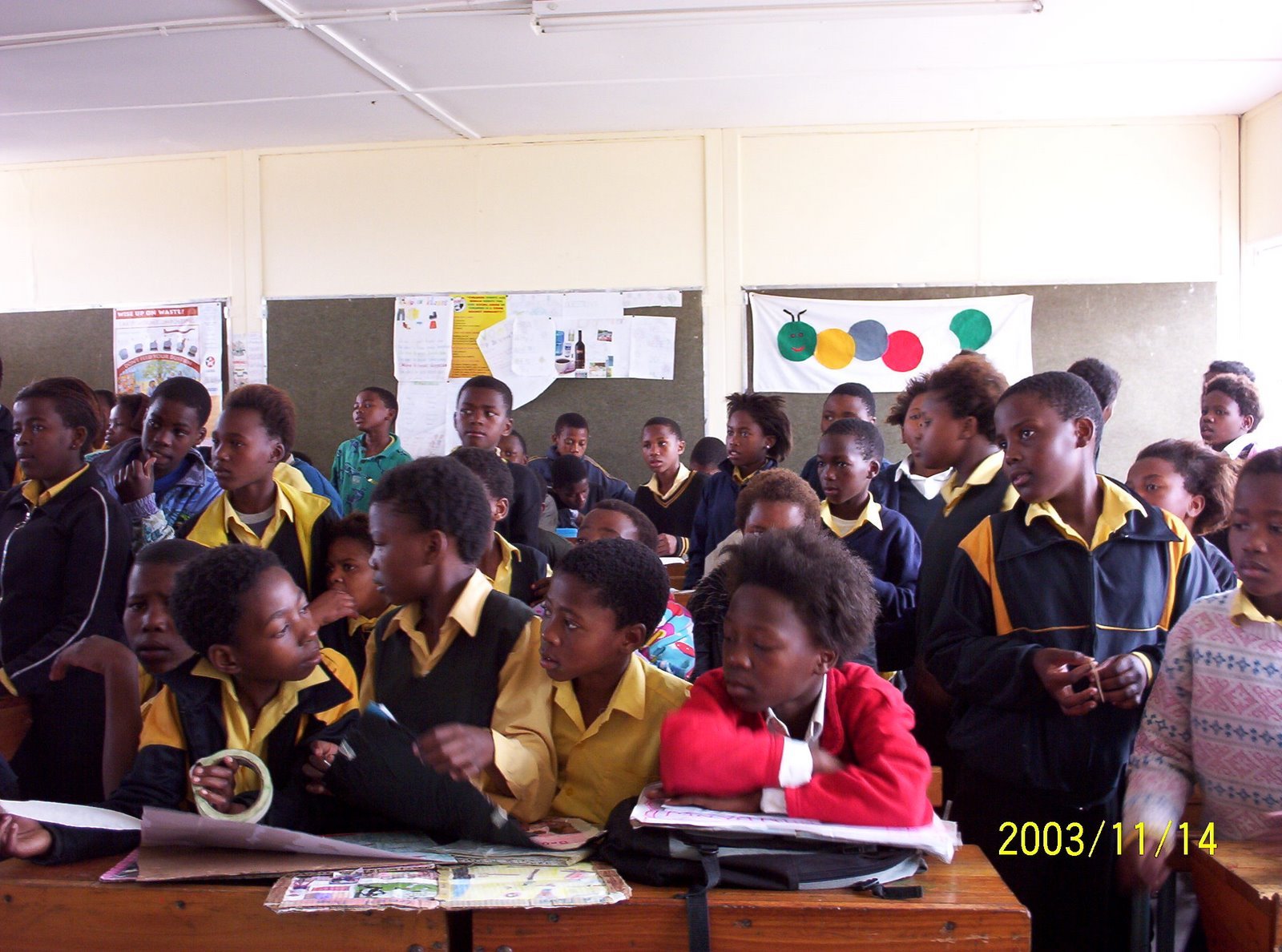
Western Cape pupils are writing their matric exams right now. The province's 2025 pass rate put it fifth of nine, a real number critics love to quote. But its bachelor's pass rate and its reading scores, the measures that actually show learning, put it at or near the top of the country. Our daily column explains why the headline rank is the wrong one to judge the Western Cape by.
Read the story
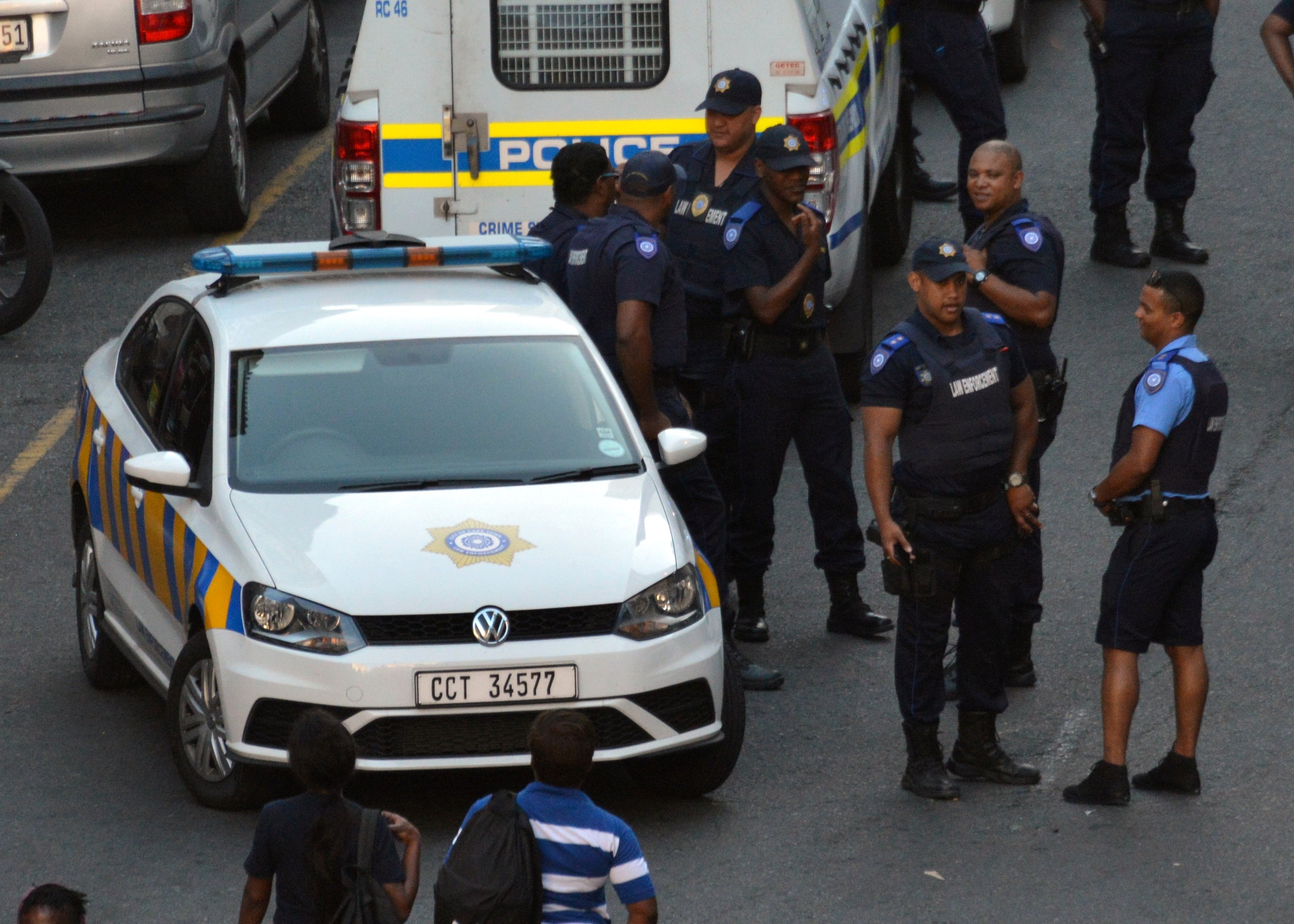
The Western Cape and the City of Cape Town have spent more than a decade and over a billion rand building their own law enforcement force, LEAP, because the national police service answers only to Pretoria. Our daily column lays out, line by line, who pays for policing in the Western Cape and who actually controls it.
Read the story
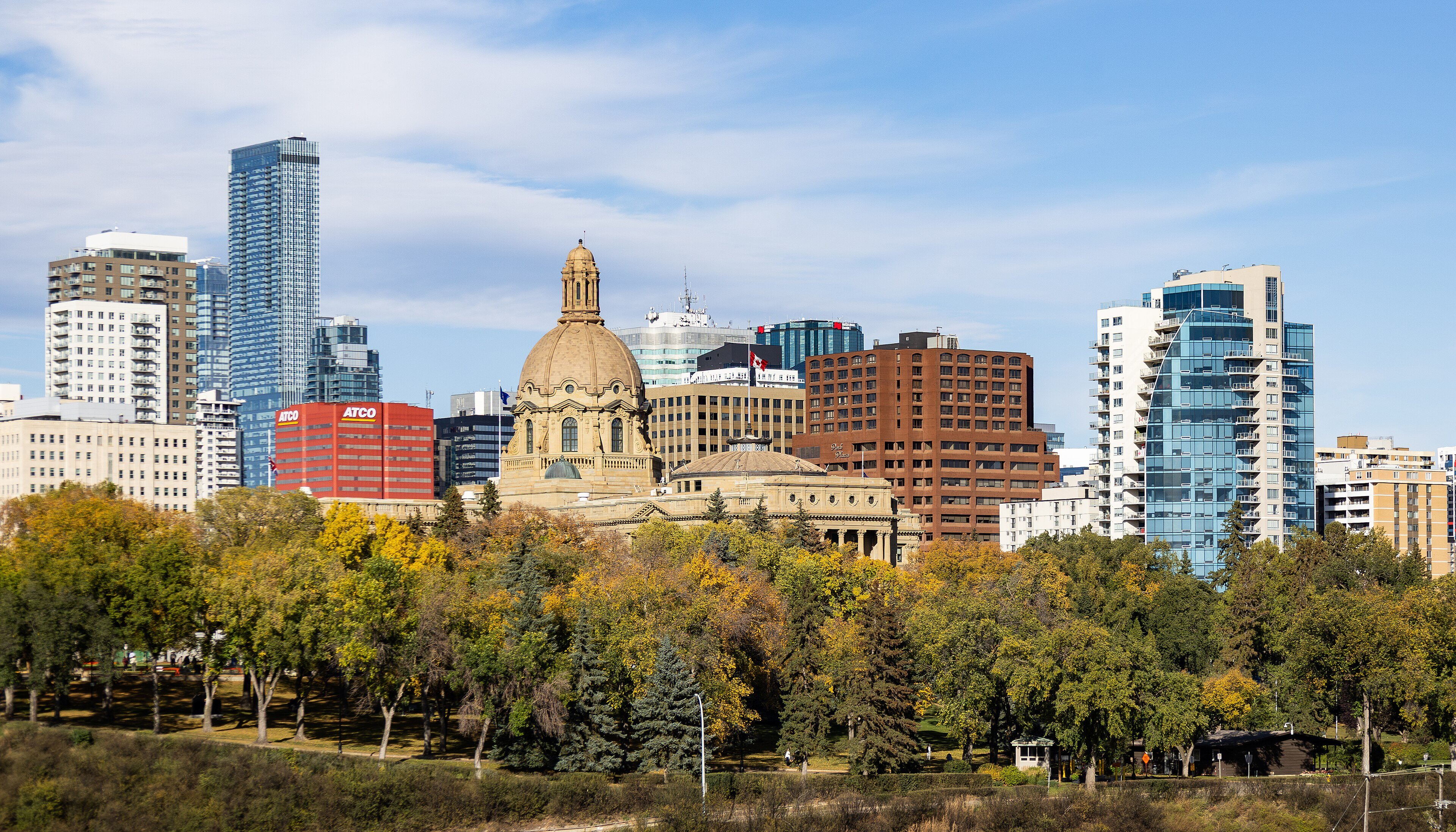
On 19 October 2026, Alberta put the question of leaving Canada to its own people, who said no by a wide margin. Canada did not break. Our daily column argues that asking the question is itself the democratic act, and that the Western Cape remains the one place that has never been given the chance.
Read the story

Alberta voted 75.3% to stay in Canada on 19 October 2026, despite paying Ottawa far more than it gets back. The fiscal numbers, the pension fight, and how the vote compares to Quebec 1995 and the Western Cape.
Read the story
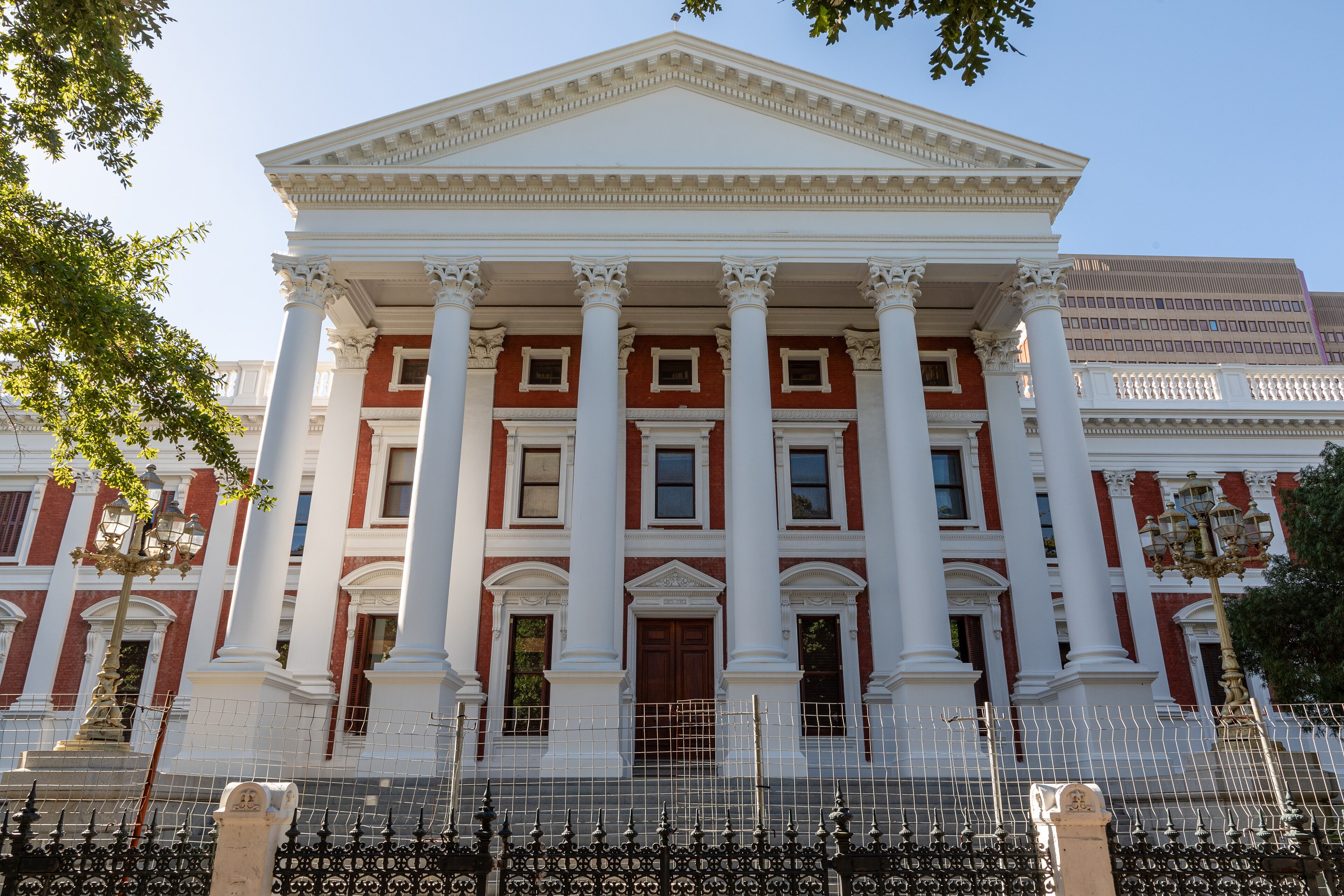
On 21 October 2026, Finance Minister Enoch Godongwana tables the mini budget in Parliament. The Western Cape gets no vote on its own share. Our daily column argues that a province sending in more tax than it gets back has earned its own treasury.
Read the story
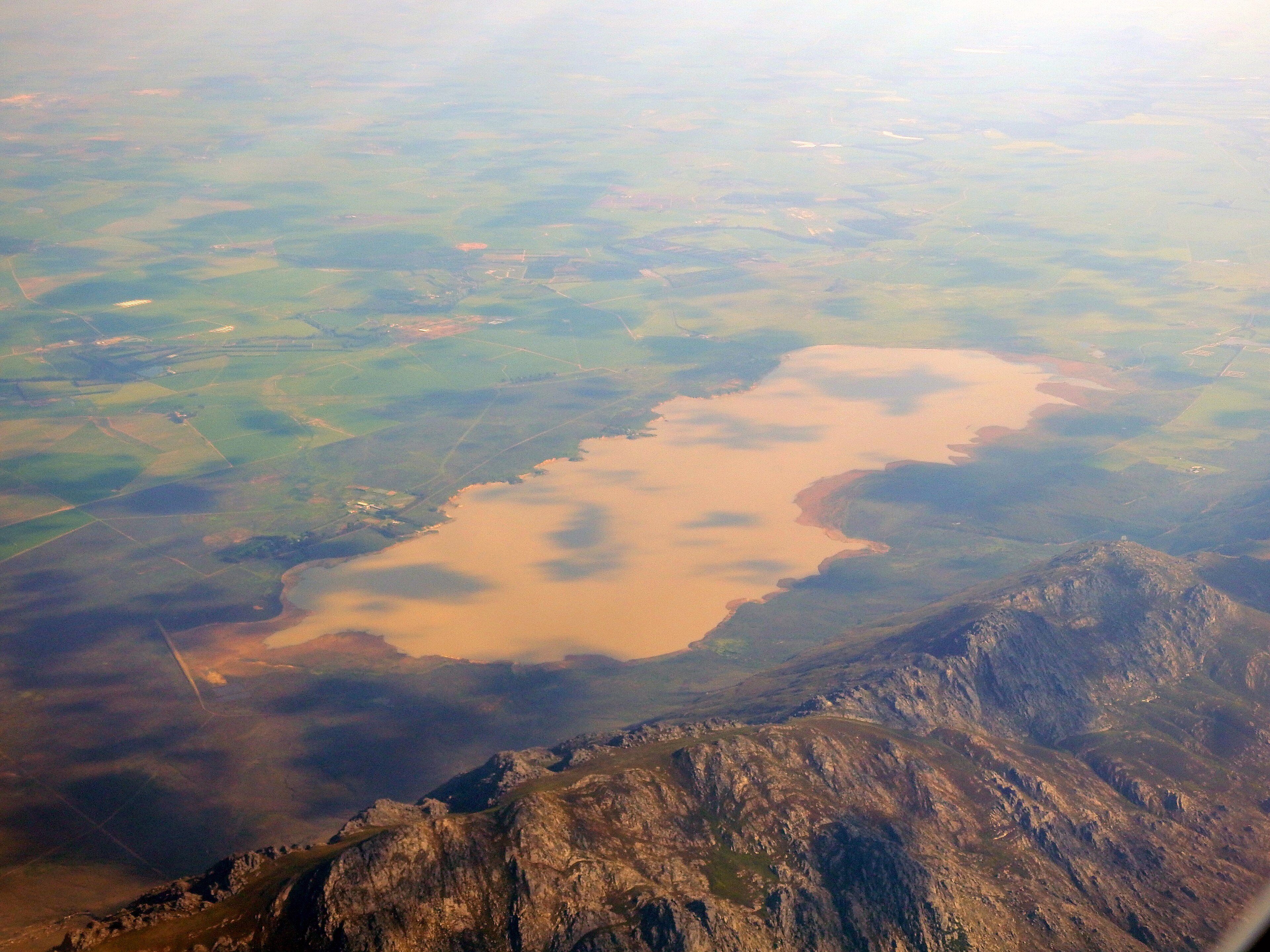
In 2018 Cape Town stared at Day Zero. Today three in four Western Cape homes report no water cuts, while Rand Water warns that Gauteng taps can run dry. A province that fixed its own crisis has earned the right to run its own affairs.
Read the story
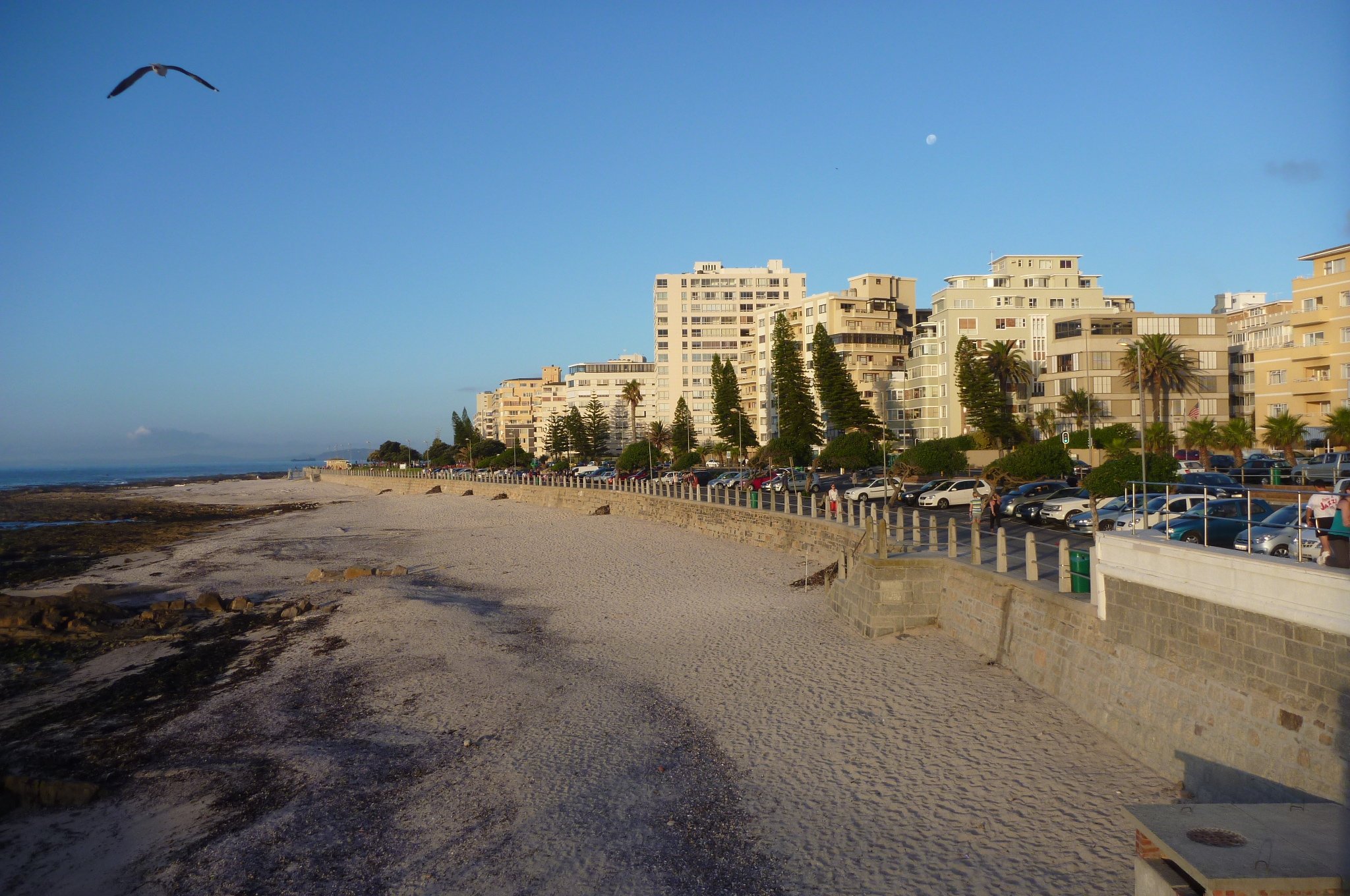
Stats SA says the Western Cape gains more newcomers than any province except Gauteng. Its people live the longest, its dams are fuller than Day Zero ever let anyone hope, and its matrics just set a record. The price tag is real. So is the reason people pay it.
Read the story
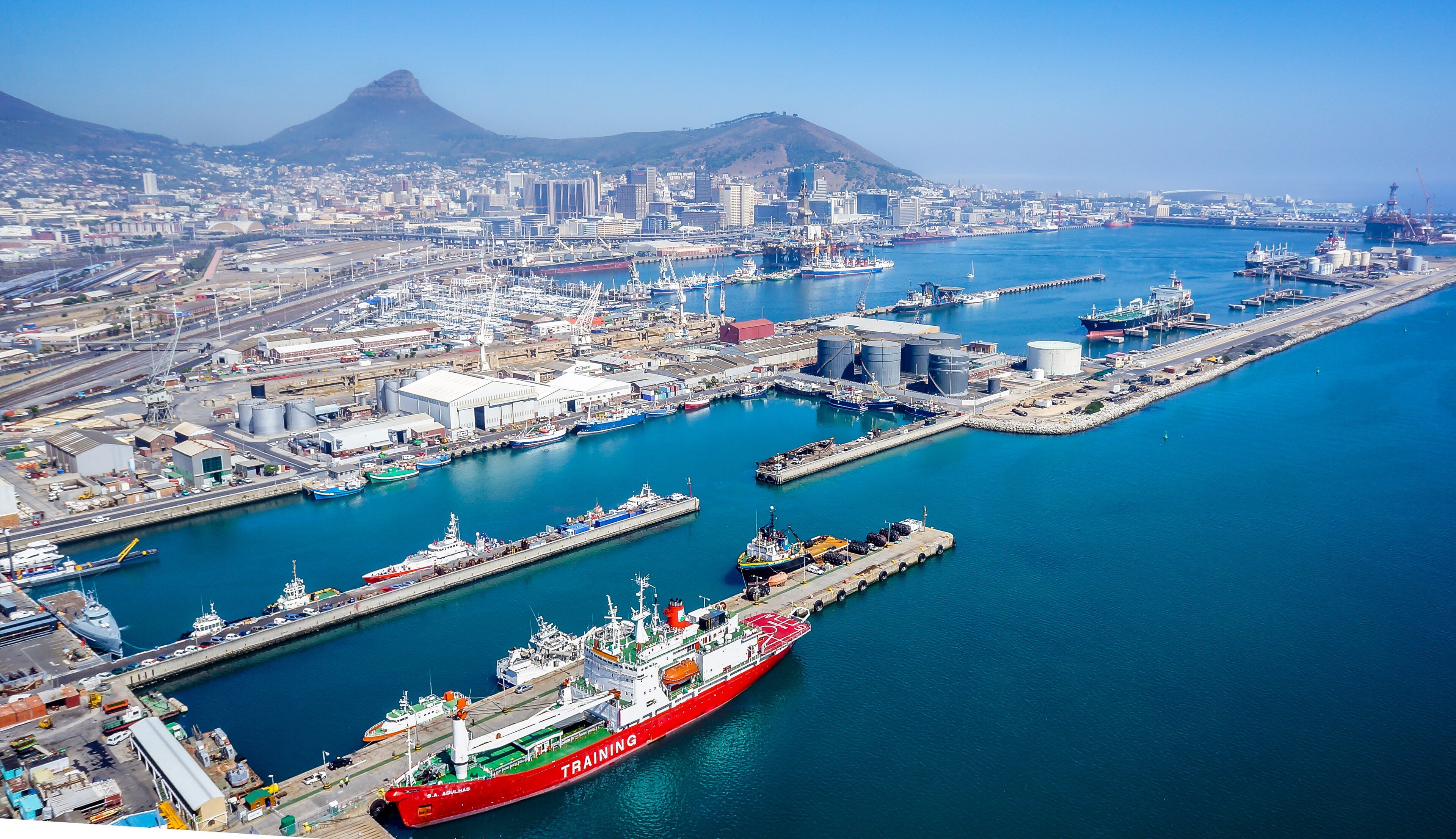
The Western Cape sold R219.7 billion of goods to the world last year, led by citrus, apples, grapes and wine. Its port was ranked last on earth and its farmers pay US tariffs set over Pretoria's politics. This column argues a Cape that ran its own port and signed its own deals would trade even better.
Read the story
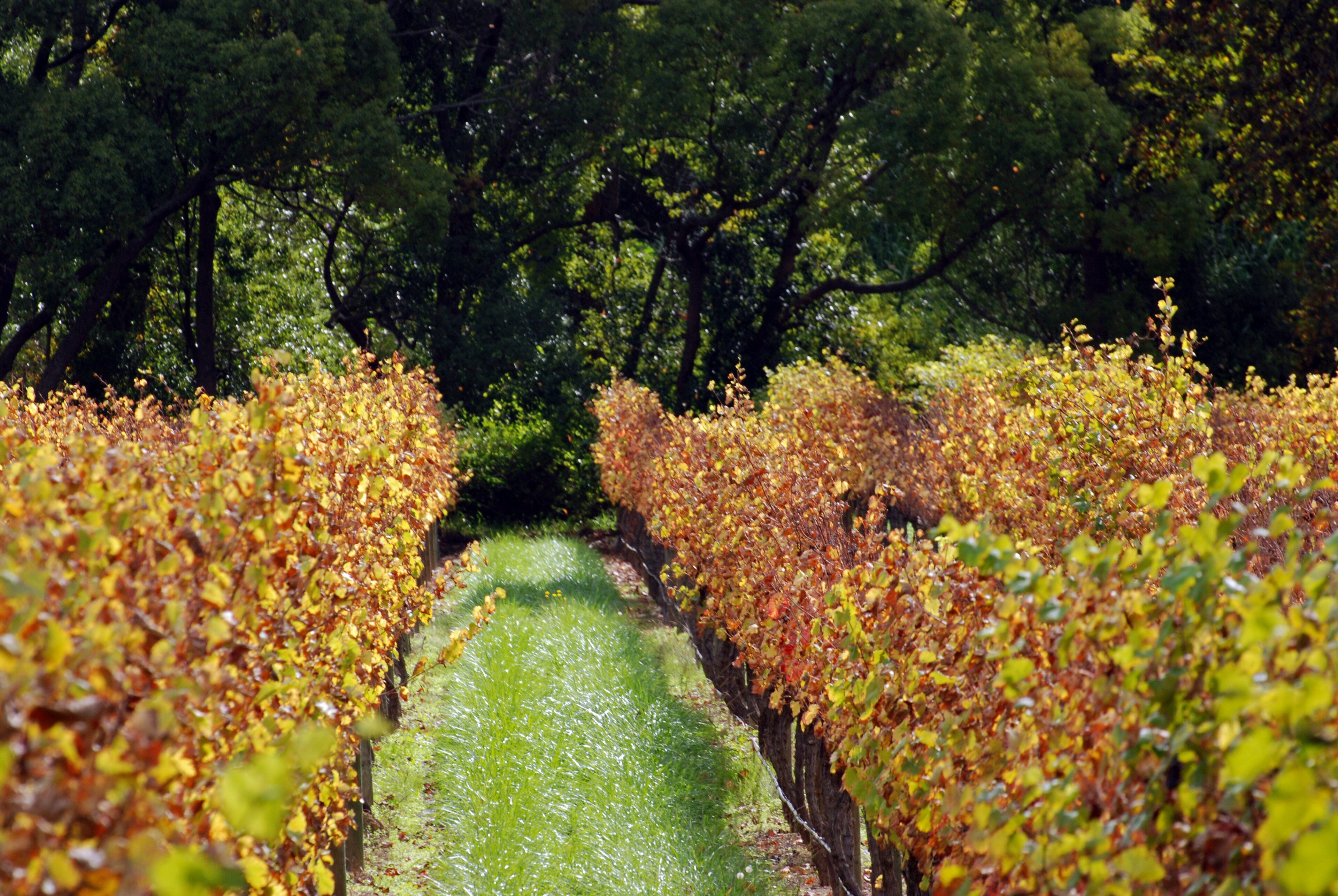
The Western Cape's unemployment rate is 19.5%. The country's is 33.6%. In the year to June, South Africa lost 68,000 jobs while the Cape gained 91,000. People and businesses keep moving here. In our daily column, we argue that the Cape already works like a jobs engine, and could do far more with its own policies.
Read the story
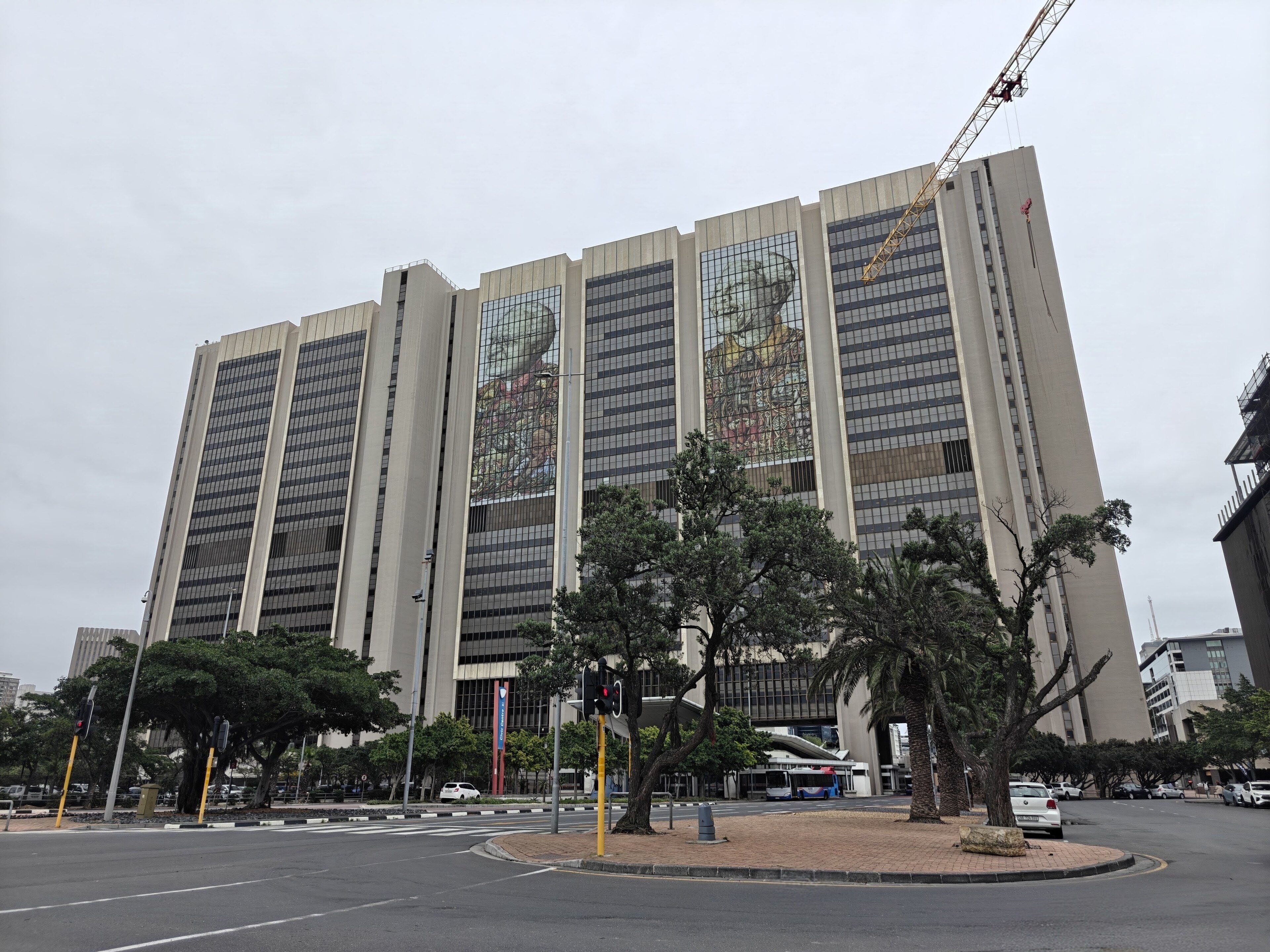
The Auditor-General's latest reports put the Western Cape far ahead of every other province. It has more than half of all clean municipal audits in the country and the most clean audits among provincial departments. Its homes also get the best basic services. In our daily column, we argue that a province that already runs clean books has earned the right to run itself.
Read the story
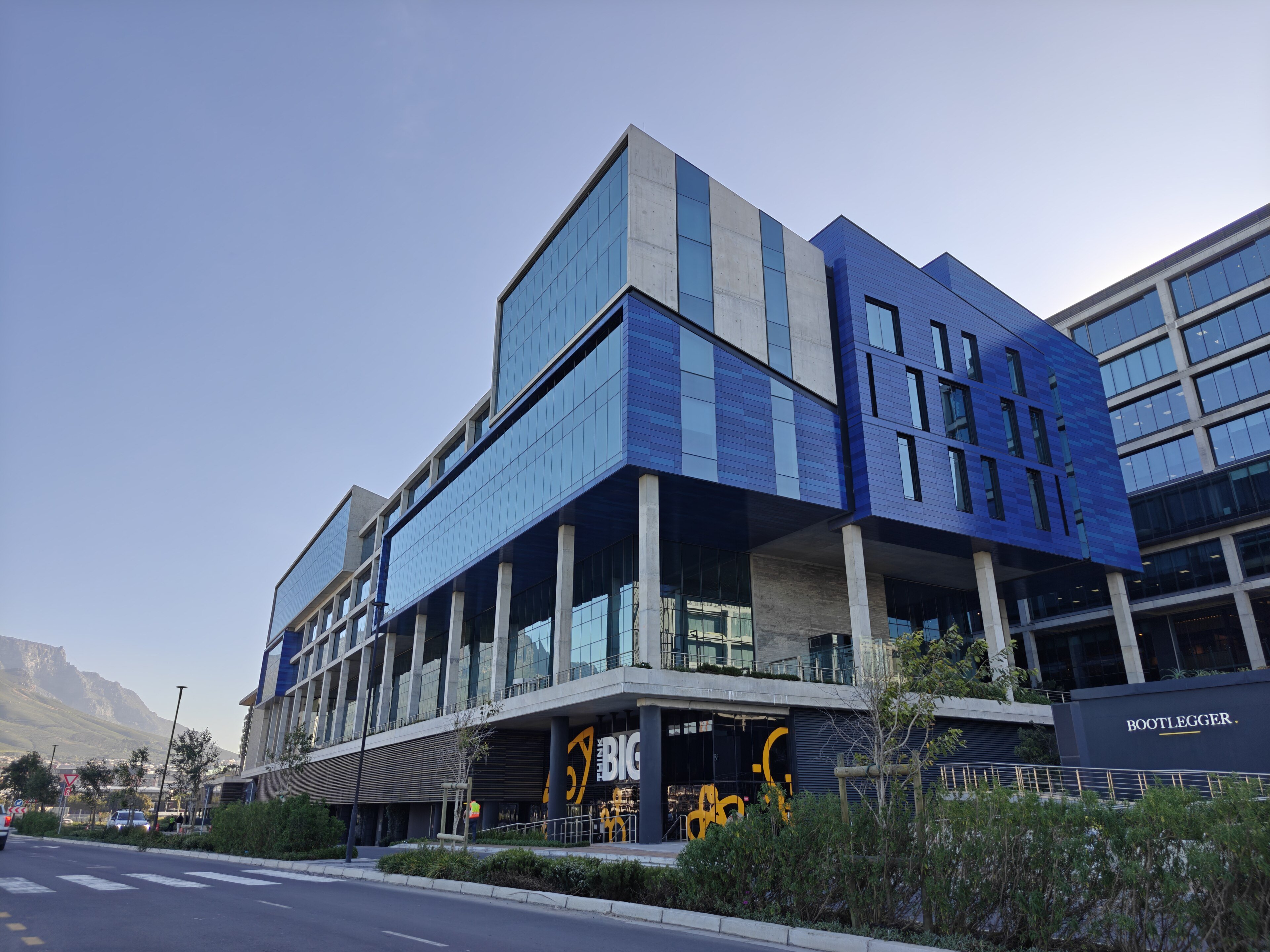
Amazon runs its Africa base from Cape Town. Foreign firms put an estimated R87 billion into the city in ten years. Cape startups win half of South Africa's venture money, call centres hire by the thousand and Hollywood keeps coming back. In our daily column, we argue that investors trust the Cape's governance, and that a self-governing Cape could offer them its own terms.
Read the story
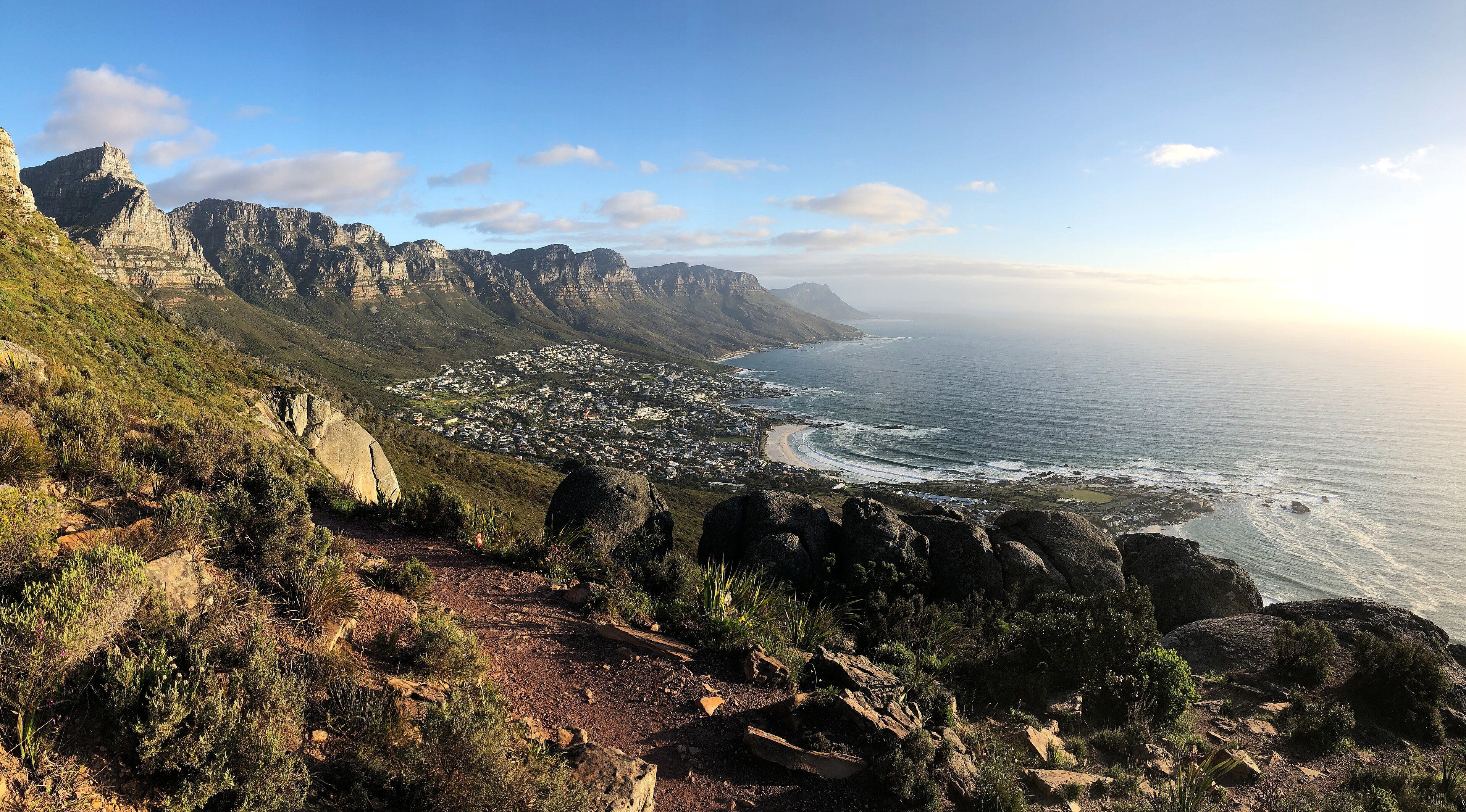
Cape Town's airport handled a record 11.1 million passengers in 2025, and foreign tourists spent almost R26 billion in the Western Cape. The city keeps winning "best city in the world" awards. In our daily column, we argue that a Cape running its own affairs could market itself, set friendlier visa rules and keep more of what its visitors spend.
Read the story
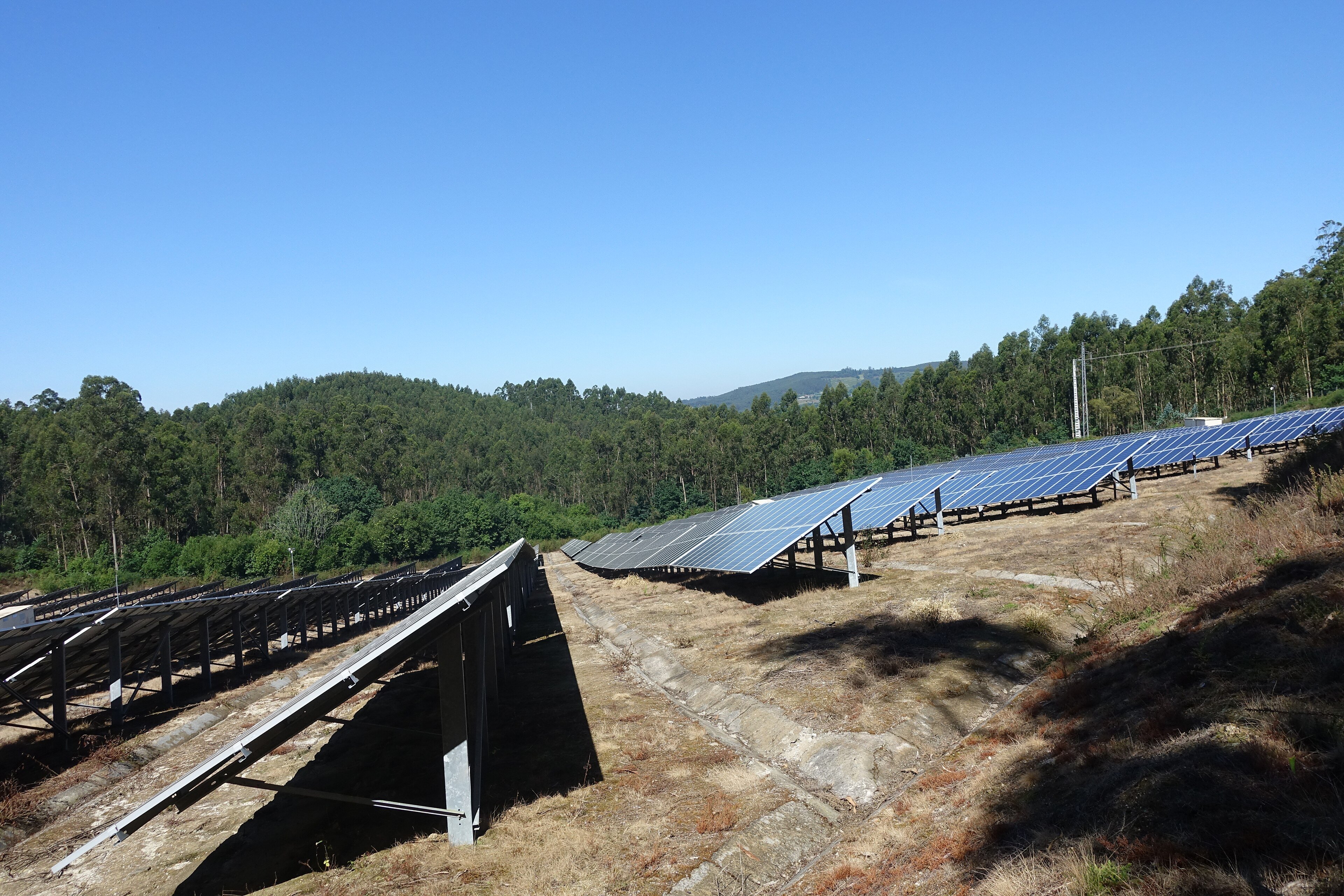
Cape Town has switched on a solar plant it built, owns and runs itself, the first big city in South Africa to do it. Here is how big it is, what it cost, why Cape Town already dodged most load-shedding, and why it shows the Western Cape can stand on its own.
Read the story
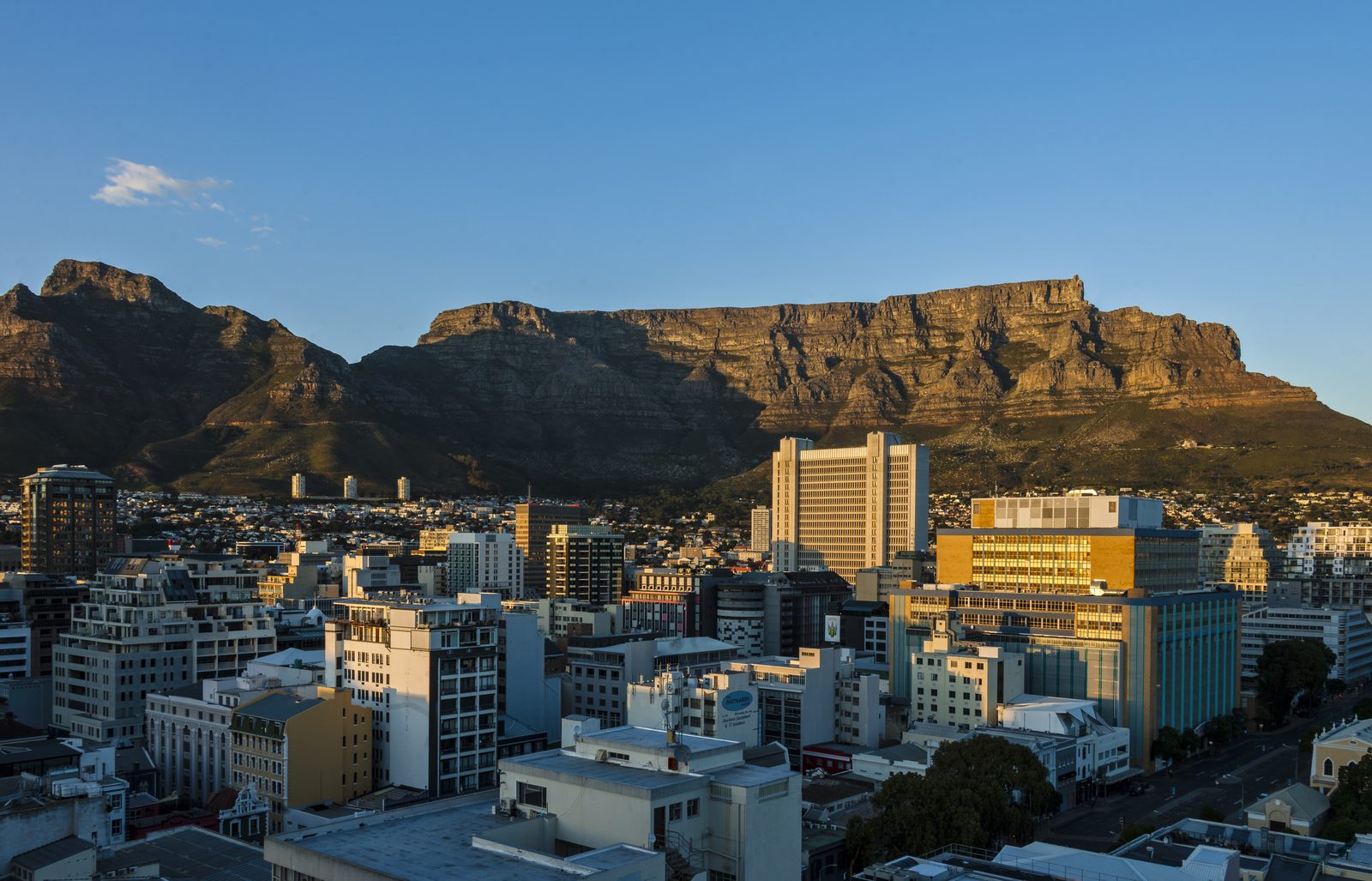
The president has ruled out a vote. Activists have written to Donald Trump. And a poll says most Western Cape voters want a say on leaving South Africa.
Read the story