Lewis Hamilton will race until he is 45. He wants one race Africa hasn't had since 1993.
The most famous driver alive just rearranged his retirement plans for a race that does not exist yet. The track that does exist, in South Africa, was not invited.
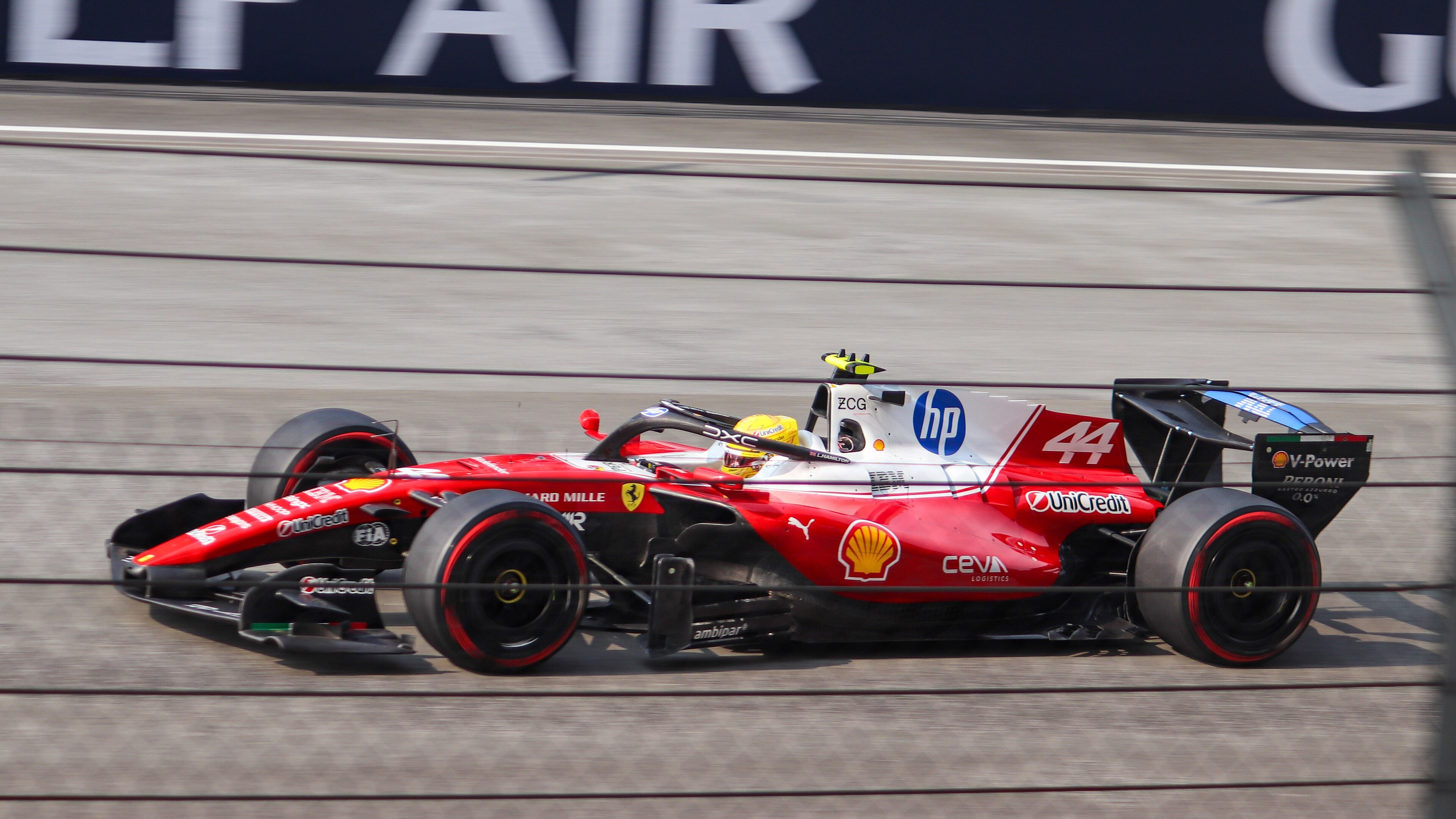
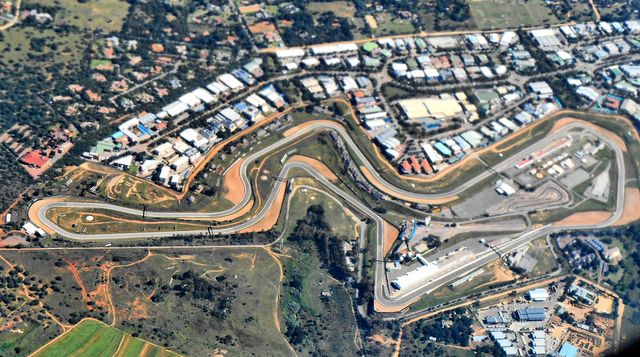
Photo: Liauzh / Wikimedia Commons, CC BY-SA 4.0
- Hamilton turns 45 the year Rwanda's circuit is due to open
- He made the vow in Austin, not at a press stunt
- Kyalami held the last African race in 1993 and is not that track
Lewis Hamilton is 41. He is a seven-time world champion, the most recognised driver on the grid, and he has just told the world he is willing to keep racing deep into his 40s for one reason.
"I'm now forced to have to stay a lot longer because we have a race in Africa, and that's been my dream, to be able to race in Africa," Hamilton said on Friday 23 October 2026, speaking to reporters in Austin, Texas, ahead of the United States Grand Prix.
He is not talking about a vague future. Formula 1 signed a 10-year deal on 13 October 2026 to bring an African Grand Prix to Rwanda, with the first race planned for the early 2030s. If that race lands in 2030, Hamilton turns 45 that same year. He would be racing an F1 car at an age when most champions have been retired for a decade.
Why does Hamilton have to wait until he's in his mid-40s?
Because the track he wants to race at has not been built yet. Rwanda's circuit is planned for Bugesera, about 40 km from Kigali, and construction had not started when the deal was announced. We covered the Rwanda deal itself, and South Africa's reaction to losing out, in our earlier story on why Kyalami was left behind.
Hamilton was careful to say fitness decides everything, not the calendar. "I'm going to have to keep fighting to stay fit," he said. "If I can keep punching out results over the next years, we will keep it going." His Ferrari contract currently runs through the end of 2027, with an option to extend to 2028, which is still years short of the race he is waiting for.
How many times has Formula 1 actually raced in Africa?
Twenty-four times, at three circuits, across 35 years, and then nothing for nearly four decades. That gap is the whole reason Hamilton is talking about racing into his 40s at all.
| Years | Circuit | Country |
|---|---|---|
| 1958 | Ain-Diab, Casablanca | Morocco |
| 1962, 1963, 1965 | East London | South Africa |
| 1967 to 1980 | Kyalami | South Africa |
| 1982 to 1985 | Kyalami | South Africa |
| 1992 to 1993 | Kyalami | South Africa |
| Early 2030s (planned) | Bugesera, near Kigali | Rwanda |
The very last of those races, the 1993 South African Grand Prix at Kyalami, was won by Alain Prost on 14 March that year. Plenty of our readers watched it live, and some remember the track from the 1960s and 1970s too, back when Jody Scheckter and the rest of the field roared past Kyalami's famous Crowthorne corner. Nobody in that crowd could have guessed the wait for the next African race would outlast most of their working lives.
 Read nextWho was the man next to Messi at the hotel window?
Kyalami was not even continuously on the calendar through those decades. F1 skipped it from 1986 to 1991, years when international sporting boycotts kept much of the world away from South Africa, before the sport came back for two final seasons in 1992 and 1993. That second return is the last one anyone alive has actually seen.
Why is the new race going to Rwanda and not back to Kyalami?
Kyalami did not lose because it was unready. It lost because the money and the calendar moved faster for Rwanda.
Kyalami's owner, Toby Venter, got the FIA to approve the circuit's Grade 1 upgrade design in June 2025, the licence level Formula 1 requires. Reported cost estimates for that upgrade vary widely, from $5 million to $10 million in some reports to R100 million to R180 million in others, but every estimate is a fraction of what a 10-year F1 hosting deal costs. Venter called the FIA approval "a defining moment for South African motorsport" and said the circuit was "ready for the return of Formula 1 to African soil."
Hamilton himself made the same point earlier in 2026, before the Rwanda deal was confirmed. "The current excuse is that there's not a track that's ready, but there is at least one track that's ready there," he said of Kyalami. "In the short term, we should just get on that track."
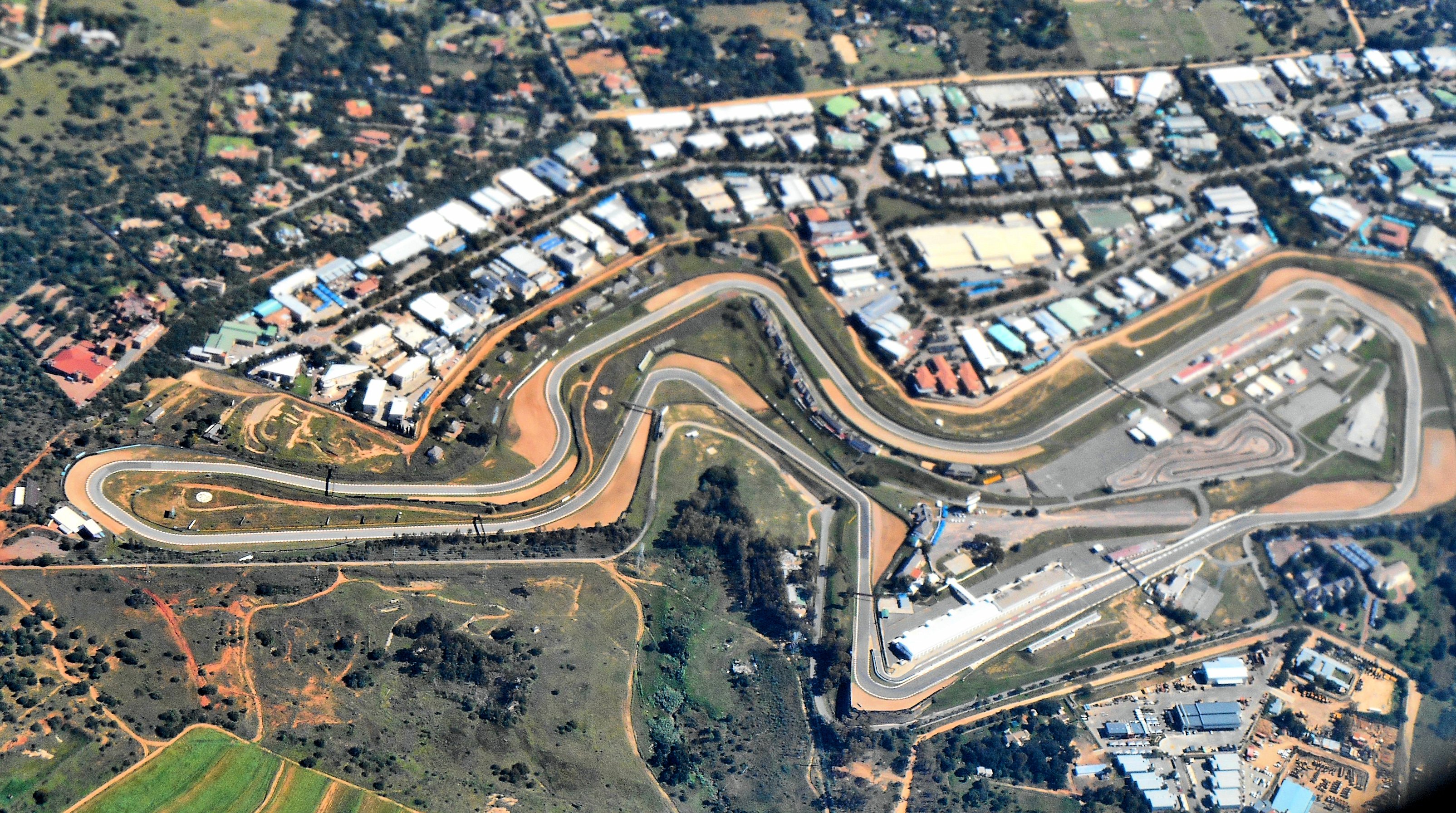
Photo: Ossewa / Wikimedia Commons, CC BY-SA 4.0
F1 chose Rwanda anyway. South Africa's sports minister, Gayton McKenzie, said on social media that Rwanda had "worked on it longer than SA and deserve it," while insisting South Africa could still land its own race before 2030.
Has Hamilton always wanted an African race, or is this new?
He has been pushing for this since at least 2023. At that year's Abu Dhabi Grand Prix, Hamilton said he was "working in the background to get South Africa on the race calendar" and called it "such a dream for me." He has described lobbying F1's own decision-makers directly, asking them plainly why the sport keeps adding races everywhere except Africa.
 Trending nowPinetown dad fires back at gunmen at his gate, and what the law says
Once Rwanda's selection became public, Hamilton did not simply celebrate. Asked about concerns over Rwanda as host, he said: "I don't get to choose where we go... there's problems all over the world today... I think we really have to approach it with humility." He added that the continent itself "deserves to have a grand prix," calling it "about more than just one country."
That is as close as Hamilton has come to picking a side between Rwanda and South Africa. He wants the race on African soil. Which specific track it lands on matters less to him than the fact that, after 1993, one finally will.
What has to go right for Hamilton to actually make it to the grid?
His own fitness, first. No F1 driver has stayed competitive into his mid-40s in the modern turbo-hybrid era, and Hamilton knows it. His current Ferrari deal only guarantees him through 2027 or 2028, years short of the race he is chasing.
The circuit has to catch up too. Rwanda's plan is still a design near Bugesera, with no ground broken and no confirmed year. Kyalami's design is already approved, its owner is already calling it ready, and it will likely spend the early 2030s a quiet 40 minutes from Johannesburg, listening to a seven-time world champion race on a continent it helped put on the map in the first place.
Get the stories that hit your pocket
Petrol, SARS, Eskom, grants and the news everyone is talking about. One short email every weekday at 6am.
Free. One email each weekday. Unsubscribe anytime.Sources7
- Sky Sports, Hamilton eyes continuing his F1 career into the 2030s to race at first African GP (23 Oct 2026)
- The Japan Times, Hamilton hints at extending career to realise dream of racing in Africa (23 Oct 2026)
- Briefly.co.za, Hamilton on Rwanda as host of Africa's first F1 Grand Prix in 33 years (22 Oct 2026)
- PlanetF1, what Hamilton said about the African Grand Prix before the Rwanda announcement
- Racer.com, Kyalami improvements get FIA approval to reach F1 status (18 Jun 2025)
- EWN, Minister Gayton McKenzie praises Rwanda's successful 2030 F1 bid (7 Oct 2026)
- RacingNews365, F1's history in Africa as Rwanda returns to end a four-decade absence
Keep reading
 SportMotsepe says CAF is looking at keeping the Africa Cup of Nations every two years
 SportThe FIA wants V8 engines back in Formula 1 by 2030, with lighter cars and far cheaper engines
 SportF1 is coming back to Africa in the early 2030s, and South Africa's Kyalami lost