New York banned horse carriages. The horses still have no guaranteed home
New York just voted out a trade older than the subway. Nobody has said where its horses go next.
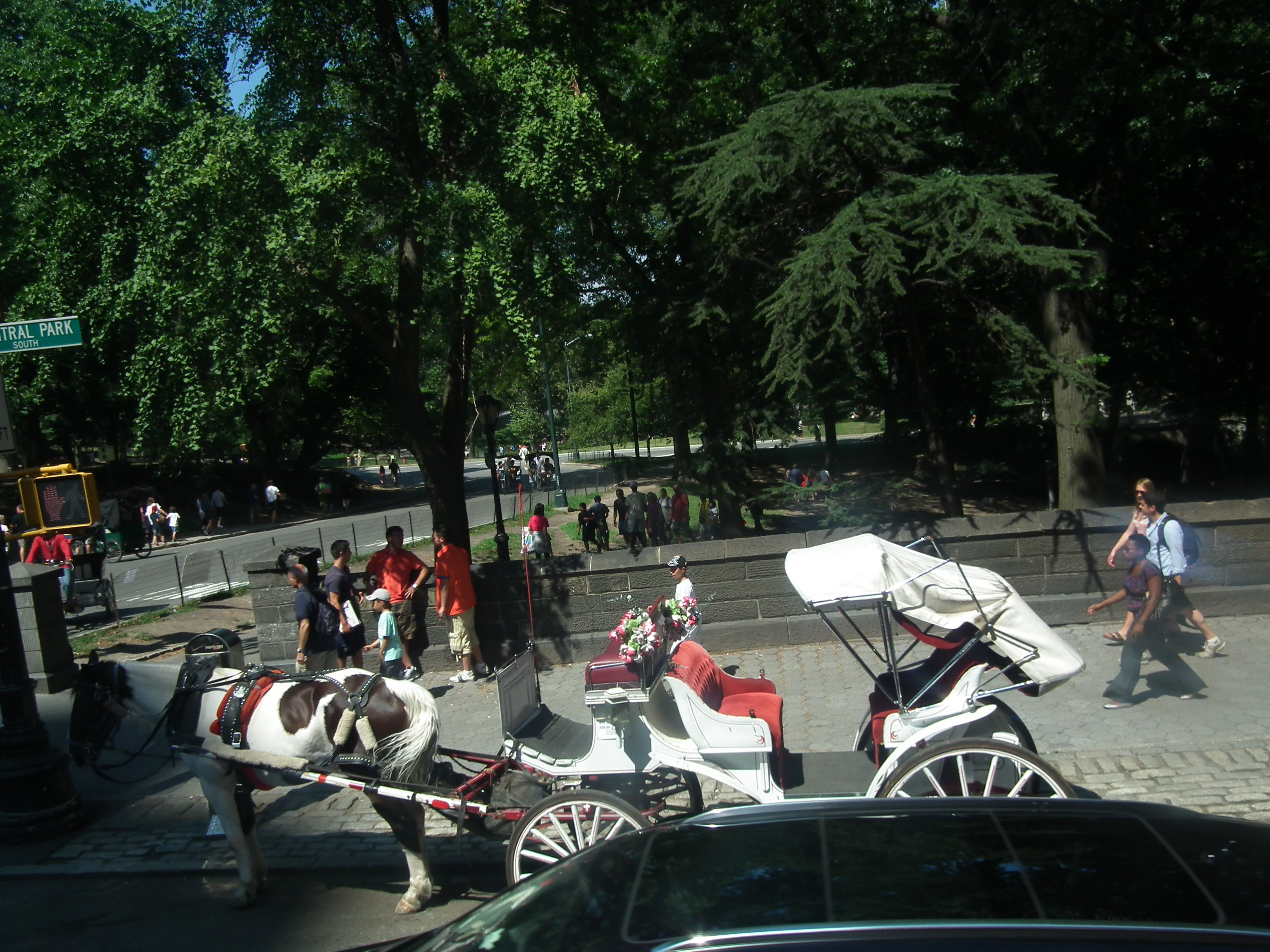
Photo: Erik Drost / Wikimedia Commons, CC BY 2.0
- New York's council voted 40 to 7 to end a 160-year-old trade
- A law written to protect horses never says where any of them will live
- The drivers' union calls it a disaster for workers and plans to sue immediately
40 to 7.
That is how New York City's Council voted on 22 October 2026 to end horse-drawn carriage rides in Central Park, a tradition older than the city's subway. The law is called Romanch's Law. It shuts the entire trade down for good by 1 June 2028.
The vote answers one question and opens another. New York spent 160 years and at least seven failed attempts trying to get rid of these carriages. Now that it has finally done it, nobody has said where the horses actually go once their stables close.
What did New York's council actually vote for?
The bill is Intro 943-A, written by Council Member Christopher Marte and backed by Mayor Zohran Mamdani's office. It stops the city issuing any new carriage horse or driver licenses straight away.
Licenses already in use are allowed to keep running until 31 May 2028. After that date, every one of them expires for good, with no renewals. Nobody will be able to legally drive a horse-drawn carriage for hire anywhere in the city.
The bill does two other things. It forces the mayor's office to build a plan to help drivers find new work, and it bans selling any carriage horse for slaughter or shipping one off to pull carriages in another city.
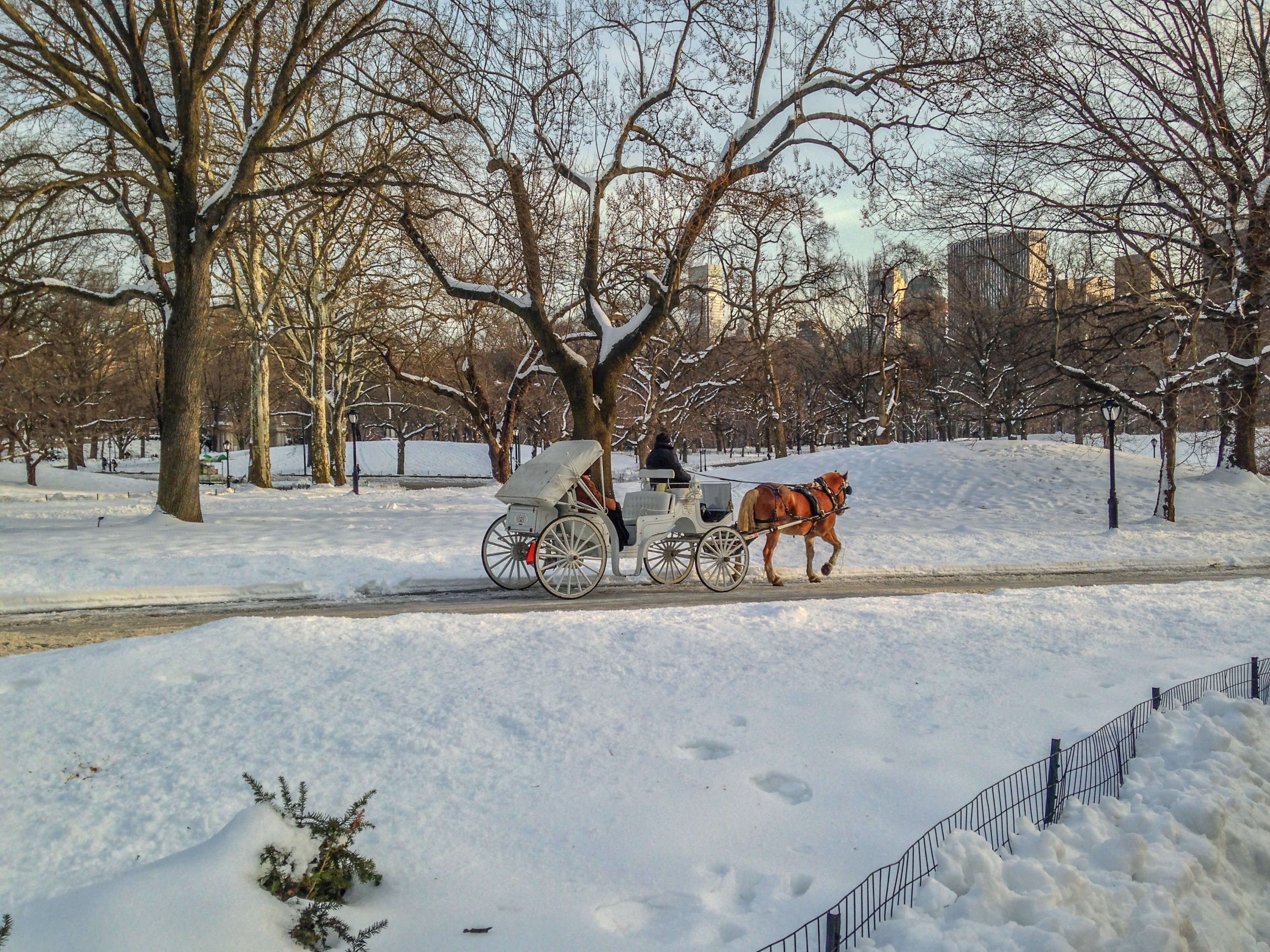
Photo: raduranga / Wikimedia Commons, CC BY-SA 4.0
Why did this ban finally pass after 160 years of trying?
New York has tried to shut this trade down many times before, going back to Mayor Ed Koch in the 1980s. Every earlier attempt died in committee, in a mayor's veto, or in an argument over cost. What finally tipped it over was one death.
 Read nextA coder blames coffee for his AI burnout. What the science says
In June 2026, an 18-year-old named Romanch Mahajan was thrown from a Central Park carriage and killed. He had just landed from India with his family to celebrate his high school graduation, the same trip that brings tourists from across the world to a city famous for pulling off extremes most visitors never expect.
His driver had stepped away from the carriage to take a family photo when the horse bolted. Romanch's mother had already fallen out, and he was trying to help her when he fell and hit his head.
It is believed to be the first death in the carriage industry's 150-plus year history in the park. It was also the eighth horse-related incident there in just 13 months. Romanch's name is now on the law that ends the trade his death helped kill.
How many times has New York tried to ban these carriages before?
| Year | What happened | Why it failed |
|---|---|---|
| 1980s | Mayor Ed Koch vetoes a bill to bar carriages from most of Midtown | Mayor's veto |
| 2007 | Council Member Tony Avella introduces the first repeal bill | Mayor Bloomberg and Speaker Quinn back the industry |
| 2010-2011 | First serious push for an outright ban, after a horse collapses from exhaustion in 2011 | Bloomberg rejects calls to ban the trade |
| 2013 | Mayor de Blasio announces plans for a full ban | No support from the Council |
| 2016 | De Blasio pushes a bill to move horses into new Central Park stables | The bill stalls and never passes |
| 2019-2021 | De Blasio tries to swap carriages for electric antique cars | The plan drops before his term ends |
| 2022 | Ryder's Law proposes electric carriages after a horse named Ryder collapses in traffic | Fails in committee over cost |
| 2026 | Romanch's Law passes 40 to 7 | Becomes law |
Source: New York City Council, Animal Legal Defense Fund, and news reports of each attempt.
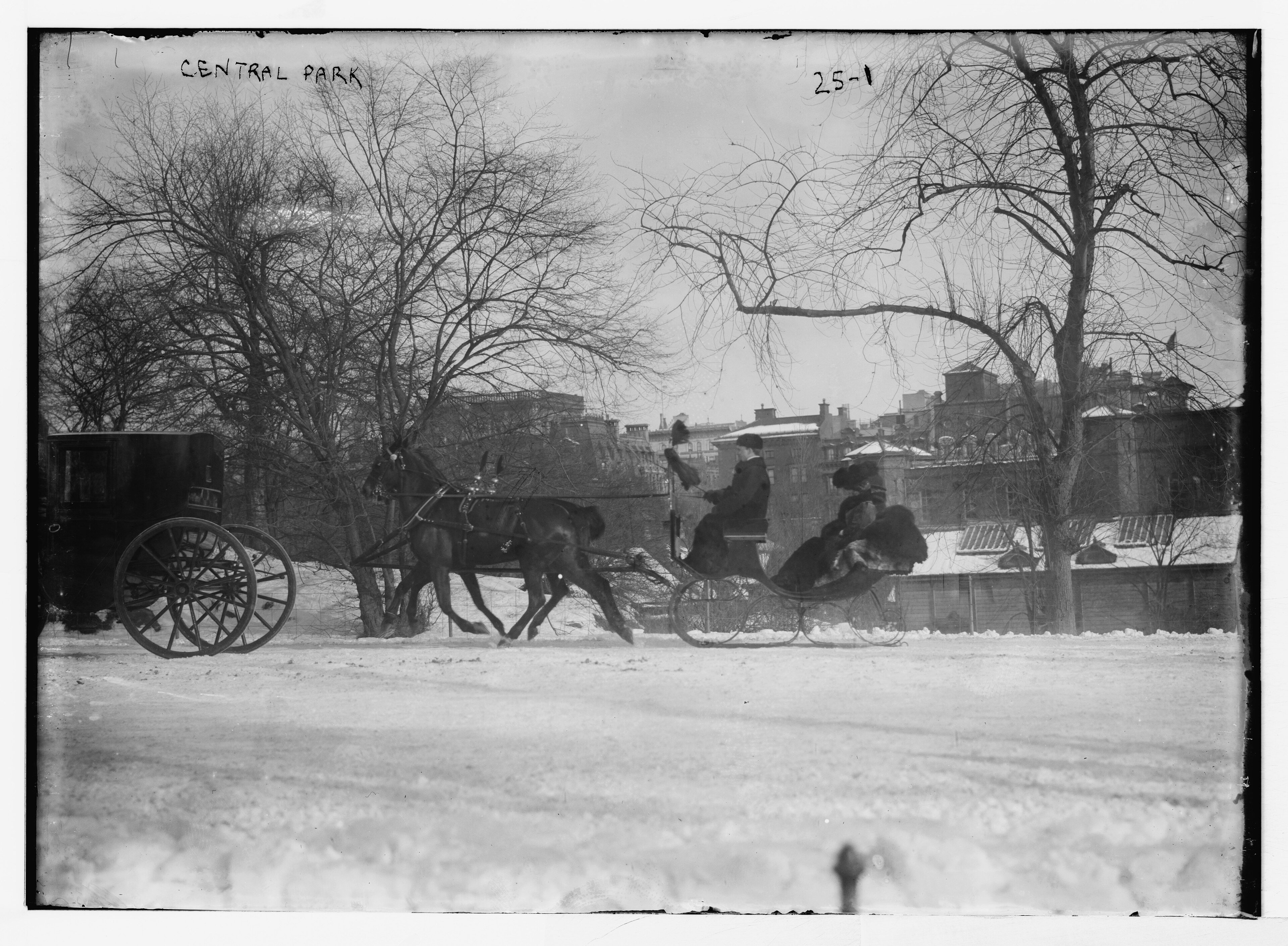
Photo: Bain News Service, publisher / Wikimedia Commons, Public domain
Where will the horses actually go?
This is the part the new law never answers. It says every carriage horse must be certified by 1 June 2027 as not being sold for slaughter or any other inhumane purpose. It also says a horse cannot be shipped off to pull carriages in some other city.
Past that, owners stay free to keep their own horses. The law names no sanctuary, no retirement farm and no city-funded home for any of the roughly 180 horses currently working the Central Park loop. Nothing in it says who pays to feed and stable a horse once its working life, and its owner's income, ends.
Rescue groups have placed retired carriage horses with private farms upstate before. Whether that happens for all of them this time is a promise nobody in the city has made.
What happens to the roughly 150 drivers who lose their jobs?
The law requires the mayor's office to build a transition plan by 1 April 2027. It is expected to include job referrals into the city's transit, hospitality and taxi industries, career counseling and hiring fairs.
 Trending nowBootlegger data leak: The locked dashboard that was never locked
What it does not include is a guarantee of money. The plan "could" involve financial compensation for drivers and owners, but the law stops short of requiring it.
Why are the carriage drivers threatening to sue?
John Samuelsen, president of the Transport Workers Union International, which represents the drivers, called the bill "a train wreck of constitutional and due process violations." He says it offers "nothing concrete for blue-collar drivers and carriage owners who will be financially crushed."
The union has promised to file a legal challenge "the minute the ink dries" on the new law. Many drivers describe carriage work as a family trade passed down three generations, and say losing it means losing a livelihood with almost no safety net. It is the same bitterness that keeps surfacing wherever an entire line of work disappears under new rules, the kind of anger behind young people protesting around the world this year over jobs that keep vanishing out from under them.
What do animal welfare campaigners say about the win?
For the campaign group NYCLASS, this closes a fight that started back in the 2013 mayoral race. Executive director Edita Birnkrant said the moment "belongs to the advocates and supporters who have spent years fighting with NYCLASS to protect horses and people on our city's streets."
Campaigners have long argued that pulling tourists through Manhattan traffic, in summer heat and winter ice, is no life for an animal built to graze in open fields. It is the same split that flares up whenever a viral clip of someone handling an animal badly splits an audience down the middle, one side seeing cruelty and the other seeing people doing what they have always done.
When do the last carriages disappear from Central Park?
Mayor Mamdani is expected to sign Romanch's Law within days. From that signature, two dates start ticking: Every horse certified safe from slaughter by 1 June 2027, and the very last carriage license expiring on 31 May 2028.
New York took 160 years and at least seven failed attempts to kill this trade. It finally managed it with a law that promises no horse will end up at a slaughterhouse, and promises nothing at all about where any of them sleep instead.
Get the stories that hit your pocket
Petrol, SARS, Eskom, grants and the news everyone is talking about. One short email every weekday at 6am.
Free. One email each weekday. Unsubscribe anytime.Sources6
- BBC, 'It's part of the culture' - New York bans horse-drawn carriages after more than 160 years (22 Oct 2026)
- New York City Council press release on Romanch's Law passing (22 Oct 2026)
- NBC New York, What happens to horses after NYC ban vote?
- Animal Legal Defense Fund, NYC Council passes Romanch's Law
- CNN, push to ban carriage rides after teen tourist's death (19 Jun 2026)
- Yahoo News, a timeline of New York City trying to ban horse carriages
Keep reading
 ViralPinetown dad fires back at gunmen at his gate, and what the law says
 ViralThe 10-year licence card is two steps away from law
 ViralThe GTA 6 leaker is back with 25 minutes of new footage