A movement with no leader just won Serbia's election
For months nobody led the protests on purpose. Then they won anyway, and now someone has to run the country.
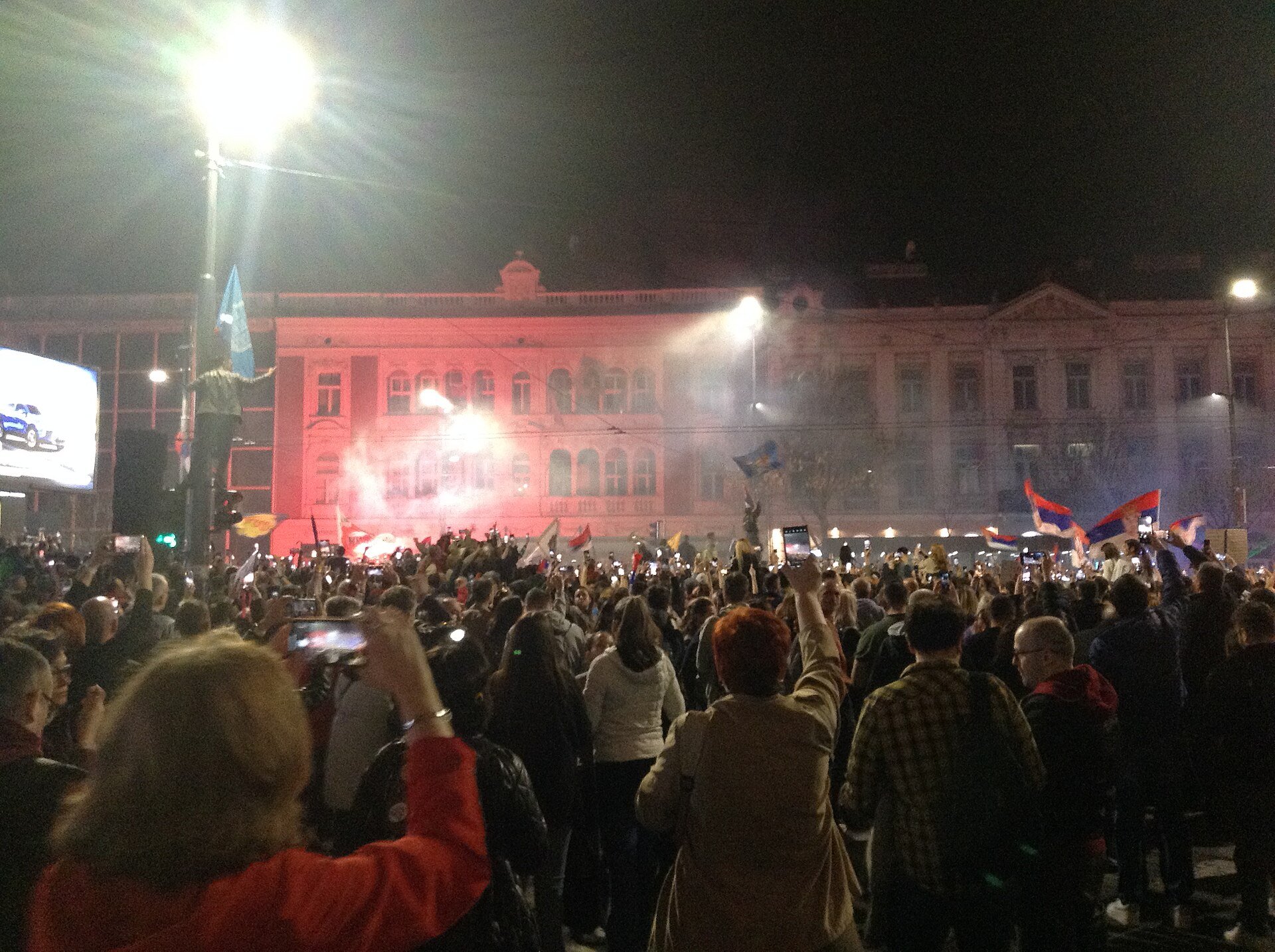
Photo: Emilija Knezevic / Wikimedia Commons, CC BY 4.0
- The Student List beat Vucic's party by 140 seats to 103
- Turnout hit 68.85%, the highest in decades
- The winning side has not said who will be prime minister
140.
That is how many seats Serbia's Student List won in the parliamentary election on 25 October 2026, out of 250 in total. That is enough to govern alone, with no coalition needed.
The side that won has no leader. Not "no leader yet". No leader on purpose, by design, from day one.
Aleksandar Vucic's party, in power since 2012, conceded the same night. Fourteen years of one-party rule ended in a few hours, and the people who beat him still cannot say who will run the government they just won.
How did a protest with no leader turn into 140 seats?
The Student List got there from a tragedy nobody planned for. On 1 November 2024, the canopy over a train station platform in Novi Sad collapsed and killed 16 people. Many were young. The government blamed shoddy renovation work, and people blamed corruption.
Three weeks later, students in Belgrade began blockading their own university buildings after classmates were attacked at a vigil for the victims. The blockades spread to campuses across the country and never really stopped. Students walked for days between cities, slept in lecture halls, and kept lists of demands that had nothing to do with grades. They wanted the officials they blamed for the collapse out of their jobs, and they wanted the courts to actually move.
By September 2026, Vucic called a snap election rather than keep facing the streets. He had led Serbia since 2012, first as prime minister and then as president, and he was betting that a vote would settle the protests one way or another. It did settle them. Just not for him.
 Read nextNigeria confirms its first Ebola case, 12 years after beating the virus
Here is the full run of dates, in one place, so nothing about how we got here gets lost:
| Date | What happened |
|---|---|
| 1 Nov 2024 | A train station canopy collapse in Novi Sad kills 16 people |
| 22 Nov 2024 | Belgrade students start blockading their own faculties after a vigil turns violent |
| Sept 2026 | Vucic calls a snap parliamentary election |
| 27 Sept 2026 | Vucic resigns as president, triggering a separate vote for that job |
| 25 Oct 2026 | Election day. Turnout reaches 68.85%, the highest in decades |
| 25 Oct 2026, night | Vucic concedes. Crowds fill the streets, cars honk through Belgrade |
| 26 to 27 Oct 2026 | Belgrade celebrates for a second night running |
| Within 30 days of final results | Serbia's new parliament must convene |
| Within 90 days after that | The Student List must form a government and name a prime minister |
| By 27 Dec 2026 | A new presidential election must be held |
Turnout tells its own story. 68.85% of registered voters cast a ballot, about ten percentage points higher than the last election in 2023, and the highest Serbia has seen in decades.
Who actually won, and by how much?
The Student List took 53.3% of the valid vote. Vucic's list, running under the banner "Aleksandar Vucic, United Serbia", took 39.7%. In seats, that split 140 to 103.
Vucic went on television and conceded before the final count was even finished. He said the student movement had won. Within minutes, people poured into the streets of Belgrade, honking horns and shouting that it was over. The celebrations ran for a second night after that, with crowds gathering again on 26 and 27 October.
The remaining handful of seats, a small share of the 250 total, went to lists representing national minorities, as they do in every Serbian election under rules that guarantee them a voice in parliament regardless of vote share. Neither of those lists has the numbers to change what the two main results mean. The Student List has its majority on its own, which is unusual in Serbian politics, where governments are normally stitched together from two or three parties after weeks of bargaining.
Who is actually in charge of the Student List?
Nobody, officially. That was the entire point of the movement, and it is why journalists covering the result keep running into the same wall. During the campaign, the Student List never named a single candidate for prime minister. Vucic's side did, putting his own name forward. The Student List instead put forward a mix of academics, doctors and workers, and let the list itself be the message.
A few names have stood out anyway. Ilija Srdanovic, a cardiologist and professor at the Faculty of Medicine in Novi Sad, headed the candidate list and is being talked about as the most likely pick for prime minister. Dejan Soskic, a former governor of Serbia's central bank, ran with the list too. Radomir Saicic, a chemistry professor at Belgrade University, spoke for the movement in public after the win was confirmed.
 Trending nowPinetown dad fires back at gunmen at his gate, and what the law says
None of them has said yes to leading a government. That is the twist sitting underneath the celebration. A movement that spent two years insisting it had no leader now has a legal clock running, and at the end of it, someone's name has to go on the paperwork.
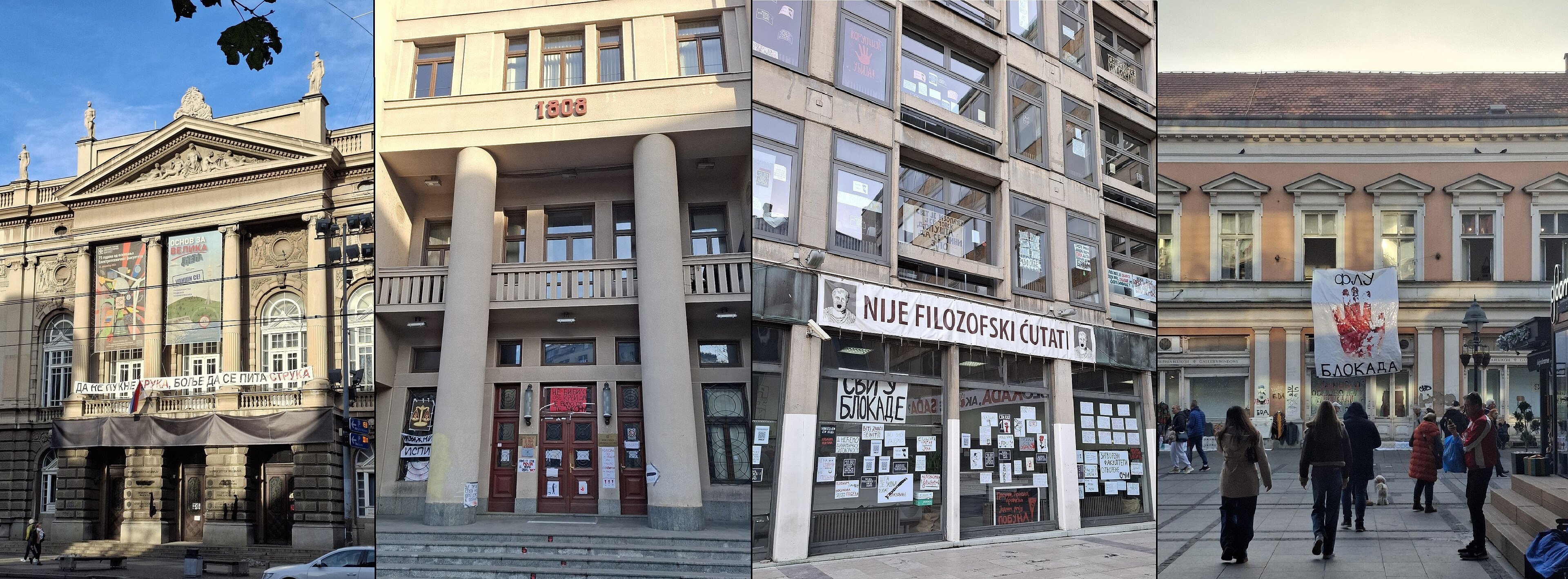
Photo: Karadan1804 / Wikimedia Commons, CC0
Why has this election been framed as a blow against Russia too?
Several reports on the race described Vucic as a leader with close ties to Moscow, pointing to Serbia's long friendship with Russia and its refusal to join EU sanctions after the invasion of Ukraine. That framing is a read on his foreign policy, not a settled fact, and Vucic has always said Serbia balances both the East and the West rather than picking a side. Either way, a government without him changes who Belgrade calls first when Brussels or Moscow come asking.
What happens to Vucic now?
He is not simply walking away. Vucic resigned as Serbia's president on 27 September 2026, before the election even happened, which forces a separate presidential election of its own by 27 December 2026. The presidency in Serbia is mostly ceremonial next to the prime minister's job, but it keeps him in the political picture while the Student List works out who leads the government side.
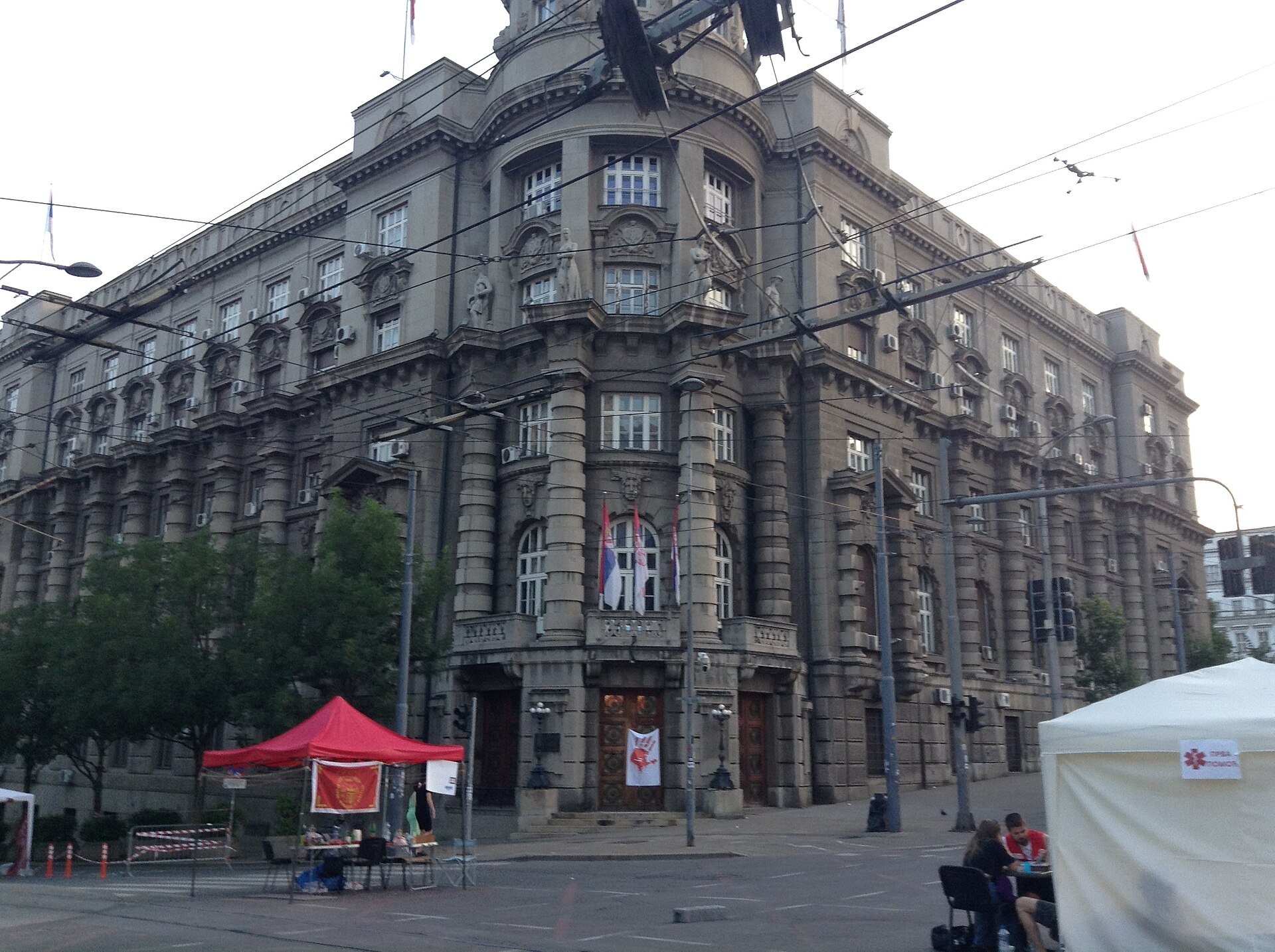
Photo: Emilija Knezevic / Wikimedia Commons, CC BY 4.0
Serbia was not the only country to hand its rulers a surprise result this week. Over in Brazil, voters delivered their own jolt at the ballot box, and that story is still shaking out its own consequences for trade partners as far away as South Africa. Students in France have been marching too, clashing with police over jobs and school staffing, part of a wider run of young people around the world turning street anger into votes and headlines rather than waiting their turn.
So what happens next for Serbia?
Under Serbian election law, the new parliament has to convene within 30 days of the final result being announced. From that date, the Student List has 90 days to put a government together and give parliament a name for prime minister. With 140 seats on its own, it does not need to bargain with anyone else in parliament to get that government through a vote. The only negotiation left is the one happening inside the movement itself, between people who agreed on almost everything except who should be in charge.
For two years, "we have no leader" was the chant that got Serbians out of their homes and onto blocked campuses, past a government that had run the country for fourteen years. Now it is the line a room full of doctors, professors and former officials have to answer with an actual name, and the clock on that answer is already running.
Whoever gets picked inherits a parliament where nobody can outvote them and a crowd outside that remembers exactly how they got there. Few protest movements anywhere get to find out what they would actually do with the power they marched for. Serbia's is about to.
Get the stories that hit your pocket
Petrol, SARS, Eskom, grants and the news everyone is talking about. One short email every weekday at 6am.
Free. One email each weekday. Unsubscribe anytime.Sources8
- Euronews, Vucic concedes defeat in pivotal Serbian elections (25 Oct 2026)
- Final seat and vote share results, 2026 Serbian parliamentary election
- Balkan Insight, Serbian strongman Vucic concedes defeat in snap elections
- Al Jazeera, Serbia voter turnout highest in decades (25 Oct 2026)
- Al Jazeera, Serbia after Vucic: who will be PM and when will a government form (26 Oct 2026)
- Al Jazeera, Serbia's students celebrate for a second night after election victory (27 Oct 2026)
- CBC News, Serbia's longtime strongman Vucic concedes election defeat
- Euronews, background on the Novi Sad canopy collapse that triggered the protest movement
Keep reading
 World491 days in a drainage pipe, then a drone lifted him out
 WorldElon Musk wins the National Medal of Science, and Trump calls him the new Edison
 WorldArmenia's 101-metre Jesus statue: The record and the row