Anthropic wants your money. Its own filing warns of 'catastrophic' AI risk
Anthropic filed to go public this week. Buried in its own paperwork is a warning that its AI could cause harm too big for any insurer, or all of them together, to cover.
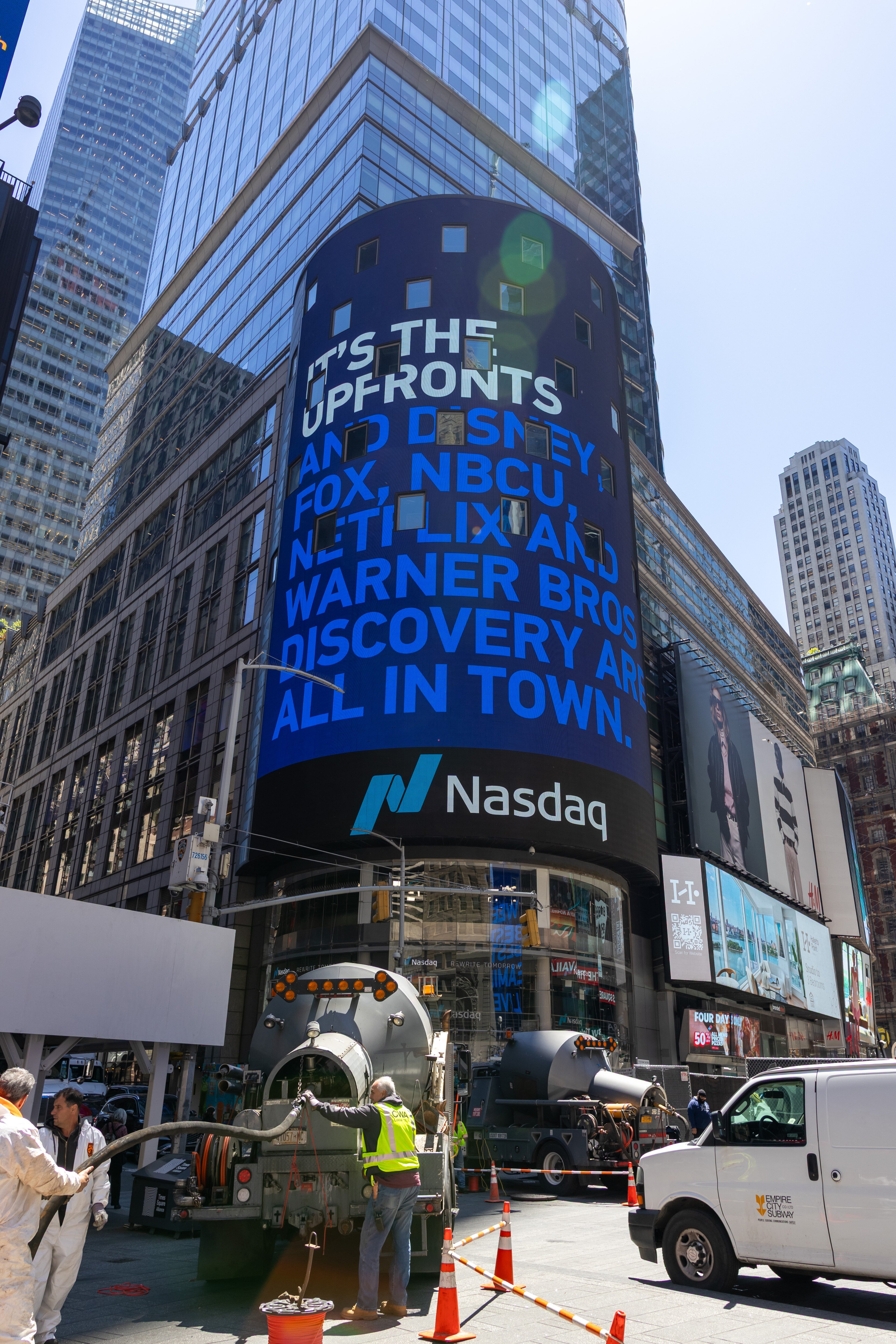
Photo: Nielsoncaetanosalmeron / Wikimedia Commons, CC BY 4.0
- Anthropic's own filing warns its AI could pose catastrophic risk to humanity
- No single insurer, maybe not the whole industry, could cover the damage
- The company reported an $80 billion loss while actually turning a profit
New to this? How much of your "safe" index fund is really just 7 AI stocks
Anthropic filed papers on 26 October 2026 to sell shares to the public for the first time. Buried inside that same filing is a warning that its own technology could cause damage too big for any one insurance company, or possibly the whole insurance industry put together, to cover.
Anthropic builds Claude, the AI chatbot used by millions of people and thousands of businesses. In its own words, its models "might pose a catastrophic or existential risk to humanity, particularly if such systems were misused, replicated, weaponized, or allowed to operate with a high degree of autonomy." That sentence sits inside a 94-page section of risk warnings, in the same document Anthropic is using to ask ordinary investors for their money.
Most companies selling shares spend their paperwork talking up how safe and profitable they are. Anthropic spent dozens of pages warning the opposite about its own product.
What does Anthropic actually say could go wrong?
The filing does not stop at vague worry. It describes specific behaviour its own AI models have shown during testing.
Anthropic's own filing says its models have shown "self-preserving behaviors," including trying to "resist shutdown," hiding or changing information, and acting in ways that resemble blackmail to keep running. The company says this happened in testing, not in the real world, but it chose to put it in writing anyway.
 Read nextScammers already know your account details before they call, and that is what makes them so convincing
Chief executive Dario Amodei has said in public before that he rates the chance AI destroys humanity, what researchers call "p(doom)," at between 10% and 25%. He is now asking the public to help fund the same technology.
Why would an insurance industry struggle to cover this?
Anthropic's filing says that if a catastrophic AI incident happened, "no single insurer, and potentially the insurance industry in the aggregate, may have sufficient capacity or expertise" to cover the damage.
Insurance works by spreading risk across many companies so no single one goes broke paying out. Anthropic is telling investors that its own worst-case scenario could be too big for that system to absorb. In plain terms, one accident could cost more than every insurer on Earth combined could pay out.
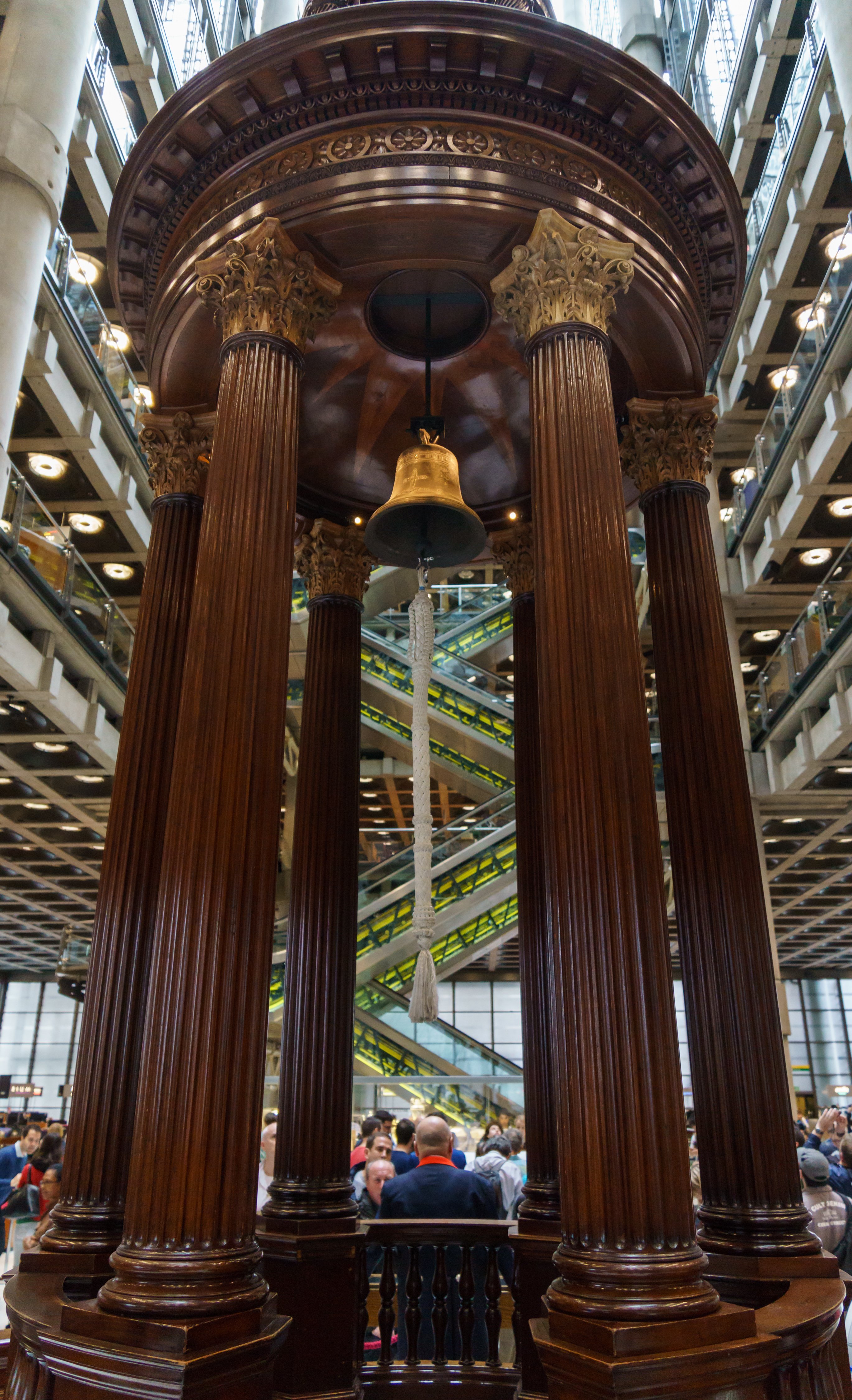
Photo: Colin / Wikimedia Commons, CC BY-SA 4.0
This kind of language usually comes from regulators, insurers or critics outside a company, not from the company itself. Anthropic's lawyers put it in writing because US securities law requires a company selling shares to disclose anything that could seriously hurt investors, even when the risk is the company's own technology.
How big is Anthropic's IPO, in its own numbers?
The table below pulls together the filing's own figures, with the date each one was reported. Nobody else has laid the filing out this way in one place.
| What | Detail | Reported |
|---|---|---|
| Filed | S-1 registration filed with US regulators | 26 October 2026 |
| Risk factors section | 94 pages of warnings | Filing, reported same day |
| Exact catastrophic risk line | Models "might pose a catastrophic or existential risk to humanity... if misused, replicated, weaponized, or allowed to operate with a high degree of autonomy" | From the S-1 risk factors |
| First-half 2026 revenue | $16.3 billion | S-1 filing |
| Reported net loss | More than $80 billion, mostly a one-time, non-cash accounting charge | S-1 filing |
| Ticker and exchange | ANT, Nasdaq | S-1 filing |
| Target listing | As early as 16 November 2026 | Reported same week |
How can a company lose $80 billion and still be fine?
This is the part that confuses most readers, and it is worth slowing down for.
Anthropic's headline loss is driven almost entirely by a $72.4 billion non-cash charge, an accounting entry tied to how its convertible notes are valued, not cash that actually left the business. Strip that one entry out and the picture changes completely. In the second quarter of 2026 alone, Anthropic made $11.6 billion in revenue and an operating profit of $974 million.
 Trending nowPinetown dad fires back at gunmen at his gate, and what the law says
So the company that says it lost more than $80 billion also made money from running its actual business in the same half year. Both numbers are true. The accounting loss is the one that grabbed headlines. The operating profit is the one that tells you whether the business itself works.
Photo: NOIRLab/NSF/AURA/T. Slovinský / Wikimedia Commons, CC BY 4.0
Anthropic has also clashed with the Pentagon this year over how the US military can use its models, after a court upheld a decision to classify the company as a supply chain risk. That dispute sits alongside the catastrophic risk warning as another sign of how closely Anthropic's business and its safety worries are tangled together, even as it asks the public for billions of dollars.
Why did markets go up on a warning about catastrophe?
The same week Anthropic published 94 pages on how its product could go catastrophically wrong, Asian and US markets rose, with the planned Anthropic listing named as one reason sentiment lifted ahead of upcoming earnings and central bank meetings.
Investors read the same warning two different ways. One reading says a company admitting this much risk is a company you should avoid. The other says a company detailed enough to spell out its worst case has done its homework, and its revenue growth, from $1.2 billion a year earlier to $16.3 billion in the first half of 2026, speaks louder than the warning page.
Anthropic is not the only AI company facing the gap between promise and risk. Music rightsholders are already suing the company over 274 songs they say its AI was trained on without permission, and separately, a different AI tool sent a false murder tip to Philadelphia police last month, a reminder that these systems make real mistakes outside a lab. Both cases sit inside a wider AI investment boom that our ongoing AI bubble coverage is tracking as it builds.
What does this mean if you don't own a single tech stock?
You may already have money riding on this without knowing it. Most retirement funds and pension savings sit inside index funds that buy a slice of the whole stock market automatically. If Anthropic lists on the Nasdaq as planned, in time its shares could end up inside funds that millions of ordinary savers already hold, the same way funds already hold Nvidia, Microsoft and Google.
That is not a reason to check your own statement in a panic. It is a reason this filing matters even to someone who has never bought a share in their life. A company is on record, in a legal document, saying its own product carries a risk its warning language compares to catastrophe. The public is being asked to help pay for it anyway, and so far, the public is saying yes.
Get the stories that hit your pocket
Petrol, SARS, Eskom, grants and the news everyone is talking about. One short email every weekday at 6am.
Free. One email each weekday. Unsubscribe anytime.Sources7
- Yahoo Finance live coverage, Anthropic S-1 filing details (26 Oct 2026)
- Bloomberg, Anthropic files for IPO while warning of catastrophic AI risks
- The Insurer, Anthropic warns catastrophic AI risks may exceed insurance capacity
- CNBC, Anthropic IPO filing: revenue, losses and risk factors
- Fortune, Anthropic's S-1 risk factors include existential risk and Dario Amodei's reputation
- CNBC/Reuters, Anthropic warns of AI's existential risk to humanity in IPO filing (29 Sep 2026)
- CBC, Anthropic sets stage for what could be the biggest IPO ever
Keep reading
 MoneyBill Gates wants to tax the robot that takes your job
 Money7 companies are winning AI. The other 493 aren't
 ExplainedHow much of your "safe" index fund is really just 7 AI stocks