Scammers now know your bank details before they even call you
A new industry report shows the scam calls hitting South African bank accounts have changed. The caller already knows your name, your bank and your balance. That is the part that gets people to hand over the rest.
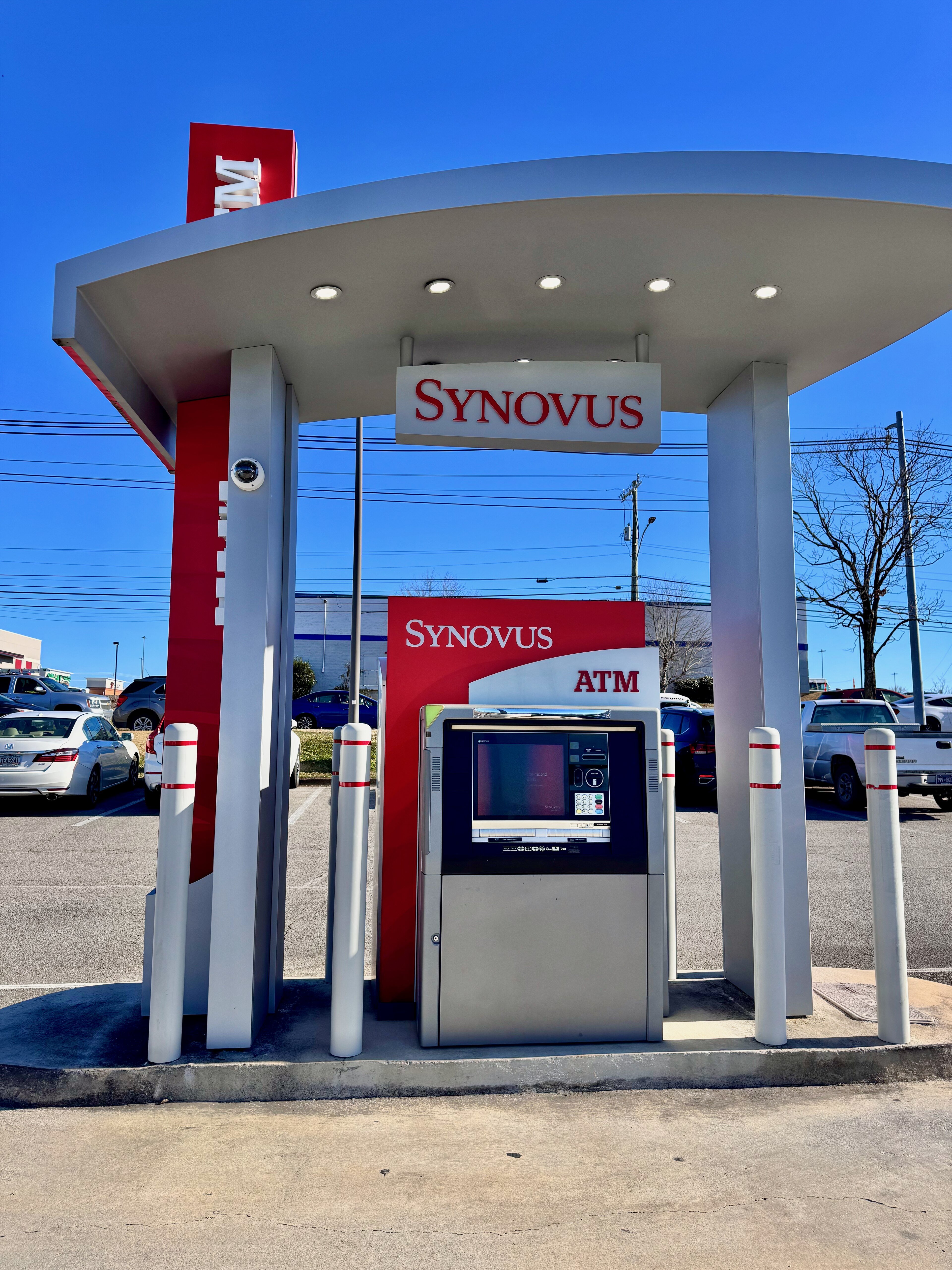
Photo: Harrison Keely / Wikimedia Commons, CC BY 4.0
- Scammers read your real account details back to you before asking for anything
- South Africans lost R2.4 billion to banking fraud in 2025, up 29% in a year
- Only 1 in 5 fraud complaints to the banking ombud end with the customer getting paid
A phone call about "suspicious activity" on your account used to be an easy scam to spot. Not anymore.
South Africa's banks now say the callers already know your name, your bank, and sometimes your exact balance before they say a word about fraud. That knowledge is the scam. It is what makes a stranger on the phone sound like someone from your own bank.
New figures from the South African Banking Risk Information Centre (SABRIC) show how far this has gone. In its 2025 Annual Crime Statistics Report, released on 18 October, SABRIC says South Africans lost R2.4 billion to digital banking fraud last year, spread across 110,074 separate cases. One of the biggest single losses in the report is a woman whose mother lost R800,000 after callers posed as her bank's own fraud department.
Why do scam calls already know your account number?
Your details rarely come from guesswork. They come from old data breaches, leaked call centre records, and information bought and sold between criminal groups after earlier scams. Once a criminal has your name, phone number, bank and even part of your account number, a cold call stops sounding random.
The caller opens with facts you did not expect a stranger to have. They read back a recent payment, your branch, or the last four digits of your card. By the time they say "we need to verify you", you already believe they are real. That belief is the whole trick. Nobody needs to hack your account if you hand over the PIN yourself.
R2.4 billion gone in a year, and still climbing
SABRIC's own figures show this is not a one-off bad year. Losses have more than doubled in two years.
The average loss per case was about R21,900. Worked out over the year, scammers pull off roughly 300 of these thefts every single day, and South Africans lose close to R6.6 million to them in that same single day.
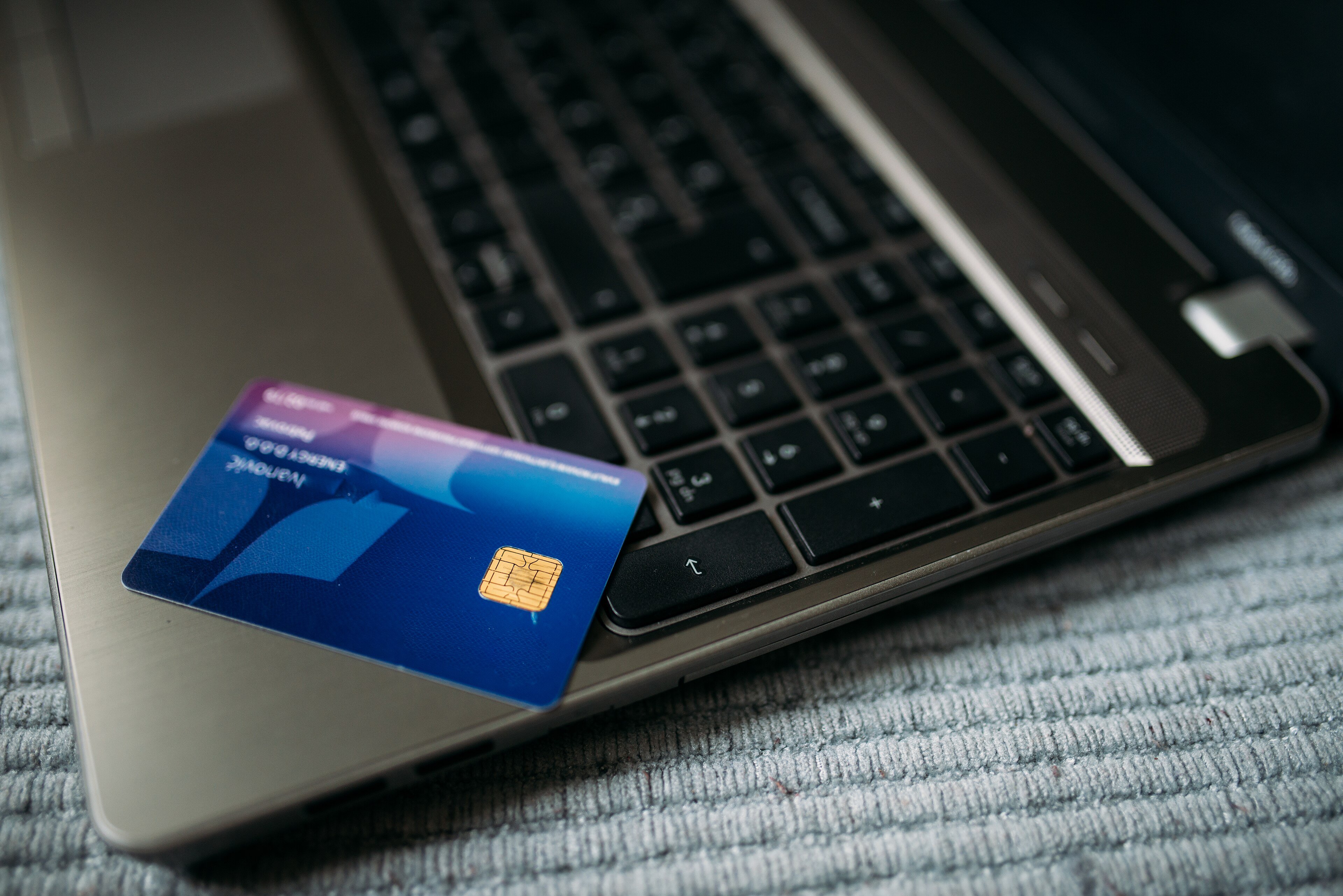
Photo: Shixart1985 / Wikimedia Commons, CC BY 2.0
Most of the money goes missing through banking apps, which SABRIC links to about 89% of digital fraud cases and 70.5% of the money lost. Internet banking makes up a smaller share of cases but a bigger share of the money, at 28.6% of losses from under 9% of cases.
 Read nextA Ledger reseller changed hands in secret, and a cracked-open wallet shows a hidden modem
With the pattern this clear, there is one simple rule worth pinning next to your phone. A South African bank will never ask you, by phone, SMS or WhatsApp, for any of the following:
- Your PIN, full card number or online banking password
- A one-time PIN (OTP), read out loud or forwarded in a message
- To move your money into a new "safe" account while they "investigate"
- Remote access to your phone or computer
- An upfront fee to release money that is already yours
If a call, text or message asks for any of these, it is not your bank. Hang up and phone the number printed on your card instead.
The two-pot retirement trick scammers are using now
Retirement savings have become a fresh target since two-pot withdrawals started. SABRIC says fraudsters are now posing as retirement fund officials or financial advisers, offering to "unlock" a two-pot withdrawal faster in exchange for an upfront fee.
There is no such service. Two-pot withdrawals are paid out directly by your own registered retirement fund administrator, at a fixed, published cost. Anyone offering to speed it up for a fee is not calling from your fund.
 Trending nowBootlegger data leak: The locked dashboard that was never locked
The trick works for the same reason the bank calls do. The caller already knows you have a two-pot balance waiting, because that information sits in public statements about the new withdrawal rules. They just need you to believe they can get to it faster than the real process allows.
Why people over 55 are the biggest target
Banks say the age pattern in these cases is no accident. FNB's Christopher Boxall, who tracks fraud trends for the bank, says the number of cases involving older customers keeps climbing. "We're seeing a larger number of those fraud cases being logged on a month-to-month basis," he says.
The reason is simple arithmetic. Younger account holders often move their money around and rarely hold large balances in one place. Older South Africans, especially those over 60, are more likely to have decades of savings sitting in one or two accounts, which makes one successful call worth far more to a criminal. South Africa's shrinking pool of people who save enough to pay tax on it is exactly the group carrying the heaviest financial load already, and now the same group is paying for it twice.
Will your bank pay you back if you get scammed?
Not often, and that is the part banks do not advertise. The National Financial Ombud's banking division, which rules on disputes between customers and banks, closed 11,535 cases in 2024, the most recent year it has broken down by outcome. Banks won 79% of them. Customers won only 21%.
Even with that low success rate, the ombud still recovered R53 million for fraud victims in 2025. Common cases involved phishing, SIM swap attacks and callers impersonating bank staff, the same tricks now driving SABRIC's numbers. Some banks have started offering partial payouts to soften the blow, as one bank's goodwill offers to OTP fraud victims show, without admitting they were at fault.
Card fraud added another R1.7 billion in losses last year, up 18%, while old-style crime fell hard. ATM attacks dropped 46%, and bank robberies fell to just 2 reported cases in 2025, down from 8 the year before. The criminals have not slowed down. They have just moved from the street to your phone.
If you do give out a PIN or OTP by mistake, act in the same hour. Call your bank's fraud line from the number on your card, ask for the account to be frozen, and open a case number before you hang up. The ombud can only step in once your bank has already said no.
The R800,000 case that opened SABRIC's report started the same way thousands of smaller ones do: A call that already knew too much to doubt. The only thing that can stop the next one is a habit most people still skip. Hang up, and call the number on the back of your own card instead.
Get the stories that hit your pocket
Petrol, SARS, Eskom, grants and the news everyone is talking about. One short email every weekday at 6am.
Free. One email each weekday. Unsubscribe anytime.Sources6
- BusinessTech, R2.4 billion stolen from South Africans, with some losing R800,000 (18 Oct 2026)
- SABRIC, 2025 Annual Banking Crime Statistics Report
- TechCentral, Bank robberies, ATM bombings collapse as criminals go digital
- Moonstone, When banks get it wrong: ombud cases reveal costly mistakes
- Conviction, Banking Ombud recovers R53 million for fraud victims in one year
- IOL, Retiring with R1 million less? Major warning on two-pot withdrawals
Keep reading
 MoneyOnly 1 in 10 South African retirement savers are on track to retire comfortably
 MoneyHome insurance by state, ranked, and why the fastest rises aren't where you'd expect
 MoneyLedger wallets drained? The claim, the past incidents and what is confirmed