Massachusetts home insurance jumped 43% without a single hurricane
Everyone blames hurricanes for rising home insurance. The states climbing fastest this year don't have a single coastline between them.

Photo: Bubba73 / Wikimedia Commons, CC BY-SA 3.0
- Massachusetts home insurance rose 42.9% in a year, the fastest in the US
- Florida is still the priciest state, even after reforms meant to fix it
- State Farm just raised Illinois rates 8%, on top of a 27% hike last year
$3,057.
That is roughly what the average American homeowner will pay for home insurance by the end of 2026, according to insurance data firm Insurify. It is up 46% since 2021, nearly three times faster than inflation over the same stretch. That works out to about $900 more a year than five years ago, money most homeowners never see again even if they never file a single claim.
Florida is still the most expensive place in the country to insure a house, at $8,471 a year on average. That part fits the story everyone already believes: Hurricanes, flooding, a broken coastal market. But the states where premiums jumped the most this year are nowhere near a coastline.
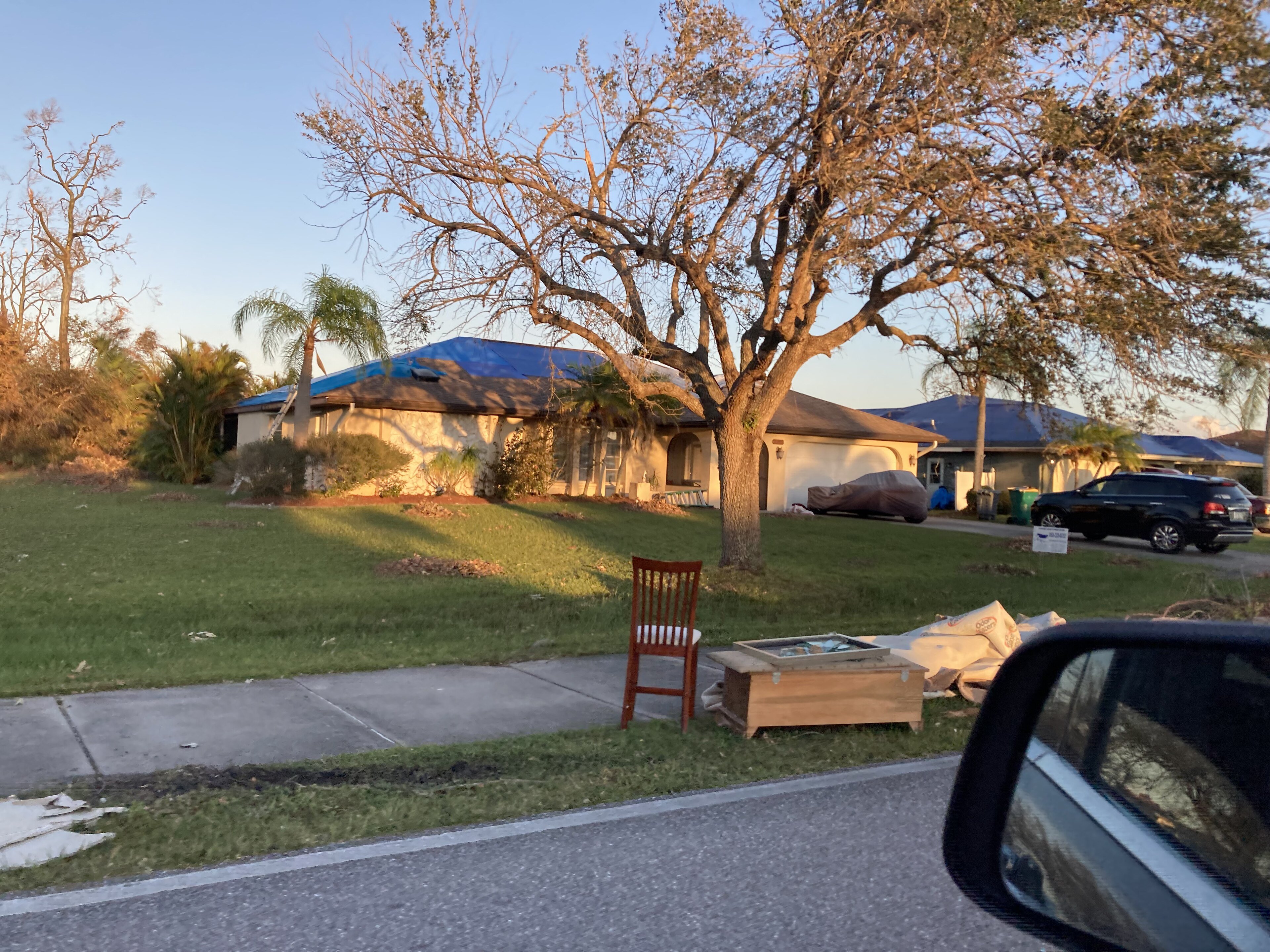
Photo: PCHS-NJROTC / Wikimedia Commons, CC BY-SA 4.0
Why is my home insurance going up even in states with no hurricanes?
Massachusetts homeowners paid $1,478 for home insurance in 2025. In 2026, the average bill reached $2,112. That is a 42.9% jump in a single year, the fastest rise of any state in the country, according to data from Insurance.com.
Minnesota was next. Its average premium went from $2,729 to $3,333, up 22.1%. Neither state gets hurricanes. Neither state has a coastline that a hurricane could reach.
 Read nextNetflix is reported to be cutting about 5% of its staff, with a decision due before earnings
Massachusetts' home insurance bill rose six times faster this year than Florida's did, 42.9% against 6.8%, even though Florida is the one everyone worries about.
Which states have the highest home insurance, and which are rising fastest?
This table comes from Insurance.com's 2026 state-by-state survey, built with pricing data from Quadrant Information Services and published 25 September 2026. It is the only public ranking that lines up both the dollar amount and the year-on-year change for every state, state by state, in one place.
| Rank | State | 2026 average premium | Change from 2025 |
|---|---|---|---|
| 1 | Florida | $8,471 | +6.8% |
| 2 | Nebraska | $5,513 | +21.1% |
| 3 | Colorado | $5,511 | not specified |
| 4 | Oklahoma | $5,378 | +7.3% |
| 5 | Kansas | $5,289 | not specified |
| 6 | Louisiana | $5,185 | not specified |
| 7 | Texas | $4,582 | not specified |
| 8 | Kentucky | $4,471 | +10.6% |
| 9 | North Carolina | $3,799 | -6.3% |
| 10 | Missouri | $3,783 | not specified |
Fastest one-year rises, same dataset:
| Rank | State | 2025 premium | 2026 premium | Change |
|---|---|---|---|---|
| 1 | Massachusetts | $1,478 | $2,112 | +42.9% |
| 2 | Minnesota | $2,729 | $3,333 | +22.1% |
| 3 | New Mexico | $2,869 | $3,497 | +21.9% |
| 4 | Nebraska | $4,553 | $5,513 | +21.1% |
| 5 | Maryland | $1,906 | $2,242 | +17.6% |
Hawaii stayed the cheapest state to insure, at $738 a year, under one tenth of Florida's bill.
Did Florida's insurance reform actually work?
Florida lawmakers passed reforms in 2022 and 2023 aimed at cutting lawsuits against insurers, and they did bring some relief. Citizens Property Insurance, the state-backed insurer of last resort, cut its rates 8.8% this year, and 51 of Florida's 67 counties saw home insurance prices fall.
None of that has closed the gap. Florida homeowners still pay $8,471 a year on average, nearly three times the national figure. A fix that drops the state from catastrophic to merely the most expensive in America by a wide margin is not the same as fixing the problem.
What is actually pushing premiums up everywhere else?
Insurers buy their own insurance, called reinsurance, to cover huge payouts after disasters. Reinsurance prices roughly doubled between 2018 and 2023, and insurers pass that cost straight on to homeowners, hurricane zone or not.
A national report from insurance regulators (NAIC) in August 2026 put it plainly: Rising premiums, insurers quitting certain markets and tighter coverage rules are no longer a temporary squeeze. They are becoming permanent features of the market, driven by climate losses that keep landing in new places, from Midwest hailstorms to wildfires nowhere near a beach.
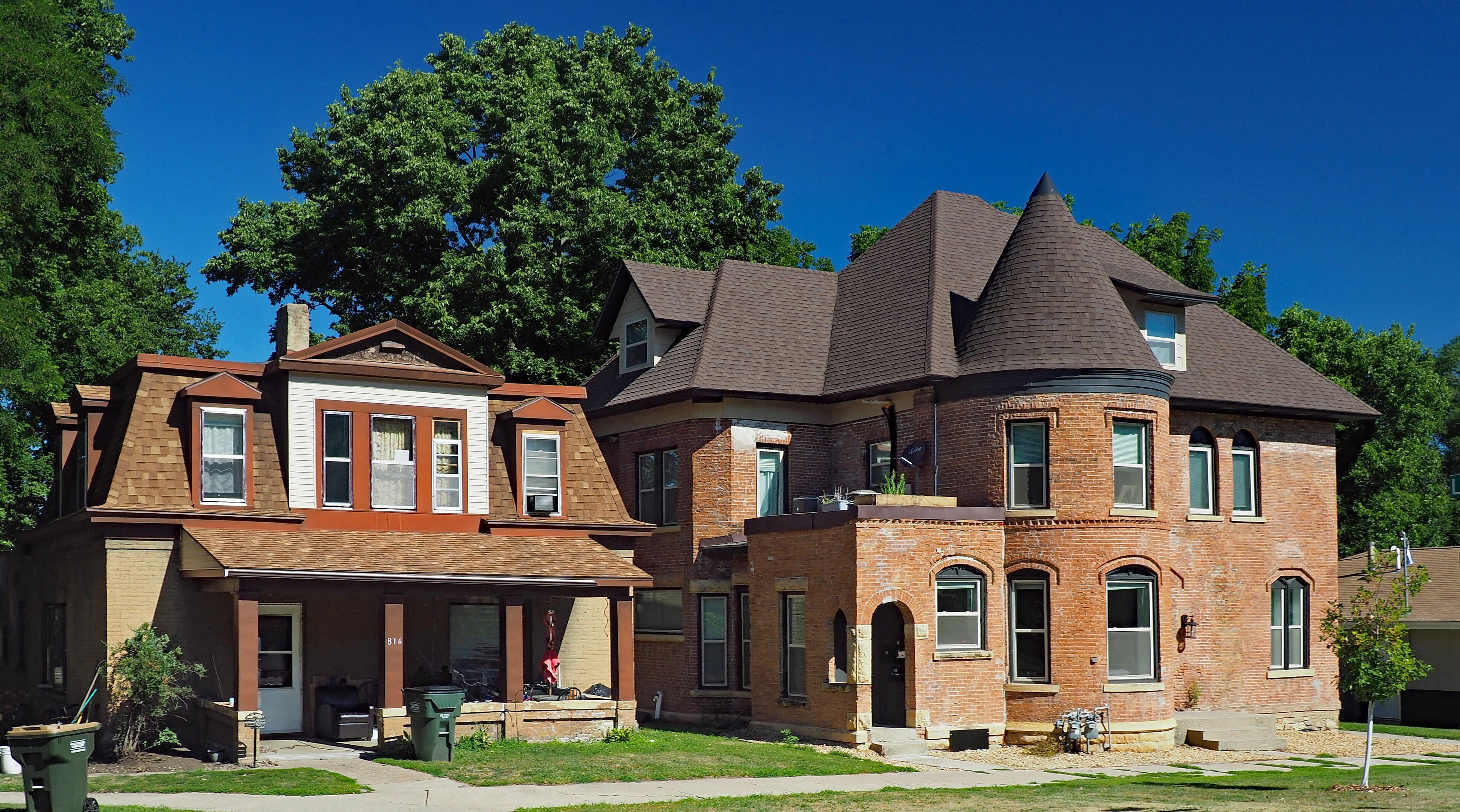
Photo: McGhiever / Wikimedia Commons, CC BY-SA 4.0
California shows how far insurers will go to avoid risk. State Farm stopped writing new home policies there in 2023 and still has not resumed. Allstate only filed to come back on 1 September 2026, and approval is expected to take 10 to 12 months. At least eight insurers have pulled back from writing new business in the state altogether.
The Illinois bill nobody saw coming
Illinois has no hurricanes and no wildfires to speak of. It still got hit. State Farm, which is headquartered in Illinois, raised home insurance rates there 8% from 1 October 2026 for new policies, with existing customers seeing it at their December renewal. The company says that adds about $10 a month to the average bill.
 Trending nowBootlegger data leak: The locked dashboard that was never locked
That 8% comes on top of a 27% increase State Farm already pushed through in Illinois in 2025. Put the two together and a homeowner's bill has grown by more than a third in two years, in a state where insurers rarely used to raise rates at all. It is the same pattern as rural Alaska's sudden $1,500 broadband fee, a bill nobody budgeted for because the place it hit was never supposed to be the expensive one.
Is your paycheck keeping up with your insurance bill?
Not close. US wages grew about 3.5% in the year to mid-2026, and once inflation is stripped out, real wage growth was close to flat, according to the Bureau of Labor Statistics. Home insurance rose 46% over five years. Even spread evenly, that is roughly 8% a year, more than double the pace of pay rises, and insurance is only one bill competing for the same paycheck.
Social Security's own cost-of-living raise is meant to help retirees keep up with bills like this one. It rarely stretches far enough once a bigger insurance bill lands on top of a bigger grocery bill and, for anyone still paying off a house, a mortgage payment that already jumped after this year's rate hike.
How can I lower my home insurance premium?
A few changes move the number without dropping coverage.
Raising your deductible from $500 to $1,000 typically saves 10% to 25% a year. Bundling home and auto insurance with the same company can knock off 20% to 30%. Staying claims-free earns a growing discount too, often 5% after three years and up to 20% after seven or eight, so filing a small claim can cost more in future premiums than it pays out now. A monitored security system can shave another 5% to 20% off.
Shopping around still matters most. Rates for the same house can vary by thousands of dollars between insurers, because each company weighs local risk differently, and right now some of the biggest risk is sitting in states that have never filed a storm claim in their lives.
Watch Illinois first. State Farm's new 8% hike lands on renewal bills from 1 December 2026, and if Massachusetts and Minnesota are any guide, the next state blindsided by a double-digit jump will not be one anybody is watching for it.
Get the stories that hit your pocket
Petrol, SARS, Eskom, grants and the news everyone is talking about. One short email every weekday at 6am.
Free. One email each weekday. Unsubscribe anytime.Sources8
- Insurance.com, the states where home insurance is becoming unaffordable in 2026 (25 Sep 2026)
- Kiplinger, State Farm raises Illinois home insurance rates 8% in 2026
- The Hill, home insurance rates set to jump in these states, report says
- Insurify, home insurance price projections for 2026
- CNBC, NAIC report on homeowners insurance costs (6 Aug 2026)
- CalMatters, insurers writing new California homeowner policies (Sep 2026)
- Florida Office of Insurance Regulation, rate decrease announcement (5 Mar 2026)
- US Bureau of Labor Statistics, real average hourly earnings, March 2026
Keep reading
 MoneyLedger wallets drained? The claim, the past incidents and what is confirmed
 MoneyA Ledger reseller changed hands in secret, and a cracked-open wallet shows a hidden modem
 MoneyMusk's SpaceX gift to every US kid: Locked for years