SpaceX is growing six times faster than Tesla. Musk wants to merge them anyway
One company is booming. The other makes the cars. Musk wants to fuse them into one stock, and Tesla holders get the final say.
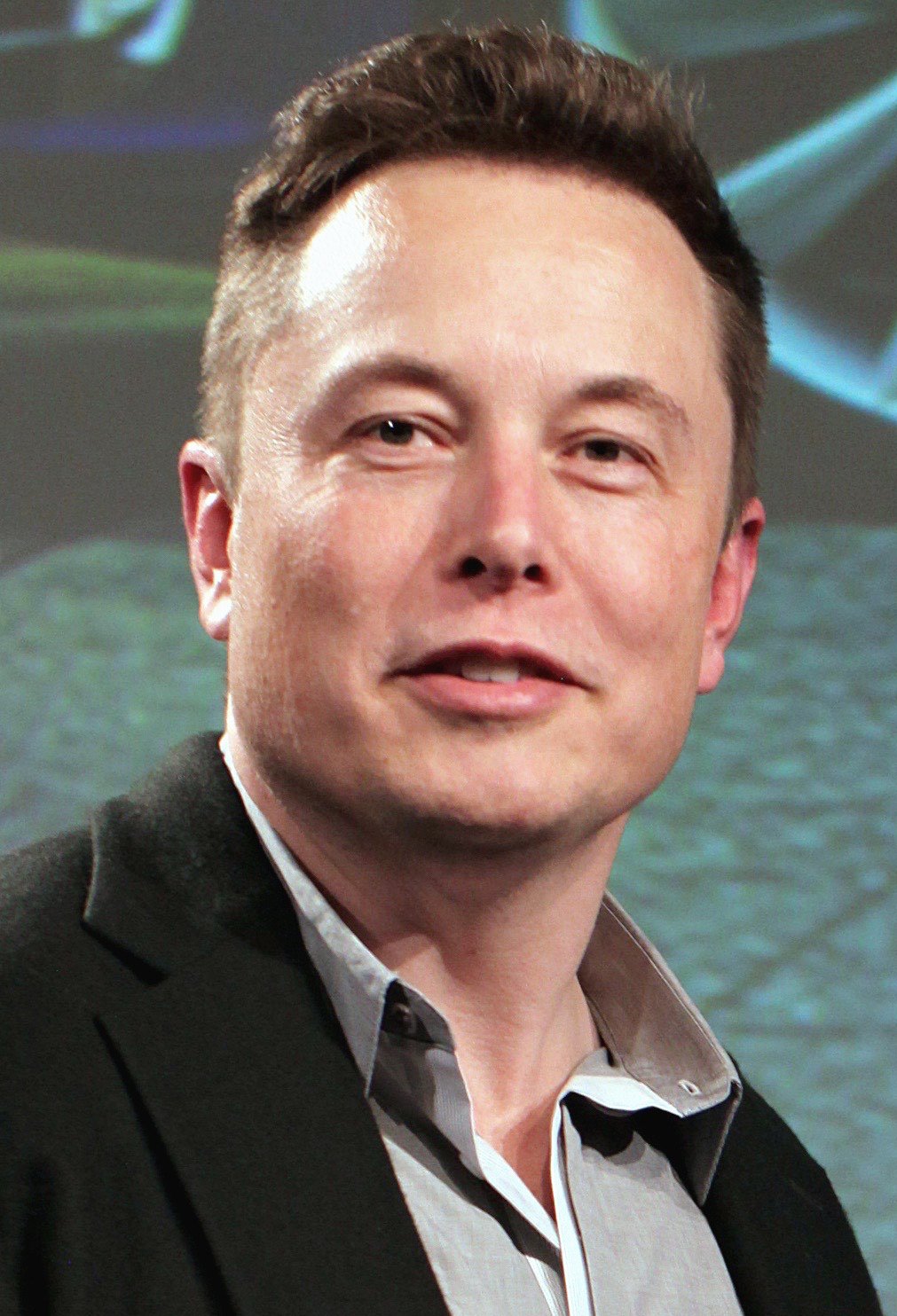
Photo: Steve Jurvetson / Wikimedia Commons, CC BY 2.0
- SpaceX revenue grew 161% last quarter, Tesla's barely moved
- A merger would need 50% of every single Tesla share to vote yes
- Musk would end up owning about a third of the combined company
161%. That is how much SpaceX's revenue grew in the three months to September 2026, Elon Musk's rocket and satellite company reported on 20 October.
Tesla, his car company, grew 26% over its most recent quarter. Now Musk wants to merge the two into one stock, in what would be the biggest corporate merger in history. Tesla's own quarterly results land this same week, and investors already know which half of the new company would carry the growth.
Why would anyone merge a car company with a rocket company?
Musk confirmed on SpaceX's earnings call this week that Tesla and SpaceX have formed special board committees to study a merger. He called it "a good idea" and pointed to shared ground in AI, chips, robotics and satellite connectivity.
A combined company would be worth about $3.5 trillion, based on Tuesday's closing prices, SpaceX near $2 trillion and Tesla near $1.48 trillion. That would beat SpaceX's own merger with Musk's AI company xAI earlier this year, which was worth $1.25 trillion. Nothing is signed. The two committees have not agreed on terms, and Musk himself called a shareholder vote "a high hurdle."
So which company is actually worth more right now?
Here is where the two companies stood this month, each figure dated and sourced.
| Tesla | SpaceX | |
|---|---|---|
| Latest quarterly revenue | $28.24 billion (Q2 2026, reported 22 Jul 2026) | $14.6 billion (Q3 2026, reported 20 Oct 2026) |
| Revenue growth | Up 26% year on year | Up 161% year on year |
| Valuation / market cap | About $1.48 trillion (20 Oct 2026) | About $2 trillion (16 Oct 2026) |
| Musk's stake | 20% of shares | 48.4% of shares, 82.3% of votes |
| Main business | Electric cars, batteries, energy storage | Rockets, Starlink satellites, AI data centre leasing |
SpaceX's quarterly revenue is now worth more than half of Tesla's, and it is growing more than six times faster. That one line is the whole story. Tesla sells the cars people recognise. SpaceX is where the money is actually moving.
Why is SpaceX suddenly growing six times faster than Tesla?
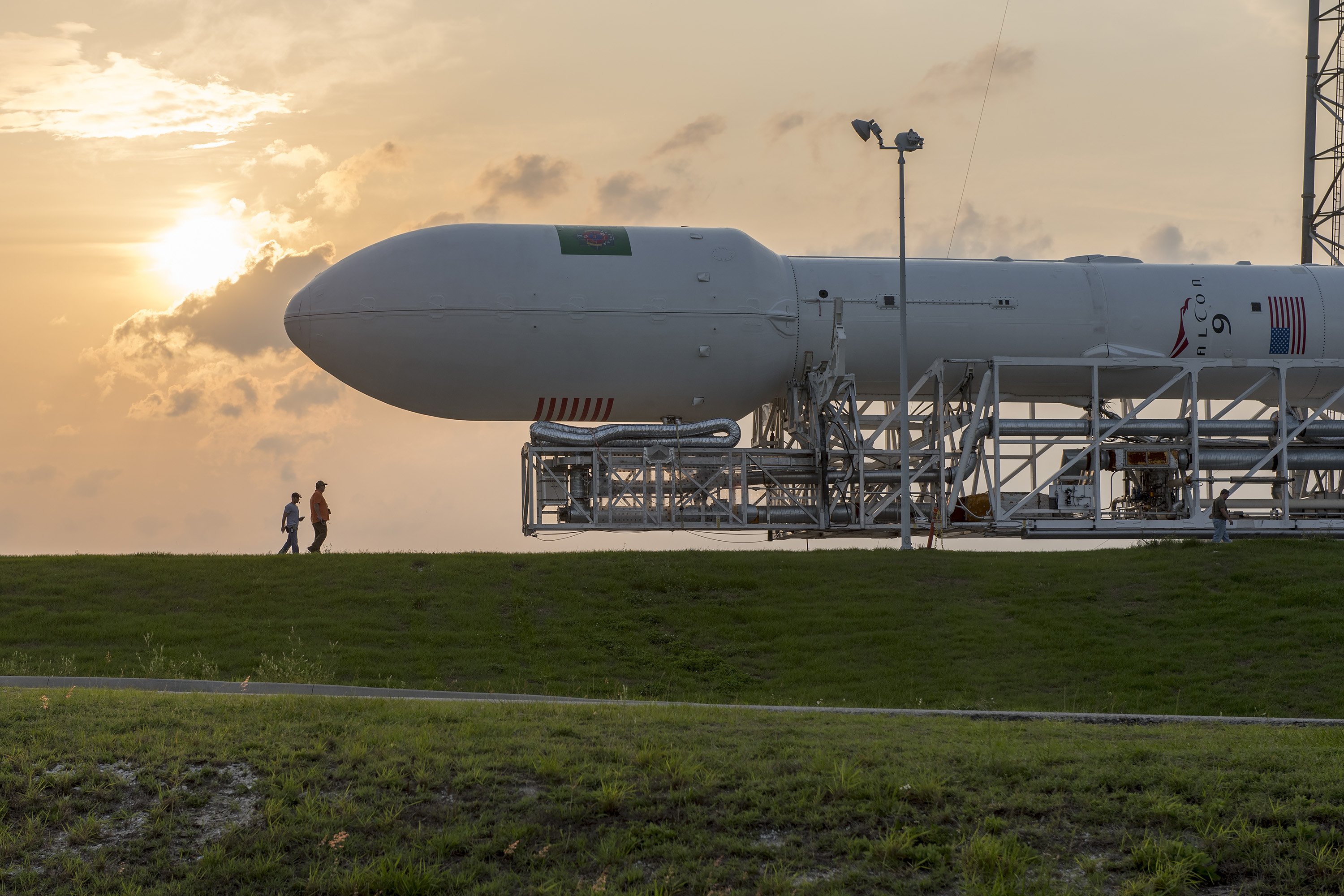
Photo: SpaceX / Wikimedia Commons, CC0
Not from rockets. SpaceX's Super Intelligence division, the arm that rents out data centre capacity to AI companies and runs its Grok chatbot, brought in $7.6 billion last quarter, up 830% from a year earlier. It now rents computing power to outside developers including Anthropic, Google and Reflection AI, and in September signed a $13.3 billion annual compute deal with an undisclosed customer.
 Read nextWhy a plain T-shirt is so hard to buy in South Africa, and where your money goes
Starlink's connectivity side added $5.2 billion, up 69%, helped by its push into mobile phone service and the spectrum deal that could change how millions of people pay their phone bills. Musk has also floated a plan to give every American child a SpaceX share, a separate idea that shows how much political capital he is spending on this one company's growth story.
Tesla's car business, by contrast, delivered 486,532 vehicles last quarter, slightly fewer than the year before. Automotive profit margins, excluding regulatory credits, sat around 16.3% in the prior quarter, a number investors have been watching closely for signs of recovery.
Could Tesla shareholders actually block this?
Yes, and the bar is set high on purpose. A merger needs a yes vote from 50% of every outstanding Tesla share, not just 50% of the shares that bother to vote. Musk himself called that "a high hurdle."
Analyst Gene Munster of Deepwater Asset Management puts the odds at 95% that some version of a deal happens within two years, though he stressed nothing is certain yet. Markets reacted unevenly within a day of the news. SpaceX shares jumped about 8% in extended trading. Tesla shares rose only around 1.5% to 1.76%, a gap that shows which company investors think is actually driving the value.
What happens to the Tesla shares you already own?
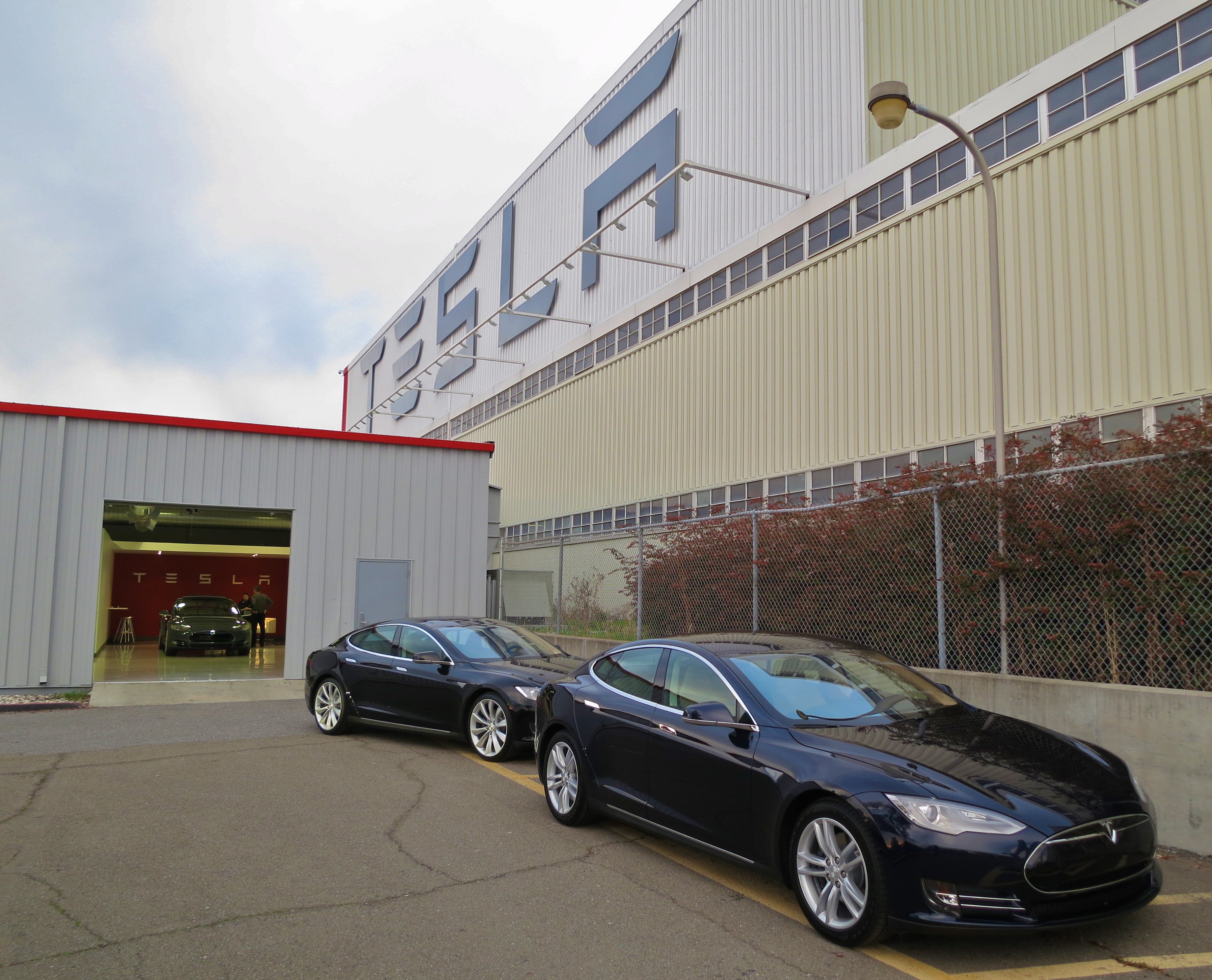
Photo: Steve Jurvetson / Wikimedia Commons, CC BY 2.0
If the merger goes ahead on anything like today's numbers, existing Tesla shareholders would end up owning a slice of a company that is mostly rockets and AI infrastructure, not cars. Musk is expected to come out of a combined company owning roughly a third of it, up from his current 20% of Tesla alone, because SpaceX shares would be priced at a premium to reflect its faster growth.
 Trending nowPetrol broke R30 a litre. We followed the money
That is a meaningful shift for anyone holding Tesla stock for the car business. Critics have already pointed out that folding a faster-growing private company into a public one dilutes every existing shareholder's slice, since new shares get created to pay for SpaceX. This is not investment advice, and nobody outside the two companies' boardrooms yet knows the exchange ratio that would decide exactly how much Tesla stock becomes worth under a merged structure.
What does the Starlink row over Ukraine have to do with any of this?
The timing is awkward. Days before the merger talks became public, SpaceX quietly capped Starlink speeds for Ukrainian forces on 14 October, with no warning to Kyiv, according to the Telegraph citing four sources. The restriction reportedly disrupted drone strikes and air defence operations. Those sources say Musk proposed the cap to President Trump directly.
Musk has pushed back on that account, writing that any limits on Starlink speed or usage are "decided by the U.S. military and ultimately the president," not by him. Either way, the episode is a reminder that Starlink, the division now doing much of SpaceX's heavy lifting, is also a tool of foreign policy, not just a growth engine on an earnings slide.
So what are Tesla shareholders actually being asked to approve?
Strip away the trillion-dollar headline number and the choice is simple. A Tesla shareholder today owns a slice of a car company with slowing growth. A merger would hand them a slice of a rocket and AI company growing six times faster, run by a man who already controls most of its votes and just became the centre of a dispute over satellite access in a war zone.
Nobody has to decide anything yet. The committees have not even agreed on terms, and the vote, when it comes, needs half of every share in existence to say yes. But the number that started this story has not changed since the earnings call. SpaceX made $14.6 billion last quarter, Tesla's car business made less, and Musk now wants one shareholder vote to decide if that difference becomes your problem or your opportunity.
Get the stories that hit your pocket
Petrol, SARS, Eskom, grants and the news everyone is talking about. One short email every weekday at 6am.
Free. One email each weekday. Unsubscribe anytime.Sources8
- Al Jazeera, Musk confirms Tesla-SpaceX merger talks (21 Oct 2026)
- Drive Tesla Canada, SpaceX Q3 2026 earnings, revenue up 161% (20 Oct 2026)
- ABC News, SpaceX revenue soars 161% as AI business grows
- Electrek, Tesla Q2 2026 financial results (22 Jul 2026)
- Electrek, the 50% shareholder vote hurdle and dilution concerns (20 Oct 2026)
- MEXC, Musk's SpaceX stake and voting power
- Kyiv Independent, Musk and the Starlink restriction on Ukraine (Oct 2026)
- Stocktwits, analyst odds on the merger
Keep reading
 MoneyBootlegger data leak: The locked dashboard that was never locked
 MoneyA Tembisa taxi depot is said to sell fuel at R10 a litre
 MoneyWhat Wednesday's mini budget means for your fuel, grants and taxes