A minister says small parties will be shut out of running your council. The vote is on 4 November
Almost four in ten councils have been hung since 2021. Now the government's big parties want to decide who runs them, and the small ones are the target.
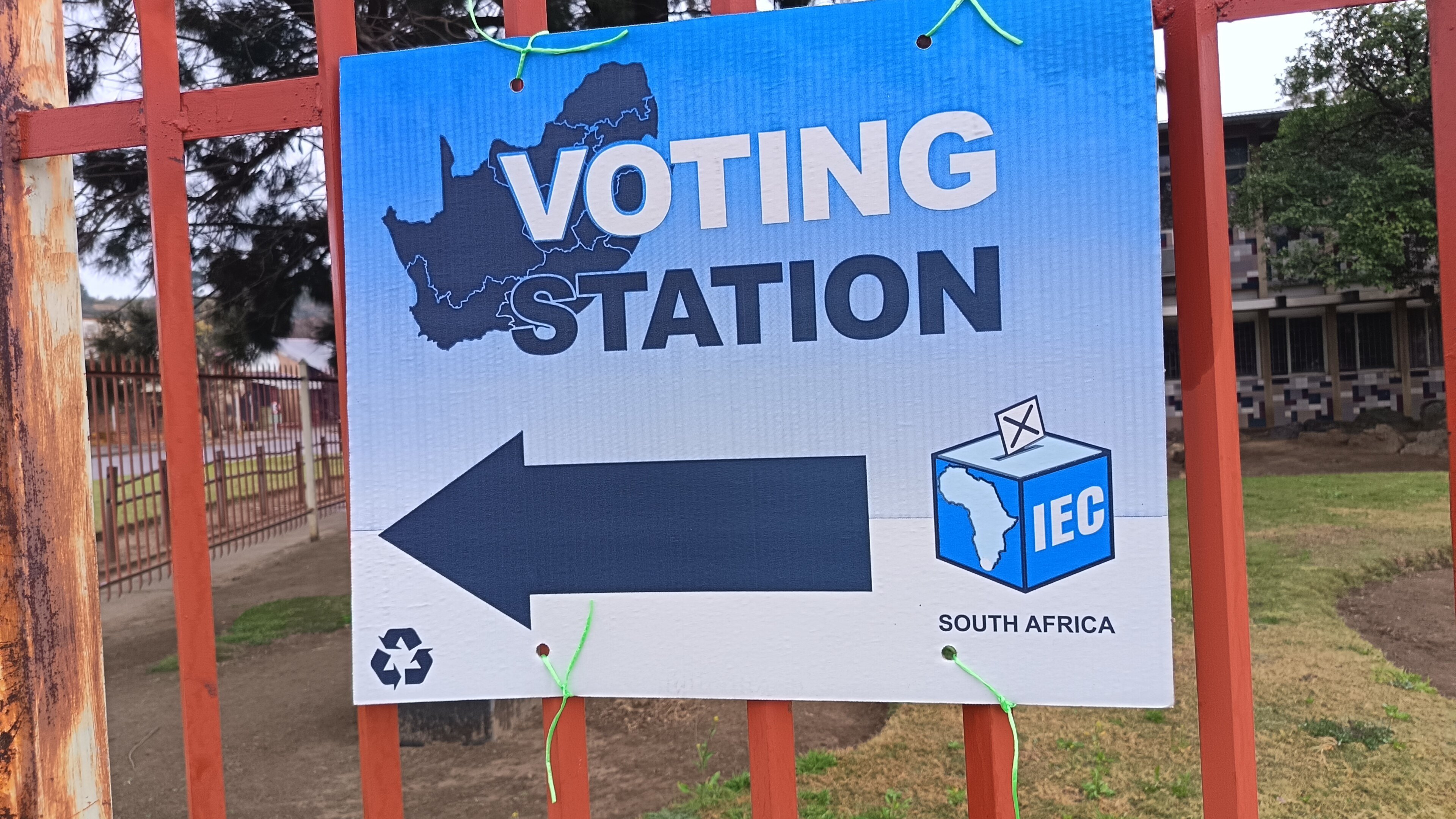
Photo: KeMang?? / Wikimedia Commons, CC BY 4.0
- A minister says small parties will not be allowed to lead councils
- 80 of 213 councils were hung at some point since 2021
- Johannesburg has been through six administrations in five years
80 out of 213.
That is how many of South Africa's directly elected councils were hung at some point between the 2021 vote and February 2026. A hung council is one where no party wins more than half the seats, so parties have to do deals to rule. The figure is from a new report by the think-tank Mistra, covered by Daily Maverick on 7 October.
The same week, Cooperative Governance Minister Velenkosini Hlabisa said small parties would not be allowed to lead councils. The News24 headline put it plainly: "No more small parties leading councils."
Voters go to the polls on 4 November.
What exactly did Hlabisa say about small parties?
Hlabisa is the minister in charge of local government. He is also the leader of the IFP, a party in the government of national unity, the GNU.
News24 reported on 7 October that GNU parties are in talks about taking the GNU model down to hung metros after the election. A weekly election recap says Hlabisa said that small parties would not be allowed to lead councils.
The News24 report sits behind a paywall, so we are working from its headline, its photo caption and that recap. We do not have his full words.
The point is plain, though. The big parties in Pretoria want to share power in hung cities the way they share it nationally.
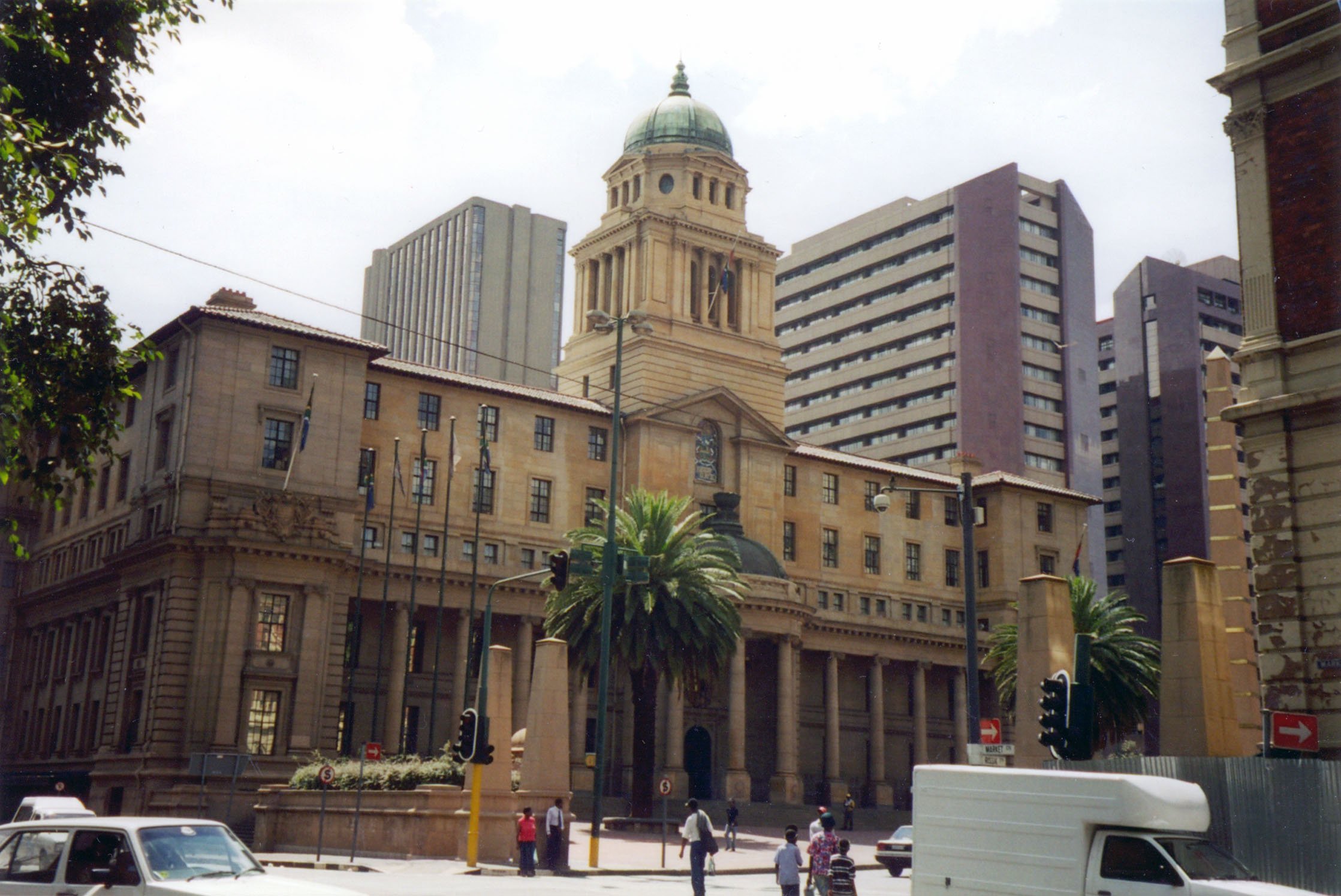
Photo: Chris Eason / Wikimedia Commons, CC BY 2.0
Why do big parties want hung councils to work like the GNU?
Because hung councils have been a mess. Mistra counted 175 municipal administrations since 2021. Half of them lasted less than about 21 months.
Johannesburg and Karoo Hoogland each went through six administrations. Many fell to no-confidence votes.
The ANC and DA share the GNU in Pretoria. But Mistra found that they have never governed together in a single council. In the 175 administrations it tracked, the ANC was part of 90 and the DA was part of 52.
Mistra says national and local politics run on "two separate tracks." Now Hlabisa's side wants the tracks joined.
Can small parties really be stopped from running a council?
Not by a speech. Councils pick their own mayors by votes, and a small party with the right number of seats can still win a vote.
That is why Mistra's other finding matters. Coalitions that left out the biggest party fell apart about four times as often as those that included it.
Of 31 such coalitions that were replaced, 29 were taken over by one led by the party that had been left out.
So shutting out the winner is risky. Shutting out the small parties is a different question, and nobody has put a number on it.
A News24 analysis from June carried the headline "Small parties to retain big power after November polls." A weekly recap says a Daily Maverick analysis reached the same view for Johannesburg, where small parties are likely to stay kingmakers.
Here is a made-up council to show how it works. It has 100 seats, so a party needs 51 to rule alone.
The biggest party wins 40. The second wins 35. Four small parties share the last 25.
Nobody has 51. The big two cannot rule without at least one small party, unless they join each other. That is the whole fight in one picture, and it is why small parties get called kingmakers.
Why does Hlabisa say councils need to be stable?
Because rubbish, water and roads suffer when a council keeps changing hands. In May he told Parliament the aim was "stabilising municipalities so that service delivery becomes reliable," according to EWN.
He said the election preparations were going well. The country has 4,488 wards to fill, after a fresh redrawing of the boundaries.
A review of the White Paper on local government is done, he said. The next step is new law.
That law is the Coalition Bill.
What would the Coalition Bill change?
A lot, if it passes. Hlabisa promised in May that coalitions would be held to binding legal agreements. He told Parliament the legislation was still far from done.
According to Daily Maverick's report on the Mistra findings, the Coalition Bill would:
| Change | What it means |
|---|---|
| Written agreements | Every coalition would need a signed deal |
| 30 days to form a council | Up from 14 days |
| Minimum threshold | A party would need a set share of votes to win a seat |
The threshold is the part that hits small parties. Analyst Terry Tselane says it aims at small parties instead of holding big ones to account, and he questions whether it is constitutional.
The Bill is not law yet. The vote on 4 November comes first.
Which councils could hang this time?
Mistra says voters are splitting among more parties, which could mean more hung councils after 4 November. It does not list which ones.
The election is already busy. The IEC is having its results system audited by experts from the ANC, DA, MK Party and ACDP. The EFF plans a rally at Orlando Stadium on 31 October.
In Nelson Mandela Bay, a court has ordered the ANC to put Andile Lungisa back on its list for the metro.
Want to know where to vote and what to bring? Our local elections guide covers it. And if you wonder who gets a say on the day, see our report on whether foreign nationals can vote.
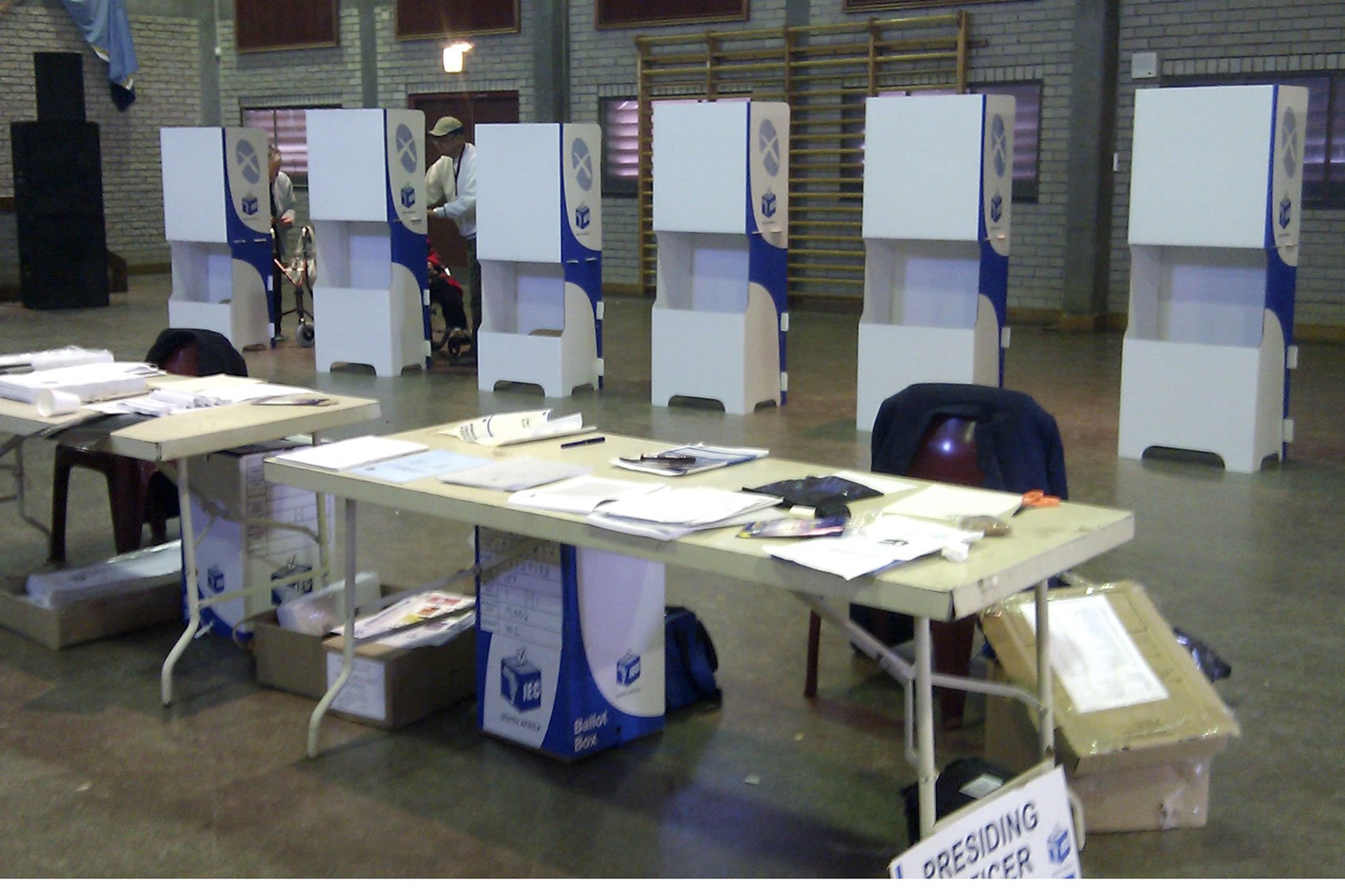
Photo: warrenski / Wikimedia Commons, CC BY-SA 2.0
Who ends up running Johannesburg this time?
Nobody knows, and the deals have not been made. What we do know is the record.
Johannesburg has already been through six administrations since 2021. Its coalitions came and went, and so did its mayors.
Whatever Hlabisa and the big parties plan, the small ones still hold the votes that decide it. On 4 November, voters pick the seats. After that, the real fight for the keys starts.
The seventh Johannesburg administration may be only weeks away.
Liked this story? Get the next one free.
One short email every weekday at 6am. The top stories, before everyone is talking about them.
Free. One email each weekday. Unsubscribe anytime.Sources5
- News24, No more small parties leading councils, says Hlabisa as GNU partners eye hung metros (7 Oct 2026)
- The South Africa Brief, The #LGE2026 week that was, 5 to 9 October 2026
- Daily Maverick, GNU has failed to change local coalition politics, report finds (7 Oct 2026)
- EWN, Hlabisa vows stability in municipal councils after local government elections (21 May 2026)
- News24 analysis, The tyranny of the tiny (11 Jun 2026)
Keep reading
 PoliticsNew MP Sagal Abdi-Wali swore on the Quran. Why it caused a storm
 PoliticsICE shooting in New York: 7 shots, a 5-year-old in the car
 PoliticsANC MP wants a law to strip citizenship over speech abroad