She spent 500 days alone in a cave and came out sure only 160 had passed
She knitted hats, read 60 books, fought off a swarm of flies and heard sounds that were not there. When her team arrived to end it, she did not want to leave.
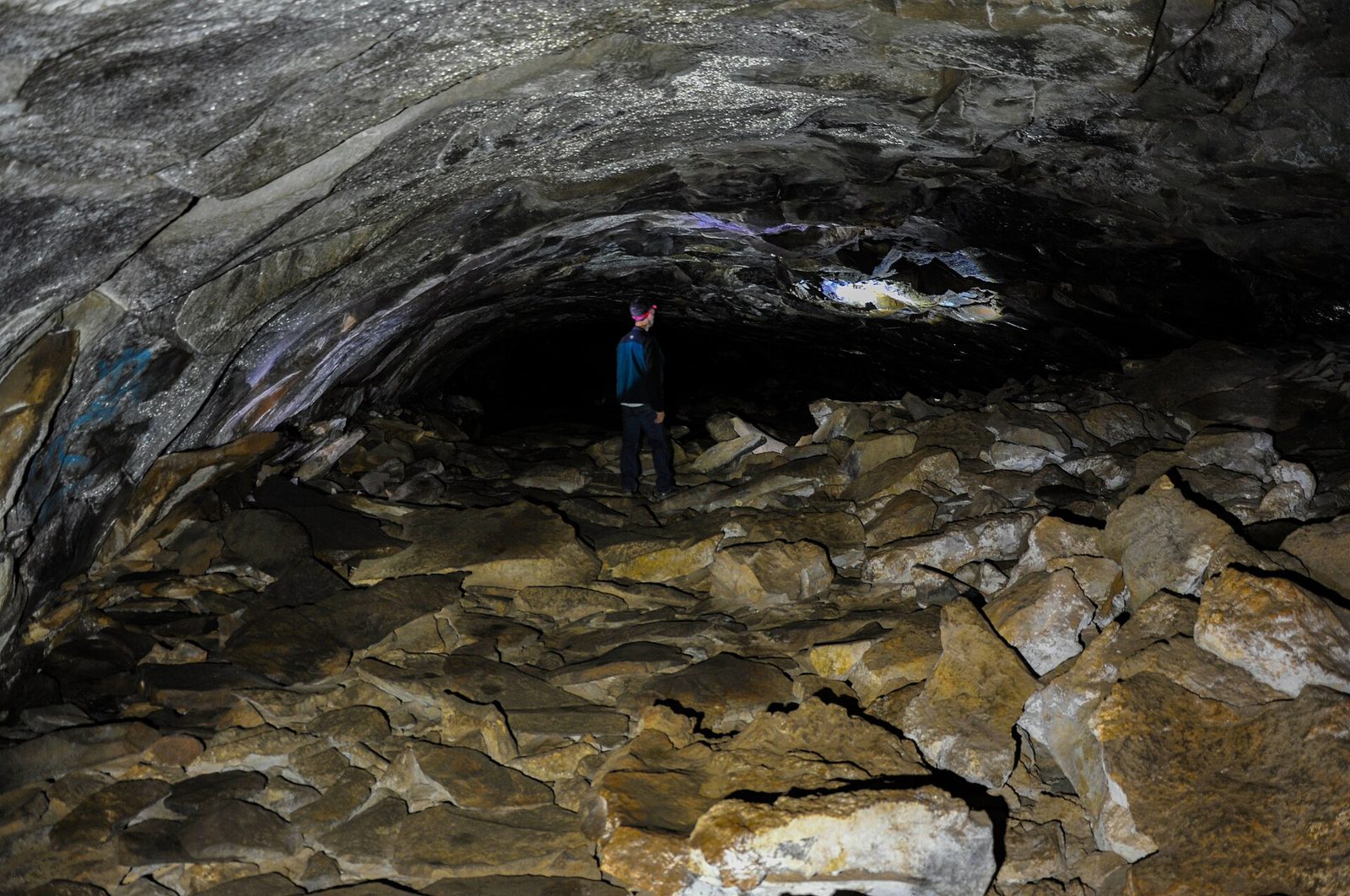
Photo: Coconino National Forest (Coconino NF Photography) / Wikimedia Commons, Public domain
- She stopped counting the days at day 65
- Flies and phantom sounds were the hardest part
- She missed a whole war breaking out above her head
Somewhere under a hillside near Motril, in southern Spain, a woman is asleep in a tent. It is pitch black. There is no clock, no phone and no window.
Then she hears people coming down to get her.
Beatriz Flamini had been underground for 500 days. She thought it had been about 160. Her brain had lost roughly 340 days without her noticing.
The story is back in front of millions of people this week, with one recent retelling passing 664.9K views. And the questions in the replies are the same ones people asked in 2023. How did she eat? How did she go to the toilet? Why would anyone do this?
Who is Beatriz Flamini?
Flamini is a Spanish mountaineer and extreme athlete from Madrid. She was 48 when she climbed down into the cave on 20 November 2021.
When she came back up on 14 April 2023, she was 50. She spent two birthdays alone under the ground.
The cave sits about 70 metres down, near Motril in the province of Granada. Her project had a name, Timecave. A Spanish production company, Dokumalia, filmed it for a documentary, according to reports at the time.
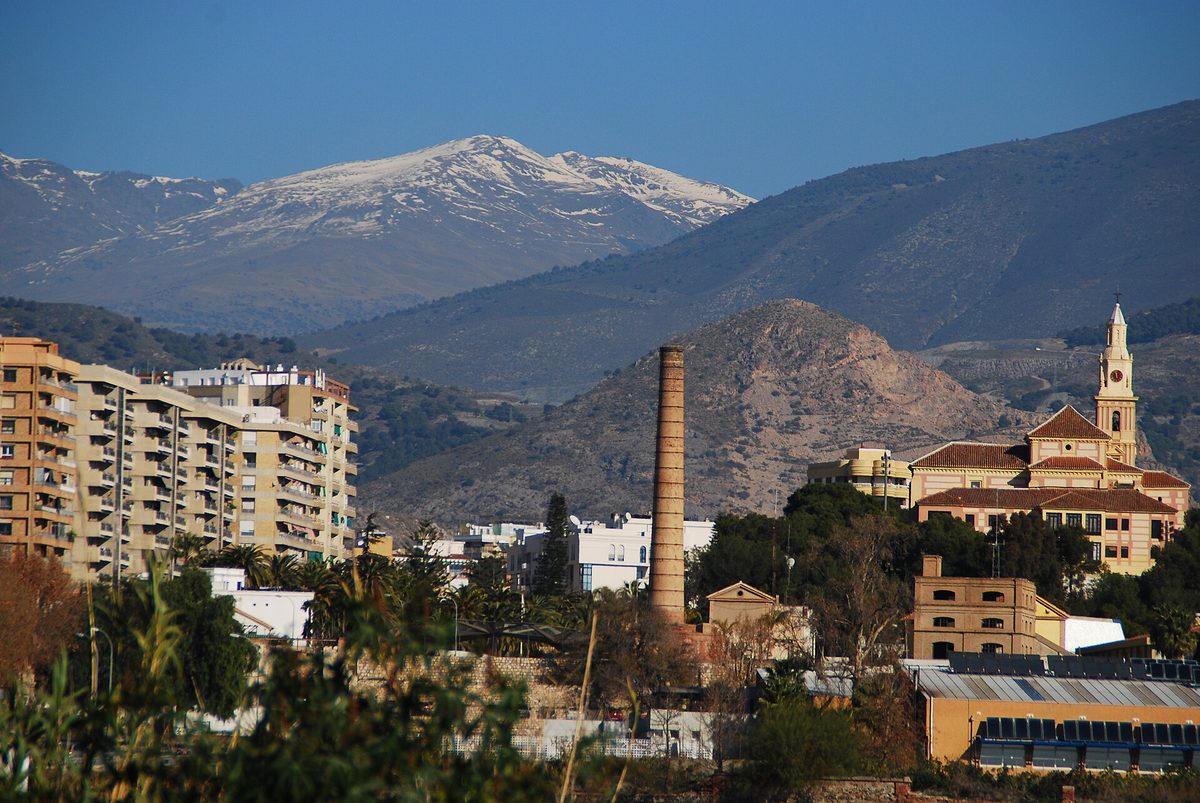
Photo: Rosa F. Seguido / Wikimedia Commons, CC BY-SA 4.0
Why did she lose track of time in the cave?
Our bodies run on an inner clock. Sunlight resets it every morning. Take away the sun, the clock and other people, and that inner clock starts to drift.
That is what happened to Flamini. She told reporters she counted the days at first. On day 65 she stopped counting and lost all sense of time.
When the team came to get her, she guessed she had been down there for 160 or 170 days. The real number was 500.
She also said she felt like she was still living on the day she went in. She had no idea that Russia had invaded Ukraine while she was below.
One reply to the story summed up how most of us would cope. Their wifi drops for five minutes and they start bargaining with themselves.
How did she eat, pee and poo in the cave?
This was the top question, and the answer is simple. She never had to meet anyone to get it done.
Her support team left food and clean supplies at a drop-off point in the cave, according to reports. She picked them up later, alone. Avocados and fresh eggs were among the things sent down.
Her waste went the other way. The team took it away without ever making contact with her, which is the part that kept the isolation real.
She took 1,000 litres of water, 60 books and two GoPro cameras down with her. The cameras were there to record her days for the team and the documentary.
Was she trapped down there?
No. She chose to go and she could leave. She had a panic button the whole time.
Asked later if she ever thought about pressing it, she said never. "In fact I didn't want to come out," she told reporters.
There was one break, and people still argue about it. A router she used to send audio and video messages to the team broke. She came out for eight days while it was fixed.
She stayed alone in a tent the whole time, with no contact and no news, reports say. Then she went back down. Some say that pause breaks the challenge. Her team said the isolation never stopped.
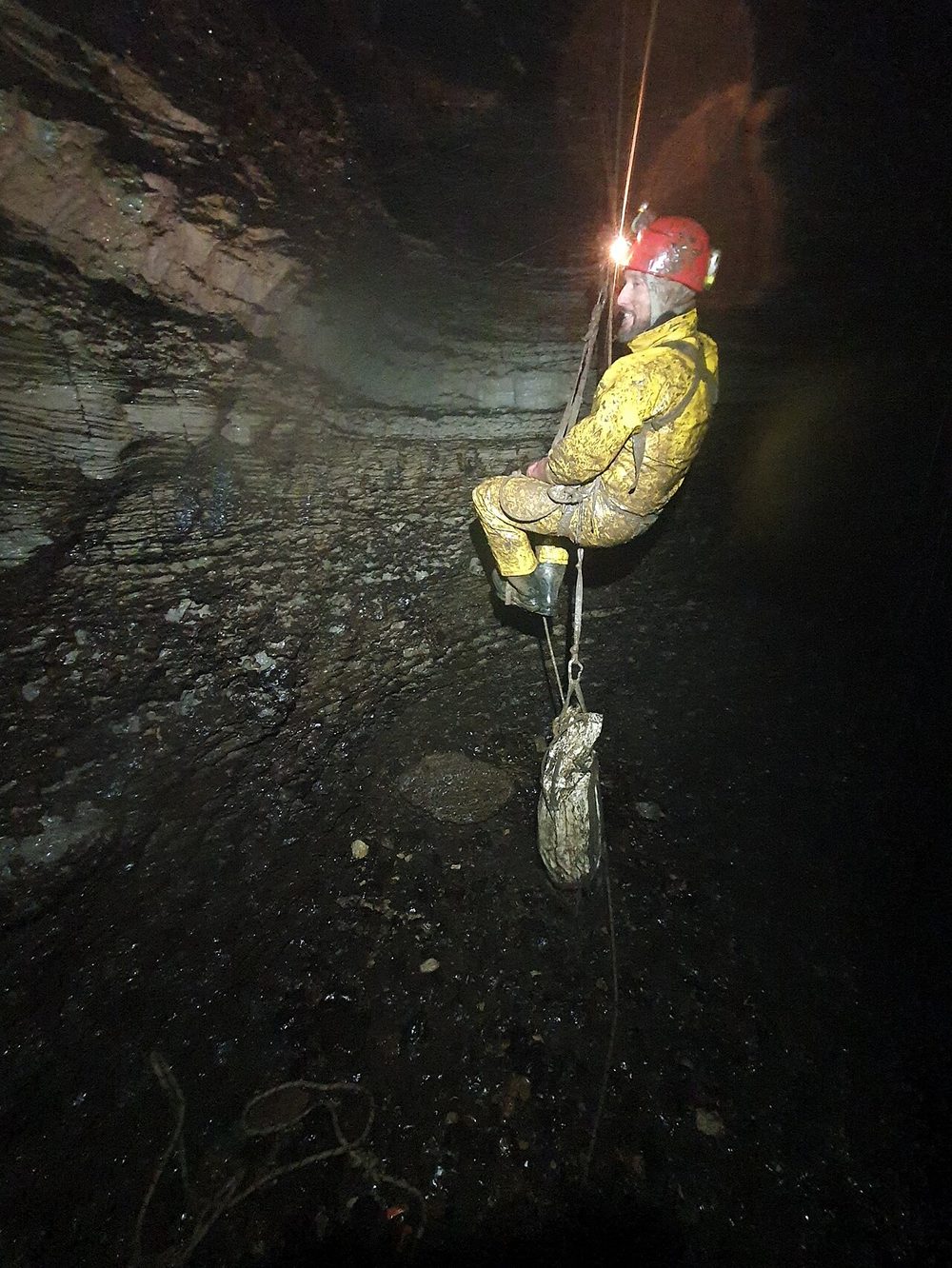
Photo: Cave Person 2 / Wikimedia Commons, CC BY-SA 4.0
What did she do all day for 500 days?
She kept busy. She worked out to stay fit. She drew and painted. She knitted woolly hats. She read 60 books.
She did not talk to herself out loud, she said. But she had long conversations inside her head.
It was not all calm. The worst memory, she said, was an invasion of flies that swarmed her space.
She also heard things that were not there. She described auditory hallucinations, meaning sounds her mind made up. You are silent, she explained, and the brain fills the gap.
What was the purpose of the experiment?
Scientists watched her the whole time from a distance. They wanted to see how long, total isolation changes a person.
Teams from the University of Granada and the University of Almería took part, along with Kronohealth, a spin-off of the University of Murcia's chronobiology lab, according to Spanish reports. Chronobiology is the study of the body's clock.
They wanted to know how being cut off changes the way we feel time, how we sleep and how the brain works. Psychologists, cave experts and fitness coaches all kept watch.
People in the replies had their own ideas. One said it should be used as a prison for serial killers. Another said it shows why long space trips will need rooms that feel like Earth. Someone with a sleep disorder after a head injury said their body clock had drifted the same way.
Not everyone loved it. A few people called her spoiled for treating it like an adventure. Most of the replies just wanted to know how she did it.
Did Beatriz Flamini break a world record?
Her team said yes. They called it a world record for the longest time spent alone in a cave.
Guinness World Records was more careful. Its listed record for the longest time survived trapped underground belongs to 33 miners in Chile, who spent 69 days stuck in 2010. A Guinness spokesperson could not confirm at the time if a separate record exists for living in a cave by choice.
So did she set a record? Her team says so. The official book never quite said it.
Has anyone else lost time in a cave?
Yes, and it happened 60 years earlier.
On 16 July 1962, a 23-year-old French geologist named Michel Siffre climbed down into a glacier cave called Scarasson, in the Alps. He had no clock. He called the surface when he woke, ate and slept, but never asked the time.
The team called him up on 14 September. Siffre was stunned. By his own count it was still 20 August. He had lost 25 days in about two months.
Siffre went on to spend more time in caves and helped build the science of body clocks. He died in 2024, aged 85.
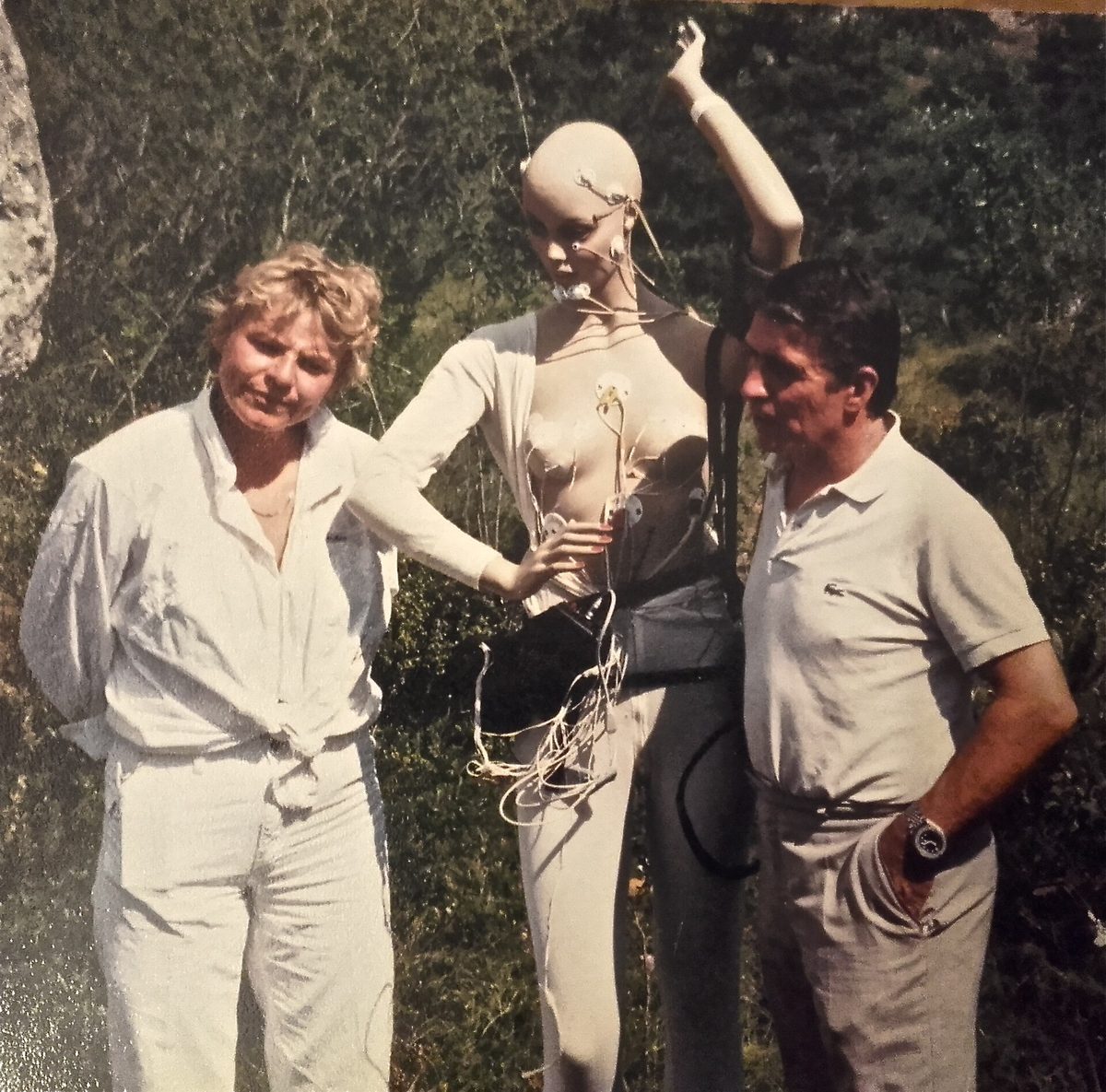
Photo: Farcyjeanpierre / Wikimedia Commons, CC BY-SA 4.0
Flamini's gap was far bigger. Siffre lost 25 days. She lost almost a year. It is the kind of thing that makes you ask how much a body can take without sleep or light, or how long one person can keep going, like the man who walked for decades to get home.
What did she say when they came to get her?
She had been sleeping, or dozing, when the team reached her. She thought something must have gone wrong.
Then they told her it was over. Her answer has stayed with people ever since.
"Already? Surely not," she said, as reported by Reuters. "I hadn't finished my book."
She climbed out into the sun in sunglasses, smiling, and hugged her team. Then she asked to be excused for a shower. She had not had one in a year and a half.
Five hundred days alone in the dark, and what she wanted most was a little more time down there. For Beatriz Flamini, the world above could wait.
How does this make you feel?
The week's biggest stories, every Monday
One email. The stories everyone will be talking about, before they do.
Free. One email a week. Unsubscribe anytime.Keep reading
 ViralKarl Bushby is back in Britain after 28 years on foot
 ViralWarner Bros and Paramount just became one giant company
 ViralThe wildest parts of John McAfee's life were real