What is pneumonic plague? How it spreads, how fast it kills and how it is cured
It caused some of the deadliest outbreaks in history. Today a cheap course of antibiotics can stop it. Here is what pneumonic plague is, in plain words, with the facts from the WHO and the CDC.
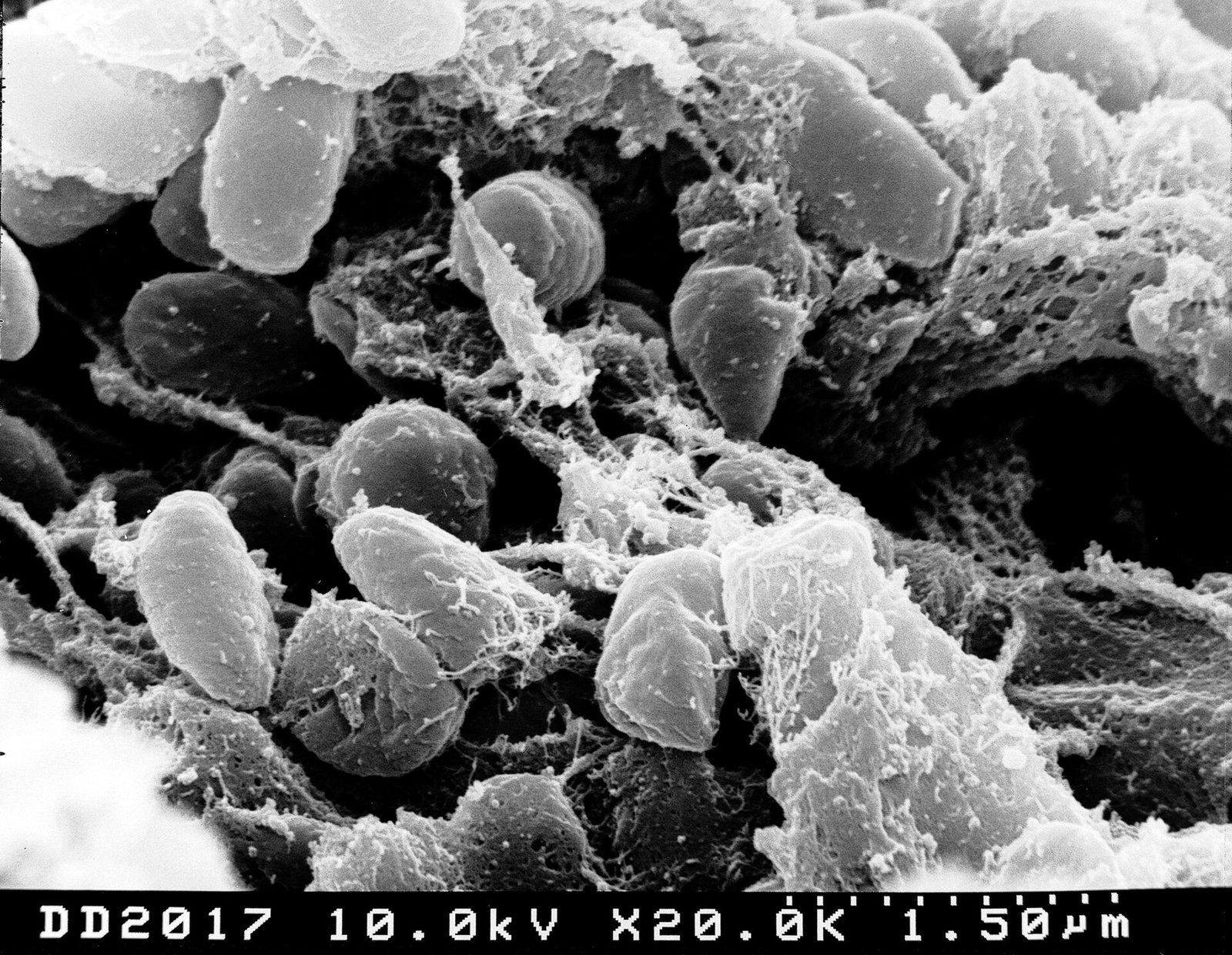
Photo: NIAID (US National Institute of Allergy and Infectious Diseases) / Wikimedia Commons, Public domain
- The only form of plague that spreads from person to person
- Untreated, it can kill in about a day
- Common antibiotics cure it when started early
Pneumonic plague is a lung infection caused by Yersinia pestis, the same bacterium behind the Black Death. It is the only form of plague that can pass from one person to another, through droplets coughed into the air.
It is rare, and without treatment it is almost always deadly. But it is also curable with common antibiotics, as long as treatment starts fast.
Key facts about pneumonic plague
- It is caused by the bacterium Yersinia pestis, which lives in wild rodents and their fleas.
- It spreads between people through coughed droplets, usually at close range of about 2 metres (6 feet).
- Untreated, it can kill within 18 to 24 hours of the first symptoms, according to the WHO.
- Common antibiotics such as gentamicin, streptomycin and ciprofloxacin cure it when given early.
- Plague still lives in wild animals on several continents. Most human cases today are in the Democratic Republic of the Congo and Madagascar.
How is pneumonic plague different from bubonic plague?
Plague comes in three main forms. The difference is where in the body the infection takes hold.
Bubonic plague is the most common. It usually starts with a bite from an infected flea. The bacteria settle in the lymph nodes, which swell into painful lumps called buboes.
Septicemic plague is when the bacteria multiply in the blood.
Pneumonic plague is when the bacteria reach the lungs. That can happen if bubonic or septicemic plague goes untreated and spreads, or if a person breathes in infected droplets. According to the CDC, it is the only form of plague that can spread from person to person.
How does pneumonic plague spread?
A sick person coughs. Tiny droplets carrying the bacteria travel through the air. Someone nearby breathes them in.
Catching it this way usually needs close, face-to-face contact. Health officials describe that as being within about 6 feet of a sick person. It does not drift across a city the way measles can.
People can also catch it from animals. Pet cats with plague have passed pneumonic plague to their owners in the United States, and hunters can be infected while handling sick wild animals.
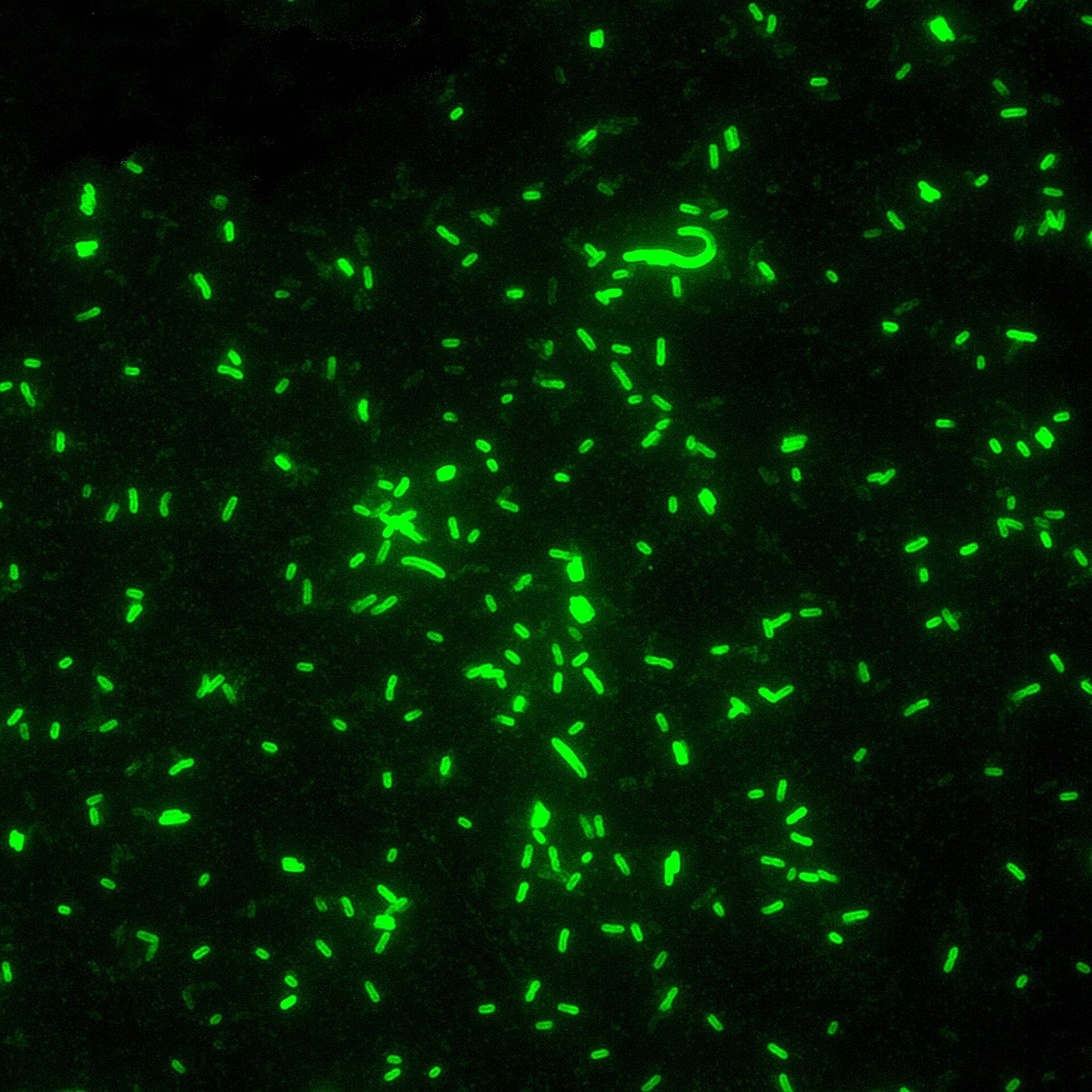
Photo: CDC / Larry Stauffer, Oregon State Public Health Laboratory / Wikimedia Commons, Public domain
What are the symptoms of pneumonic plague?
The CDC lists fever, headache and weakness, followed by a fast-developing pneumonia. That means shortness of breath, chest pain and a cough, sometimes with bloody or watery mucus.
Symptoms can start as soon as one day after breathing the bacteria in. Most people fall ill within one to three days.
The early signs look a lot like flu or ordinary pneumonia. That is why doctors in plague areas ask about contact with sick people, rodents or fleas.
How fast does pneumonic plague kill?
Very fast, if nothing is done. The WHO says untreated pneumonic plague is always fatal, and that it can kill within 18 to 24 hours of the first symptoms.
With treatment, the picture flips. In Madagascar in 2017, the WHO counted 2,348 plague cases, most of them pneumonic, and 202 deaths. Most of the people who got antibiotics in time survived.
Is pneumonic plague curable?
Yes. Plague is a bacterial infection, so antibiotics work on it.
The CDC lists gentamicin and fluoroquinolones such as ciprofloxacin and levofloxacin as first-line treatments in the United States. Streptomycin and doxycycline are also used. A full course lasts 10 to 14 days.
Timing is everything. Health agencies say treatment should start within 24 hours of the first symptoms. Doctors are told not to wait for test results if they suspect plague.
People who were close to a patient get a 7-day course of antibiotics to stop them falling ill at all.
There is one warning from the lab. In 1995, scientists at the Pasteur Institute found a plague strain in a 16-year-old boy in Madagascar that resisted several antibiotics, including streptomycin and tetracycline. The resistance sat on a piece of DNA that bacteria can share. Such strains have stayed very rare, and other drugs still work against them.
Is there a vaccine for plague?
Not one you can get at a clinic in the US or Europe. The WHO does not recommend plague vaccination except for high-risk groups, such as lab workers who handle the bacteria.
Russia is different. It uses a live plague vaccine, based on a weakened strain called EV, for people who live in plague areas or work with the germ. Because of safety concerns, it is not available in the US or Europe.
Where does plague still exist today?
Plague never fully left. It survives in wild rodents such as marmots, prairie dogs, ground squirrels and rats, and in the fleas that live on them.
The WHO says most human cases between 2019 and 2025 were in the Democratic Republic of the Congo and Madagascar. Peru, Mongolia, China and parts of Central Asia and Russia also have plague in their wildlife.
The United States has it too. The CDC says the country records an average of seven human cases a year, mostly in rural northern New Mexico, Arizona, Colorado and California.
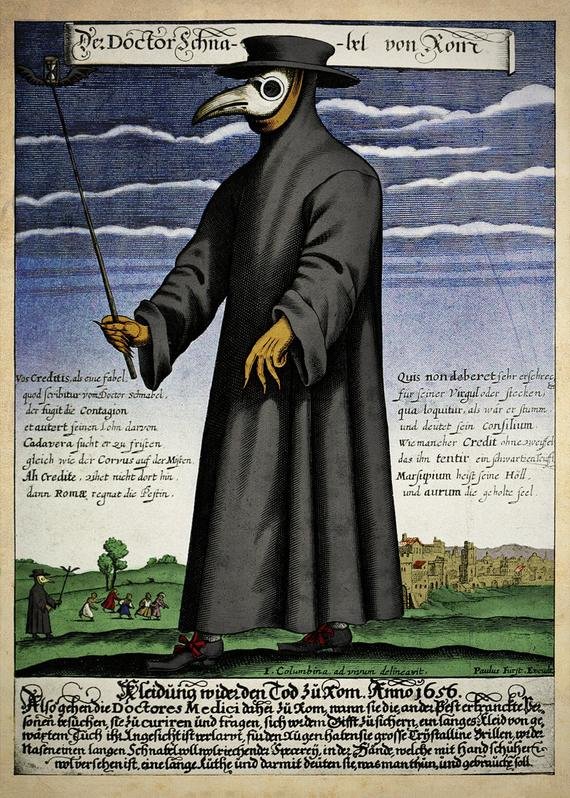
Photo: Paul Fürst (publisher), after I. Columbina / Wikimedia Commons, Public domain
What are the worst pneumonic plague outbreaks in history?
The Black Death swept through Europe from 1347 to 1351 and killed roughly a third of the population. In 2011, scientists pulled plague DNA from the teeth of victims buried in London and confirmed Yersinia pestis was the cause. Most victims had the bubonic form, but the pneumonic form helped it spread in crowded homes.
The clearest pneumonic outbreak came in Manchuria, in northeast China, in 1910 and 1911. It killed about 60,000 people. A doctor named Wu Lien-teh got medical workers into gauze and cotton face masks, set up quarantines and had bodies cremated. It worked.
In 1994, pneumonic plague broke out in Surat, India. Panic moved faster than the disease. Hundreds of thousands of people fled the city in a few days. The CDC later counted 53 deaths across India, 49 of them in Surat.
In 2017, Madagascar faced the biggest modern outbreak, with more than 1,700 pneumonic cases. Fast treatment kept the death rate under one in ten.
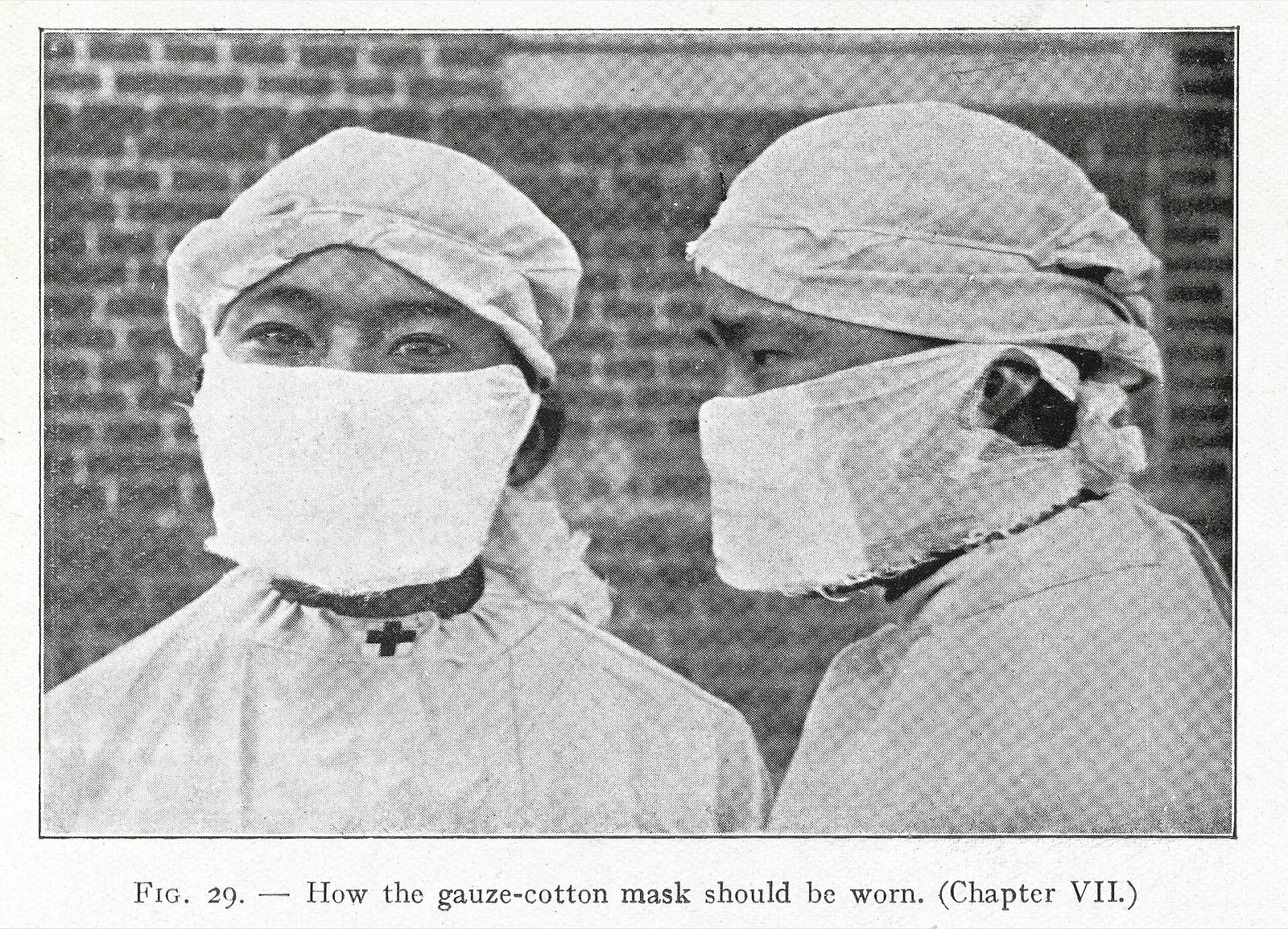
Photo: K. Chimin Wong and Wu Lien-teh / Wikimedia Commons, Public domain
Could pneumonic plague start a pandemic?
It is very unlikely today. Pneumonic plague needs close contact to spread. People get sick fast, so cases show up quickly. And cheap antibiotics both treat patients and protect their contacts.
That is why outbreaks in Madagascar and Surat stayed in one country. The WHO and CDC both say that quick detection, isolation and treatment stop the chain of spread.
What happened in Irkutsk in 2026?
In late September 2026, a 28-year-old lab technician at the Irkutsk Anti-Plague Research Institute in Siberia died two days after reaching hospital. Russian media reported pneumonic plague, and nearly 200 people were isolated. You can read the full story of the Irkutsk death and follow every update on plague in Russia.
Russia's health agency, Rospotrebnadzor, says she died of pneumonia of undetermined origin and that no plague was found in her or her contacts. Critics point to the size of the quarantine and to officials who edited early posts. The WHO has asked Russia for more details and rates the risk outside Russia as very low. We also looked at what goes on inside the institute where she worked and whether people abroad should be worried.
Why is plague less deadly today?
For most of history, pneumonic plague was a death sentence. Nobody knew it was a germ, and nothing could stop it once it reached the lungs.
Then came 1894, when the scientist Alexandre Yersin found the bacterium in Hong Kong. Then came antibiotics in the 1940s. Today the disease that emptied medieval cities can be stopped by a cheap course of common antibiotics.
The rules are simple. Know the signs. Get treated within a day. Give antibiotics to close contacts. Follow them, and the oldest killer in human history loses.
Latest on this
 7 Oct 2026An MIT scientist says Irkutsk may not be plague at all
 7 Oct 2026The US tells Americans in Russia to leave, in a plague alert
 7 Oct 2026Inside the Siberian plague lab at the centre of Russia's scare
 7 Oct 2026Should you be worried about the plague in Russia?
 7 Oct 2026Moscow once blamed bad meat for an anthrax leak. Now it says pneumonia
Sources9
- WHO plague fact sheet
- CDC, plague signs and symptoms
- CDC, clinical care of plague
- CDC, plague maps and statistics
- WHO, Madagascar 2017
- CDC MMWR, plague in India 1994
- Institut Pasteur, multidrug-resistant plague
- Bos et al., Black Death genome, Nature 2011
- Russian vaccines against dangerous pathogens (PMC review)
How does this make you feel?
The week's biggest stories, every Monday
One email. The stories everyone will be talking about, before they do.
Free. One email a week. Unsubscribe anytime.Keep reading
WorldInside the Siberian plague lab at the centre of Russia's scareWorldAn MIT scientist says Irkutsk may not be plague at allWorldThe US tells Americans in Russia to leave, in a plague alert