Not plague at all? The chilling theory about what really killed the Irkutsk lab worker
Russia has almost certainly read the germ's genetic code, says MIT's Kevin Esvelt. So why won't it name it? Here is the theory, the words behind it, and why a senator who spent years chasing lab leaks is paying attention.

Photo: US Department of Homeland Security (DHSgov) / Wikimedia Commons, Public domain
- Plague contacts normally get a week of pills, not a locked door
- A US scientist says Russia must already know the germ's genetic code
- A drug-proof plague strain has turned up in the wild before
New to this? What is pneumonic plague? The facts, explained simply
When a lab worker catches plague, the playbook is simple. Everyone who was near her gets a week of antibiotic pills. Nobody gets locked in.
In Irkutsk, Russia did the opposite. More than 60 staff were sealed inside their institute. Hospitals were put under quarantine. Officers from the FSB, Russia's security service, reportedly escorted the ambulances.
To one American scientist, that mismatch says everything. "Physical lockdown indicates it cannot be controlled with prophylactic antibiotics," he wrote, "implying engineered pan-resistance or that it isn't plague at all."
Who said the Irkutsk germ "isn't plague at all"?
The words belong to Kevin Esvelt, a biologist at MIT who studies biosecurity, meaning how to stop pandemics and germ weapons before they happen.
He laid out his theory online this week. The Daily Beast reported it on 6 October under the headline "Top Scientist Sounds Grim Alarm Over Russia's 'Plague' Mystery".
His first point was blunt. Russia's response, he wrote, is "inconsistent with a lab-acquired plague infection, which would have been treated with prophylactic antibiotics."
Then he continued. "Russian authorities have surely sequenced the Irkutsk pathogen, but refuse to identify it."
On Wednesday, Senator Rand Paul shared that passage with his followers. His post has drawn 85K views, and it pushed the theory from a science corner of the internet into Washington.
What does "sequenced" mean?
Every living germ carries a genetic code, a long string of chemical letters that works like an instruction manual. Sequencing means reading that manual.
Modern machines can do it in hours or days. Once a lab has the code, it can compare it with known germs and say exactly what it is.
That is Esvelt's point. He says this kind of testing "reliably identifies pathogens", and that people seldom die of pneumonia without a germ behind it, "let alone 28-year-olds".
Darya Shipilova, the lab technician at the centre of the Siberian plague scare, was 28.

Photo: Scotted400 / Wikimedia Commons, CC BY 3.0
What are prophylactic antibiotics?
Prophylactic means preventive. These are antibiotics given to healthy people who might have been exposed, before they get sick.
For plague, that usually means seven days of pills for close contacts, under US health guidance. Plague is a bacterium, and common drugs like doxycycline kill it.
It is cheap and it works. That is why a lockdown looks so strange to Esvelt. If pills can protect everyone around a plague patient, there is little reason to seal hospitals, call in the FSB or send workers in hazmat suits.
He also raised a darker detail. If Shipilova really died of plague, he wrote, she was presumably unvaccinated and "did not receive antibiotics per protocol".
What does "pan-resistant" mean?
A pan-resistant germ shrugs off every antibiotic doctors would normally use. "Pan" means all.
If plague were pan-resistant, the usual pills would fail. Contacts could not be protected with a prescription. The only tool left would be the old one, walls and locked doors.
It has happened in nature before. In 1995, doctors in Madagascar found a plague strain in a 16-year-old boy that resisted several of the main plague drugs at once. Researchers later traced it to a piece of DNA that bacteria can pass to each other.
Esvelt's word was "engineered". That points at a lab, not nature. Former Trump arms control envoy Marshall Billingslea went further this week. He told Fox News readers that Soviet defector Ken Alibek had told him Soviet scientists built antibiotic-resistant plague at the Irkutsk facility. "This may not be just 'the plague,'" Billingslea wrote. "It may be far worse."
That is Alibek's account, passed on by Billingslea. Russia says it has no offensive germ programme today. But the Soviet Union said that too, as Moscow's long record of hiding outbreaks shows.
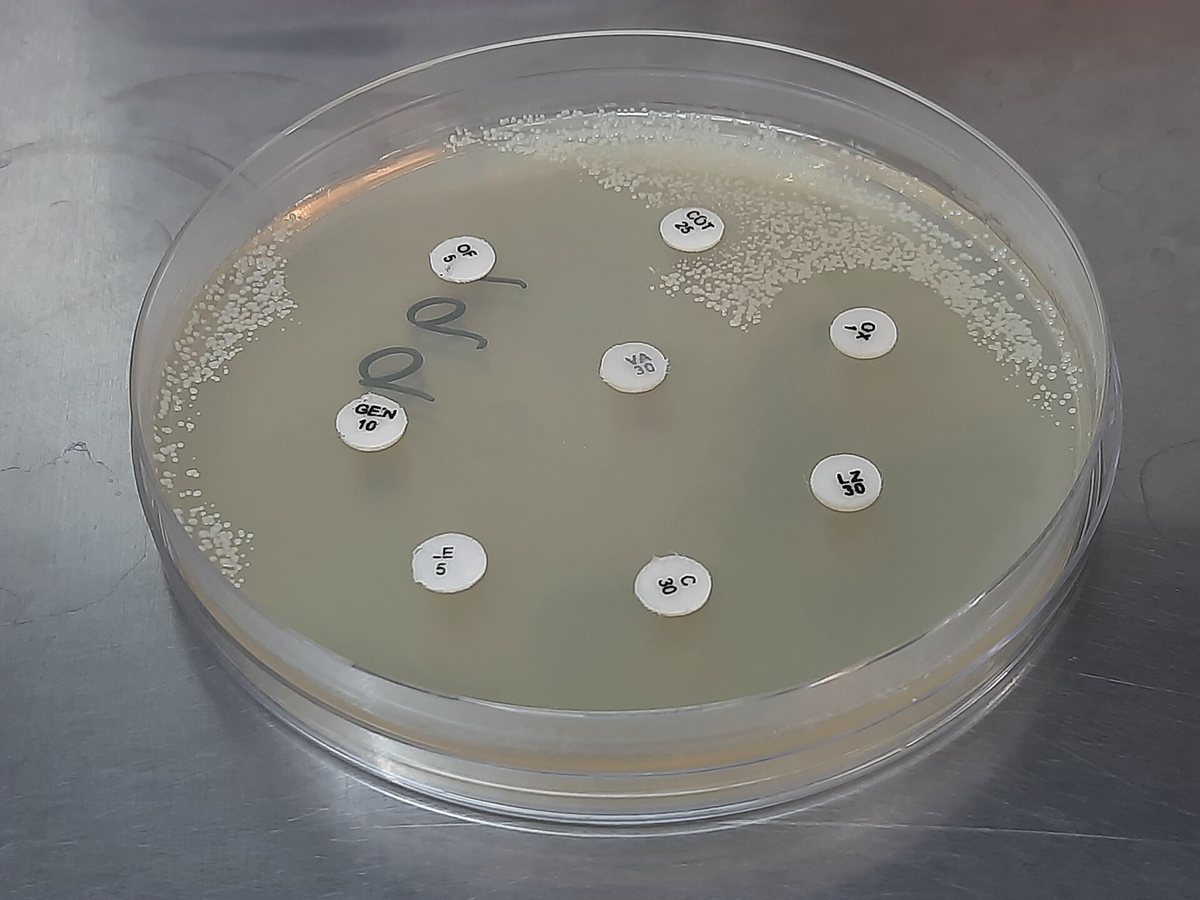
Photo: Ajay Kumar Chaurasiya / Wikimedia Commons, CC0
Why is Rand Paul so worried?
Because this is the fight he has picked for five years.
Paul is a doctor, an eye surgeon, and chairman of the Senate's Homeland Security committee. Since 2021 he has argued that COVID may have leaked from a lab in Wuhan. He clashed with Anthony Fauci in hearings over risky virus research, and wrote a 2023 book called Deception about COVID's origins.
As chairman, he subpoenaed 14 federal agencies over COVID origins and "gain-of-function" research. That means experiments that make germs more dangerous to study them. His Risky Research Review Act, which would create an independent watchdog for that work, passed his committee 11 to 2.
On Fox News this week, Paul called the Irkutsk case disconcerting. He said defectors in the 1970s and 1980s revealed the Soviets were weaponising plague. He said the US should do its "due diligence by looking at satellite images and looking to see what their military is doing".

Photo: Gage Skidmore / Wikimedia Commons, CC BY-SA 2.0
What does Russia say killed her?
Officially, "pneumonia of unknown etiology". Rospotrebnadzor, Russia's health watchdog, says tests found "no microorganisms associated with the employee's professional duties", but Moscow has not published the lab data or said which germ made her ill. The quarantines, the deleted posts and every official denial are in our first report on her death.
What do other experts think?
Esvelt is not alone in doubting the official story. Russian epidemiologist Michael Favorov, who lives in the US, called the broken test tube explanation "laughable", the Daily Beast reported. He said protective gear would make that kind of infection unlikely.
Others are calmer. Samuel Scarpino of Northeastern University says plague is treatable with antibiotics, so even real spread "would be readily addressable". For the straight medical answers, see our guide on how worried you should be.
Esvelt himself is careful on one point. "None of this means the Irkutsk pathogen will cause a pandemic," he wrote. But he says the response shows Russia believes an epidemic is possible, and that the germ is "likely a pandemic weapon or otherwise embarrassing for the government."
What is Russia not saying?
Strip the theories away and one question is left. What is the name of the germ that killed a healthy 28-year-old?
If it is plague, Russia can say so and hand out pills. If it is a cold virus, it can publish the test. If it is something else, the world has a right to know under the 2005 International Health Regulations.
Somewhere in Irkutsk, Esvelt believes, a machine has already read the answer letter by letter.
"The question," he wrote, "is why they will not tell the world which one."
Sources10
- Senator Rand Paul, 7 October 2026
- The Daily Beast, Kevin Esvelt
- Business Today, Esvelt's full argument
- Fox News, Marshall Billingslea
- Mediaite via Yahoo, Rand Paul on Fox News
- The Daily Beast, Russia's official line
- Northeastern University
- Senate Homeland Security committee, COVID origins subpoenas
- CDC, plague treatment and prophylaxis
- Multiple antimicrobial resistance in plague (PMC)
How does this make you feel?
The week's biggest stories, every Monday
One email. The stories everyone will be talking about, before they do.
Free. One email a week. Unsubscribe anytime.Keep reading
 WorldInside the Siberian plague lab at the centre of Russia's scare
 WorldShould you be worried about the plague in Russia?
 WorldMoscow once blamed bad meat for an anthrax leak. Now it says pneumonia