What is Shamonda virus, the virus just linked to a death in France?
It has infected cattle, sheep and goats for 60 years without ever touching a person. Now a man in France has died after catching it, and searches for the virus are spiking. Here is the calm, sourced answer.

Photo: Tournasol7 / Wikimedia Commons, CC BY 4.0
- A livestock virus from 1965 just caused its first known human death
- It spreads through biting midges, never between people
- It has already turned up in Western Cape goats
Shamonda virus is a disease that lives in cattle, sheep and goats and spreads through the bite of a tiny midge. It has never been known to pass from one person to another, so unless you work closely with livestock in an outbreak area, you do not need to worry about catching it.
That answer matters right now because France has just reported the first confirmed human case of Shamonda virus anywhere in the world. The patient, a man in his 60s near Lyon, died in early October 2026. French authorities announced the case on 22 October.
Searches for the virus have spiked this week, including in South Africa, for two reasons. It is the first time Shamonda virus has ever been found in a person, and that first case ended in death.
Key facts about Shamonda virus
- The first ever human case was confirmed in France, announced 22 October 2026, after the patient died in early October.
- The virus has lived in livestock since at least 1965, when it was first isolated in cattle in Nigeria.
- It spreads through bites from Culicoides midges, not through contact between people or animals.
- No human to human transmission has ever been recorded. The World Health Organization calls the French case "isolated."
- The virus has already turned up in South African livestock, found in a goat fetus from the Western Cape in 2021.
The 61-year timeline of Shamonda virus, from Nigeria to France
No single report has pulled these dates together before. Each one comes from an official body or a peer-reviewed study.
| Date | What happened | Source |
|---|---|---|
| 1965 | First isolated in cattle in Nigeria | WOAH |
| 2012 to 2014 | Antibodies found in cattle and sheep across Nigeria, showing it was still circulating | Peer-reviewed survey |
| May 2021 | Found in an aborted goat fetus in Velddrif, Western Cape, the first detection in South Africa | Pathogens journal, 2023 |
| June 2026 | First detected in French dairy cattle, in the Doubs and Ain regions | French veterinary study |
| Early August 2026 | Germany's Friedrich Loeffler Institute flags a new Simbu-serogroup virus in cattle in southern Germany | FLI |
| October 2026 | Virus confirmed in livestock across 12 European countries plus Jersey | French and EU authorities |
| 22 October 2026 | France reports the first ever human case, a man near Lyon who died in early October | French Ministry of Agriculture, WHO |
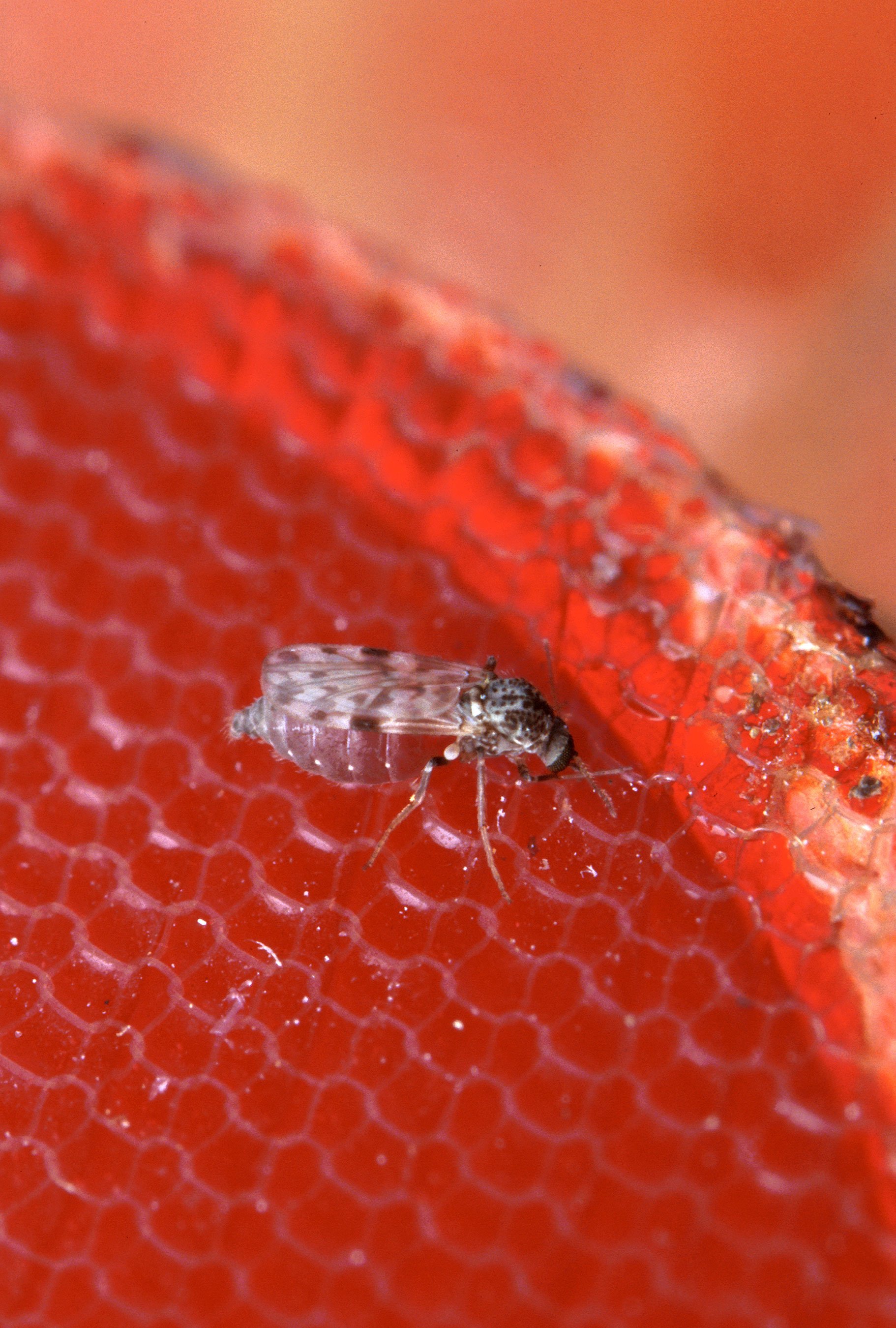
Photo: The original uploader was Ellmist at English Wikipedia. Later versions were uploaded by Minesweeper at en.wikipedia. / Wikimedia Commons, Public domain
Can Shamonda virus spread between people?
Nothing in sixty years of watching this virus in animals, and nothing in this first human case, points to that. It only moves through midge bites.
The World Health Organization is blunt about it. Based on what is known about similar viruses, it called the French case "an isolated human case" that is "unlikely to lead to wider spread at this time." The WHO and the European Centre for Disease Prevention and Control are working with French doctors to confirm exactly how the man was infected.
 Read nextThe Guinea-Bissau newborn vaccine trial is back. Here is the full timeline
Compare that to a disease like pneumonic plague, which actually can pass from a sick person's cough to someone standing nearby. Shamonda virus has shown no sign of doing that, not once, in six decades of being tracked in animals.
How did the man near Lyon catch it?
French investigators think a midge bit him in eastern France, where the virus had been circulating in cattle herds since the spring and summer of 2026. They have not pinned down the exact midge species yet.
The man was severely immunocompromised and was already being treated for a serious illness at the Hospices Civils de Lyon when he was diagnosed. He died in early October, before France finished confirming the case publicly.
French officials have said plainly that they see no health risk to the general population from this single case.
What are the symptoms of Shamonda virus?
In animals, the symptoms are well documented. Cattle get a short fever, diarrhoea lasting one to six days, and a drop in milk production that can fall by 15 to 75% on an affected farm. Pregnant animals are hit hardest, with abortions or birth defects in calves, lambs and kids.
 Trending nowBootlegger data leak: The locked dashboard that was never locked
What the virus does inside a human body is a different question, and right now the honest answer is that nobody knows yet. French and European health officials have not released the Lyon patient's symptoms, and no other human case exists to compare him to. The WHO and ECDC say that finding out is part of their ongoing investigation.
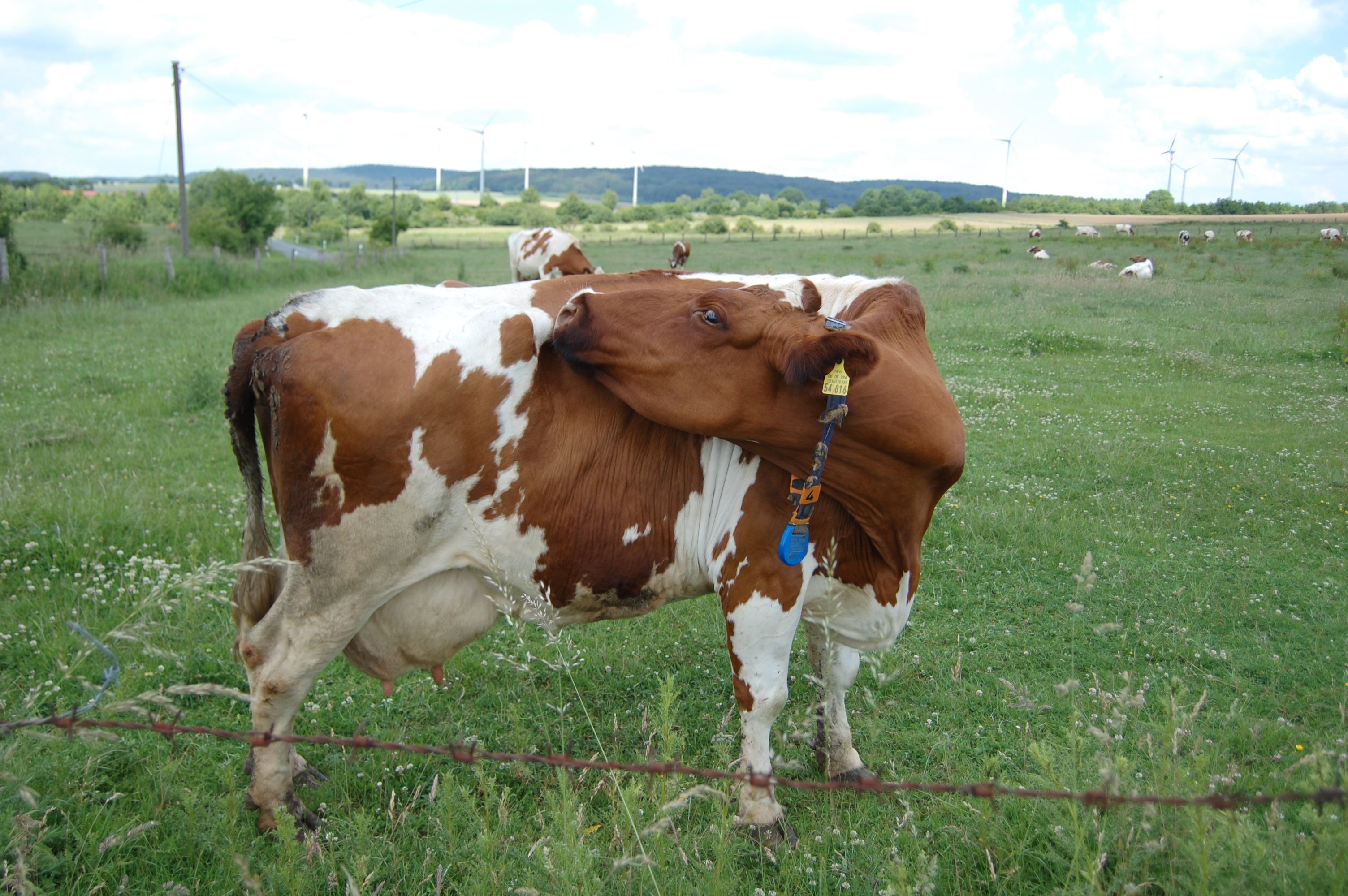
Photo: Angela Marie / Wikimedia Commons, CC BY 2.0
Is Shamonda virus in South Africa?
Yes, but only ever in animals. Researchers found the virus in an aborted goat fetus from Velddrif in the Western Cape, in a sample taken in May 2021 and published in the journal Pathogens in 2023. It has also turned up in Culicoides midges trapped in South Africa.
Shamonda virus was never a European problem until 2026. It was first picked up in Nigeria in 1965 and has shown up sporadically in cattle across West, East and Southern Africa ever since, much like how Nigeria confirmed West Africa's first Ebola case decades after that virus had already been known in Central Africa.
No South African human case has ever been reported, and there is nothing in the current French case to suggest that is about to change.
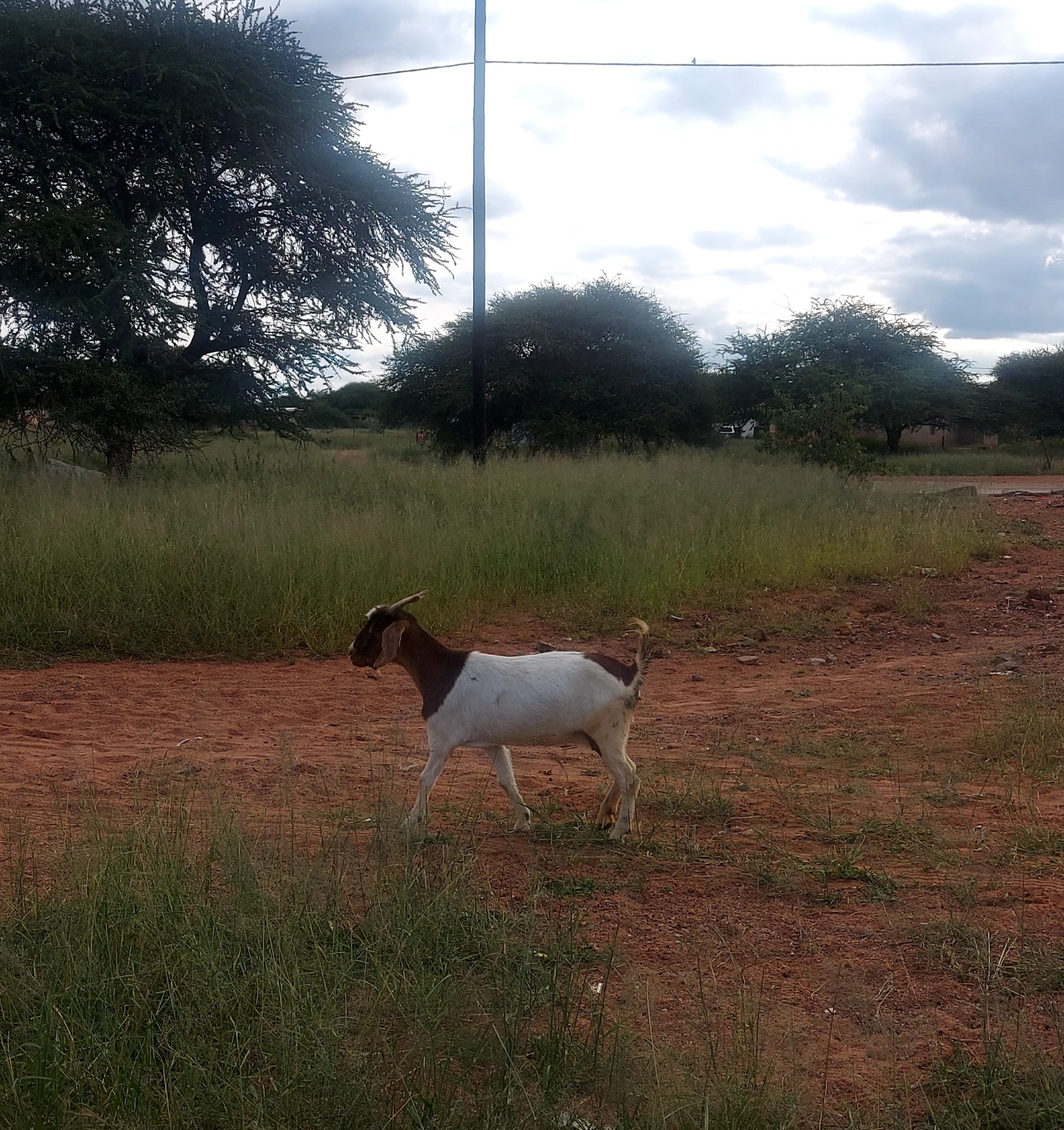
Photo: Deborah Tjituka / Wikimedia Commons, CC BY-SA 4.0
What are WHO and French scientists checking next?
The WHO, the ECDC and French scientists are still trying to confirm exactly how the Lyon patient got infected and whether anything about his illness made him more vulnerable. Their findings, when published, will be the next real update on the risk to anyone else.
Vaccine research for livestock diseases like this one moves slowly, the same way it has for other animal-to-human health scares covered in a West African vaccine trial getting the go-ahead. Nobody is talking about a human vaccine for Shamonda virus, because nobody yet thinks one is needed.
For sixty years, this virus only knew how to infect cattle, sheep and goats. As of 22 October 2026, it knows how to infect one more species. Whether that was a freak accident involving one unlucky, already very sick man, or the first sign of something the virus can now do again, is the one question nobody on earth can answer yet.
Get the stories that hit your pocket
Petrol, SARS, Eskom, grants and the news everyone is talking about. One short email every weekday at 6am.
Free. One email each weekday. Unsubscribe anytime.Sources7
- CNN, France reports first human case of livestock virus Shamonda after patient dies (22 Oct 2026)
- Euronews, France confirms first human case of Shamonda virus (22 Oct 2026)
- PBS NewsHour / AP, France reports first human case of livestock virus Shamonda (22 Oct 2026)
- Reuters explainer, What is Shamonda virus and what are the risks? (22 Oct 2026)
- WOAH (World Organisation for Animal Health), Shamonda virus
- Detection of a novel Shamonda Orthobunyavirus in dairy cattle, France, June 2026 (peer-reviewed)
- Identification of Shamonda virus in an aborted goat fetus in South Africa, Pathogens 2023
Keep reading
 ExplainedWhat is pneumonic plague? The facts, explained simply
 ExplainedEverything that broke on 21 October 2026, and why one master key was the number 4
 ExplainedA flaw in the code behind most websites forced governments and Wikipedia offline