The WHO criticised this 14,000-baby vaccine trial. A Danish ethics committee just approved it
Months after a government said "it's not going to happen, period," the trial is moving again. Here is who wants it and who does not.
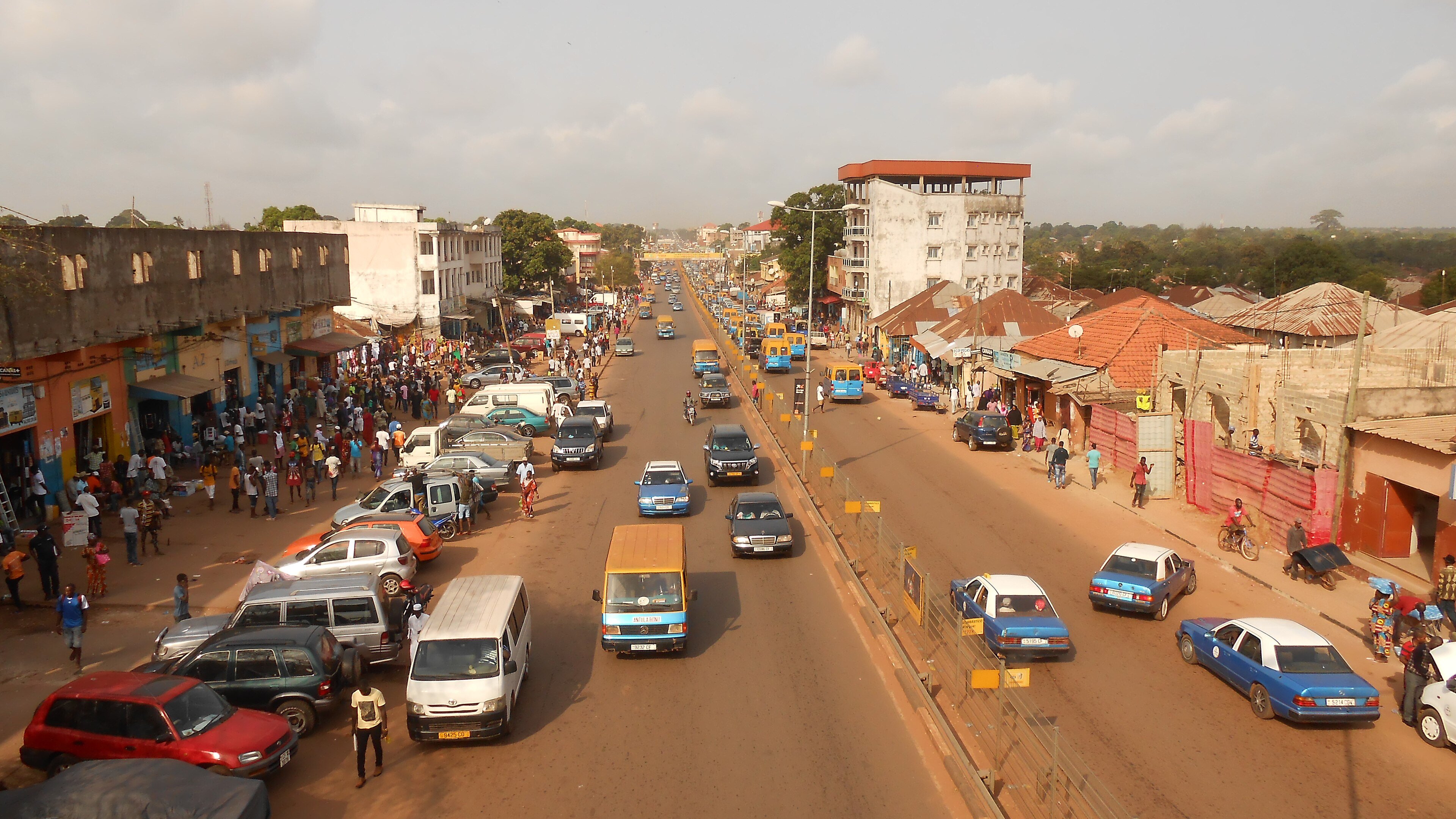
Photo: Joehawkins / Wikimedia Commons, CC BY-SA 4.0
- The WHO said the design could cause "serious and potentially irreversible harm"
- Reports say the US paid $1.6 million without a competitive bid
- Over 150 countries already give this vaccine at birth
Fourteen thousand newborns. Half would get a hepatitis B vaccine on their first day of life. The other half would wait six weeks.
That is the plan for a trial in Guinea-Bissau, West Africa. The Guardian reported on 9 October that the ethics committee of the University of Southern Denmark has approved it. The approval came despite objections, and the paper says one reviewer and three committee members resigned over ethical concerns.
This story reports what officials, scientists and the WHO say. It is not medical advice.
What is the trial, and who is running it?
The trial is run by the Bandim Health Project, a Danish research group that has worked in Guinea-Bissau for decades. It is led by Peter Aaby and Christine Stabell Benn.
KFF Health News reports that the project follows about 200,000 people in six districts around the capital, Bissau. It has published more than 1,000 papers.
The team studies "non-specific effects". That is the idea that some vaccines change a child's health beyond the disease they target. The investigators say they want to study effects of the hepatitis B shot on skin and brain development. Outside experts told KFF that other research has not backed up the idea.
Why does RFK Jr's name keep coming up?
The money. In December, the US health department announced $1.6 million for the group to study the hepatitis B birth dose. The CDC, which sits under Health Secretary Robert F Kennedy Jr, paid it. Reports say there was no competitive process.
Kennedy has praised Aaby and Benn since at least his 2023 book. KFF reports he cited Aaby's work when he cut $2.6 billion in US support for the vaccine alliance Gavi. Gavi estimates that cut could lead to 1.2 million preventable deaths over five years.
HHS has said the study is "based on the highest scientific and ethical standards."
What did the WHO say?
In February, the WHO said it had "significant concerns" about the trial's science and ethics. It said withholding the vaccine for six weeks could expose newborns to "serious and potentially irreversible harm."
 Read nextApple's 13 October launch: Time, products and prices
Kate O'Brien, the WHO's head of immunisation, pointed out that over 150 countries use the hepatitis B birth dose.
The Bandim Health Project replied that Guinea-Bissau's own ethics committee had approved the study. It says no child in the trial would get fewer vaccines than under national policy. Right now, Guinea-Bissau gives the first dose at six weeks. It plans to bring in the birth dose in 2028.
How did a "cancelled" trial come back?
It was never clear if the trial was cancelled or paused.
Africa CDC first said it had been cancelled. A US health department spokesperson contradicted that. Guinea-Bissau's public health director said it was suspended for a technical review. He also said the national ethics committee lacked the technical resources.
The foreign minister told Reuters the trial would not happen. His words were "It's not going to happen, period."
The timeline below includes the Danish decision.
| Date | What happened |
|---|---|
| December 2025 | US health department announces $1.6 million for the trial |
| January 2026 | Outside statisticians say the Bandim group over-interpreted past results (study in Vaccine) |
| February 2026 | WHO states "significant concerns" |
| Early March | Trial paused while Guinea-Bissau and Africa CDC review it |
| 9 October | Guardian reports Danish ethics committee approval |
Sources: KFF Health News, CIDRAP, Guardian (via republished report), Bandim Health Project.

Photo: Aboubacarkhoraa / Wikimedia Commons, CC BY-SA 4.0
Who has questioned Aaby and Benn's earlier work?
Critics point to past studies. KFF reports that a 2017 study Kennedy called a "landmark" involved about 500 girls. Benn herself said it was too small to support its claims. A 2022 follow-up found the DTP shot alone had no effect on deaths.
Danish journalist Charlotte Strøm alleged in 2024 that the group left out data that went against its claims. The University of Southern Denmark sent its probe to the Board on Research Misconduct in February, KFF says.
Aaby and Benn did not respond to KFF. Benn has said news reports have hurt their funding and "closed our field station."
What does the approval actually change?
The university committee's approval is a hurdle cleared. The Guardian says the updated protocol has not been made public. We could not confirm from official sources whether Guinea-Bissau's government has now agreed, so that remains open.
 Trending nowPetrol broke R30 a litre. We followed the money
Until it is published, nobody outside the project can say exactly how babies will be chosen or how mothers will be screened.
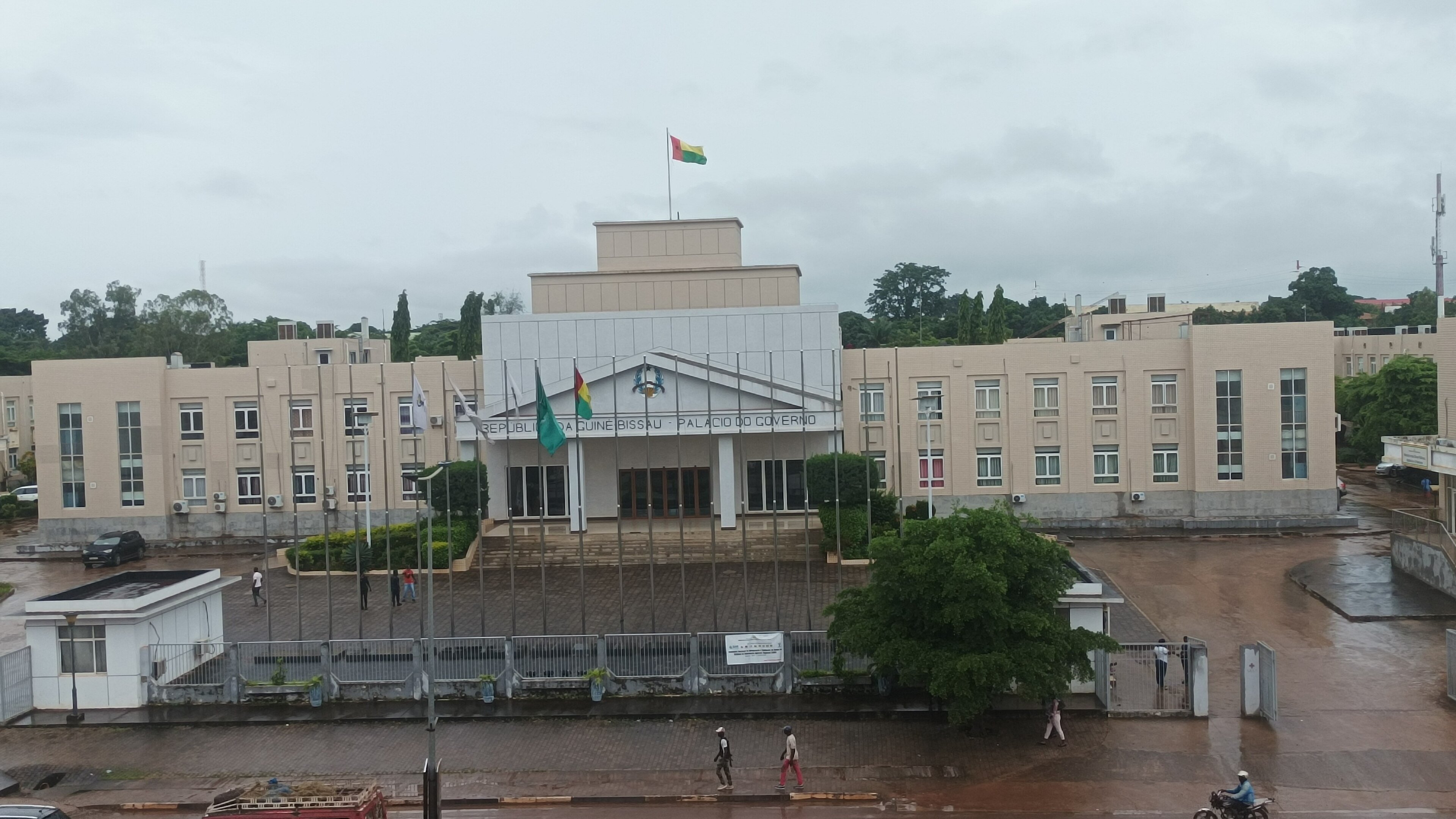
Photo: Bnhamadjo / Wikimedia Commons, CC BY-SA 3.0
Our other health stories show how fast health news moves. See the Ebola case in Kenya and the new Covid wave in Britain.
What do the researchers' supporters say?
The Bandim Health Project says its work has already been reviewed by Guinea-Bissau's national ethics committee. It argues that the trial would answer questions that large studies in richer countries cannot.
Benn says news reports have dried up the group's funding. Kennedy, for his part, championed the pair in his 2023 book and on a 2024 podcast, according to reports. To their backers, the Danish approval is proof that the project passed its review.
Why test a vaccine that is already in use?
That is the question the WHO's O'Brien raised about the trial's purpose. The birth dose is standard in much of the world, so many scientists ask what a new trial would add.
The investigators answer that they want to look at the "non-specific" effects. They say no child in the trial gets fewer vaccines than the national policy gives today.
CIDRAP, a US infectious disease news site, noted that the original plan did not include hepatitis B screening for pregnant women. The virus can pass from mother to baby at birth, which is why many countries give the shot so early.
What happens to Guinea-Bissau's babies now?
Nobody has published a start date.
Guinea-Bissau plans to give every baby the hepatitis B shot at birth from 2028. Over 150 countries already do.
Before that day arrives, a US-funded trial wants to count 14,000 of its newborns.
Get the stories that hit your pocket
Petrol, SARS, Eskom, grants and the news everyone is talking about. One short email every weekday at 6am.
Free. One email each weekday. Unsubscribe anytime.Sources6
- The Guardian, Vaccine trial in Guinea-Bissau backed by RFK Jr (9 Oct 2026)
- KFF Health News, A Danish couple's maverick African research finds its moment in RFK Jr.'s vaccine policy
- CIDRAP, WHO criticizes CDC-funded vaccine study in Africa
- CIDRAP, Guinea-Bissau officials stop CDC-funded hepatitis B vaccine trial
- Bandim Health Project, ethical questions about the planned trial
- CIDRAP, CDC awards $1.6 million for hepatitis B vaccine study
Keep reading
 ExplainedDrones hit a Yandex data centre in Sasovo and Russian websites went dark
 ExplainedHavana syndrome timeline from 2017 to a device allegedly tested in 2024
 ExplainedOctober 15 tax deadline: Penalties for filing late versus paying late, in dollars