The dealers have now said it. Chinese car owners owe more than their cars are worth
A listed dealer group has put it in its own results. The Haval and Chery wave of four years ago has reached the trade-in counter, and the numbers do not add up for many owners.
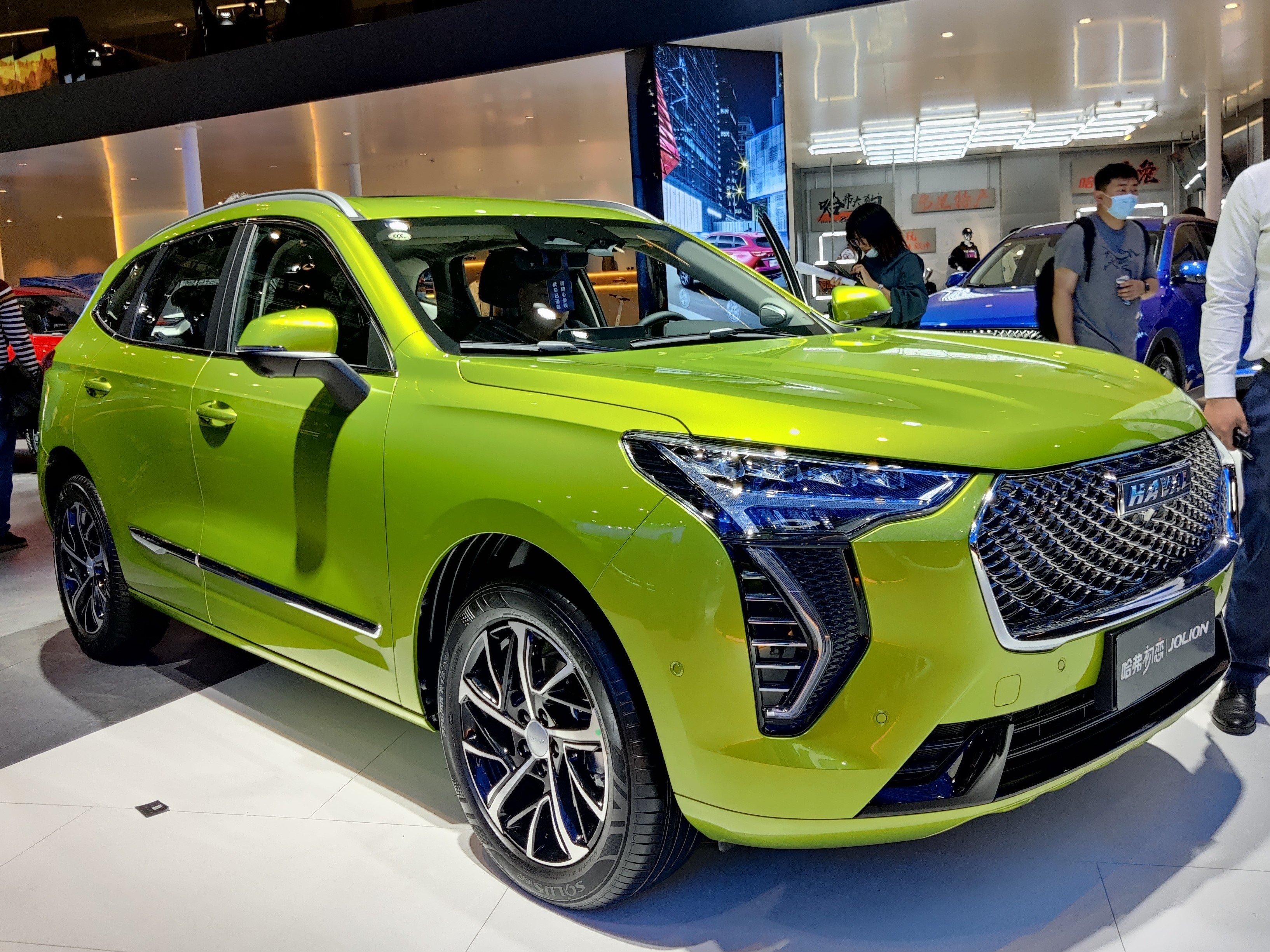
Photo: JustAnotherCarDesigner / Wikimedia Commons, CC BY-SA 4.0
- Chinese brands jumped from 14.8% to 20% of national car sales
- Owners are holding on until trade-in values catch up with the bank
- One simple move beats every clever trick for getting out
Combined Motor Holdings (CMH), one of South Africa's biggest dealer groups, says owners of discounted Chinese cars are now stuck. In its results for the six months to 31 August 2026, it says the sharp fall in value of these cars "has surprised owners."
The cars came into the market four to five years ago at low prices. They are now at what CMH calls "the recycle stage." That is the point where owners walk into a showroom to trade up, and find the offer is smaller than the bank settlement.
The story was first reported by BusinessTech on 24 October, and it spread quickly online.
Why is my Chinese car trade-in offer so low?
CMH says the owners had to "hold on for longer, until the trade-in values align with the residual amounts owed to banks." In plain words, many owners owe the bank more than the car is worth.
There is no single cause. CMH points to two forces working together.
The first is price. New cars have been getting cheaper, which CMH calls "negative new car price inflation of the last few years." If a new car costs about the same today as your four-year-old car cost new, a buyer will take the new one.
The second is supply. Chinese brands grew from 14.8% to 20% of national sales in the same results period, so there are more of them to sell used.
More cars chasing the same buyers pushes used prices down. The banks saw this coming. We covered why WesBank and other lenders are nervous about resale earlier this month.
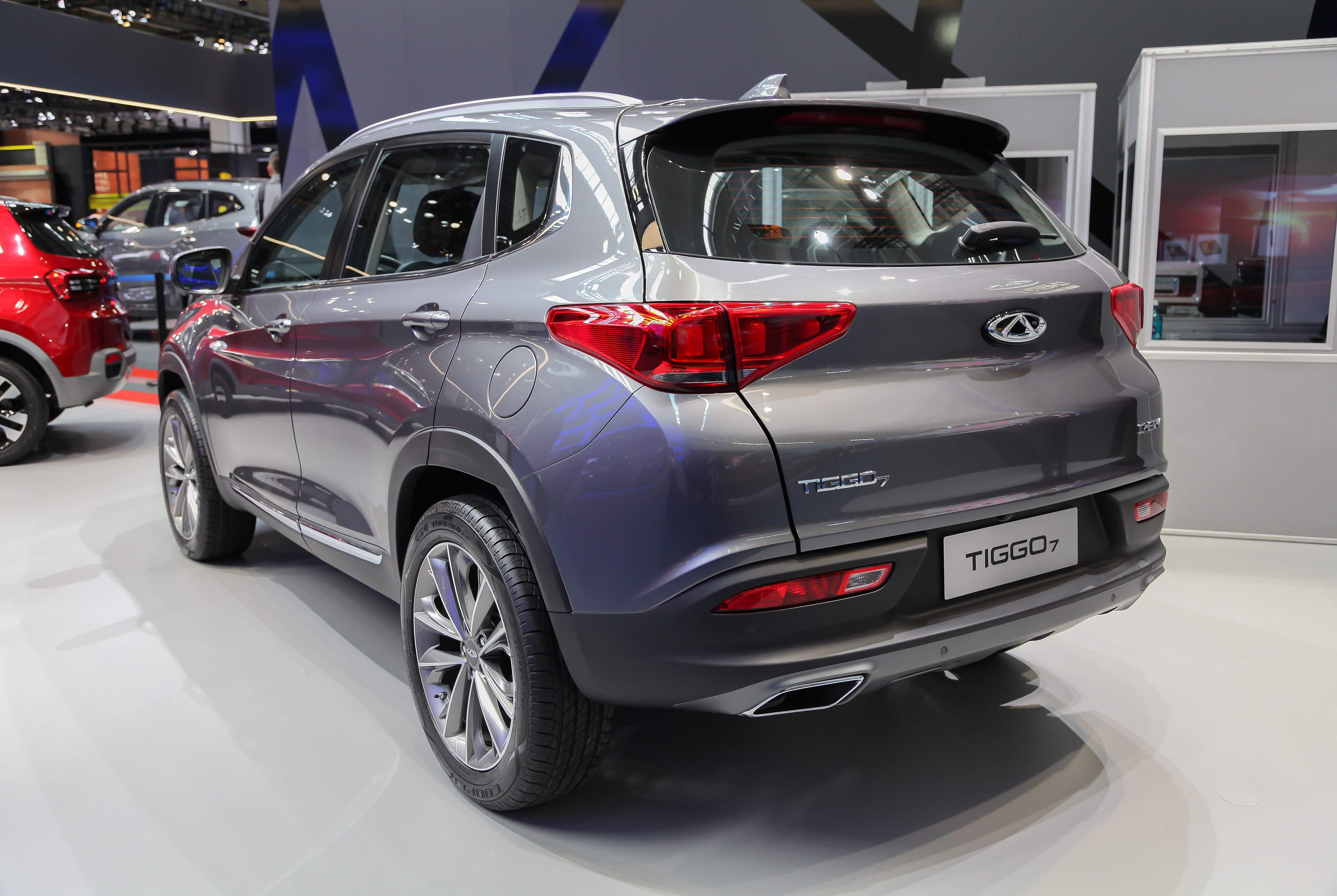
Photo: Alexander Migl / Wikimedia Commons, CC BY-SA 4.0
What does owing more than the car is worth actually mean?
Banks call it negative equity. You sell or trade in the car, but the money does not clear your loan. The difference is still yours to pay.
 Read nextScammers already know your account details before they call, and that is what makes them so convincing
Here is an illustration. These are not real quotes. We assumed a car bought new for R350,000 with no deposit, at 12% interest a year, and a trade-in offer of R140,000 after four years. That offer is 40% of the original price.
| Loan type | Monthly instalment | Still owed after 4 years | Trade-in offer | Shortfall |
|---|---|---|---|---|
| 72 months, no balloon | R6,843 | R145,359 | R140,000 | R5,359 |
| 60 months, R105,000 balloon | R6,500 | R166,339 | R140,000 | R26,339 |
| 84 months, no balloon | R6,178 | R186,018 | R140,000 | R46,018 |
Illustration only. Figures are our own calculation from the stated assumptions. Your contract and your real offer will differ.
The longer the loan, the bigger the hole. A balloon payment, the lump sum due at the end of the loan, keeps instalments low. It also means you pay down the balance slowly.
That is why the 84-month buyer pays the least each month and is stuck the deepest.
Why are so many owners only now hitting this?
Because loans run long. Someone who signed an 84-month deal in 2022 is only at month 48 today. The car is old enough to be worth much less, and the loan is young enough to still be big.
Trade-in offers are also set by what the dealer can sell on. CMH says used-vehicle demand is weak because buyers are "moving into the cut-price new vehicle offerings." Its used-vehicle sales fell 10%, while its new-vehicle sales rose 11.2%.
Photo: JasonMoe289 / Wikimedia Commons, CC BY-SA 4.0
Is this only a Chinese car problem?
No, and many readers online were quick to say so. One reader said a cousin paid R2.2m for an M4 in 2022 and was offered R1.1m on trade-in last month. We could not check that. Others said German brands have always lost value fast.
That is a fair point. Every new car loses value. What CMH says is different is the speed and the buyer profile. Chinese brands came in cheap and in large numbers, so the wave of trade-ins is arriving all at once.
Some readers also said the cheap Chinese cars are "healing an overpriced market." CMH's own numbers show both things at once. New-car buyers are winning. People who bought early are paying for it.
If you want to know whether the cars themselves are the problem, our guide on whether Chinese cars are reliable covers that. And some owners are already planning their return to Japanese brands, which we looked at in why some Haval and Chery owners want a Toyota back.
Will parts get harder to find after the warranty?
CMH is betting on it. Its parts business, MPD, specialises in Chinese and Asian brands. It says it "welcomed the surge in demand as these vehicles age, exit their warranty periods and rely on the secondary part market."
 Trending nowPinetown dad fires back at gunmen at his gate, and what the law says
That is a dealer group telling shareholders that demand for spares from ageing Chinese cars is booming. Some owners online say parts are hard to get and expensive. Others warn that big service jobs can mean replacing a whole assembly instead of one small part.
None of that is in the CMH results as a complaint. It is a business opportunity for them. But it matters to you, because it affects what the next buyer will pay.
What can you do if you owe more than the car is worth?
There are four moves. Only one is truly cheap.
Keep driving it. Every instalment shrinks what you owe. The value of the car falls more slowly each year, so the gap closes from both sides. This is what CMH says owners are doing.
Pay extra into the loan. Even a few hundred rand a month cuts the balance faster. Ask your bank first whether early payments carry a fee.
Sell privately. A private sale usually pays more than a trade-in. You then pay the shortfall from your own pocket to settle the loan and release the car. It is cash out of your account, but it is a one-time hit with no new interest.
Roll the gap into a new loan. This is the most tempting and the most expensive. The old debt is added to the new car, so you start the new loan already underwater.
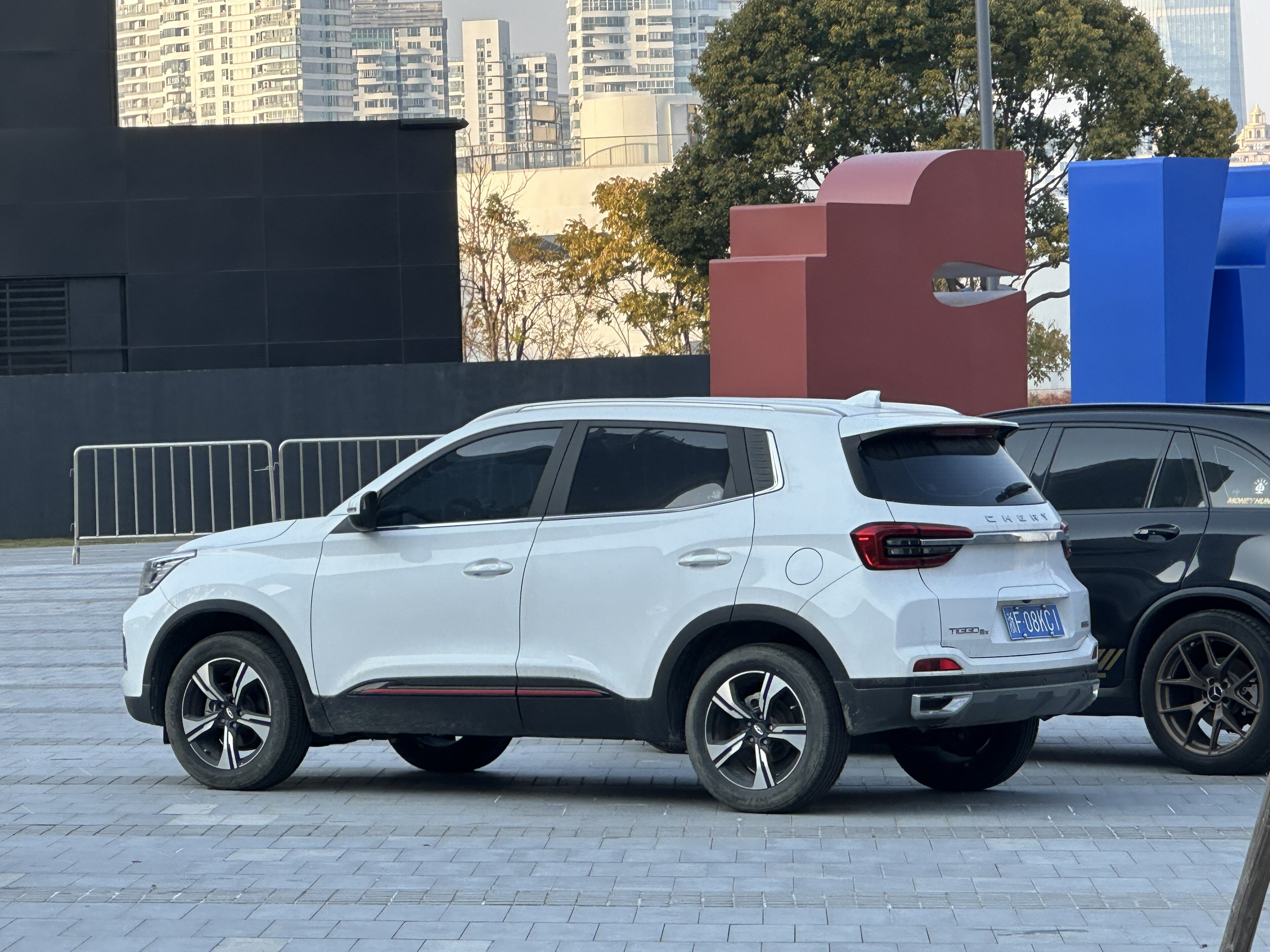
Photo: JustAnotherCarDesigner / Wikimedia Commons, CC0
Which way out costs the least?
For most people it is the boring one. Keep the car. Pay a little extra when you can. Trade in only when the offer is above the settlement figure.
Ask your bank for the settlement figure today, then get two or three offers on the car. If you are within a few thousand rand, a small cash top-up may free you. If you are R40,000 short, waiting a year costs far less than a new loan with that hole built in.
CMH's own words show how this ends. Owners hold on "until the trade-in values align with the residual amounts owed to banks." The dealers have told you the exit. You do not need a clever trick. You need the instalments to run down faster than the car loses value, and every month you wait, that is what happens.
Get the stories that hit your pocket
Petrol, SARS, Eskom, grants and the news everyone is talking about. One short email every weekday at 6am.
Free. One email each weekday. Unsubscribe anytime.Sources5
Keep reading
 MoneyHow one diesel hike reaches your bread, milk and maize meal
 MoneyBanks are financing a flood of Chinese cars. Here is the risk
 MoneyBill Gates wants to tax the robot that takes your job