The strongest El Nino since 1950 is brewing over South Africa's summer
Forecasters say the ocean is doing something it has never done since records began. The bill for it is being decided on South African farms right now, months before anyone sees it on a receipt.
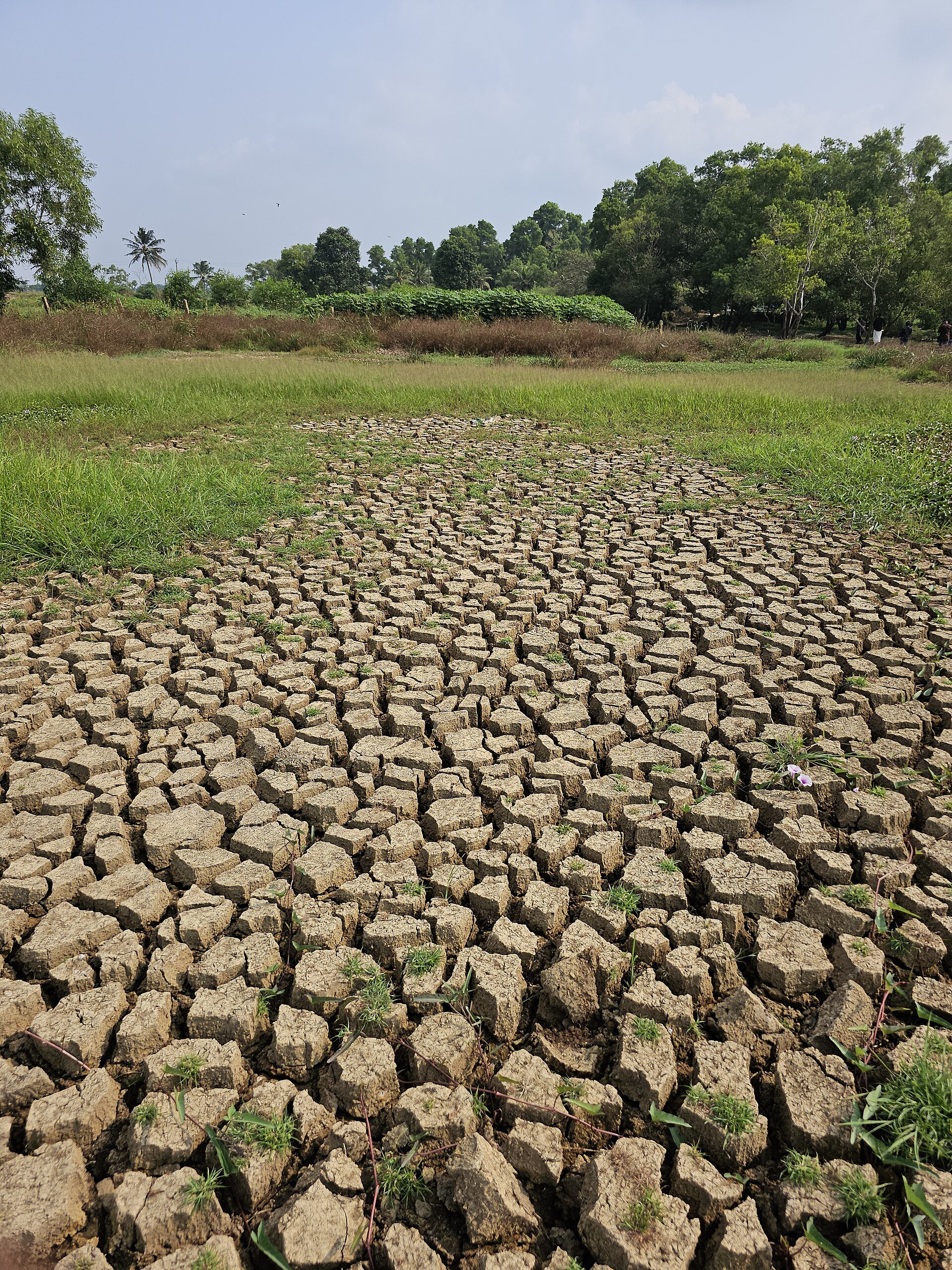
Photo: Gannu03 / Wikimedia Commons, CC BY-SA 4.0
- The last time this happened, South Africa's maize crop shrank by almost a quarter
- Food prices took a full year to catch up with the drought
- Farmers are deciding how much to plant right now, before anyone knows how bad it gets
3.8°C.
That is how far above normal the World Meteorological Organization expects part of the Pacific Ocean to run by December 2026. It would be the warmest that stretch of ocean has been measured since record keeping began in 1950. That warming drives the weather pattern called El Nino.
The WMO's outlook, published on 21 October 2026, puts the odds at near 100% that El Nino holds all the way through February 2027. For Southern Africa, that points one way. Drier and hotter months from November through February, right through the middle of the planting season.
None of that shows up on a shelf price tag yet. That is the part nobody explains well enough. The drought risk is happening to the planting season now. The bill for it lands on a completely different month.
How hot could this El Nino get, and when does it peak?
The Pacific's key watch zone is forecast to average 3.7°C above normal from October to December 2026, then climb to 3.8°C from November 2026 to January 2027. WMO Secretary-General Celeste Saulo said the numbers are "literally off the monitoring charts" her agency has used for the past 40 years.
The previous record for this same measure was 2.6°C, set in the El Nino of November 2015 to January 2016. Older South Africans still remember that one by its grocery bill.
South Africa's own weather service agrees with the warning. The South African Weather Service's latest outlook says below-normal rainfall is the most likely result for most of the country this spring and summer, with above-normal heat layered on top. SAWS has called it the strongest El Nino in living memory.
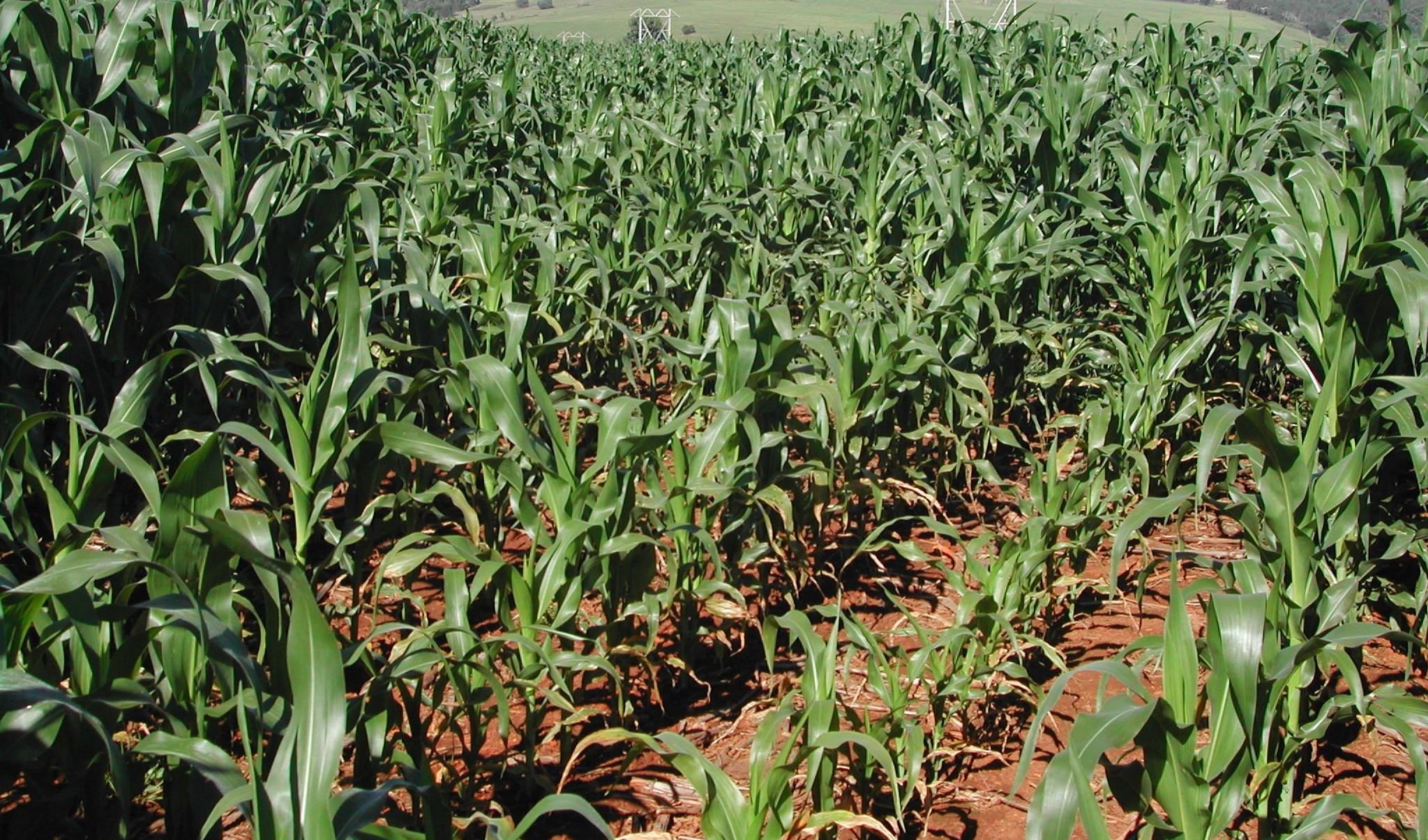
Photo: Alandmanson / Wikimedia Commons, CC BY-SA 4.0
What happened to food prices the last time this happened?
South Africa has been through a record El Nino before. It ran from late 2015 into 2016, and the country is still measuring this one against it.
Food inflation averaged 10.8% across 2016, the year the last record El Nino drought bit hardest. For the first five months of 2026, before this new warning, it averaged just 3.2%. That gap is the size of the shock a bad drought year can add to a grocery bill.
 Read next1 in 5 taxpayers paid 77% of the income tax. The numbers, in charts
Here is the fuller picture, side by side.
| Last record El Nino (2015/16) | This El Nino (2026/27 outlook) | |
|---|---|---|
| Peak ocean warming | 2.6°C above normal | 3.7 to 3.8°C forecast |
| South Africa's maize crop | 7.78 million tonnes, down about a fifth from the season before | Not yet known, planting still underway |
| SAFEX white maize price | Hit a record R4,781 a tonne in early January 2016 | R4,170 a tonne on 20 October 2026 |
| Food inflation that followed | Averaged 10.8% for 2016 | 3.2% so far in 2026, before this outlook |
| Months the figures cover | Nov 2015 to Jan 2016 peak, full year 2016 prices | Oct 2026 to Feb 2027 peak |
Sources: World Meteorological Organization and Euronews (21 Oct 2026), Wandile Sihlobo writing in The Conversation (14 Jul 2026), SAFEX prices via derivative.co.za (20 Oct 2026).
One difference matters. South Africa goes into this El Nino with full silos. The 2025/26 summer crop was a record 21.49 million tonnes, with maize making up 17.25 million tonnes of that. In 2015/16, the drought hit a country that was already short.
Why would the price pain only show up next year?
South African farmers plant maize from October to December. They harvest it the following April and May. Whatever rain does or does not fall over the next three months decides the size of that crop, not what happens in the shops right now.
Grain SA has already put a number on the risk. If a drought develops close to the severity of 2015/16, the group estimates the maize harvest could fall by 33% to 37%. AgriSA's chief operating officer, Jolanda Andrag, is more cautious, saying this is still "a seasonal forecast rather than a confirmed drought."
South Africa's Agriculture Minister described the warning in blunter terms, calling it "going to be next level."
The Crop Estimates Committee releases its first planting intentions report for the new season on 27 October 2026. That single report, four days from now, is the first real clue to how much maize goes in the ground this summer. Whatever it shows, the price effect will not land in shops until well into 2027.
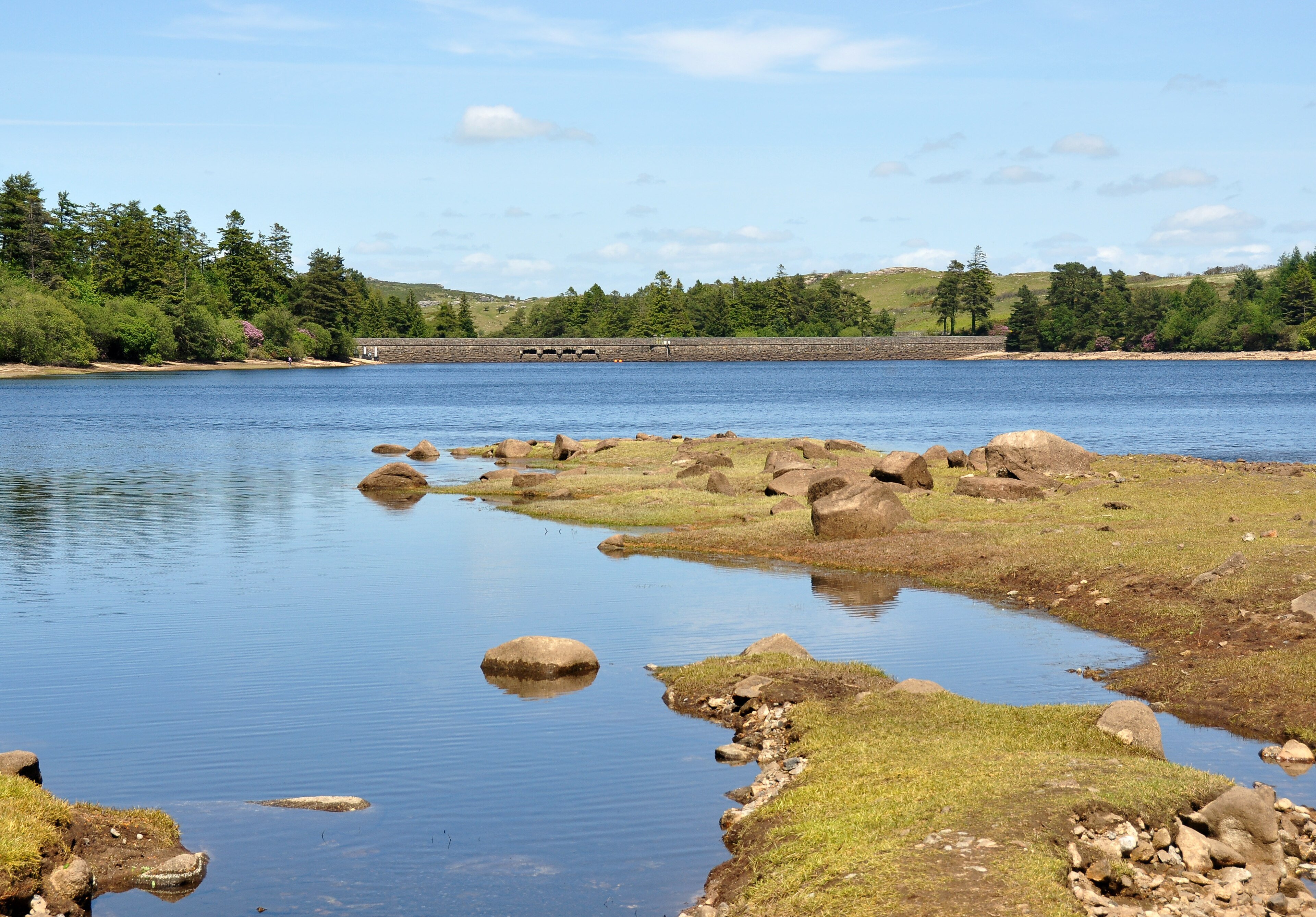
Photo: Nilfanion / Wikimedia Commons, CC BY-SA 3.0
Is the water running out too?
Dam levels are already running behind where they were this time last year, before the worst of this El Nino has even arrived.
 Trending nowBootlegger data leak: The locked dashboard that was never locked
The Western Cape's combined dam storage sat at 73.8% on 21 October 2026, 16 percentage points lower than the same week in 2025, and the lowest for this date since 2017. Gauteng's Vaal Dam, which feeds the system supplying Johannesburg and Pretoria, fell from 106.8% to 95.4% full in the week to 6 October 2026, according to the Department of Water and Sanitation.
Those are not crisis numbers yet. They are the kind of numbers that turn into a crisis if a dry summer stretches into a dry autumn.
Could this mean more blackouts, not just a bigger bill?
Electricity is where the drought reaches furthest from the farm. South Africa's grid leans on coal, but it also imports hydropower from the region, much of it generated at Lake Kariba on the Zambia-Zimbabwe border.
The Zambezi River Authority cut Kariba's water allocation for power generation by 36% on 14 October 2026, from 36 billion cubic metres down to 23 billion, citing this same El Nino outlook. Zimbabwe and Zambia already know what that looks like. In the last El Nino drought, in 2023/24, households there endured power cuts running up to 18 hours a day as Kariba's water ran low.
Less hydropower in the region for South Africa to draw on puts more strain on a grid that was already juggling a tariff increase South Africans are set to pay from next year, even before any new drought-driven shortage.
Photo: Wolfmann / Wikimedia Commons, CC BY-SA 4.0
Which date actually matters now?
A fuel price increase alone can ripple through the whole food basket within weeks. A drought works on a much slower clock, and that is exactly why people get caught out by it. The rain that falls or fails to fall between now and February decides a grocery bill that lands around the middle of 2027.
Watch four dates. The Crop Estimates Committee's planting report on 27 October 2026. SAWS's next monthly outlook. Every SAFEX maize price move from here, which you can follow alongside other price trackers already running on this site. And the Western Cape and Vaal dam levels as summer sets in.
The last time the ocean ran this hot, the maize price record it set took less than three months to arrive after the rain failed. This time, the forecast came first. The only thing nobody can forecast yet is whether anyone will act on the warning before the bill does.
Get the stories that hit your pocket
Petrol, SARS, Eskom, grants and the news everyone is talking about. One short email every weekday at 6am.
Free. One email each weekday. Unsubscribe anytime.Sources10
- World Meteorological Organization, El Nino outlook
- Euronews, UN warns El Nino could be strongest on record (21 Oct 2026)
- Mail & Guardian, SAWS seasonal outlook (1 Sep 2026)
- The Conversation, Wandile Sihlobo on El Nino and food prices (14 Jul 2026)
- IOL, AgriSA and Grain SA on the 2026/27 outlook (14 Oct 2026)
- Daily Maverick, Agriculture Minister on the El Nino warning (15 Oct 2026)
- Cape Town dam levels tracker (21 Oct 2026)
- Department of Water and Sanitation, Vaal Dam levels (6 Oct 2026)
- Discovery Alert, Kariba Dam water cut for power (19 Oct 2026)
- Mongabay, climate shocks hit Southern African hydropower (31 Jul 2026)
Keep reading
 WorldA super El Niño is building and the ocean is acting strange
 MoneyMeta agreed to help Zuckerberg cover a possible tax bill. He approved the plan himself
 MoneyNasdaq had its worst day since June over AI spending fears. Here is what it means for retirement money