Mark Zuckerberg could owe $12 billion in tax. His own vote at Meta just solved it
A company just restructured its own stock to help its boss pay a tax bill he has not even been sent yet. He signed off on it himself.
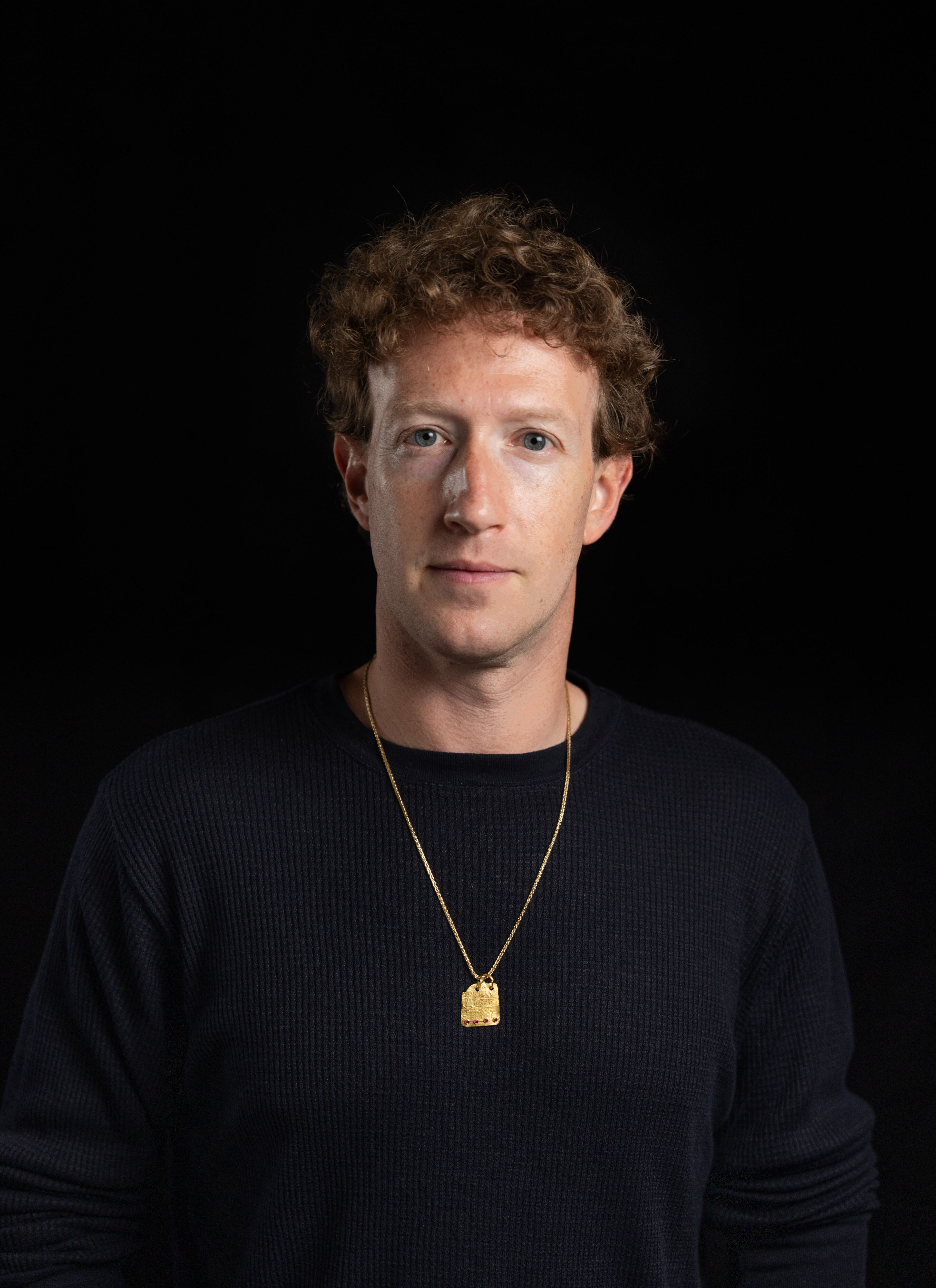
Photo: Jeff Sainlar; Social Producer and Editor, Meta / Wikimedia Commons, CC BY-SA 4.0
- Zuckerberg holds 60.6% of Meta's vote, enough to approve his own tax plan alone
- California's Proposition 40 would take 5% of everything a billionaire owns
- New Meta shares let him cover the bill without losing control of the company
$12.4 billion.
That is roughly what Mark Zuckerberg could owe California in a single tax bill if voters approve a new measure on 3 November 2026. Meta, the company he runs, is not waiting to find out. It has already agreed to help him pay it.
Meta told US regulators on 21 October that its board had approved a plan built around keeping Zuckerberg in California and covering whatever tax bill he ends up with. The company did not need outside shareholders to vote on it first. Zuckerberg's own shares gave him enough votes to approve it by himself.
How much could Zuckerberg actually owe?
Nobody has sent him a bill yet, because the tax does not exist yet. The numbers behind it are public, and they add up to one of the largest personal tax bills in American history.
| Figure | Amount | Source |
|---|---|---|
| Proposition 40 tax rate | 5%, one-time, on worldwide net worth | California ballot measure text |
| Who it applies to | Anyone worth over $1 billion who lived in California on 1 January 2026 | California ballot measure text |
| Zuckerberg's net worth | $247 billion | Bloomberg Billionaires Index, 22 Oct 2026 |
| Estimated tax bill at 5% | About $12.4 billion | Calculated from the two figures above |
| Stock Zuckerberg can freely sell to cover it | 20% of new shares granted to him, about 10% of his total stake in Meta | Meta filing with the SEC, 21 Oct 2026 |
| Zuckerberg's voting control of Meta | 60.6% | Meta filing with the SEC, 1 Oct 2026 |
What did Meta actually agree to do?
Meta's board set up something called a Founder Alignment Agreement. In it, Zuckerberg promises to keep living in California, or wherever Meta is based, for the next eight years.
In return, Meta is creating a new type of stock. Every shareholder gets one new non-voting share for each share they already hold, from January 2027. For most people that simply doubles their share count and changes nothing else about what they own.
 Read nextScammers already know your account details before they call, and that is what makes them so convincing
For Zuckerberg, it does something extra. He can sell 20% of his new shares right away, for any reason, without touching the voting shares that give him control. That slice is worth about a tenth of everything he owns in Meta. Meta's own filing explains why. If the tax passes, Zuckerberg "could become liable for a significant, multi-billion dollar tax payment," and the board wants him to stay and keep running the company from California.
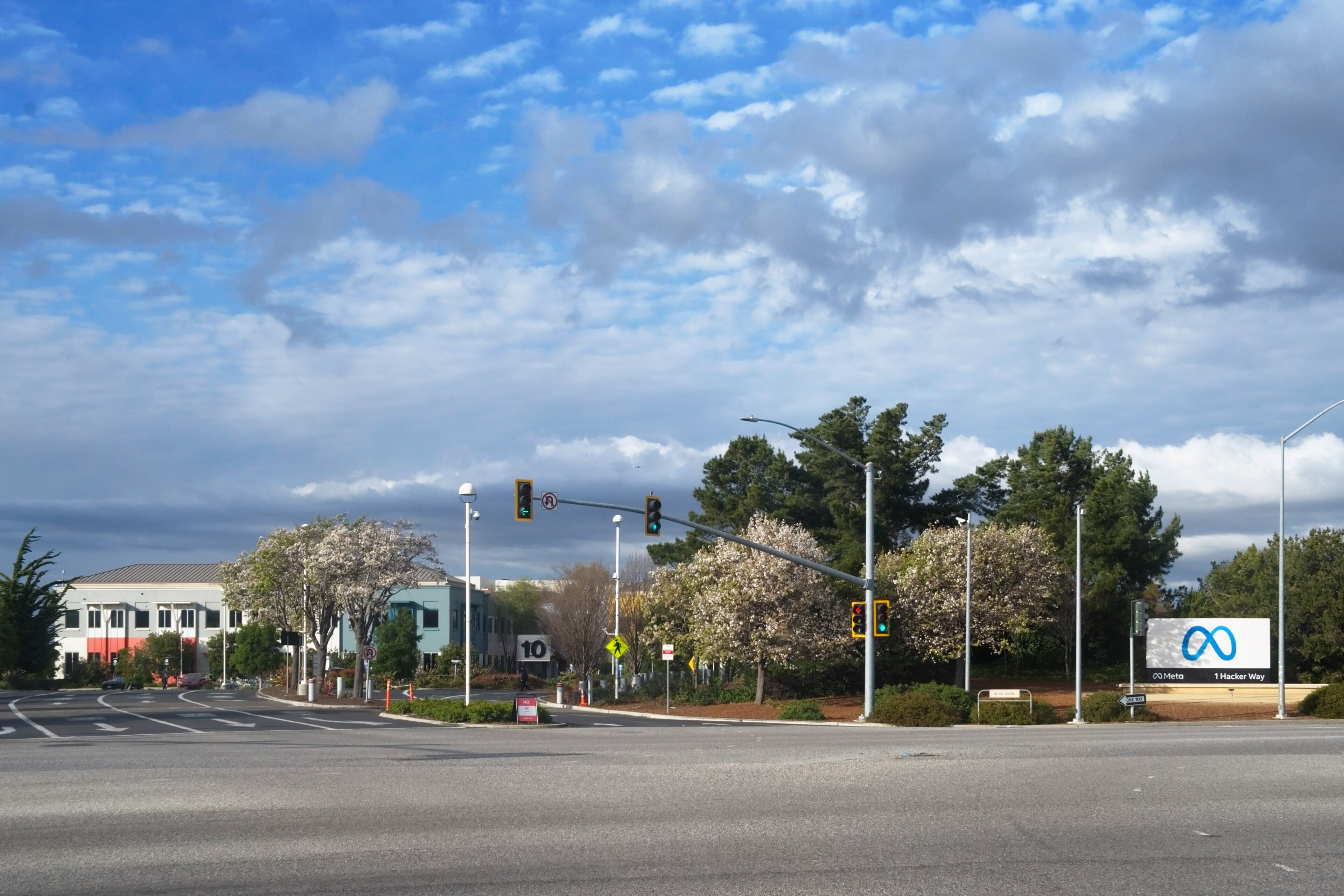
Photo: LPS.1 / Wikimedia Commons, CC0
How did Zuckerberg approve this without anyone else voting?
Most Meta shareholders would be surprised by this part. Zuckerberg owns only about 13% of Meta's actual shares. But most of his shares are a special class that carries ten votes each, instead of one. That gives him 60.6% of the total vote, all by himself.
Big changes like a new class of stock usually go to a shareholder vote. Meta did not have to hold one. Because Zuckerberg already controlled more than half the vote, his signature alone counted as formal approval, through a process called written consent that skips a full vote. Everyone else, including the pension and retirement funds that hold Meta stock through ordinary index funds, only received a notice telling them what had already been decided.
What is Proposition 40, and why is Zuckerberg worried about it?
The measure is a one-time 5% tax on the full net worth of anyone worth more than a billion dollars who lived in California on 1 January 2026. It covers stocks, property, art, anything they own anywhere in the world.
The labour union SEIU United Healthcare Workers West put the measure on the ballot. Senator Bernie Sanders has campaigned for it. Nine out of every ten dollars it raises would go to the state's Medi-Cal health programme, with the rest split between schools and food aid for poor families.
 Trending nowBootlegger data leak: The locked dashboard that was never locked
Governor Gavin Newsom opposes it. So does Google co-founder Sergey Brin, who has put $102 million into fighting it. California's doctors' association, Planned Parenthood and the state's main taxpayers' group are against it too. Supporters make the same argument heard in South Africa, where a small slice of taxpayers already carry most of the load: The very rich can afford to pay far more than everyone else.
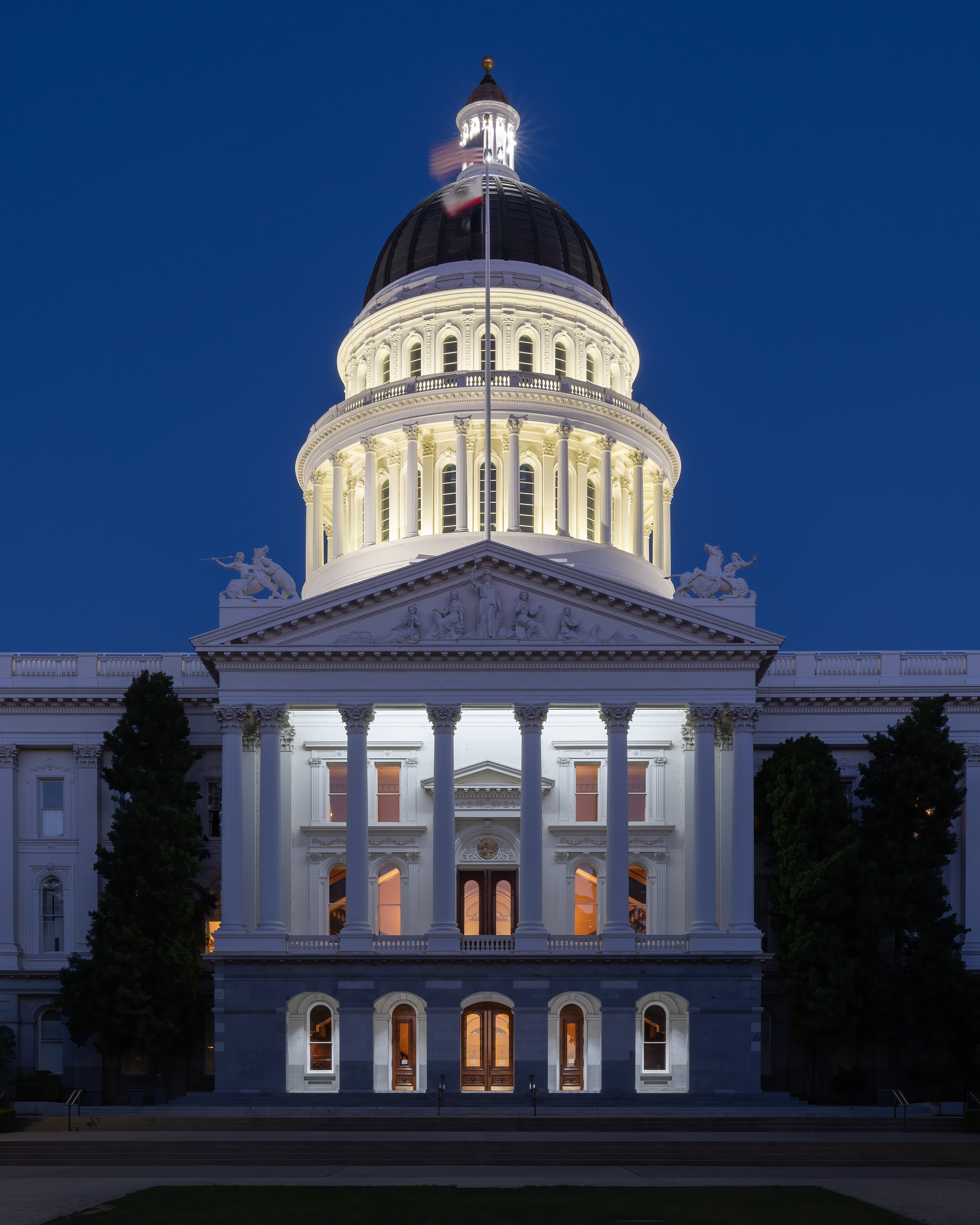
Photo: Frank Schulenburg / Wikimedia Commons, CC BY-SA 4.0
Is anyone else getting a deal like this?
Not yet. Peter Thiel and Google's founders, Larry Page and Sergey Brin, sidestepped the whole problem by moving out of California before the 1 January deadline. Zuckerberg did not.
Nvidia's Jensen Huang stayed too, and could owe about $8 billion of his own if the measure passes. Asked about it, he said he had not thought about it once. Nvidia has built him nothing close to Meta's arrangement. Elon Musk, who has floated other ways of sharing enormous wealth, like handing SpaceX shares to every American child, left California for Texas years ago and has said nothing about what he would do if the tax reached him now.
None of this touches the tax bill ordinary Americans already deal with. Millions of US taxpayers had their own deadline just over a week earlier, with nothing like Zuckerberg's options on the table.
What are people saying about the deal?
Reaction split along the same lines as the vote itself. Suzanne Jimenez, the union official who sponsored Proposition 40, said the deal proved the warnings from opponents were empty. "This is the nail in the coffin to months of scare tactics," she said.
Congressman Ro Khanna, who represents part of Silicon Valley, made a similar point. He said Newsom and Brin should stop warning that billionaires would flee the state, now that the richest of them all had just arranged to stay and pay instead.
So does the tax even need to pass for any of this to matter?
Zuckerberg's eight-year promise to stay in California stands whether Proposition 40 passes or not. The new shares arrive in January either way. Only the multi-billion dollar reason behind all of it hangs on what happens at the ballot box on 3 November. And on that question, the one shareholder whose opinion decided everything else has already made his.
Get the stories that hit your pocket
Petrol, SARS, Eskom, grants and the news everyone is talking about. One short email every weekday at 6am.
Free. One email each weekday. Unsubscribe anytime.Sources8
- BBC News, Meta's deal to cover Zuckerberg's possible tax bill (22 Oct 2026)
- Meta Platforms Information Statement (SEC filing), Founder Alignment Agreement (21 Oct 2026)
- CBS News, Zuckerberg threatened to leave California over the billionaire tax, Meta says (22 Oct 2026)
- ABC7 San Francisco, Meta offers Zuckerberg incentive to stay in California (22 Oct 2026)
- Benzinga, Ro Khanna says Zuckerberg's deal undercuts exodus warnings (22 Oct 2026)
- CalMatters, How California's billionaire tax would work (Oct 2026)
- Yahoo Finance, Nvidia's Jensen Huang on the billionaire tax (Oct 2026)
- TechCrunch, Zuckerberg's plan to pay the tax without losing control of Meta (22 Oct 2026)
Keep reading
 MoneyWhat a Fed rate cut really does to the money in your savings account
 MoneyOne word in your bank's contract decides if you get refunded
 MoneyAirbnb bans the checkout chore list, keeps the cleaning fee