Eskom's bill keeps climbing. The public got one day to argue back.
Every year since 2021, Eskom's price has climbed faster than the cost of everything else. This year, the public got one day to say so.
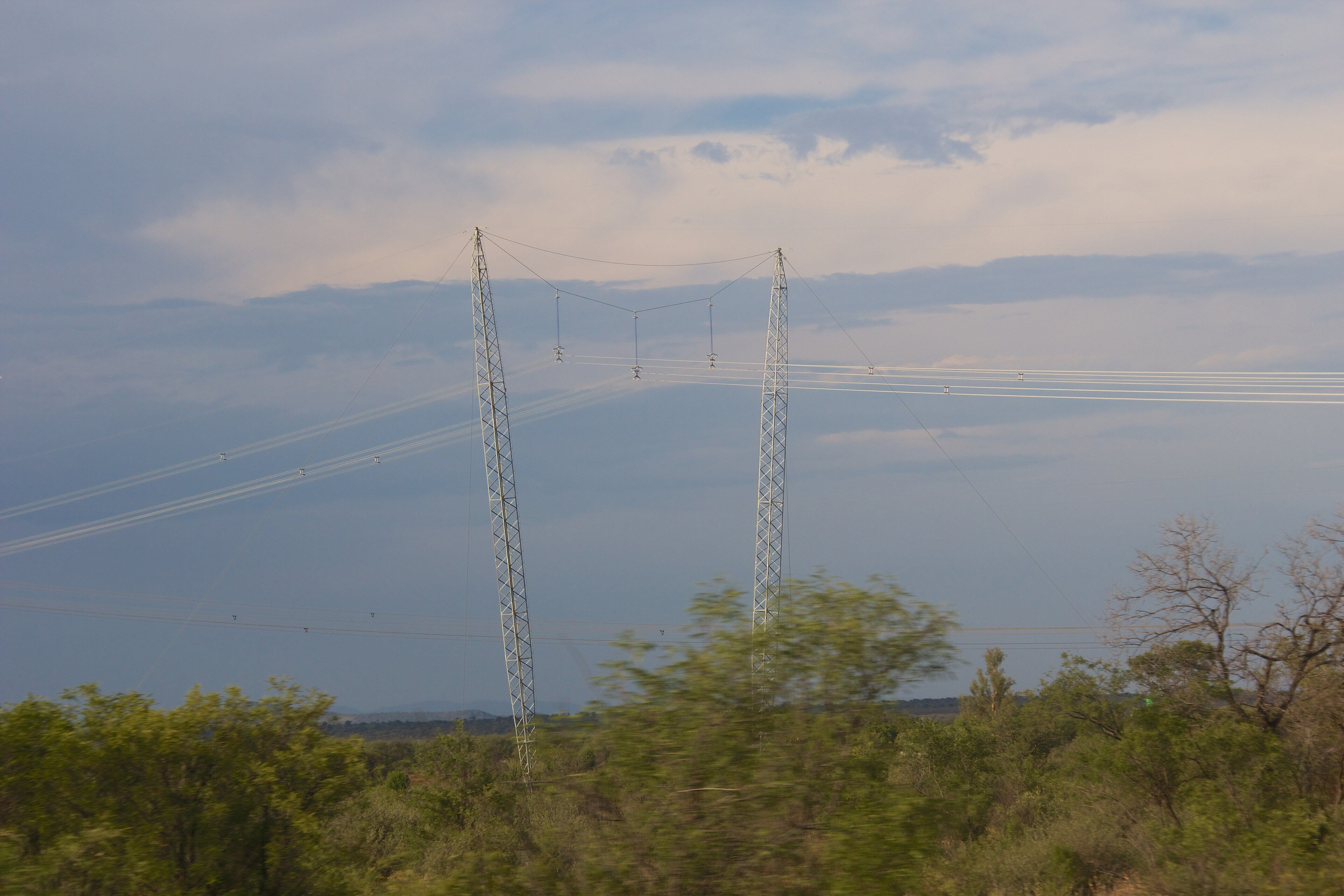
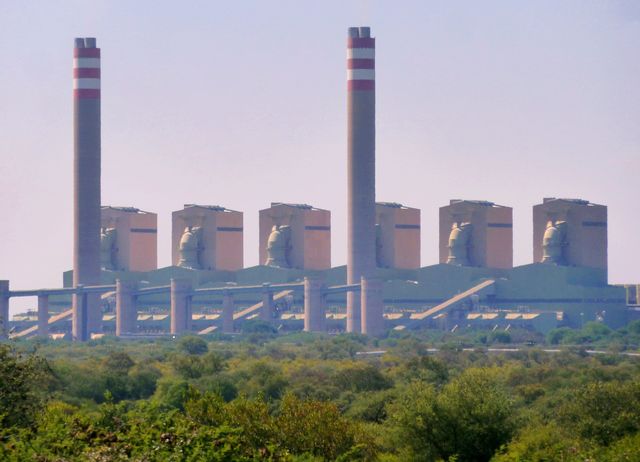
Photo: Photograph by Mike Peel (www.mikepeel.net). / Wikimedia Commons, CC BY-SA 4.0
- Every Eskom hike since 2021 has beaten inflation, some by nearly four times
- Nersa gave the public one day to argue against the newest 8.83% rise
- Eskom's price has more than doubled in six years, inflation rose about a third
126%.
That is how much more Eskom now charges for electricity than it did six years ago, after seven price hikes in a row since 2021. Inflation, the general rise in the cost of everything else, went up by about a third over that same stretch.
Eskom has asked the energy regulator NERSA for another increase, 8.83%, to start on 1 April 2027. It would be the seventh year running that Eskom's price beats inflation.
This time, the public was given one day to object in person. An environmental justice group called The Green Connection says that is not enough time for ordinary people to even read the proposal, let alone argue against it.
So how much would the new hike cost you, and is there still time to have your say?
Why is Eskom asking for another hike next year?
Eskom wants to raise its average standard price from 240.28 cents to 261.50 cents a kilowatt hour from 1 April 2027. For its direct customers, that works out to an 8.83% increase. Municipalities, which supply most homes, get 8.84%.
It lands on top of the 8.76% increase already charged since April 2026. We covered that hike, and the R54.7 billion regulator mistake behind it, in our earlier report on Eskom's April 2027 price plan.
 Read nextR31 billion a year to deposit and withdraw cash, and what each bank charges
NERSA already locked in the total size of this new increase back in 2025, as part of a three-year pricing plan that runs to 2027/28. This month's hearings are only about how that money gets split between the fixed charges on your bill and the price you pay per unit.
How much will it add to your electricity bill?
Say your household pays R1,000 a month today. This is what 8.83% does to different bill sizes.
| Current monthly bill | Extra per month from 1 April 2027 | New monthly bill |
|---|---|---|
| R1,000 | R88.30 | R1,088.30 |
| R2,000 | R176.60 | R2,176.60 |
| R3,000 | R264.90 | R3,264.90 |
That is our own calculation from the 8.83% figure, not an official Eskom example. Your municipality adds its own charges on top of Eskom's number, so your real bill could rise by more or less than this.
How does this hike compare to everything else getting more expensive?
Badly, if you are the one paying it. The table below sets Eskom's price increase next to South Africa's general inflation rate, year by year, since 2021.
| Year starting 1 April | Eskom's price increase | SA inflation that year |
|---|---|---|
| 2021 | 15.63% | 5.9% |
| 2022 | 9.61% | 7.6% |
| 2023 | 18.65% | 6.1% |
| 2024 | 12.7% | 4.4% |
| 2025 | 12.74% | 3.2% |
| 2026 | 8.76% | 4.4% (year to August) |
| 2027 (proposed) | 8.83% | not yet known |
In every single one of those seven years, Eskom's price rose faster than the general cost of living. In 2025, it rose almost four times as fast.
Why did the public only get one day to object?
The Green Connection is angry about a simple pattern. The bigger the hike gets, the smaller the window to argue against it gets too.
NERSA opened the proposal for written comment, with a deadline of 2 October 2026 at 4pm. It then held a single public hearing on 8 October 2026, at its head office in Pretoria.
The Green Connection told NERSA that one day was not enough. "Allowing only one day for public hearings does not provide sufficient time for individuals, community representatives and civil society organisations to review the proposal and communicate their concerns," the group said.
 Trending nowBootlegger data leak: The locked dashboard that was never locked
Two of its members put a face to the numbers. Small-scale fisher Ernest Titus said fishing is what his family has relied on for generations, and electricity now eats into money that used to cover food and school costs. Young activist Chanel Jaar said R100 buys very few units, which makes it hard for pensioners living on SASSA grants to keep their lights on.
The group also pointed to youth unemployment, which it said reached 47.4% in the second quarter of 2026. Its argument is simple. Electricity pricing should reflect what ordinary households can actually afford, not just what Eskom says it needs.
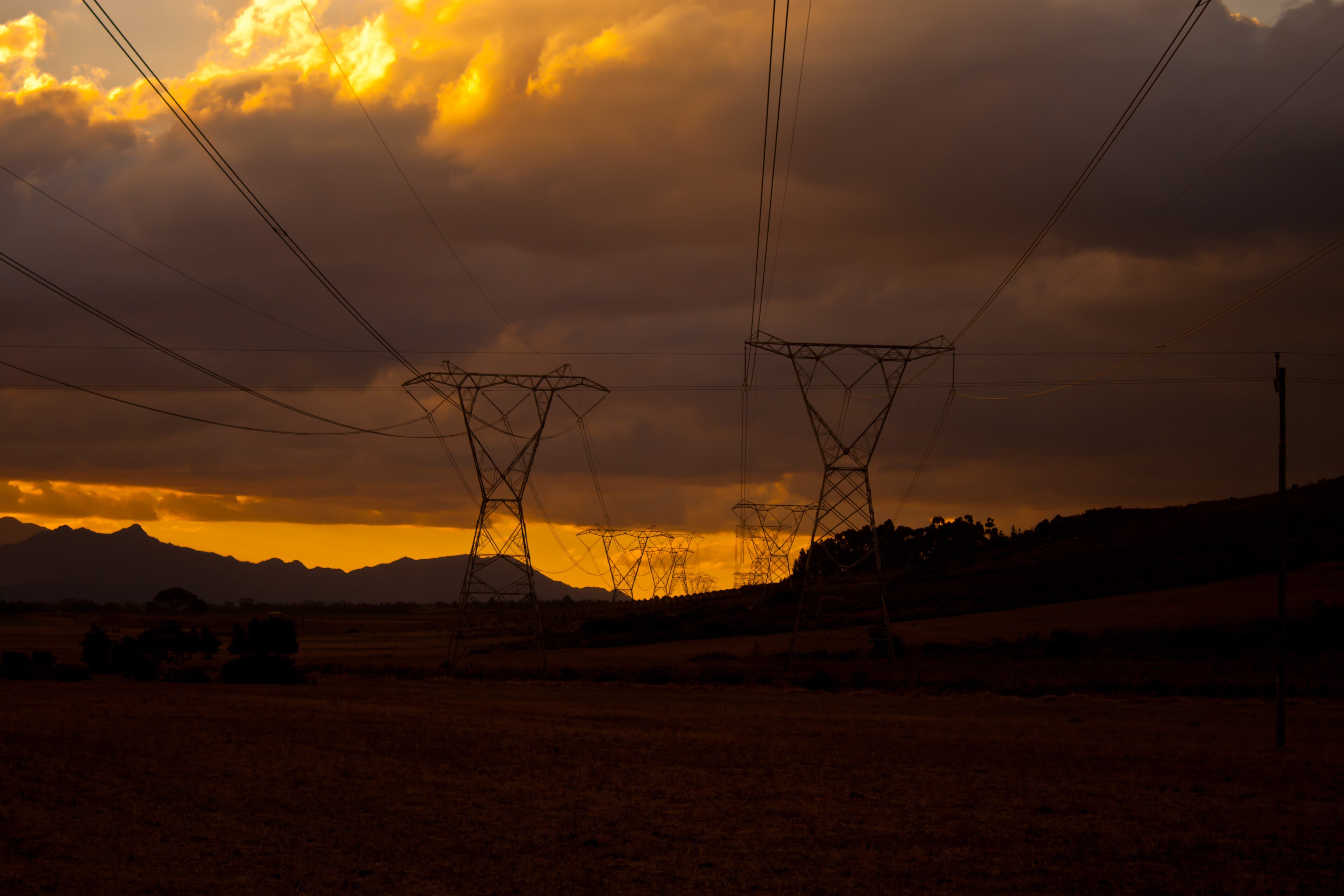
Photo: Azwi / Wikimedia Commons, CC BY-SA 3.0
Can you still have your say before NERSA decides?
Honestly, not through this round. The written deadline of 2 October 2026 has passed. The one scheduled hearing, on 8 October 2026, has already happened.
NERSA is due to announce its decision on this tariff structure on 26 November 2026. No further public hearing is scheduled before then. Readers who still want to raise concerns can write directly to NERSA at info@nersa.org.za, or raise it with their local MP, but the formal window for this specific proposal has closed.
Both the deadline and the hearing had already passed by the time most people heard an objection had even been raised.
What else is this hitting at the same time?
Rising power prices do not arrive alone. Eskom made R30.3 billion profit last year while selling almost 21% less electricity than in 2008, a trend we explored in our report on Eskom's record profit and falling sales. More households are turning to rooftop panels to dodge the hikes, part of why Eskom is also chasing 6,000 MW of private solar and battery capacity to plug the gap those customers leave behind.
Petrol is already at a record too. A look at where every rand of the pump price actually goes shows the same pattern: Costs piling up that most households cannot avoid, decided in processes most households never see.
Eskom's 8.83% is already the number NERSA will use from April 2027. The only thing still open is which part of your bill carries it, fixed charges or the price per unit. The real decision happened in 2025. The one-day hearing in October was the public's only shot at it, and most people did not even know it was happening until after it was over.
Get the stories that hit your pocket
Petrol, SARS, Eskom, grants and the news everyone is talking about. One short email every weekday at 6am.
Free. One email each weekday. Unsubscribe anytime.Sources8
- SolarQuarter, South Africa's Green Connection opposes Eskom's proposed 8.83% tariff increase (19 Oct 2026)
- Infrastructure News, Electricity is already unaffordable, The Green Connection rejects another 8.83% tariff increase (19 Oct 2026)
- Infrastructure News, Ahead of Nersa hearings, communities call for Eskom tariff hikes to be rejected (8 Oct 2026)
- Briefly, Nersa opens public comment on Eskom's 8.83% tariff structure for 2027/28
- Polity, South Africa's headline inflation rate inches higher in August 2026
- The Big Fuss, Eskom's 8.83% hike and the R54.7bn Nersa error behind it (16 Oct 2026)
- News24, Nersa approves 18.65% electricity tariff hike for Eskom (12 Jan 2023)
- IOL, Nersa approves 12.74% tariff increase for Eskom direct customers (19 Mar 2025)
Keep reading
 MoneyWhy a plain T-shirt is so hard to buy in South Africa, and where your money goes
 MoneyEskom plans an 8.83% tariff hike on 1 April 2027, and an MP says families must choose between food, school fees and power
 MoneyBotswana petrol is about R8 a litre cheaper than South Africa's. Here is why