Your loan rate moved the day the Fed spoke. Savings didn't.
Borrowers get a headline the day the Fed moves. Savers get silence, then a smaller number the next month.
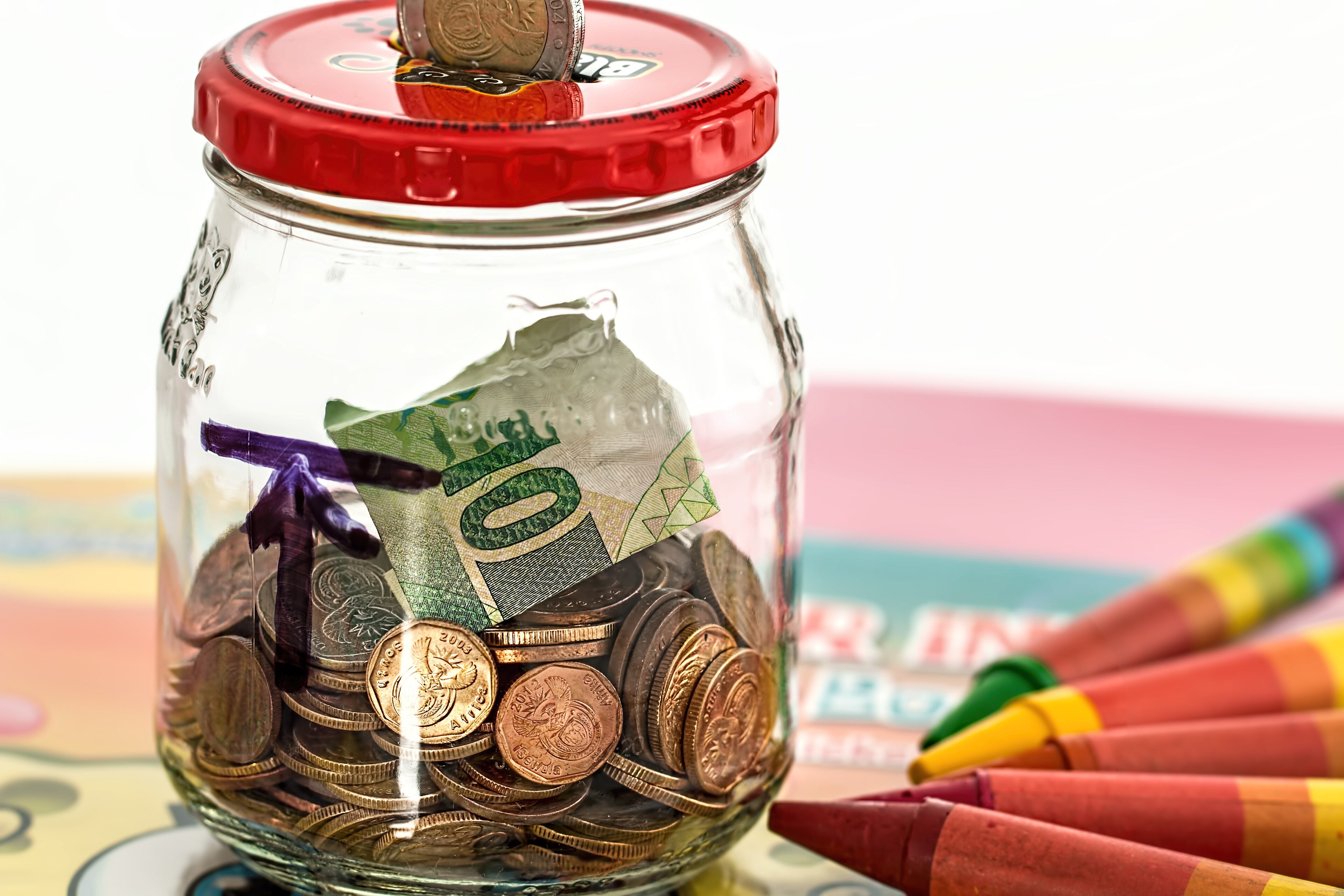
Photo: stevepb / Wikimedia Commons, CC0
- Chase and Wells Fargo still pay 0.01% on standard savings accounts
- The best savings rate pays more than 60 times the national average
- Banks cut what they pay you fast and raise it slowly
0.64%.
That is the average interest rate on a US savings account in October 2026, according to Bankrate. It covers every bank that takes deposits, from the corner branch to the biggest names in the country.
A mortgage, a car loan or a credit card usually reacts within days of a Federal Reserve move. A savings account often does not. The Fed's rate committee meets again on 27 and 28 October 2026, and whatever it decides, most savers will feel almost nothing from their own bank. The gap between what banks pay and what they could pay is the real story, and it is bigger than most people think.
How much does $10,000 earn in a savings account right now?
The national average hides a huge gap between banks. A saver who leaves $10,000 in a typical account earns $64 a year. The same $10,000 in a leading high-yield account earns $427.
| Where the $10,000 sits | Published rate | What it earns in a year | After a quarter-point Fed cut | Date checked |
|---|---|---|---|---|
| National average, all banks | 0.64% | $64 | Little room to fall further | 21 Oct 2026 |
| Chase and Wells Fargo, standard savings | 0.01% | $1 | Little room to fall further | 12 Oct 2026 |
| Bank of America, standard savings | 0.04% | $4 | Little room to fall further | 12 Oct 2026 |
| Leading high-yield savings account (Peak Bank) | 4.27% | $427 | $402 | 21 Oct 2026 |
| National average, 1-year CD | 2.16% | $216, locked for the year | No change once opened | 21 Oct 2026 |
| Best 1-year CD (Popular Direct) | 4.60% | $460, locked for the year | No change once opened | 21 Oct 2026 |
| 3-month Treasury bill | 4.18% (annualised) | About $418 for a year at that rate | Resets at the next auction, not instantly | 21 Oct 2026 |
The Federal Deposit Insurance Corporation tracks a separate, lower figure called the national rate, used only to cap what weak banks can offer. That number was 0.38% on 19 October 2026, with a cap of 4.63%, so even a struggling bank is barred from bidding much higher than that to pull in deposits it cannot afford to pay for.
 Read nextScammers already know your account details before they call, and that is what makes them so convincing
Borrowers already know how fast the Fed moves their number. A 30-year mortgage above 7% after the Fed's last hike reset within a week of that decision. Savings accounts rarely move that fast, in either direction.
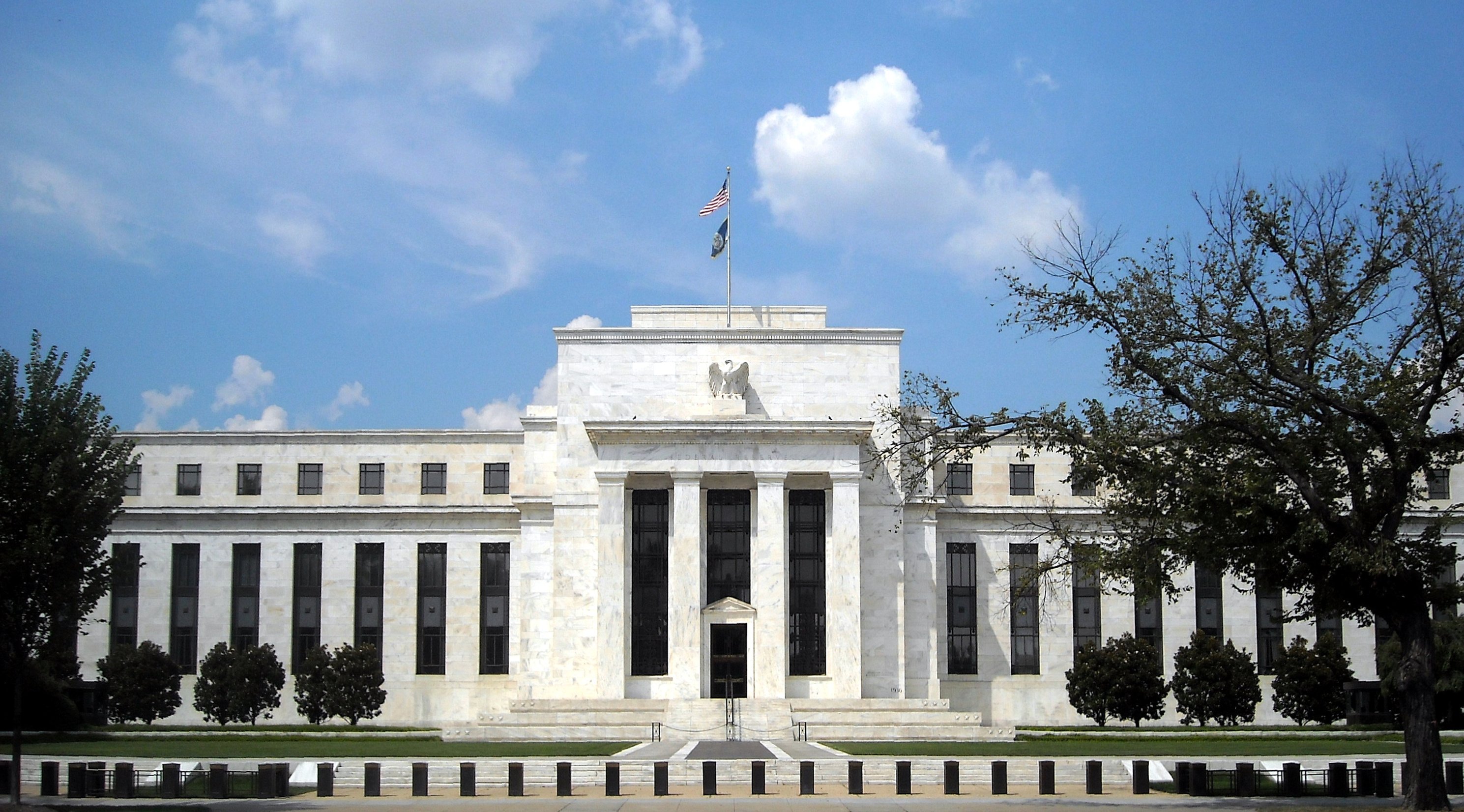
Photo: AgnosticPreachersKid / Wikimedia Commons, CC BY-SA 3.0
What happens to your savings account after the Fed cuts rates?
The Fed does not set your savings rate directly. It sets the federal funds rate, the rate banks charge each other for overnight loans. Competitive online banks reset their savings rates to track it closely, usually within days to two weeks. Large branch banks barely move at all.
A quarter-point cut would take the leading rate from 4.27% to about 4.02%. On $10,000, that is $402 a year instead of $427, a drop of $25. A full one-point cut, the size of four quarter-point moves, would take the same rate to about 3.27%, or $327 a year, a drop of $100. Either way, the account still pays far more than the national average pays today.
Why did my loan rate move but my savings rate didn't?
Banks can raise what they charge you for a loan in a day. Raising what they pay you for your deposit costs them money straight out of their own margin, so they wait as long as they can get away with. Research from rate trackers and banking sites shows the same pattern every cycle. Banks pass on a Fed cut to savers quickly and fully. They pass on a Fed hike slowly and only partly, if their customers do not move their money elsewhere.
 Trending nowBootlegger data leak: The locked dashboard that was never locked
That asymmetry showed up the same way on the loan side. The math already worked out on a $300,000 mortgage shows how fast one Fed decision changes a monthly payment. A savings account runs on the opposite clock. It is quick to lose and slow to gain.
Is a CD or a Treasury bill safer from a rate cut than a savings account?
A savings account rate can change the day the bank decides to change it. A certificate of deposit and a Treasury bill cannot. Once you buy either one, the rate is locked for the whole term, no matter what the Fed does next.
The best 1-year CD paid 4.60% on 21 October 2026, more than double the national average CD rate of 2.16%. A 3-month Treasury bill yielded 4.18% on the same date. The CD locks that rate for a full year. The Treasury bill locks it for just 13 weeks, then the next bill sold at auction carries whatever the new rate happens to be. A savings account offers neither lock. It can fall the moment the bank chooses, but it also never ties up the cash.
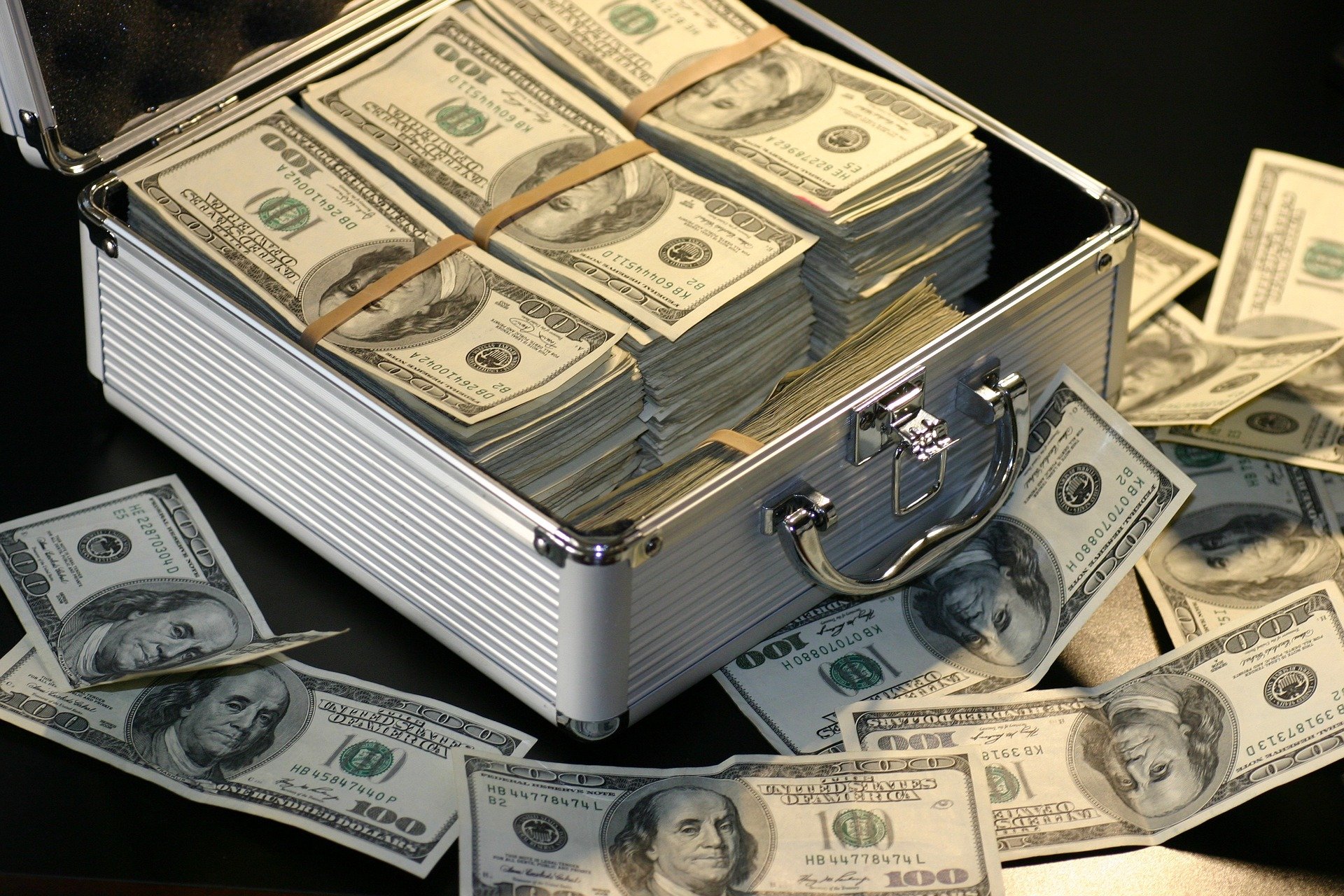
Photo: Maklay62 / Wikimedia Commons, CC0
Why do the biggest banks still pay almost nothing on savings?
Chase and Wells Fargo pay 0.01% on a standard savings account while a leading online bank a few clicks away pays 4.27% on the exact same $10,000, a gap of $426 a year. Bank of America pays 0.04%, still roughly 100 times less than the top rate.
Big banks keep these rates low because most customers never move. Convenience, branches, linked checking accounts and plain habit all work in the bank's favor. Nothing stops a saver from opening an account elsewhere, and a separate explainer covers how money actually moves in and out of an everyday account for anyone who wants the basics first.
The Fed's decision on 28 October is one announcement, covered everywhere the next morning. Which bank holds your $10,000 is a choice available every day of the year, and right now it is worth $363 more, every single year, than the national average pays. That gap is already more than three times bigger than anything a full point of Fed cuts would take away from it.
Get the stories that hit your pocket
Petrol, SARS, Eskom, grants and the news everyone is talking about. One short email every weekday at 6am.
Free. One email each weekday. Unsubscribe anytime.Sources8
- Federal Reserve, FOMC meeting calendar, 27-28 October 2026
- FDIC, National Rates and Rate Caps, 19 October 2026
- Bankrate, Average Savings Account Interest Rate, 21 October 2026
- Bankrate, Best High-Yield Savings Accounts, October 2026
- Bankrate, Best 1-Year CD Rates, 21 October 2026
- US News, big-bank standard savings rates, 12 October 2026
- Raisin, why online bank rates and the Fed rate move at different speeds
- Federal Reserve H.15, Selected Interest Rates, 21 October 2026
Keep reading
 MoneyOne word in your bank's contract decides if you get refunded
 MoneyAirbnb bans the checkout chore list, keeps the cleaning fee
 MoneyVodacom and Makro want your old phones and batteries. Here is what they are worth