One tonne of dead circuit boards has more gold than one tonne of mined ore
Your garage drawer of dead chargers is not rubbish. Vodacom just proved it, one home at a time.
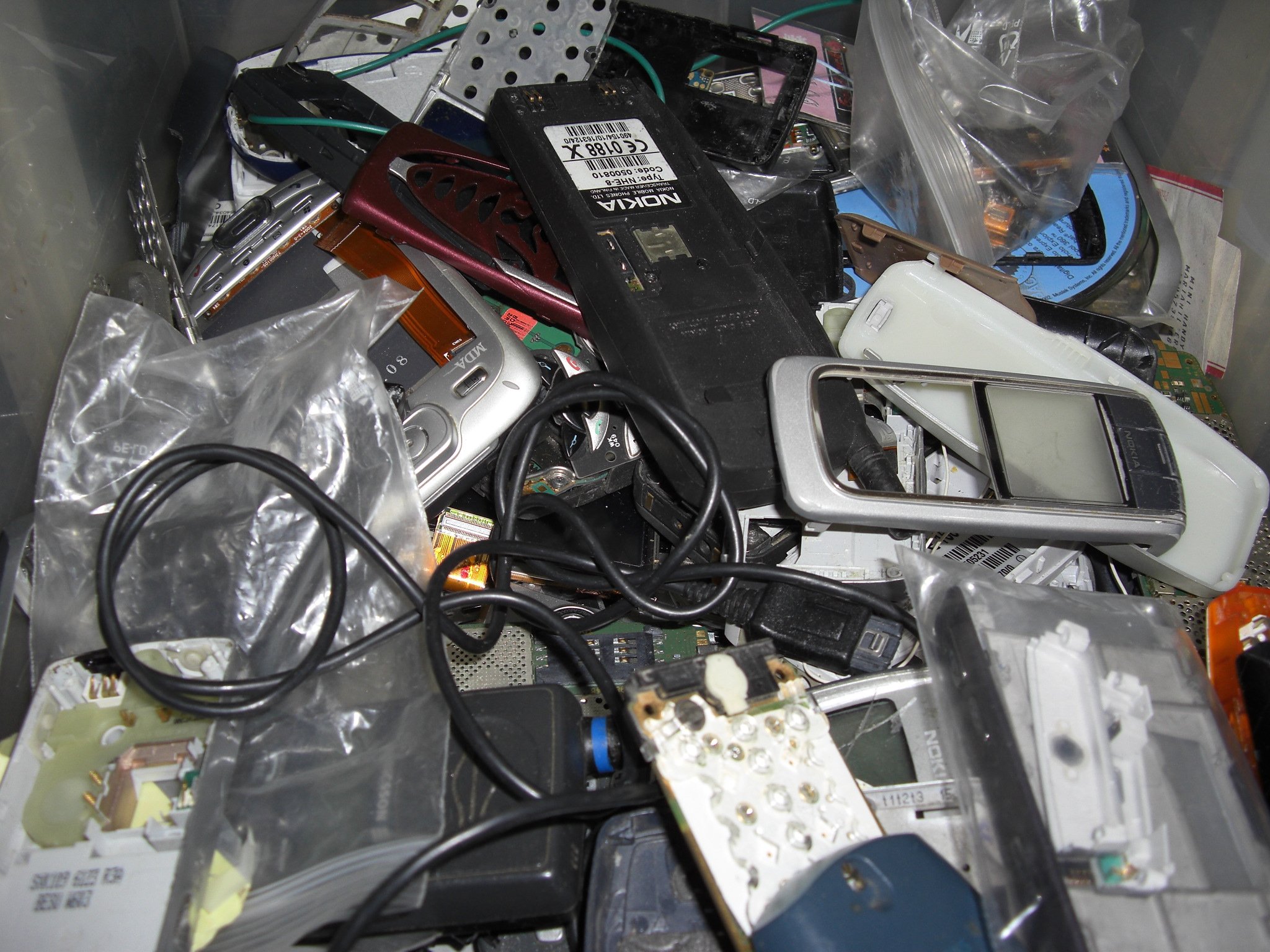
Photo: MikroLogika / Wikimedia Commons, CC BY-SA 3.0
- Old phone circuit boards hold more gold than mined gold ore, tonne for tonne
- Vodacom collected 2.27 tonnes of e-waste from South African homes in a month
- South African landfills have banned e-waste since 2021, with fines for offenders
2.27 tonnes.
That is how much old phones, batteries, chargers and computers South Africans handed over to Vodacom in September, just from people who booked a free home collection. It came from 114 households across the country, which works out to roughly 20kg of dead tech per home. Gauteng alone gave up 1.3 tonnes of that, more than half the national total.
Vodacom calls the drive its Turn Your E-Waste into Rewards challenge, part of a wider programme called RedLovesGreen. Makro has its own push running at the same time, with 19 collection bins in stores nationwide. Pick n Pay has gone further still, building a network of more than 95 drop-off points with a separate recycling partner.
None of this is charity dressed up as a campaign. There is real money in the stuff people have sitting in a drawer, and there is now a law that says you cannot just bin it.
What do you actually get for handing in your old phone?
Vodacom's offer is the clearest. Hand in an old device at a store, or book a free home collection through its partner Circular Energy, and you get store credit or a trade-in discount on a new phone. The devices that still work get repaired or resold. The ones that do not get their parts recovered.
 Read nextWhy a plain T-shirt is so hard to buy in South Africa, and where your money goes
Makro and Pick n Pay work differently. Drop your batteries, power banks, chargers, cellphones or headphones into their in-store bins and the retailer takes care of recycling it safely. Neither currently promises you cash or credit for the smaller items, just an easy, free way to get rid of them responsibly.
What actually happens to the phone once you hand it in?
It does not go straight to a shredder. Under RedLovesGreen, Vodacom's logistics partner Circular Energy first checks whether a device still works. Phones and laptops that do get repaired or resold, so someone else keeps using them instead of a factory making a new one. Only the devices that are truly dead get stripped for parts, which is where the copper, silver and gold inside finally get recovered.
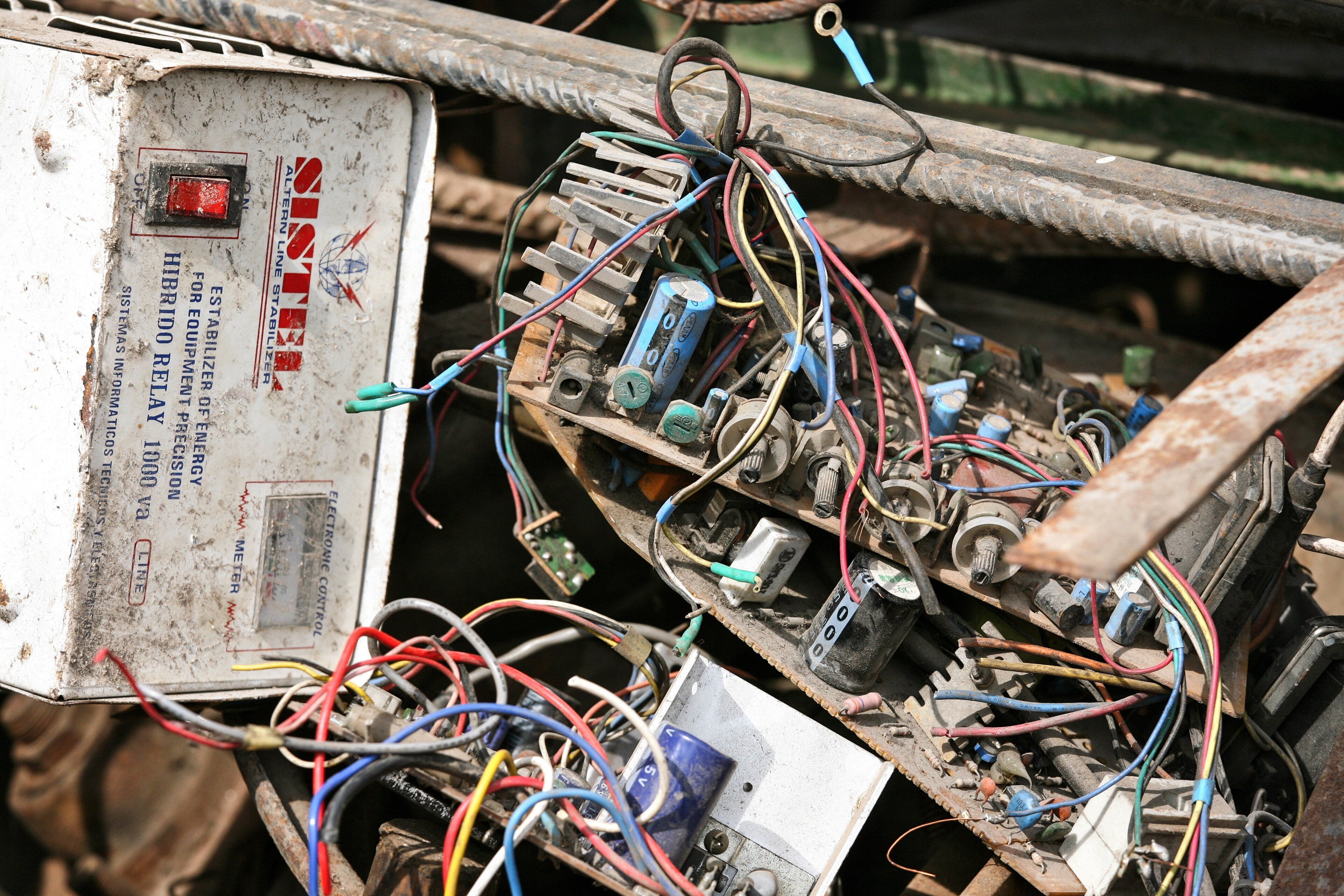
Photo: Alex Proimos from Sydney, Australia / Wikimedia Commons, CC BY 2.0
Where can you actually take each kind of old device?
Nobody had put this in one place, so here it is. Prices, credit and site counts as of 22 October 2026.
| Where | What they take | Do you get paid? | Drop-off points | Checked |
|---|---|---|---|---|
| Vodacom | Phones, batteries, chargers, computers, cables | Store credit or trade-in discount | Every Vodacom store, plus free home pickup nationwide | 22 Oct 2026 |
| Makro (with DESCO) | Power banks, batteries, chargers, cellphones, headphones | No, free responsible disposal | 19 stores nationwide | 22 Oct 2026 |
| Pick n Pay | Phones, batteries, chargers, computers, broken appliances | No, free responsible disposal | Over 95 stores nationwide | 22 Oct 2026 |
| Cape Town municipal sites | Larger electronics and appliances | No, free disposal | A handful of the city's drop-off sites, including Sea Point, Woodstock, Wynberg and Kraaifontein | 22 Oct 2026 |
| Johannesburg (Pikitup) | Electronics at sites that also handle garden refuse | No, free disposal | Some of its 48 sites, call ahead | 22 Oct 2026 |
Vodacom is the only name on that list handing back money. Everyone else is simply making sure your old tech does not end up where it is no longer allowed to go.
Johannesburg's offer comes with a catch worth knowing. Pikitup, the city's waste utility, has been running on reduced capacity through 2026, with well over 100 collection routes outstanding at one point. Phone ahead before you drive out to a site, because a service already short of trucks and money is not one to rely on without checking first.
Is it actually illegal to throw a dead phone in the bin?
Yes, for the bin it is headed to. Since 23 August 2021, South African landfills have been banned from taking electronic waste at all, under the national rules made for the Waste Act. That ban covers phones, batteries, chargers, old computers, almost anything with a plug or a battery inside.
The heavier penalties sit with companies, not households. Rules on "producer responsibility" came into force on 5 November 2021, forcing manufacturers, importers and big retailers to take responsibility for what happens to the electronics they sell once customers are done with them. Companies that ignore this can be referred to the courts, face fines running into the millions of rand, and their directors could be jailed, according to TechCentral's reporting on the rules. There is no fixed fine written down for an ordinary person who still tosses a battery in a black bag, but the landfill itself is simply not meant to take it.
 Trending nowScammers already know your account details before they call, and that is what makes them so convincing
That is the quiet reason retailers are suddenly so keen to collect your junk themselves. Someone has to handle it, and it is cheaper to run a drop-off bin than to fall foul of the rule.
Why would an old circuit board beat gold out of the ground?
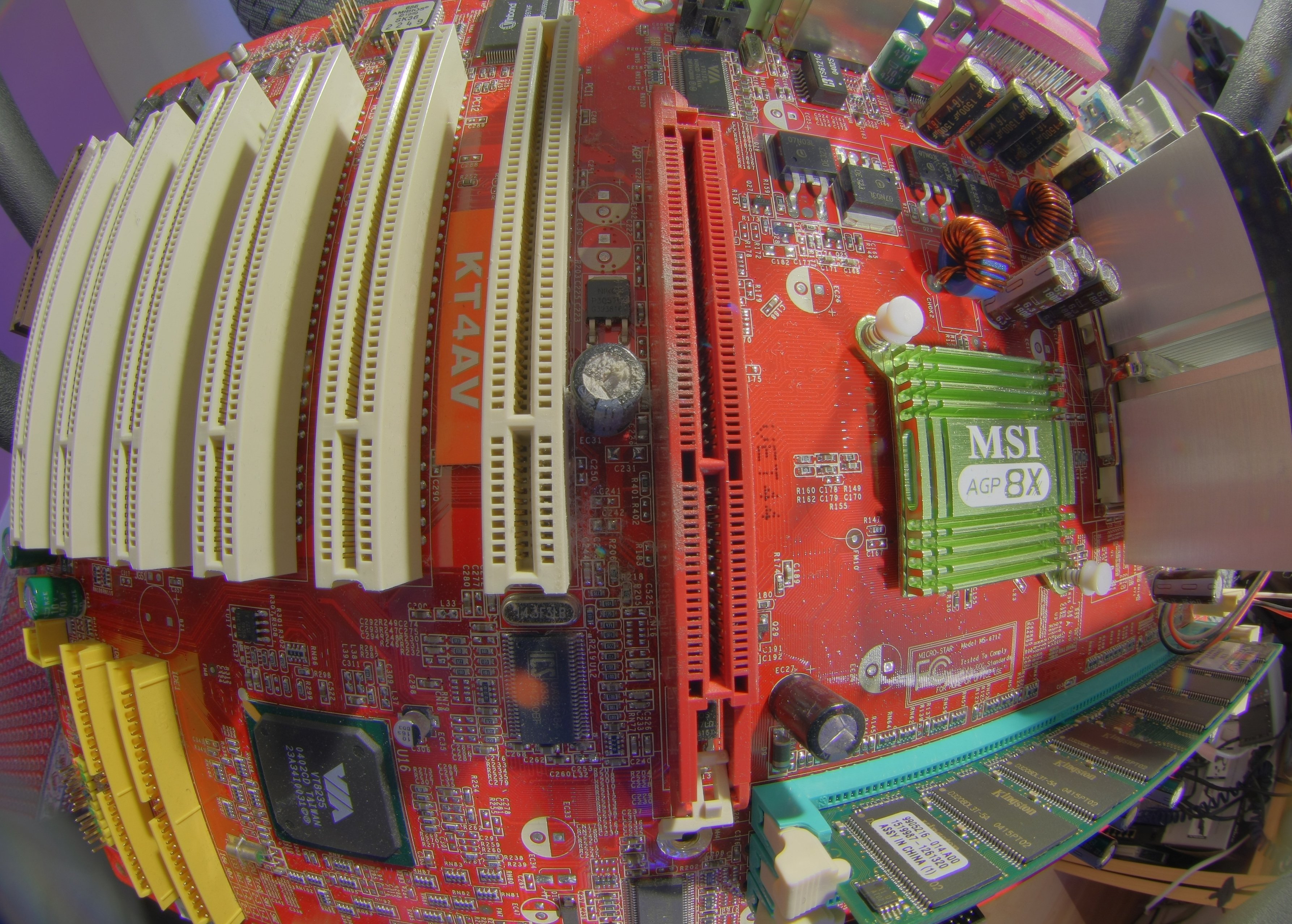
Photo: bengt-re from Sweden / Wikimedia Commons, CC BY 2.0
A tonne of processed circuit boards from old mobile phones holds roughly 300 to 400 grams of gold. A tonne of ore dug out of a working gold mine gives up only 1 to 5 grams, according to industry gold-yield figures that cite the United Nations' Global E-waste Monitor 2024. That makes old circuit boards tens to hundreds of times richer in gold than the rock mines dig up every day.
Phones and computers also carry silver, copper and palladium, which is part of why gold has held its value as an investment even while the metal inside an old Nokia goes mostly ignored. South Africa handed Vodacom 2.27 tonnes of e-waste in a single month. Nobody has published how much gold sat inside that pile, but based on those industry figures, even a modest share of it being circuit boards would put real grams of gold through a recycler's hands rather than a municipal truck.
Who is actually paying for all of this?
Vodacom's Circular Energy partnership and Makro's DESCO deal both exist because someone has to pay to strip, sort and safely dispose of e-waste, and under the rules that is the seller's job now, not the municipality's. It is the same logic behind municipal bills carrying hidden costs most households never see broken down.
For an ordinary household, the trade-off is simple. A free pickup and a bit of store credit beats paying for disposal yourself, and it beats the kind of silent fee most people only notice once a year, the way South Africans quietly pay R31 billion a year just to touch their own cash at the bank.
So what is actually sitting in your drawer?
Most South African homes have at least one dead phone, a tangle of old chargers, and a tower PC nobody has switched on in years. None of that is rubbish anymore, not legally and not financially. It is a small pile of copper, silver and a few grams of gold, waiting for someone to book a free collection before it quietly becomes somebody else's fine.
Get the stories that hit your pocket
Petrol, SARS, Eskom, grants and the news everyone is talking about. One short email every weekday at 6am.
Free. One email each weekday. Unsubscribe anytime.Sources9
- MyBroadband, Makro and Vodacom are looking for people's used batteries and old computers (2026)
- IT-Online, Vodacom challenge collects 2.27 tonnes of e-waste (2 Sep 2026)
- Vodacom, on its e-waste collection and trade-in programme
- MyBroadband, Makro and Pick n Pay want people's old batteries and broken gadgets
- e-Waste Africa, ban of all electrical and electronic waste from landfill, 23 Aug 2021
- TechCentral, e-waste regulations come into force with threat of fines and jail time
- Industry gold-yield figures, citing the UNITAR/ITU Global E-waste Monitor 2024
- Cape Town News, where to drop off old electronics and e-waste
- Daily Maverick, Pikitup's growing crisis of broken trucks and missed collections (2026)
Keep reading
 MoneyDiesel should fall on 4 November. Petrol barely moves
 MoneyWhy Netflix keeps raising prices, and what every plan costs in 5 countries
 MoneyHolmes out in 2030, Balwani in 2033, and $452m still unpaid