Police arrested 1,462 online scammers. Victims are still $280 million short.
Two months, 21 countries, 1,462 arrests. The scam offices ran shifts and scripts like real companies. What victims lost was nearly four times what police got back.

Photo: Jean-Marc Brivet / Wikimedia Commons, CC BY-SA 3.0
- Police arrested 1,462 people running online scam networks in two months
- Victims lost $385 million, but only $105 million has come back
- Nobody has said if any of that money reaches the people it was stolen from
1,462.
That is how many people police arrested across Africa and the United States between 29 June and 31 August this year. The operation is called Serengeti III, run by Interpol, the world's police cooperation agency. It targeted the people behind online scams, ransomware, fake investment schemes and extortion.
Police recovered more than $105 million in stolen money. That sounds like a lot, until you see what victims actually lost. It is only a slice of a much bigger hole.
How did police arrest 1,462 people in two months?
Interpol coordinated police from 21 countries, 20 of them in Africa plus the United States. South Africa, Nigeria, Kenya, Uganda, Angola and 15 other countries took part. Private security firms Group-IB, Kaspersky and Fortinet fed police leads on suspicious servers and bank accounts, alongside the threat intelligence firm Team Cymru.
"Criminals cannot operate without infrastructure," said Jacomo Piccolini of Team Cymru. "They have to build it, connect it and maintain it, and those activities create opportunities to find them."
 Read nextWhy Netflix keeps raising prices, and what every plan costs in 5 countries
Police shut down 10,909 pieces of scam infrastructure. That covers phishing websites, fake trading platforms and the servers scam call centres used to run their operations. Interpol's cybercrime director, Neal Jetton, called international cooperation one of the most effective tools for breaking up these networks.

Photo: BalticServers.com / Wikimedia Commons, CC BY-SA 3.0
How does this compare to the last two crackdowns?
This is the third year Interpol has run this operation, and every number keeps climbing.
| Operation | Year | Countries | Arrests | Money recovered | Victims identified |
|---|---|---|---|---|---|
| Serengeti I | 2024 | 19 | 1,006 | Not published as one figure | Over 35,000 |
| Serengeti 2.0 | 2025 | 18, plus UK support | 1,209 | $97.4 million | About 88,000 |
| Serengeti III | 2026 | 21 | 1,462 | $105 million | 65,929 |
In 2024, Interpol never gave one total for money recovered. It only listed small individual seizures, like $11,000 in cash found in Senegal. That changed the next year, when the agency started publishing one headline recovery figure.
Arrests are up 45% since the first sweep two years ago. That is more scam offices, more staff, more victims every single year.
What scams were these networks actually running?
Not one of the people arrested was working alone. Police kept finding offices with staff, scripts and shifts, run like real businesses.
In Uganda, police broke up two fraud rings and arrested 365 foreign nationals. The group ran investment and pension scams aimed at victims in Asia. In Nigeria, one person was arrested for running a phishing operation that had harvested 2.1 million email addresses, used to trick companies into paying fake invoices. A separate Nigerian case recovered $2.4 million on its own. In the Republic of Congo, 30 people were arrested in one sweep.
Angola's police shut down two illegal cryptocurrency mining centres, arresting nine people and seizing more than 2,000 mining machines. They also seized six illegal power stations worth over $1 million, built to run the machines off the books. In Tanzania, police dismantled a scam running through fake mobile loan apps. In Gabon, the target was a fraud ring built around fake vehicle imports.
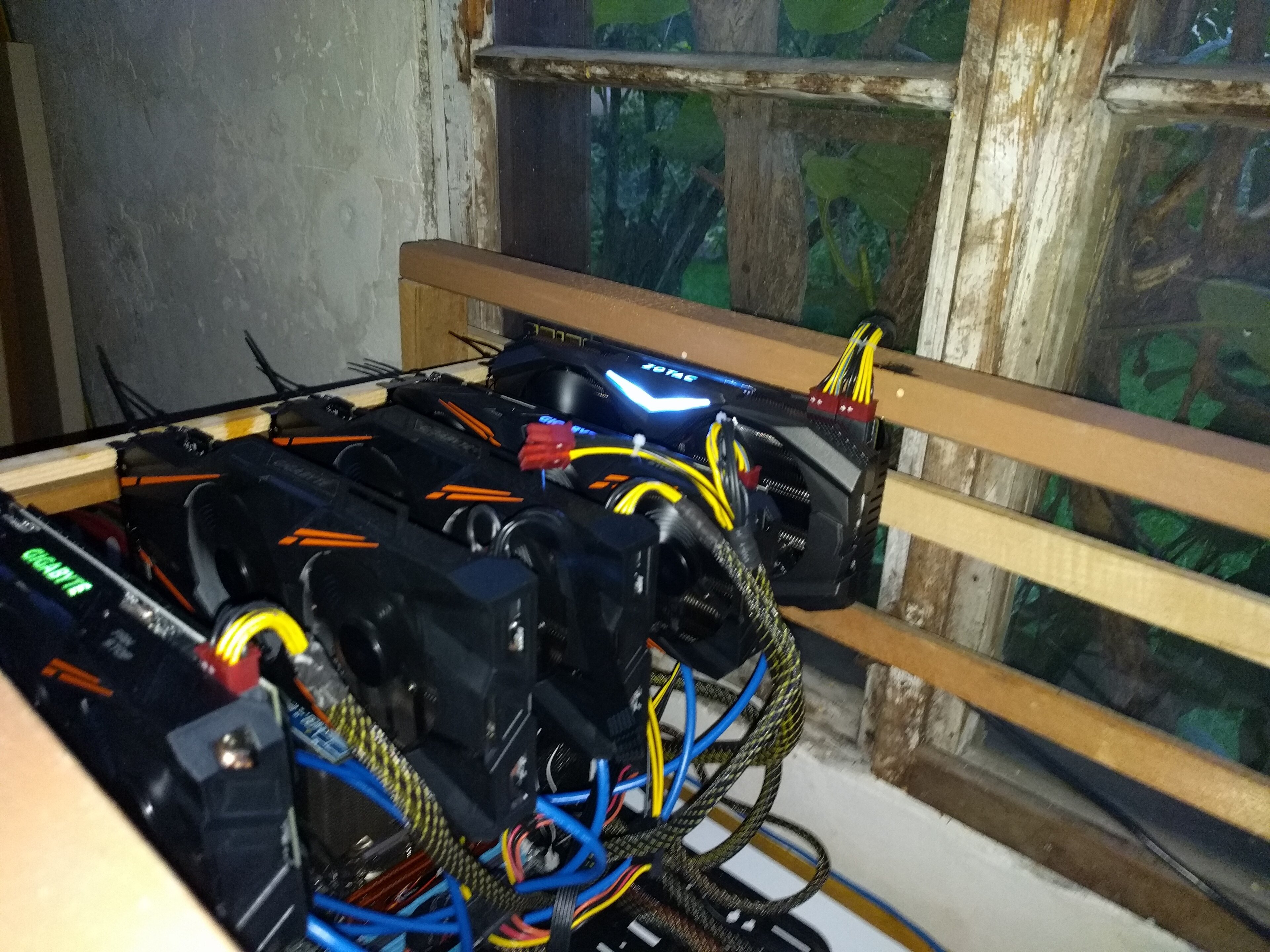
Photo: Jasper Reichardt / Wikimedia Commons, CC BY-SA 4.0
Nigerian online fraud gangs have run this kind of operation for years under a name people there already use: "yahoo yahoo". It covers everything from fake romance profiles to invoice scams like the one police broke up this time. What used to be one person with a laptop has grown into offices with staff rosters, written scripts for talking victims into paying, and managers checking daily targets, the same structure as a call centre selling insurance.
Why did only $105 million come back?
Here is the number that matters most to anyone who has lost money to a scam. Investigators linked these networks to $385 million in victim losses. Police only recovered $105 million of that.
 Trending nowBootlegger data leak: The locked dashboard that was never locked
About 7 out of every 10 dollars stolen is still missing. Most of it has likely already moved through several bank accounts, been converted to crypto, or spent, long before any police force caught up with it.
| Recovered by police | 105.00$m | 27% |
|---|---|---|
| Still missing | 280.00$m | 73% |
| Total losses identified | 385.00$m | 100% |
Source: Interpol, Cybercrime crackdown in Africa nets 1,462 arrests, 22 Oct 2026
Will victims ever see that money?
Interpol's announcement does not say. It names the arrests, the countries, the recovered total. It does not mention a plan to pay any of it back to the 65,929 people identified as victims.
Money seized like this usually sits frozen for years while courts in several countries argue over who it legally belongs to. Cross-border cases make that slower still, since a victim in one country often has no legal path to money frozen in another. Even when courts agree, individual victims rarely get a direct payout. More often the money disappears into a state's own recovered-assets account.
Does any of this touch what's happening to South Africans right now?
South Africa was one of the 21 countries in Serengeti III, though Interpol has not published how many arrests happened here specifically.
While police hunt syndicates abroad, the losses at home keep climbing. South Africans lost R2.4 billion to digital banking crime in 2025, according to SABRIC's banking crime data, up 29% from the year before. At current exchange rates that is about $145 million, more than Interpol recovered across the entire Serengeti III operation in every one of its 21 countries combined.
Nearly 9 out of every 10 of those local cases went through a banking app. We have already shown how much of that R2.4 billion came from South Africans over 55, and looked at whether your bank has to refund you after a scam. The one-time pin scams banks are still fighting with goodwill payouts are a separate, growing slice of the same picture.
So the people Interpol arrested this year were not small-time. They ran call centres with shift rosters and scripts, moving stolen money through crypto wallets and mule accounts across borders in hours. Nobody has said yet whose court gets to decide who that $105 million actually belongs to. For the people still waiting to hear if any of it is theirs, that answer could take years.
Get the stories that hit your pocket
Petrol, SARS, Eskom, grants and the news everyone is talking about. One short email every weekday at 6am.
Free. One email each weekday. Unsubscribe anytime.Sources7
- Interpol, Cybercrime crackdown in Africa nets 1,462 arrests, recovers over USD 105 million (22 Oct 2026)
- Interpol, Major cybercrime operation nets 1,006 suspects (2024)
- Team Cymru, statement supporting Operation Serengeti III
- Group-IB press release on Operation Serengeti III
- BusinessTech, R2.4 billion stolen from South Africans, citing SABRIC data
- Coverage of Operation Serengeti 2.0 (2025) figures
- Peoples Gazette Nigeria, on the Nigerian suspects arrested in the operation
Keep reading
 MoneyWhat a Fed rate cut really does to the money in your savings account
 MoneyOne word in your bank's contract decides if you get refunded
 MoneyAirbnb bans the checkout chore list, keeps the cleaning fee