The world's biggest companies already picked the Cape. Imagine what it could offer them on its own
Investors can put their money anywhere in Africa. Year after year, a remarkable share of it lands in one corner of it. They already trust the Cape. The rules that could win even more are still written somewhere else.
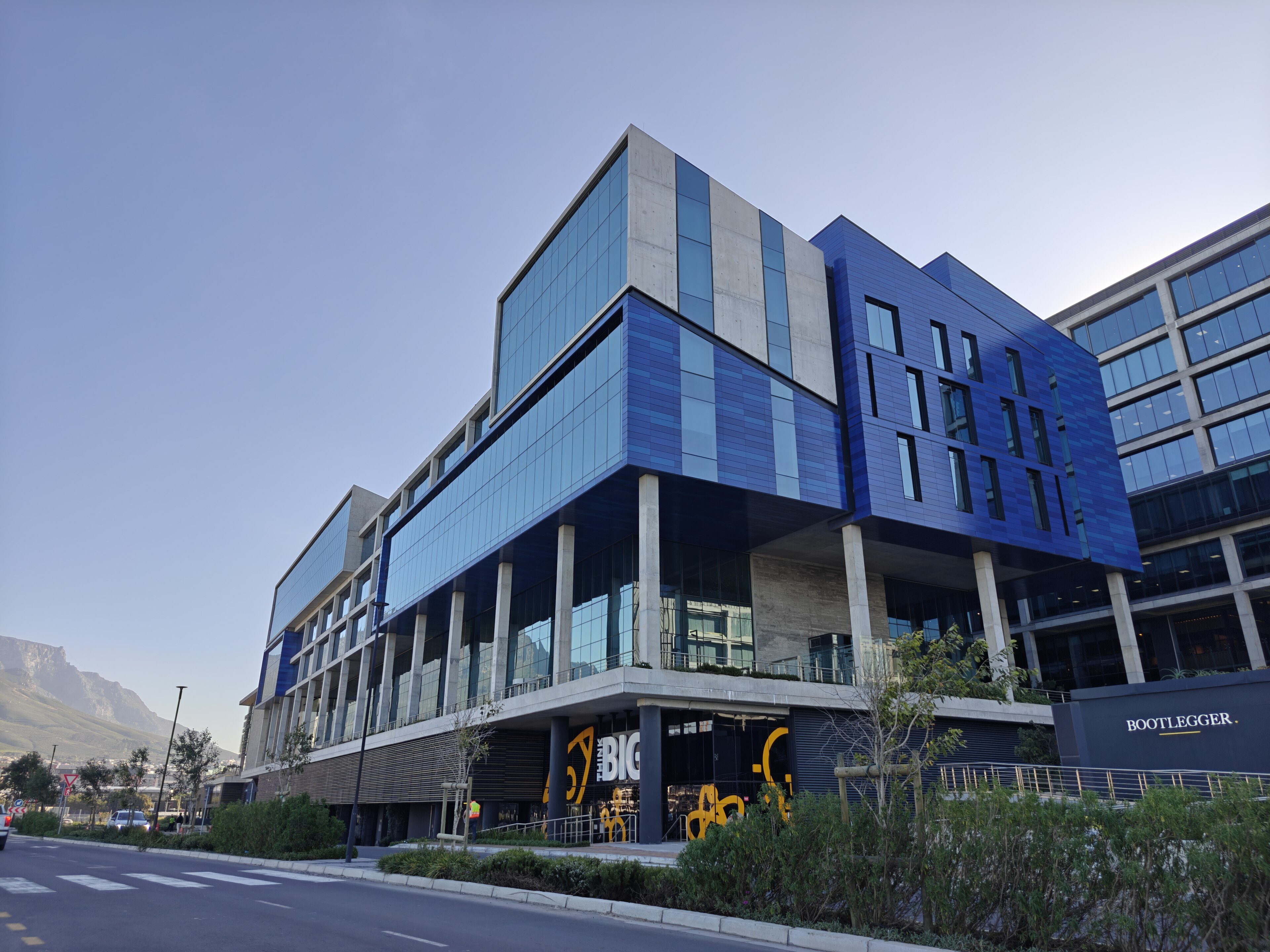
Photo: Husskeyy / Wikimedia Commons, CC BY-SA 4.0
- Amazon invented one of its biggest products in Cape Town
- Cape startups take about half of SA's venture money
- Cape Town was the only big city with a clean audit
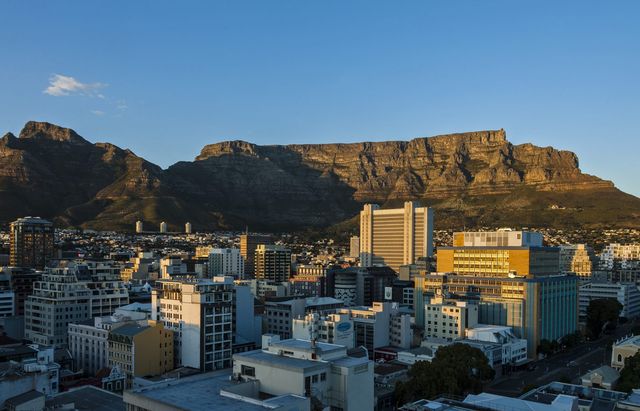
Stand on the corner by Amazon's new building in Cape Town and look up. Blue glass, concrete, offices stacked like boxes. Table Mountain sits right behind it.
This is the Africa base of one of the biggest companies on earth. Amazon could have put it in Johannesburg, Lagos or Nairobi. It chose Cape Town.
It is not alone. Foreign companies put an estimated R87 billion into Cape Town between 2015 and 2024. The figure comes from fDi Markets, the Financial Times service that tracks cross-border investment, and the City quotes it in its own investor guide for 2026.
That is the case for the Cape in one number. The money has already voted.
Why do foreign companies choose Cape Town?
Amazon's story shows it best. The company has run its cloud business, Amazon Web Services, in Cape Town since 2004. According to the City, Amazon's engineers there built the technology behind EC2, the service that rents out computer power to the world. One of Amazon's biggest products was made in Cape Town.
Amazon added call centres in 2010. In 2021 the City approved a R4 billion development as the company's Africa base, with about 70,000 square metres set aside for Amazon, BusinessTech reported. The City's 2026 report says Amazon has now set up its African headquarters in Cape Town, call centre included.
Takealot, the country's biggest online shop, is based in Cape Town too. So is Amazon.co.za.
Wesgro, the province's trade and investment agency, keeps a running score. In 2023/24 it helped land R7.75 billion in committed investment, set to create 3,913 jobs over five years, Polity reported. More than half of those new projects were in the green economy. In the nine months to December 2025, Wesgro told Parliament, it facilitated another R7.6 billion.
Premier Alan Winde went bigger in his 2025 State of the Province Address. He said 296 foreign investment projects had brought more than R171 billion into the Western Cape.
Is Cape Town really Africa's tech hub?
Ask where South Africa's startups get their money, and the answer is mostly the Cape.
The Southern African Venture Capital and Private Equity Association (SAVCA) tracks every rand that investors put into young companies. In its survey of 2023, Western Cape companies took 49% of the money and 55.6% of all deals, Business Day reported. Gauteng, home of Johannesburg, came second with 30.4% of the money.
| Western Cape | 49.00% | 49% |
|---|---|---|
| Gauteng | 30.40% | 30% |
| Rest of SA | 20.60% | 21% |
| All active venture capital, by value | 100.00% | 100% |
Source: SAVCA Venture Capital Industry Survey, via Business Day (July 2024)
Think of how you pay online. Payfast, Yoco, Ozow, Peach, SnapScan and PayU all come from Cape Town, according to the City. If you have tapped a card at a market stall, there is a good chance a Cape company moved your money.
The data centres are coming too. In 2024 Africa Data Centres added 6 megawatts to its Cape Town site. A US government development bank lent the company $300 million for it. Washington does not lend that kind of money to places it does not trust.
Why are so many call centres moving to Cape Town?
Phone the helpline of a British or American company, and the person who answers may well be in Century City. This is the BPO sector, short for business process outsourcing. Foreign firms hire local teams to answer their calls, chats and emails.
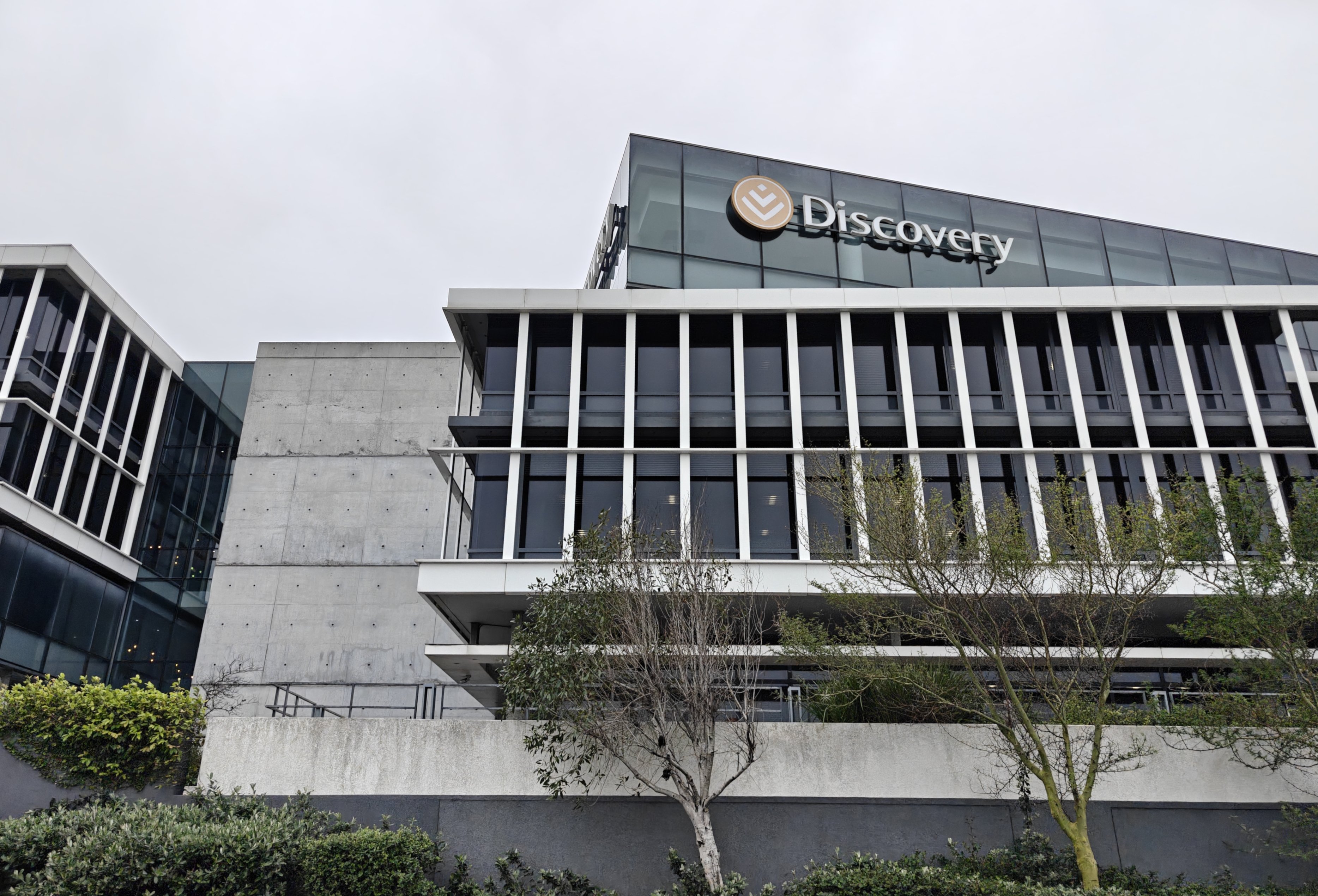
Photo: Husskeyy / Wikimedia Commons, CC BY-SA 4.0
It has become one of the Cape's biggest job machines. The City says the sector created more than 10,400 new jobs in a single year, in a statement in June 2025. It now adds about R24 billion a year to the Western Cape economy. That is as much as tourism, the City says.
The number of people working in Cape Town call centres jumped by 302% between 2014 and 2024, according to tax data in the City's report. CapeBPO, the City's partner for the sector, counts R13.5 billion in new investment over five years.
Why here? The City points to well-educated staff with neutral English accents, and a time zone that matches London. "The people of Cape Town are our competitive advantage," said James Vos, the City's mayoral committee member for economic growth.
Why do so many films shoot in Cape Town?
Hollywood keeps coming back. The Western Cape makes about 80% of South Africa's foreign-funded film projects, according to City figures reported by Daily Investor.
From November 2023 to June 2024, foreign productions put more than R2.5 billion into Cape Town. They created 26,573 jobs for freelance crew and actors. In under five months of 2025, the city centre alone hosted 550 shoots.

Photo: Discott / Wikimedia Commons, CC BY-SA 4.0
Doctor Who has filmed on Greenmarket Square. Adverts are shot everywhere from Camps Bay beach to the Atlantis dunes. Producers come for the weather, the locations and the crews. Wesgro counts more than 2,500 companies serving the industry in Cape Town.
Why do investors trust the Western Cape?
Money is nervous. It goes where the books are clean and the people in charge keep their word.
The Cape has a record to show for both. In the Auditor-General's 2023-24 results, the City of Cape Town was the only one of South Africa's eight big metros to get a clean audit, Daily Maverick reported. Twenty of the province's 30 municipalities got clean audits too, the provincial treasury said. Only 41 municipalities in the whole country managed it.
A clean audit means the books add up and the money went where the budget said it would. For a foreign board deciding where to build, that is not a small thing. Where your rates go is a story we have unpacked line by line.
Jobs follow. Cape Town has the lowest unemployment rate of any metro in the country, at 23% in mid-2025, according to Stats SA figures in the City's report. It added 388,000 jobs in five years.
What could a self-governing Cape offer investors?
The Cape wins all of this with one hand tied behind its back.
Photo: SkyPixels / Wikimedia Commons, CC BY-SA 4.0
The biggest levers sit in Pretoria. Take special economic zones, areas where companies can pay a lower tax rate of 15%. Before any firm in a zone can get that rate, the national minister of finance has to approve the zone, law firm Cliffe Dekker Hofmeyr explains. The film rebates that lure Hollywood are national money too. So are visas for foreign engineers and the rules on moving money in and out.
A Cape that ran its own affairs could set those terms itself. It could offer a tax rate built for call centres, fast visas for the coders its startups want to hire and a film rebate tuned to its own studios. And one office could give investors a yes or a no in weeks.
Wesgro already has a goal of R200 billion in new investment by 2035. Picture that target with the full toolkit behind it.
Critics say investors want one big South African market, not a breakaway province. But the investors have already shown where they stand. They chose the Cape inside a country with weak growth and failing metros. They did it because of how the Cape is run. For the full background on the push for a vote, read our guide to what Capexit is and whether it could happen, and follow the daily debate on our Cape independence page.
Is the Cape already winning the investment race?
It is, and by a distance.
Amazon chose it for Africa. Half of South Africa's startup money flows to it. More than 10,000 new call centre jobs in one year. Most of the country's foreign film work. The only clean audit among the big cities.
None of that came from special treatment. It came from a province that keeps its books clean and keeps its word. Investors noticed long before the politicians did.
So imagine the Cape setting its own tax rates, its own visas and its own deals. The world's companies have already told us where they want to be. A self-governing Cape would simply be ready to say yes faster.
Sources11
- City of Cape Town, Invest in Cape Town 2026 (FDI from fDi Markets, BPO, tech, film and jobs figures)
- Wesgro presentation to Parliament's Small Business Development committee (1 April 2026)
- Polity, Wesgro secures R7.75 billion in investment in 2023/24
- Cape Argus, Premier Winde on R171 billion in foreign direct investment (State of the Province 2025)
- Business Day, Western Cape attracts the most venture funding in SA (SAVCA survey)
- City of Cape Town, 10,400 new BPO jobs created (2 June 2025)
- Daily Investor, Foreigners are pumping billions into this South African city (film figures, 18 July 2025)
- BusinessTech, Amazon to set up its Africa base in a R4 billion Cape Town development (2021)
- Daily Maverick, Auditor-General gives Cape Town the only clean audit among the metros
- Western Cape Provincial Treasury, 20 of 30 municipalities get clean audits (28 May 2025)
- Cliffe Dekker Hofmeyr, How the special economic zone tax rate works (February 2026)
The week's biggest stories, every Monday
One email. The stories everyone will be talking about, before they do.
Free. One email a week. Unsubscribe anytime.Keep reading
 PoliticsThe Cape wins the world on tourism. Imagine it with its own keys
 PoliticsCape Town switches on its own power plant in Atlantis
 PoliticsThe Cape independence push Pretoria can't ignore