Baby mammoth Yana: The 50,000-year-old calf that keeps breaking the internet
She was about a year old when she died. Then the ice held her for 50,000 years. Now her small face is back on millions of screens, and people have questions.
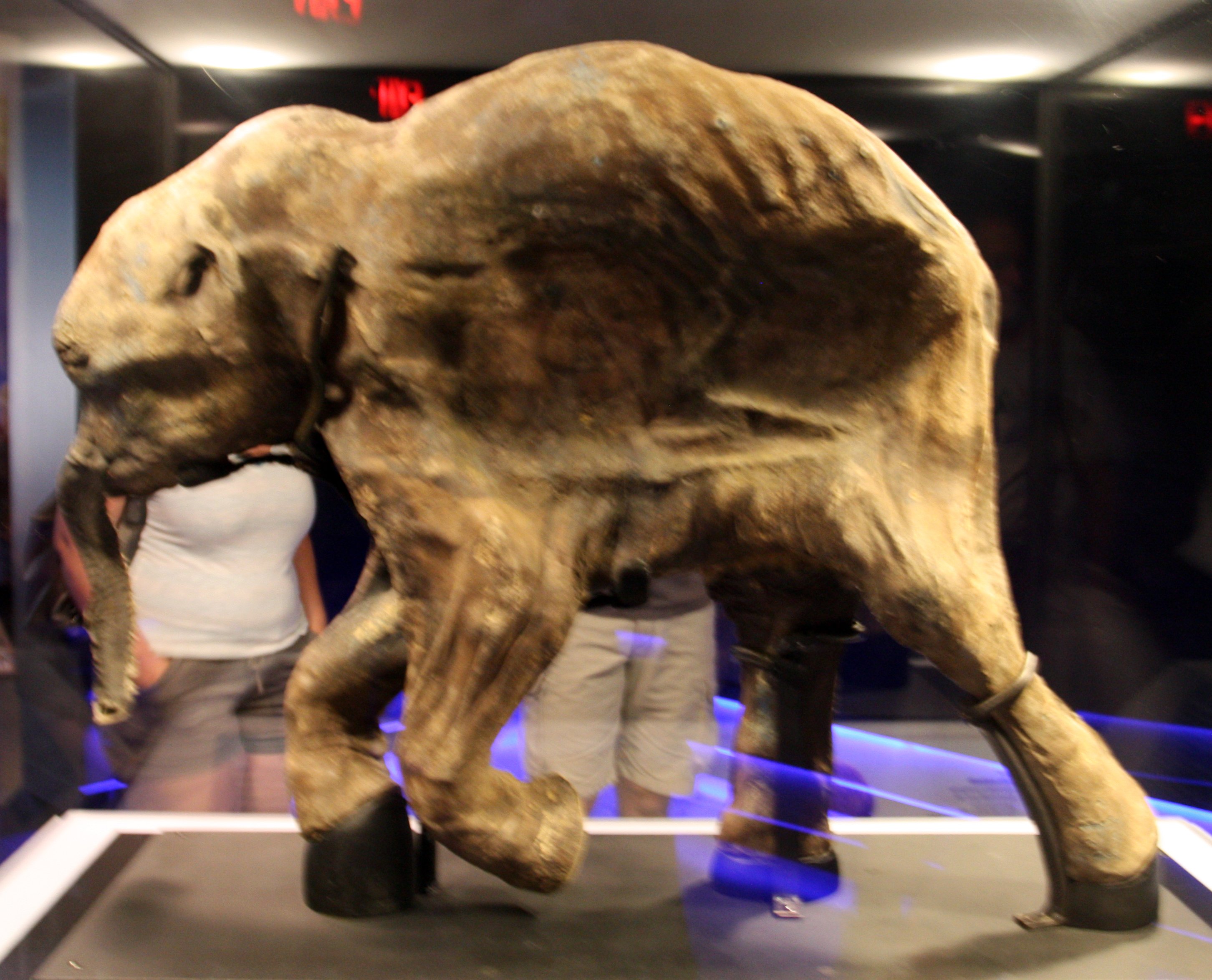
Photo: IJReid / Wikimedia Commons, CC BY-SA 4.0
- Her head, trunk, ears and mouth survived about 50,000 years
- She is only the seventh baby mammoth body ever found
- The crater that gave her up grows bigger every summer
She is about the size of a large dog. Her trunk is curled. Her small ears lie flat against her head, and her mouth is still there, as if she might open it.
Her name is Yana. She was a woolly mammoth, about one year old when she died. Then the frozen ground of Siberia held her for roughly 50,000 years.
This week her face is everywhere again. A French post quoting the newspaper Le Parisien passed 4 million views in a day. The replies poured in. Some people saw a baby elephant. Some wanted her cloned. Some wanted to "thaw it out" and save her.
And one question came up again and again, mostly with a laugh: How did they know her name?
Is the baby mammoth Yana a new discovery?
Not brand new, and that is part of her magic. She keeps coming back.
Local people found Yana in the summer of 2024, near the Batagaika crater in Yakutia, a huge cold region of northeast Russia. Scientists at the North-Eastern Federal University in Yakutsk showed her to the world on 23 and 24 December 2024.
Nearly two years on, she still stops people mid-scroll. A few replies mixed her up with Lyuba, another famous baby mammoth found in 2007. They are two different calves, born thousands of years apart.
Yana weighs about 180 kilograms. She stands about 120 centimetres tall and is about 2 metres long, according to the university. Maxim Cherpasov, who runs its Mammoth Museum lab, called her one of the best-preserved mammoths ever found.
How did the baby mammoth get her name?
Nobody guessed it. She was named after the place she came from.
Yana was found in the basin of the Yana River, which flows north through Yakutia to the Arctic Ocean. Naming a frozen animal after its river or the person who found it is an old habit. Lyuba was named after the wife of the reindeer herder who spotted her.
So the scientists did not ask her. The river did the naming.
The best-preserved Ice Age babies ever found
Yana joins a very small club. Reports from Yakutsk say she is only the seventh baby mammoth body ever found anywhere. Here are the most famous frozen babies, with the facts that are confirmed.
| Name | Animal | Where found | Year found | Age when it died | Lived about |
|---|---|---|---|---|---|
| Dima | Woolly mammoth | Magadan region, Russia | 1977 | 7 to 8 months | 40,000 years ago |
| Lyuba | Woolly mammoth | Yamal Peninsula, Russia | 2007 | About 1 month | 42,000 years ago |
| Boris | Cave lion cub | Semyuelyakh River, Yakutia | 2017 | 1 to 2 months | 43,000 years ago |
| Sparta | Cave lion cub | Semyuelyakh River, Yakutia | 2018 | 1 to 2 months | 28,000 years ago |
| Yana | Woolly mammoth | Batagaika crater, Yakutia | 2024 | About 1 year | 50,000 years ago |
The two lion cubs were found only 15 metres apart. Scientists first thought they were brother and sister. Dating showed they were born about 15,000 years apart.
How old is Yana really?
Scientists dated her with radiocarbon tests. The method measures a type of carbon that slowly fades after death, like a clock that starts ticking when the heart stops. Their answer was about 50,000 years.
To picture that: The first farms on Earth are only about 12,000 years old. The pyramids of Egypt are about 4,500 years old. When Yana was alive, people still hunted with stone spears, and the far north was a cold grassland full of mammoths, woolly rhinos and cave lions.
Fifty thousand years is also close to the edge of what radiocarbon can measure, so the figure is a careful estimate.
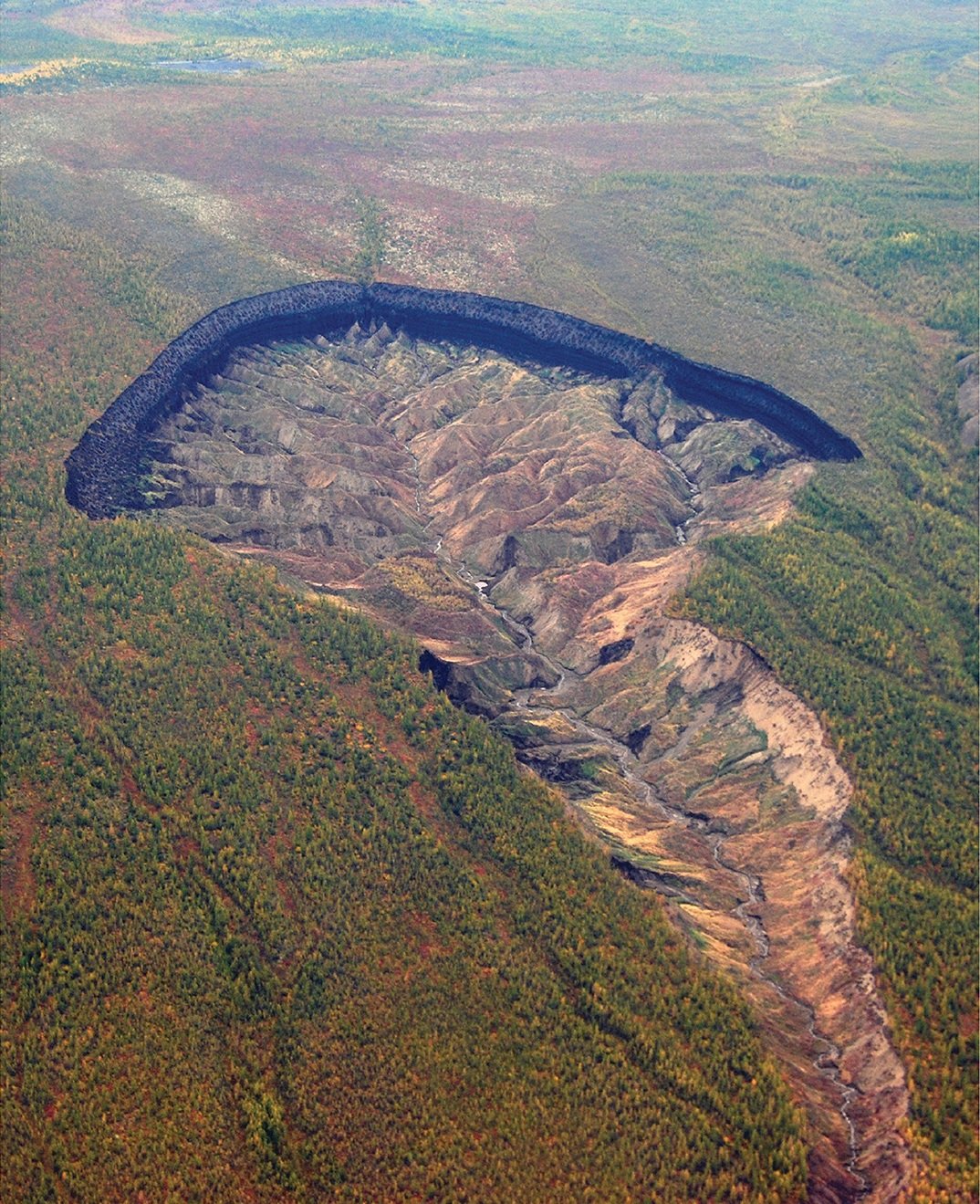
Photo: Courtin, J., Perfumo, A., Andreev, A. A., Opel, T., Stoof-Leichsenring, K. R., Edwards, M. E., Murton, J. B., & Herzschuh, U. / Wikimedia Commons, CC BY 4.0
Why is the baby mammoth so well preserved?
Because she spent 50,000 years in a natural deep freezer.
Permafrost is ground that stays frozen all year, sometimes for hundreds of thousands of years. Cold slows rot almost to a stop. Very little air gets in, so the tiny germs that break down bodies cannot do their work.
Many frozen babies were buried fast. Scientists who studied Lyuba believe she fell into a mix of mud and sand on a riverbank, which filled her airways. That mud sealed her in.
Yana was not perfect when she came out. Her front legs had been eaten by modern scavengers as her body thawed out of the slope. But her head, trunk, ears and mouth survived, and that is the part that makes people gasp.
Could scientists clone the baby mammoth?
"We need to clone it!" was one of the most popular replies. People have asked this since Dima was found in 1977.
Cloning needs living cells with whole DNA. After thousands of years, even in ice, DNA breaks into small pieces. No frozen mammoth has given scientists a cell they could simply copy.
So the most famous project takes another road. Colossal Biosciences, a Texas company, is editing the DNA of Asian elephants, the mammoth's closest living relative, to give them mammoth traits.
On 4 March 2025 it showed off the "woolly mouse". These lab mice were changed so they grow long, thick, golden hair, like a mammoth's coat. The company says it aims for a mammoth-like calf, carried by an elephant mother, by late 2028.
Its chief scientist, Beth Shapiro, has admitted there is "a lot of hard biology that still hasn't been solved". Other scientists point out that the result would be a changed elephant, not a true mammoth. Investors still valued the company at US$10.2 billion in January 2025.
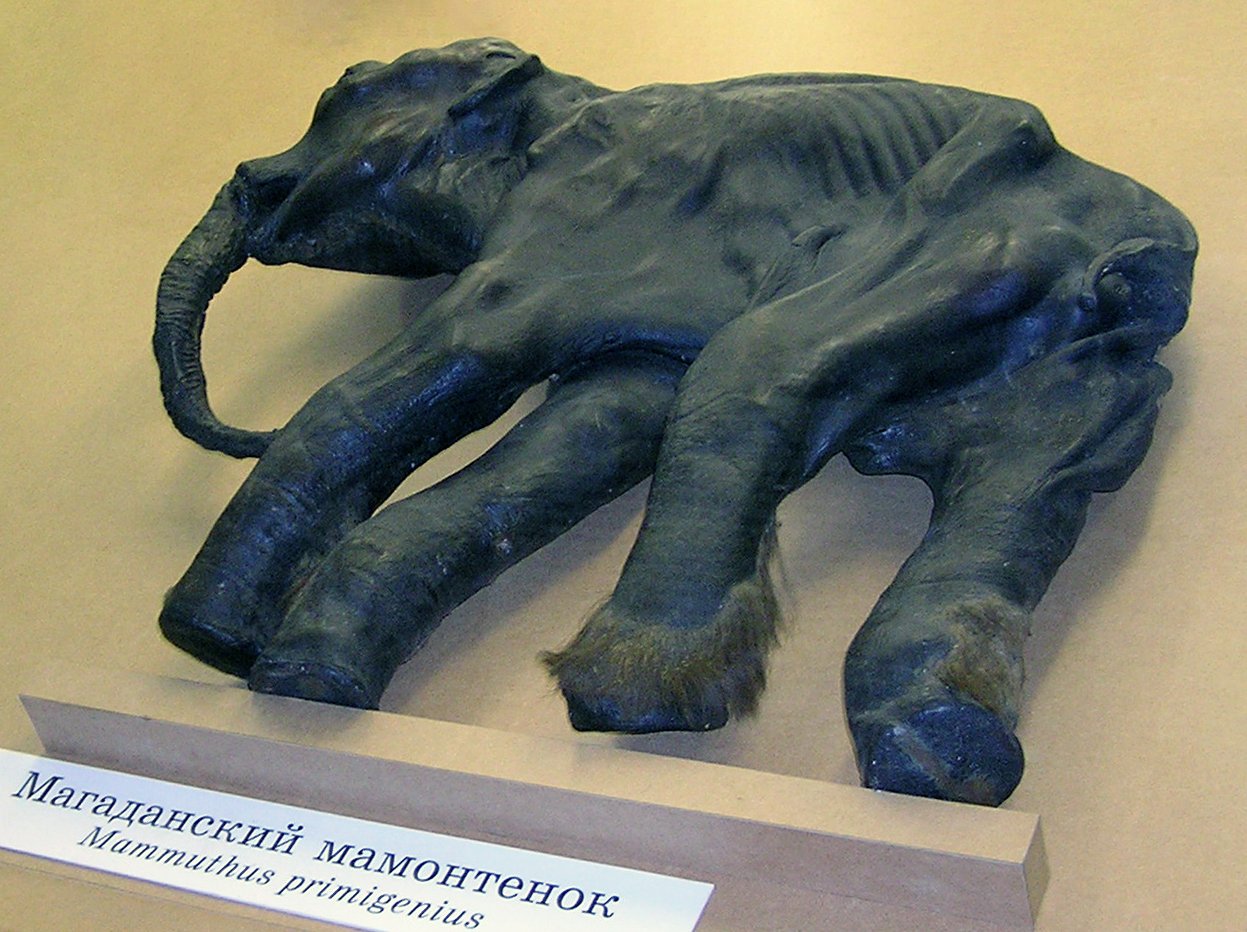
Photo: Andrey Butko / Wikimedia Commons, CC BY-SA 3.0
Could ancient viruses wake up in the melting permafrost?
One reply gave thousands of readers a shiver: If a virus was kept by the cold, no immune system today would know it.
Scientists have tested that fear. A team led by Jean-Michel Claverie at Aix-Marseille University in France took samples from Siberian permafrost and brought old viruses back to life in the lab.
The oldest, Pandoravirus yedoma, came from mud 16 metres under a lake bed in Yakutia. It was about 48,500 years old. The press called it a "zombie virus".
There is one big comfort. These viruses only infect amoebas, tiny single-cell creatures, not people or animals. Claverie chose them on purpose because they are safe to study. His point is that if these viruses can survive that long, others might too, and the ice is thawing.
Russia has seen its own disease scares lately, from a plague case that rattled Irkutsk to the secretive lab that hunts these diseases.
What is the Batagaika crater, the "doorway to the underworld"?
Locals call it the doorway to the underworld. Scientists call it a megaslump: A place where frozen ground thaws, collapses and slides away.
It started as a small scar after forest was cleared in the 1960s. Now it is about 1 kilometre wide. A 2024 study led by Alexander Kizyakov found it grows by about 1 million cubic metres every year. In 2014 it was about 790 metres across. By 2023 it was about 990.
Each summer the walls melt back a few more metres, and the ground gives up more of what it held: Old wood, old soil, old bones, and sometimes a face.
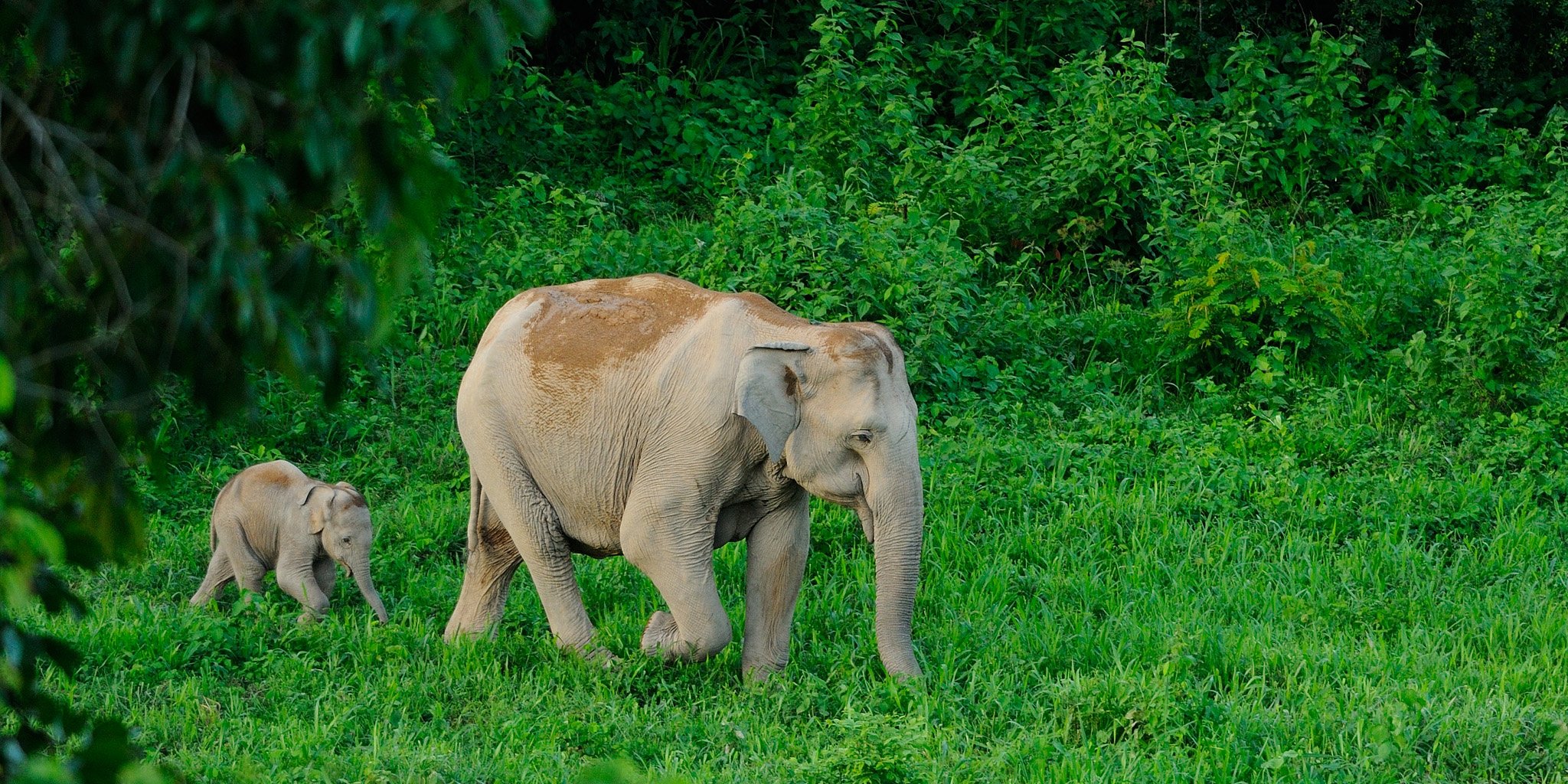
Photo: tontantravel / Wikimedia Commons, CC BY-SA 2.0
Why can't people stop looking at Yana?
Maybe because she does not look like a fossil. Fossils are stone. Yana is skin, hair and a trunk.
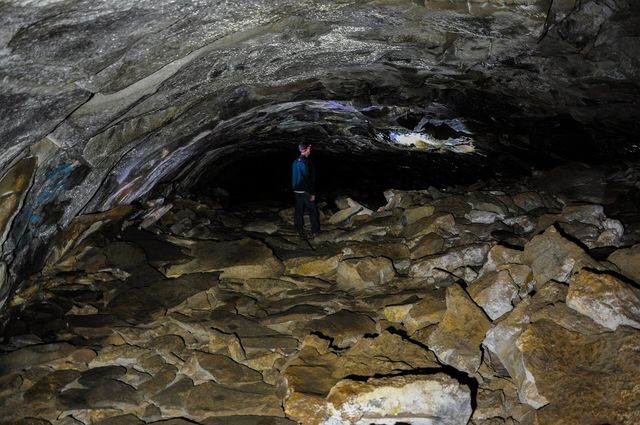
People who spent 500 days alone in a cave talk about losing track of time. Yana lost track of 50,000 years. She was a baby when the ice took her. She was still a baby when the ice let her go.
She lived before the first farm, before the first city, before anyone wrote a single word. Now millions of strangers look into her face on their phones, and many of them see a baby elephant looking back.
And the crater keeps melting. The past keeps coming up for air. Somewhere in that wall of ice, the next Yana is already waiting.
Sources12
- The original post by Cultination, citing Le Parisien (8 Oct 2026)
- CNN, Baby mammoth found in Russian crater is the world's best preserved, says scientist (23 Dec 2024)
- VOA, Scientists show baby mammoth preserved for 50,000 years in Siberia (Dec 2024)
- Archaeology Magazine, 50,000-year-old baby mammoth in Siberia (Dec 2024)
- NPR, Woolly mammoth Lyuba opens doors for researchers (2009)
- Scientific Russia, Baby mammoth Dima found on 23 June 1977
- CNN, Cave lion cubs Sparta and Boris dated (5 Aug 2021)
- Smithsonian, Colossal Biosciences creates the woolly mouse (March 2025)
- AFP via Bangkok Post, Colossal says mammoth revival plan on track for 2028
- Free Press Journal, 48,500-year-old Pandoravirus yedoma revived by Claverie's team
- ScienceAlert, Batagaika megaslump grows about 1 million cubic metres a year (2024 Geomorphology study)
- WION, Batagaika crater width 2014 to 2023
The week's biggest stories, every Monday
One email. The stories everyone will be talking about, before they do.
Free. One email a week. Unsubscribe anytime.Keep reading
 Viral500 days alone in a cave, and she lost track of time
 ViralKarl Bushby is back in Britain after 28 years on foot
 ViralWarner Bros and Paramount just became one giant company