Why has Cape Town's freeway ended in mid-air for 50 years?
Drivers have stared at it for half a century. Postcards, films and a giant Visa card have all used it. This month, Cape Town said it will finally go somewhere.
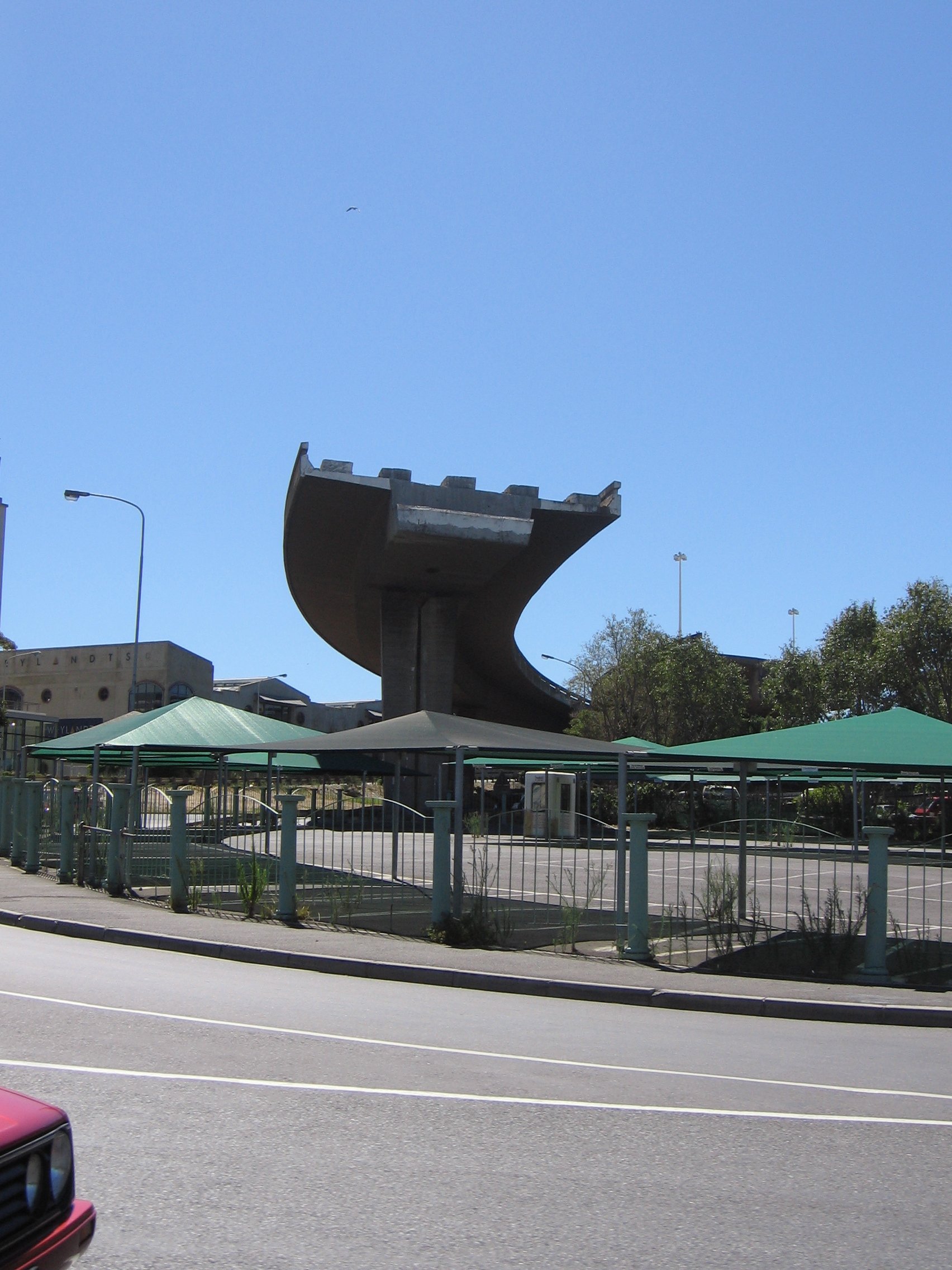
Photo: elyob / Wikimedia Commons, CC BY-SA 2.0
- The freeway has ended in mid-air since the 1970s
- It once carried a 35 metre Visa card
- The mayor wants to bury half of it
50 years.
That is how long a concrete freeway in the middle of Cape Town has stopped in mid-air, with nothing at the end of it but sky.
Locals call it the "bridge to nowhere". Some call it "Solly's folly". On 2 October 2026, Mayor Geordin Hill-Lewis stood on one of the unfinished bridges and said the city will finish it.
One half becomes a proper bridge. The other half goes underground.
A YouTube video by Asher Pardey about the plan has been watched about 196,000 times in days. The comments are full of people who have driven under this thing all their lives and never expected to see it done.
So how does a city end up with a road that goes nowhere?
Why does Cape Town have a freeway that stops in mid-air?
It starts with land that was not there yet.
In the 1940s, Cape Town reclaimed land from the sea. That land is the Foreshore. It sits right at the foot of the city bowl.
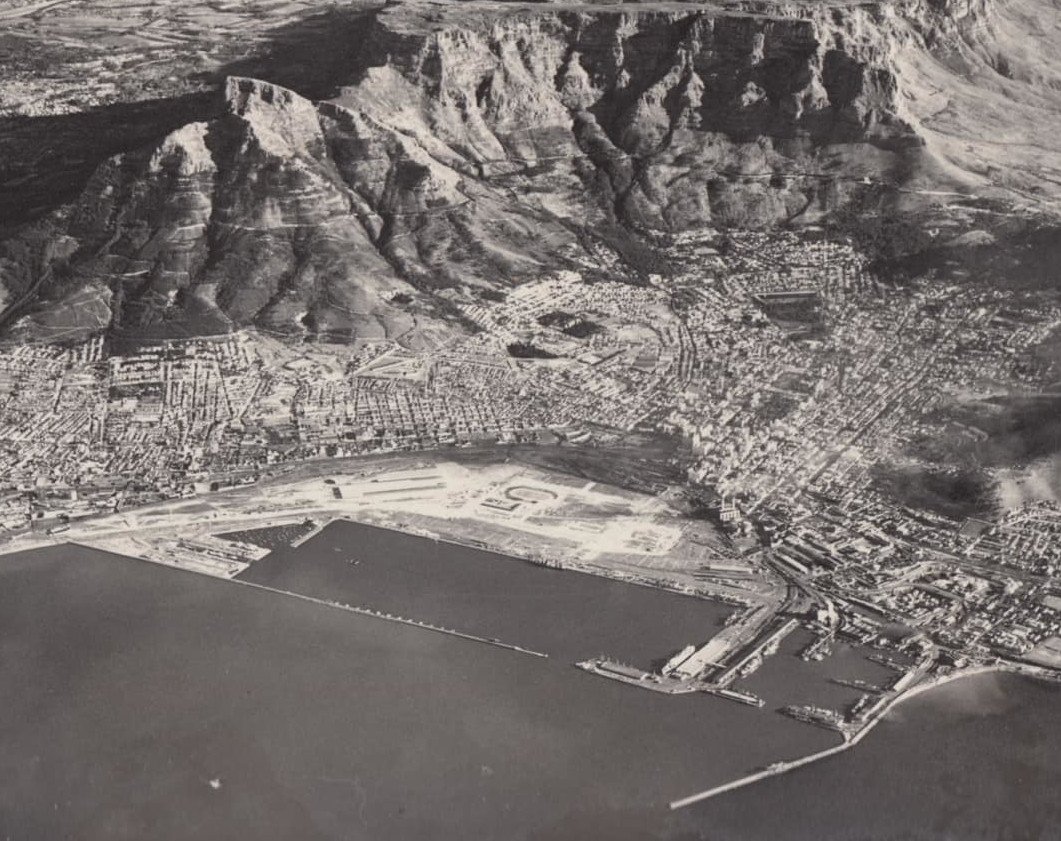
From 1949, the city engineer was a man named Solomon "Solly" Morris. He had a big dream. He wanted a "metropolis of tomorrow" with speedy ways in and out of the city.
Not everyone agreed. In the 1950s, other engineers warned that fast roads might only move the traffic jams somewhere else.
The freeways went up anyway in the early to mid 1970s. Then the work stopped.
Why did Cape Town stop building the freeway?
Money and traffic. The cars that planners expected never showed up in the numbers they needed. In 2022, then Transport Minister Fikile Mbalula told Parliament the same thing: The predicted traffic had not appeared, so the build was put off.
The video adds another reason. In apartheid South Africa, public money went into other priorities, including the expansion of townships, so there was little left for a showpiece road.
So the concrete just stood there.
Is it true the two halves do not line up?
People love the stories. One says the two halves were built so badly that they could never meet. Another says a stubborn shopkeeper refused to sell his shop and blocked the whole road.
Nobody has produced a document for either one. The video treats both as legends. They have lasted anyway, because a road that ends in the air makes people want a reason.
The real life of the freeway has been stranger than the myths.
What has the bridge to nowhere been used for?
Almost everything except traffic.
It became a film and photo location. The space below was used for parking.
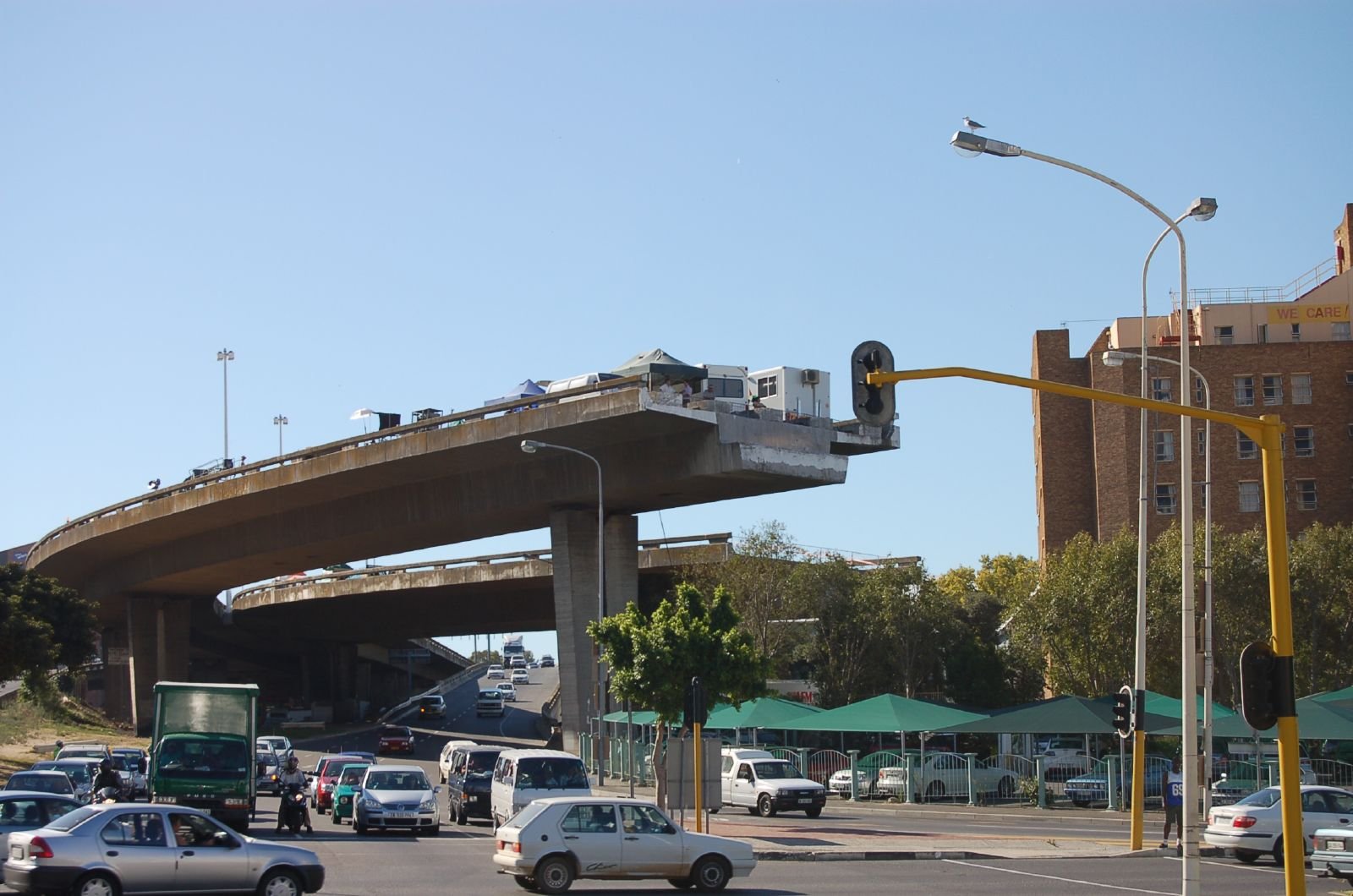
Photo: Joe Ross from Lansing, Michigan / Wikimedia Commons, CC BY-SA 2.0
During the 2010 World Cup, it carried a giant Visa card about 35 metres wide, according to the video.
In 2012, more than 600 University of Cape Town students were asked what to do with it. They pitched skate parks, roller coasters and waterways.
Then the city tried the grown-up way. In 2016 it asked developers to bid for a precinct of about six hectares, with affordable housing required. Six proposals came in. The process was scrapped in 2018 after appeals.
Why not just knock it all down? Because the N1 and the N2 both end right there. The freeways have to land somewhere.
A skytrain idea went viral online. It was never going to happen.
What is the new plan for the Foreshore Freeway?
It comes in two phases, and the existing roads stay open while the work goes on.
Phase one finishes the inbound side. Instead of a stump, it becomes an architect-designed bridge that lands on Helen Suzman Boulevard, with parks underneath near the Buitengracht area.
Phase two is the dramatic one. All traffic heading out of the city goes into a tunnel under the Foreshore. The old outbound bridge is then pulled down.
That frees land for a new neighbourhood and a tree-lined walk all the way from the Waterfront. The city says the project could open up about 15 hectares for homes, shops and parks.
Phase two could stretch to 2040, according to EWN. The mayor says the city will fund phase one, with national government and Transnet expected to help with the tunnel.
Cape Town's books are among the cleanest in the country, as our column on its clean audits shows. It will need that discipline now.
How much will it cost?
Nobody knows yet. The mayor has said he does not want to commit to a number.
The last official figure is R1.8 billion, from Mbalula's 2022 reply. The city later said that was a 2003 estimate in 2003 prices, so the real bill is sure to be higher.
Public consultation comes first. Detailed designs, tenders and building follow.
What are people saying about it?
Cape Town has plenty of opinions.
One viewer worries a sunken road will flood, since the city cannot drain the puddle at the end of the freeway today. Others doubt that the housing will really be affordable.
A former city planner has warned the project could stall after the first phase, which would leave a new bridge and an old problem.
Still, the mood is closer to disbelief than anger. A city that draws record crowds of visitors, as our piece on the Cape's tourism record explains, would love a landmark that finally goes somewhere.
The timeline
| Year | What happened |
|---|---|
| 1940s | Foreshore land is made from the sea |
| 1949 | Solly Morris becomes city engineer |
| 1950s | Engineers warn fast roads may just move the jams |
| Early to mid 1970s | Freeways go up, then work stops |
| 2010 | A giant Visa card hangs from the bridge at the World Cup |
| 2012 | Over 600 UCT students pitch ideas |
| 2016 to 2018 | Developer call, six proposals, process scrapped |
| April 2022 | Mbalula tells Parliament the cost is about R1.8 billion |
| 2 October 2026 | Mayor unveils the bridge and tunnel plan |
Did a man really fall off the bridge and land on his feet?
One viewer says so, and his story is the best one in the comments.
He says he worked on the first building contract in 1970. One day he fell off the bridge, onto the railway line below. He hit the overhead electric wires, somersaulted, and landed on his feet.
Another viewer says his father was a senior administrator under Solly Morris. At home, the family called the whole project "Solly's folly".
So half a century later, the road he fell off is getting a second chance. If he is still around, he probably wants the first ride across.
Sources6
- Asher Pardey, After 50 Years, Cape Town Is FINALLY Finishing This Freeway (YouTube, 4 Oct 2026)
- EWN, Hill-Lewis unveils plan to complete Cape Town's unfinished foreshore freeways (2 Oct 2026)
- EWN, Cost of completing the freeways still unknown (3 Oct 2026)
- Engineering News, Foreshore Precinct Project (5 Oct 2026)
- Parliamentary reply by Transport Minister Mbalula, Question NW736 (April 2022)
- BusinessTech, What it will cost to complete Cape Town's unfinished bridge
The week's biggest stories, every Monday
One email. The stories everyone will be talking about, before they do.
Free. One email a week. Unsubscribe anytime.Keep reading
 ViralNeanderthals worked wood like us, and a cave in Spain just proved it
 ViralThe 71 THz signal that only living cells give off
 ViralHow did Karl Bushby pay for a 28-year walk? The money story