Dancing beat every other exercise for depression in a review of 218 trials. Walking came second
Scientists ranked every exercise tested on depression against therapy and pills. The winner was the one most of us only do at weddings.
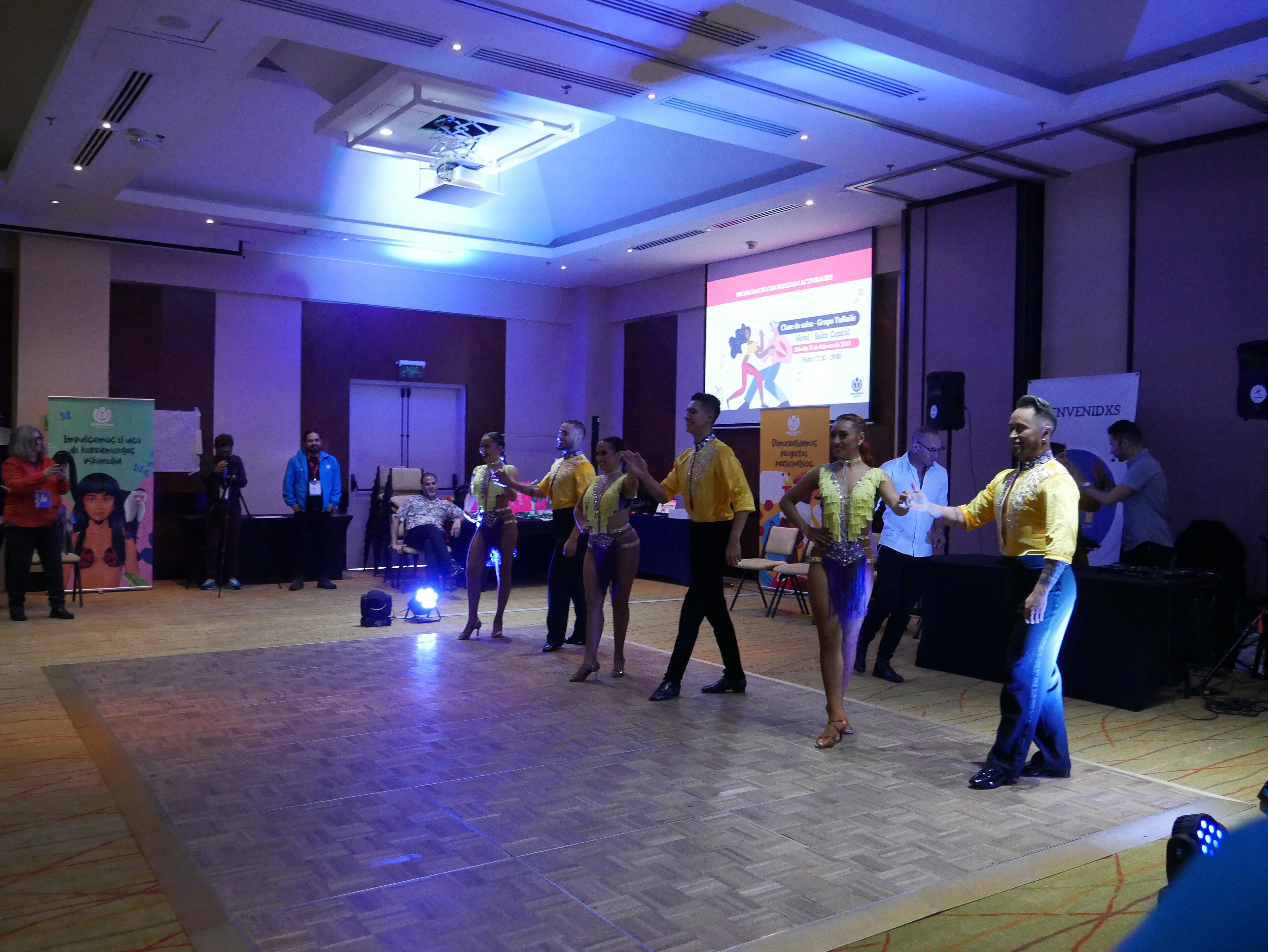
Photo: Luis Alvaz / Wikimedia Commons, CC BY-SA 4.0
- One activity had a bigger effect than therapy or pills
- Walking or jogging matched talk therapy
- Harder workouts brought bigger drops in depression
Put on a song and move.
It sounds like advice from a friend. It is also close to what one of the biggest studies ever done on exercise and depression found.
Researchers pooled 218 trials with 14,170 people who had depression. They compared walking, running, yoga, weights, tai chi, talk therapy and antidepressant pills. Of everything they tested, the activity with the biggest effect was dancing.
The study came out in 2024, but it is spreading again. A post this week put it simply. Walking or jogging works about as well as therapy, it beats common antidepressants, and dancing tops the whole list. It passed 451,000 views in two days.
What did the big exercise and depression study find?
The study appeared in the BMJ, one of the world's leading medical journals, on 14 February 2024. It was led by Michael Noetel, a researcher at the University of Queensland in Australia.
It is a network meta-analysis. That is a study of studies. The team did not run one new trial. They gathered every randomised trial they could find where people with major depression were given exercise. Then they compared all the treatments with each other at once, even ones never tested side by side.
In total the trials had 495 treatment groups. Some people walked, some lifted weights, some took pills, some sat in therapy and some just got usual care.
Each treatment got a score for how much it eased depression compared with "active controls". Those are things like usual care or a dummy pill.
A score of 0.2 is the smallest change a patient would notice, the researchers say. Around 0.5 is a moderate effect. Anything near 1 is large.
What is the best exercise for depression?
Dancing scored 0.96, the highest in the whole review. Walking or jogging came next at 0.62. Yoga followed at 0.55 and strength training at 0.49.
Mixed aerobic workouts and tai chi or qigong both landed just above 0.4. Qigong is a slow Chinese practice of breathing and gentle movement, a close cousin of tai chi.
Every one of these cleared the bar for a change patients can feel. The authors wrote that exercise could be considered a core treatment for depression, next to therapy and antidepressants.
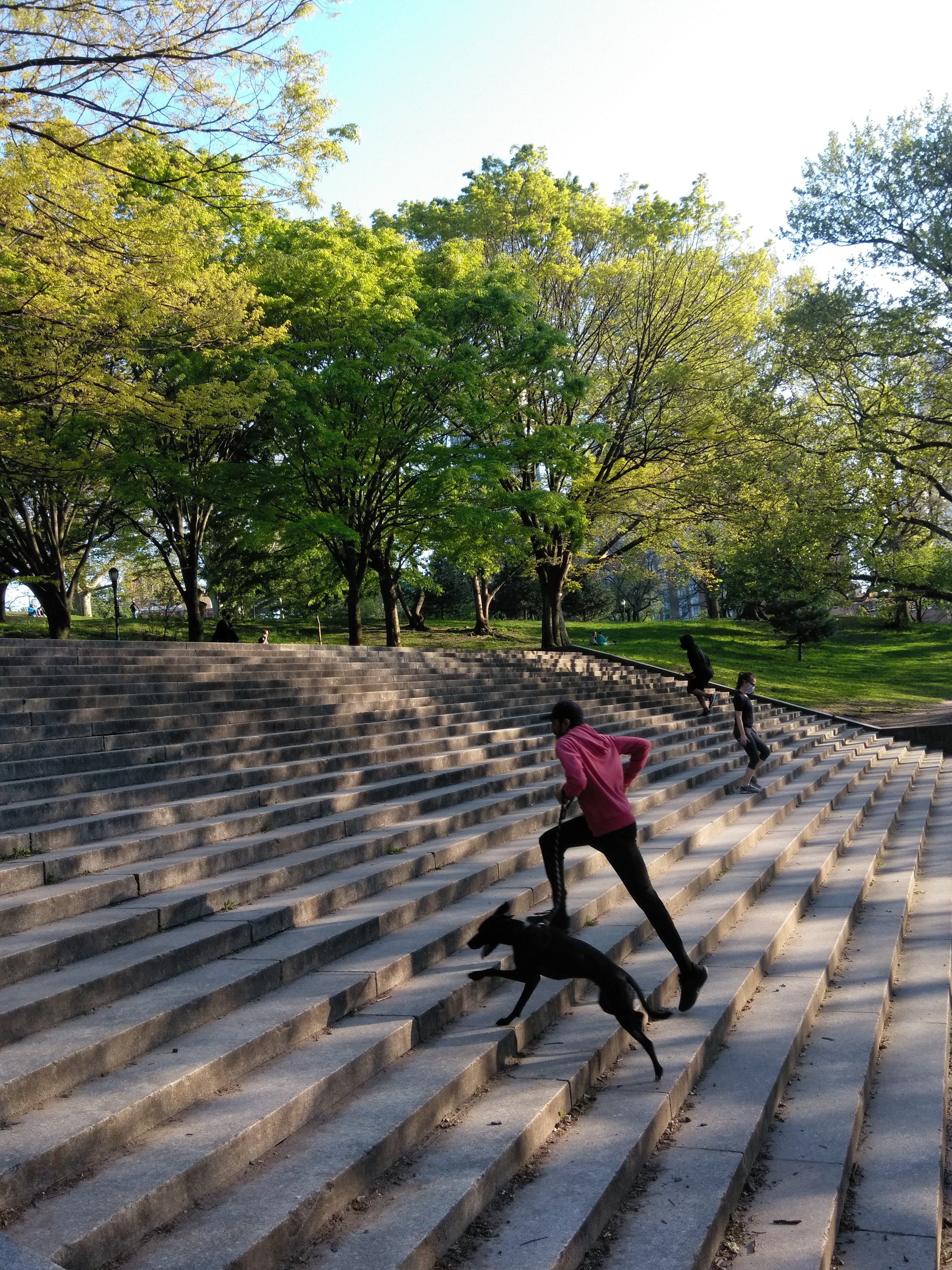
Photo: Adjoajo / Wikimedia Commons, CC BY-SA 4.0
Is walking as good as therapy for depression?
In this review, yes.
Cognitive behavioural therapy, or CBT, is the most common talk therapy. It teaches people to spot and change unhelpful thoughts. It scored 0.55. Walking or jogging scored 0.62.
The authors say the two effects "seem comparable". They suggest exercise may be an option for people who would rather not do therapy.
Walking or jogging also had the most research behind it, with 51 trials. That gave the team more confidence in it than in any other exercise.
Is exercise better than antidepressants?
SSRIs are the most common type of antidepressant. Fluoxetine, sold as Prozac, is one of them. In this review, SSRIs scored 0.26, a small effect next to most kinds of exercise.
That is where the "much larger effect than SSRIs" line comes from. The pill score is in line with big reviews of drug trials, which put it at about 0.30.
The best news may be for people already on medication. Adding exercise to an SSRI lifted the score to 0.55, more than double the pills alone. If you take an antidepressant, keep taking it and talk to your doctor before changing anything.
Why did dancing work so well for depression?
The study does not test why. But dance ticks several boxes the review linked to bigger effects.
The researchers found effects were stronger with group exercise and with clear plans for what to do. Dance classes are often both. They also found harder exercise worked better, and a good dance session gets your heart rate up.
Then there is the music, and the fun. Most people do not need to be talked into dancing at a wedding.
The dance result comes from five trials with 107 people, mostly women with an average age of 31. The researchers call dance a promising treatment for depression. They want larger trials to see how far the effect reaches.
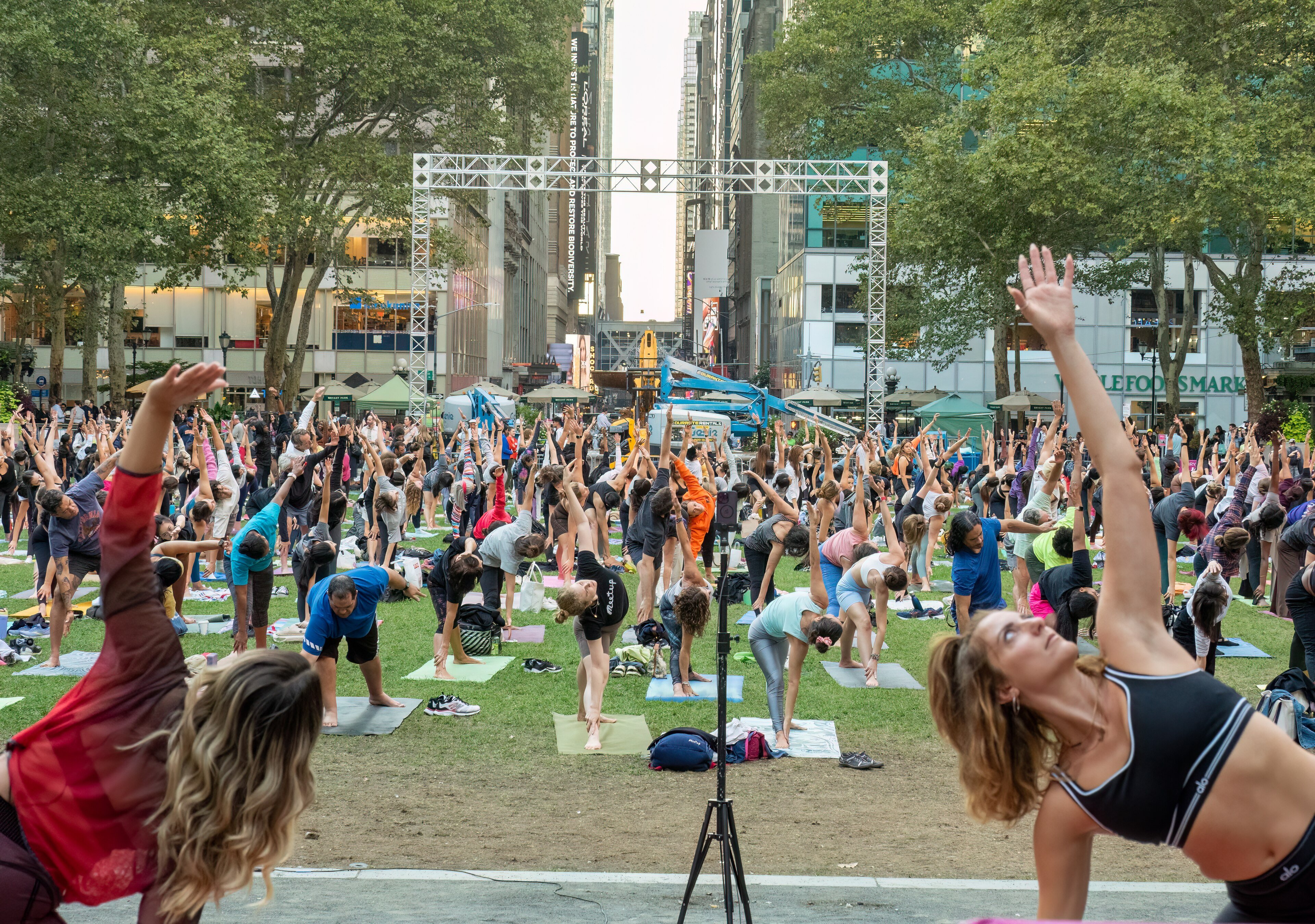
Photo: Rhododendrites / Wikimedia Commons, CC BY-SA 4.0
Does it matter how hard you exercise?
It does. The team found what scientists call a dose-response. The harder the exercise people were given, the bigger the drop in depression.
Light activity, like walking or gentle yoga, scored 0.58. That still counts as a real, noticeable effect. Vigorous exercise, like running or interval training, scored 0.74.
It was not just about burning more energy each week, the authors say. The intensity itself seemed to matter.
So a brisk walk that leaves you a little out of breath may do more than a slow stroll. Both are better than sitting still.
Which exercise should you choose?
The one you will keep doing. Exercise seemed to work just as well for people with other health problems as for those without. It also helped whether their depression was milder or more severe at the start.
The review found a few clues about who gains most from what.
- Walking or jogging worked for both men and women.
- Strength training worked better for women and for younger people.
- Yoga and qigong worked better for men, and yoga did well with older adults.
Yoga and strength training were also the easiest to stick with. Fewer people dropped out of those programmes.
Some activities worked best in a group, like yoga. Others did better alone, like weights and mixed aerobic workouts.
Walking is free, and you can start at your front door. One man turned it into a way of life, and his 28-year walk home is nearly done.
Movement is one piece of a wider puzzle. Our look at whether you really need eight hours of sleep covers another, and so do the habits a Harvard ageing scientist swears by.
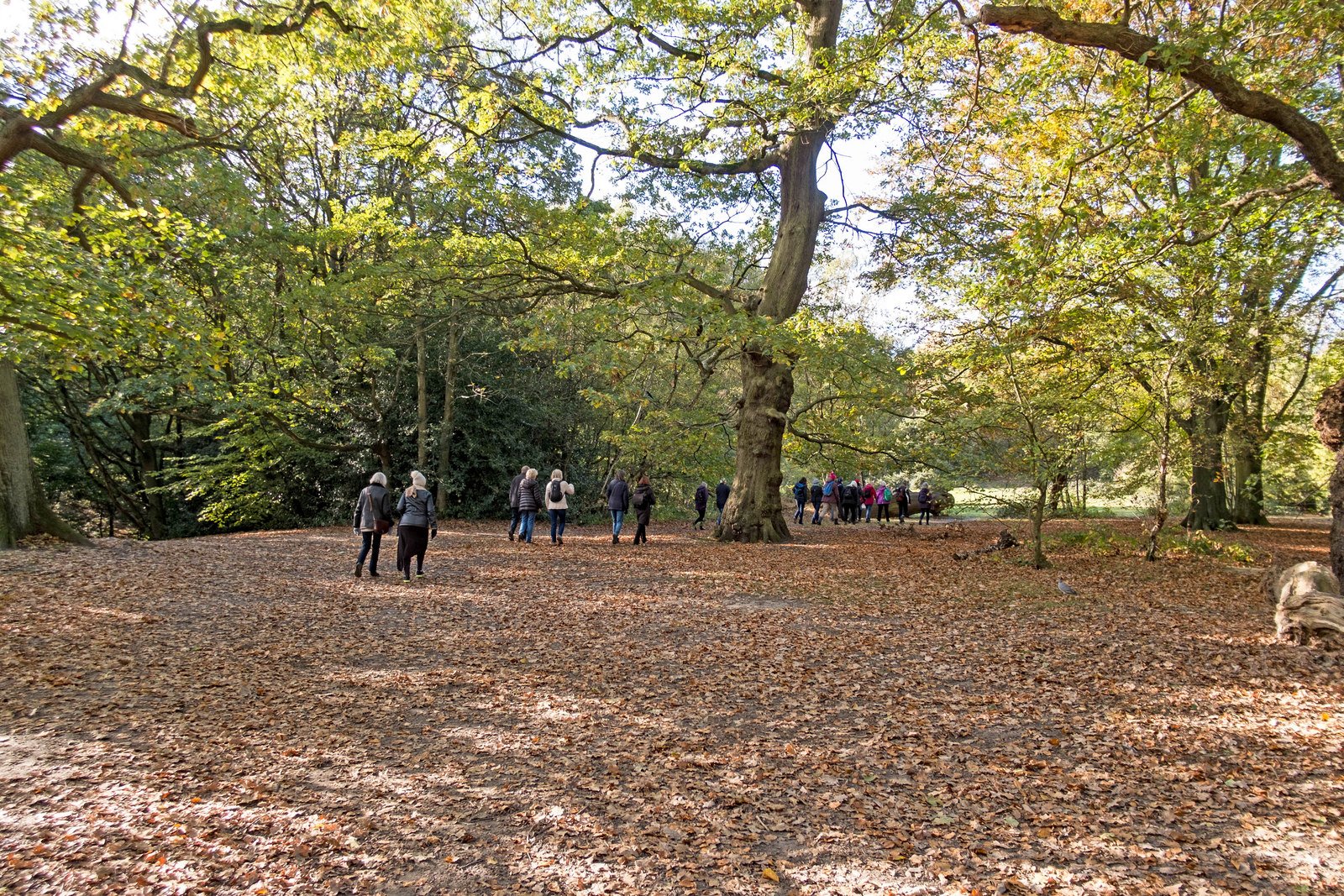
Photo: Jim Osley / Wikimedia Commons, CC BY-SA 2.0
So should you dance tonight?
Across 218 trials and more than 14,000 people, walking eased depression about as much as therapy. Yoga and weights did well too. Going a bit harder helped more.
And the biggest lift of anything the scientists measured came from people moving to music.
You do not need a class or a partner to start. Pick a song you love, push the coffee table aside, turn it up and dance until it ends.
Then do it again tomorrow.
Sources4
- The original post on X (7 Oct 2026)
- Noetel et al., Effect of exercise for depression: Systematic review and network meta-analysis of randomised controlled trials, BMJ (14 Feb 2024)
- Full paper DOI, effect sizes for dance, CBT, SSRIs, intensity and group exercise
- Europe PMC record and abstract of the BMJ review
The week's biggest stories, every Monday
One email. The stories everyone will be talking about, before they do.
Free. One email a week. Unsubscribe anytime.Keep reading
 ExplainedIs 8 hours of sleep a myth? What 3.5 million sleepers show
 ExplainedWhy Shoprite wins while Woolies and TFG bleed
 ExplainedDoes the BBC pay white staff less? Its own numbers, band by band