Pope Leo XIV says the age of tech is starving us of beauty. Science agrees more than you think
The pope who chose his name because of artificial intelligence has a simple plan for the tech age. Stop, look at something beautiful, and give it time.
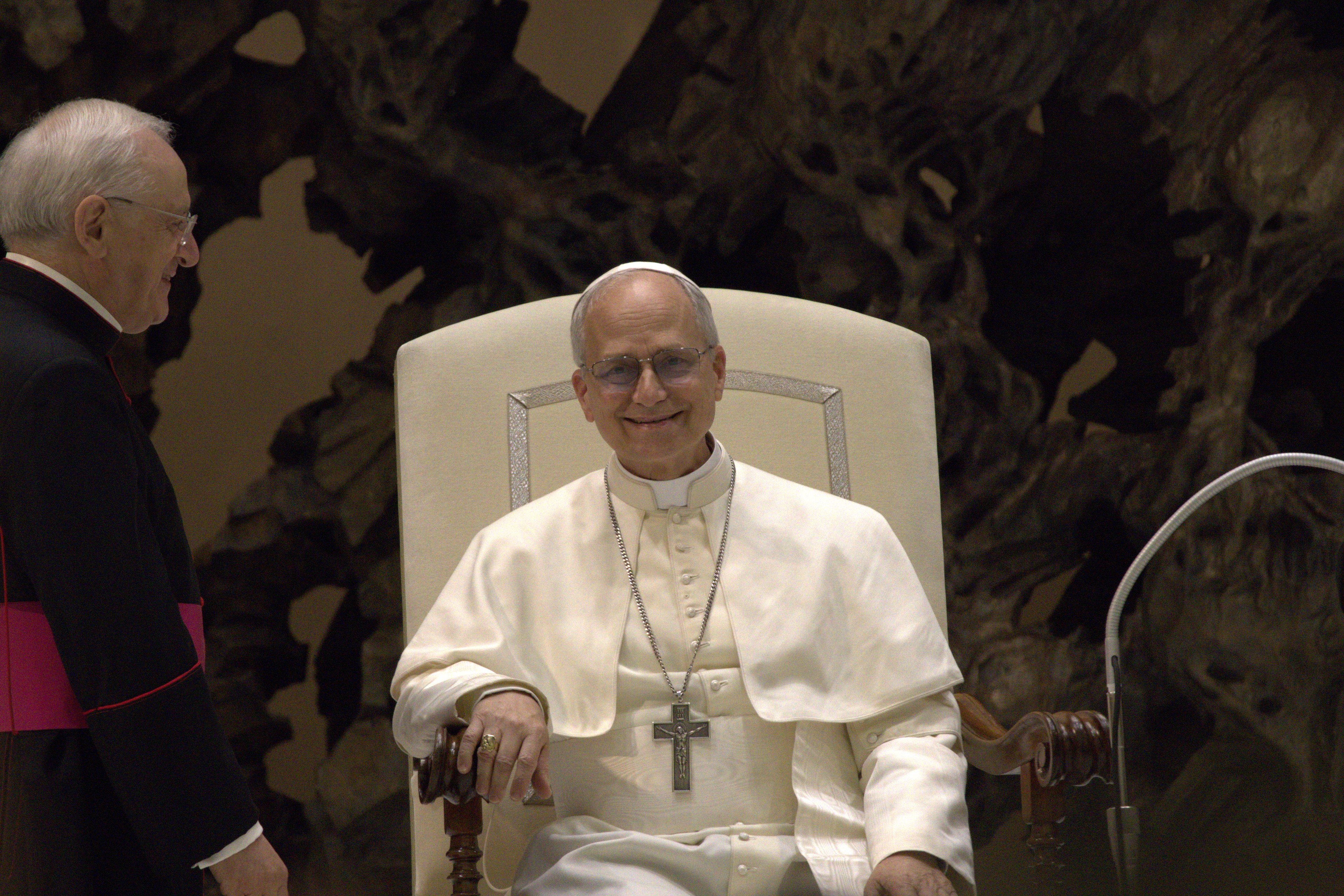
Photo: Edgar Beltrán, The Pillar / Wikimedia Commons, CC BY-SA 4.0
- Pope Leo XIV quoted a 1965 warning that still lands today
- He picked his papal name because of AI
- A study found museum trips went with a 31% lower risk of dying
The group stood among some of the most famous paintings on Earth.
They were the Louisiana Patrons of the Arts in the Vatican Museums, donors who help pay to restore the Vatican's art. On 7 October 2026, Pope Leo XIV came to greet them. He did not talk about money. He talked about beauty, and about what happens to people who stop making time for it.
That same day, his account shared the heart of the message. In an age run by technology, he wrote, "efficiency and profit often take precedence". People need to keep a spirit of contemplation and leave room for beauty, he said, especially the young. More than 1 million people saw it within two days.
What did Pope Leo XIV say about beauty and technology?
His point was simple. Tech pushes us to be fast and useful. Beauty asks us to slow down and look.
The pope said art can "uplift and reveal the depths of the human spirit". He said it also opens people to God. He called contemplation a chance to meet "the God who is Beauty".
He was speaking to people who love art, so the setting made sense. But the line about efficiency and profit hit a nerve far outside the Vatican. Most of us know the feeling of a day spent on screens, chasing tasks, with no moment that was simply beautiful.
Who said the world needs beauty so it does not sink into despair?
That line is older than Pope Leo. He borrowed it from Pope Paul VI, who led the Catholic Church in the 1960s and 1970s.
In 1965, at the close of the Second Vatican Council, Paul VI sent a message to the world's artists. He told them the world "needs beauty in order not to sink into despair". He said beauty, like truth, brings joy to the human heart.
Pope Leo quoted those words to the patrons. He also noted that Paul VI played a part in the events that later gave rise to their group. He thanked them for decades of help in caring for the museum's treasures.
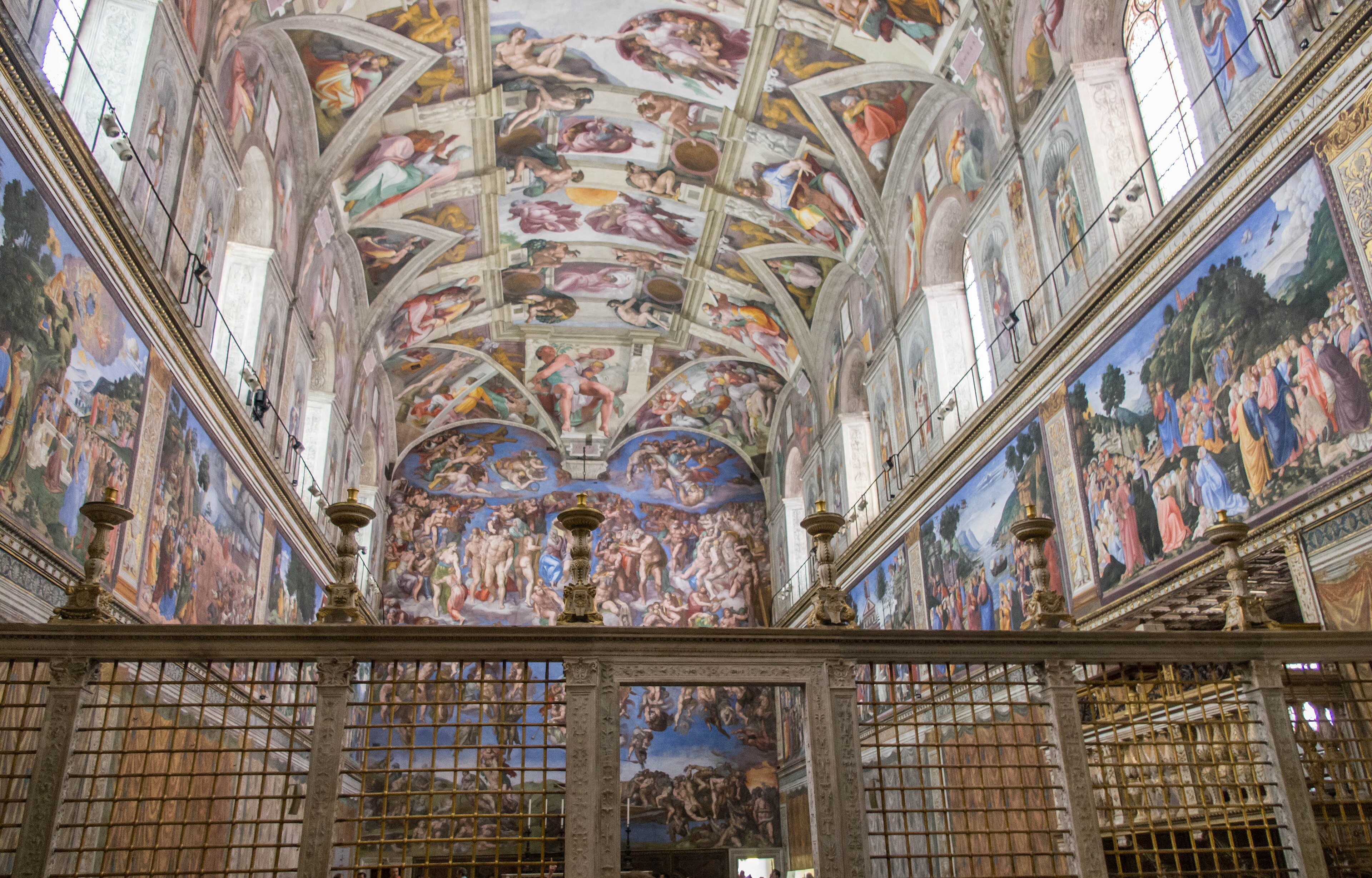
Photo: Michelangelo / Wikimedia Commons, CC BY-SA 3.0
Why is Pope Leo XIV so focused on technology?
Because it is the reason he picked his name.
Pope Leo XIV was born Robert Prevost in Chicago. He became the first American pope in May 2025. Two days after his election, on 10 May 2025, he explained his choice to the cardinals.
He said he chose "Leo" after Pope Leo XIII. That pope wrote a famous letter in 1891 called Rerum Novarum, about workers' rights in the first industrial revolution. Pope Leo XIV said the Church now faces "another industrial revolution" and the rise of artificial intelligence. He said AI brings new challenges for human dignity, justice and work.
So his talk about beauty comes from the same worry as his talk about AI. If machines do more of our work, what is left that makes us human?
People online have been asking a similar thing for months, from which coastlines could be worth the most once AI takes off to how much the apps we use already know about us.
What is Magnifica Humanitas about?
It is Pope Leo XIV's first encyclical, a formal teaching letter to the whole Church. Its full name translates as "On the Protection of Human Dignity in the Age of Artificial Intelligence".
He signed it on 15 May 2026, exactly 135 years after Rerum Novarum. The Vatican published it on 25 May, and the pope presented it himself. Most popes leave that job to cardinals.
The letter warns about tech power that is held by a few and hard to control. It also warns about new ways people can be treated as less than human. The Patrons speech fits next to it. One document names the danger, and the other offers part of the answer: Make room for the things a machine cannot feel for you.
What does contemplation actually mean?
It sounds like a word for monks. It is simpler than that.
To contemplate is to look at something slowly, with full attention, and without trying to get anything out of it. You are not scrolling, rating or saving it. You are just taking it in.
That could be a painting, a sunset, a song or a tree outside your window. For a Catholic, it can also be a kind of prayer. The pope's message covers both. He wants people to give beauty time, and he believes that time can lead them to God.
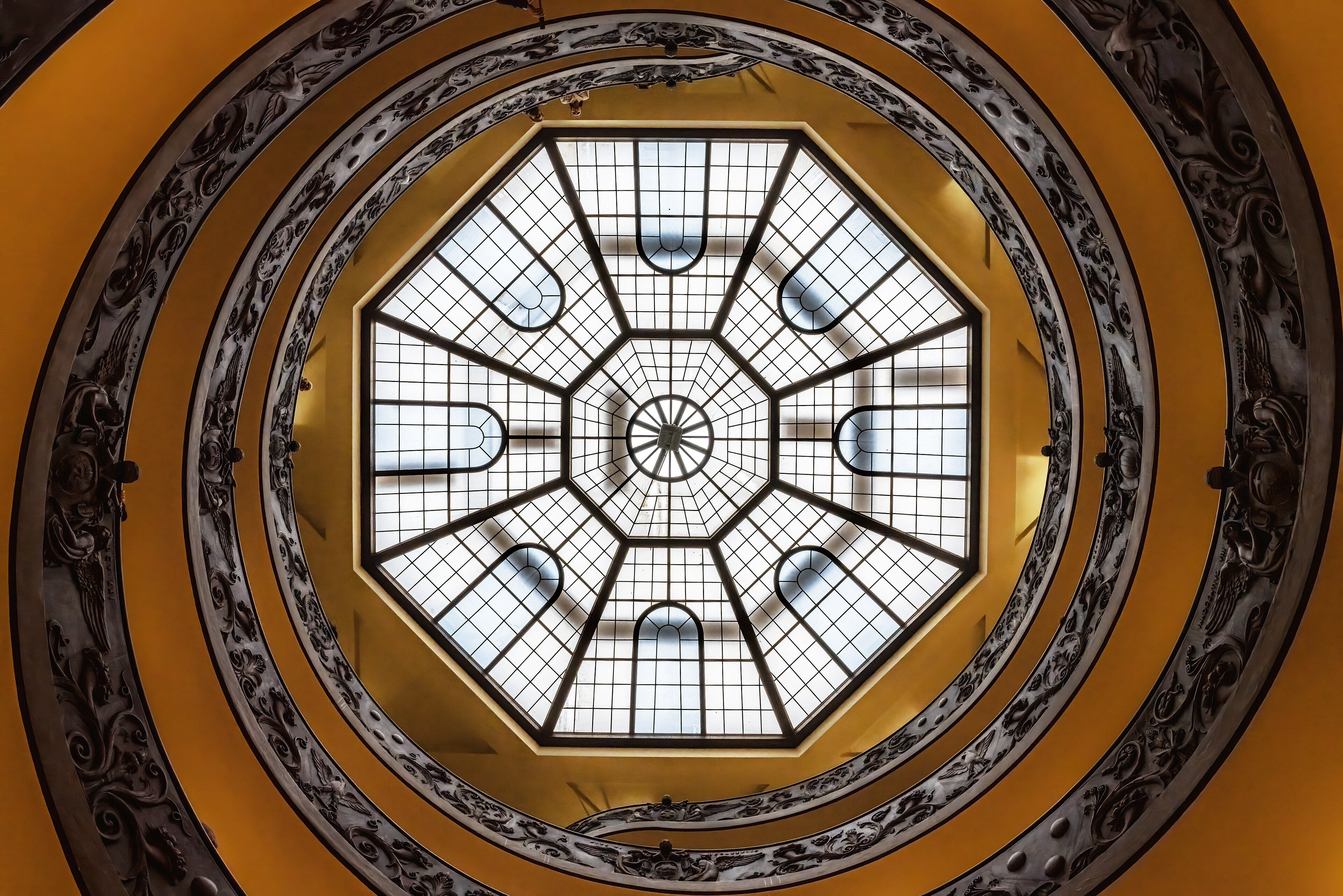
Photo: Wilfredor / Wikimedia Commons, CC0
Is it actually good for you to look at beautiful things?
Science has started to back him up.
In a study published in the journal Emotion in 2020, researchers at the University of California, San Francisco asked 52 older adults to take a 15-minute walk once a week for eight weeks. One group was asked to look for awe along the way, the feeling you get from something vast or beautiful. Those awe walkers reported more positive emotions and less daily distress over time.
A much bigger study looked at art and long life. Researchers at University College London followed 6,710 adults aged 50 and over in England for about 14 years. They tracked how often people went to museums, galleries, theatre or concerts.
People who went once or twice a year had a 14% lower risk of dying during the study than people who never went. Those who went every few months or more had a 31% lower risk. The study shows a link rather than proof of cause, but the gap held even after the researchers allowed for wealth, health and many other factors.
Why does he keep mentioning young people?
Because they are the ones growing up inside the screen.
The pope said a habit of contemplation would help "especially young people" find out what art can do. Many teenagers now spend most of their free time online, where everything is built to be quick. A painting in a quiet room asks for the opposite.
Big religious art still pulls people in, wherever it stands. Look at the crowds around the giant Jesus statue rising in Armenia. People travel far just to stand in front of something larger than themselves.
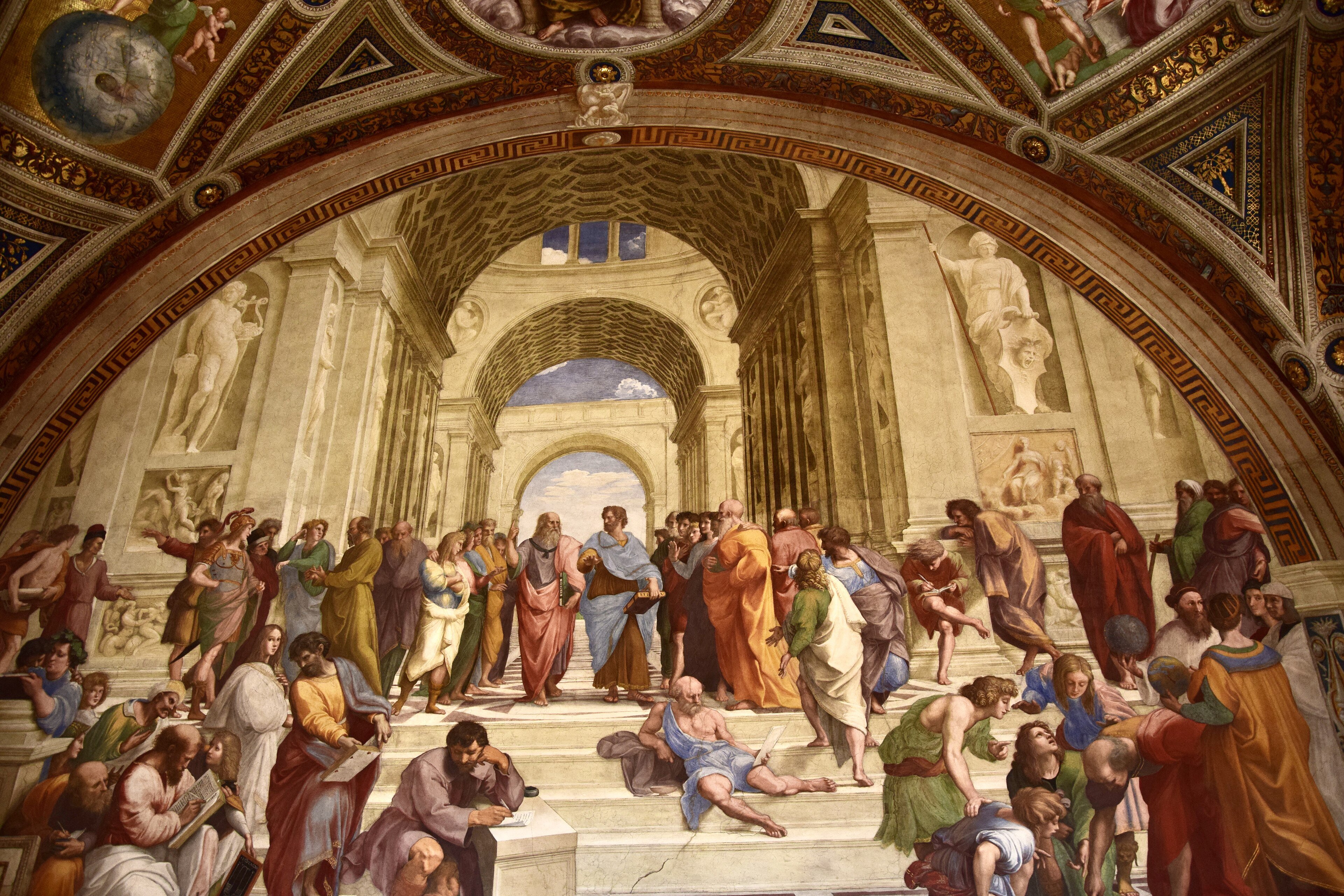
Photo: Ank Kumar / Wikimedia Commons, CC BY-SA 4.0
How can you make time for beauty?
You do not need a ticket to Rome. The awe walk study used 15 minutes, once a week, on an ordinary street.
Put the phone in your pocket. Look up at the sky, a building or a tree. Go to a free gallery, a local concert or a church you have never stepped inside. Stay a little longer than feels normal.
Pope Leo XIV wrote a whole encyclical to warn the world about AI. His advice to everyone else is a small one: Find something beautiful this week and give it a few quiet minutes. Paul VI said in 1965 that this is how people keep despair at bay, and 60 years later a new pope says the world needs it more than ever.
Sources7
- Pope Leo XIV (@Pontifex), the original post (7 Oct 2026)
- Vatican, Address of Pope Leo XIV to the Louisiana Patrons of the Arts in the Vatican Museums (7 Oct 2026)
- Vatican News, Pope Leo XIV addresses the College of Cardinals (10 May 2025)
- National Catholic Register (CNA), Vatican to publish Pope Leo XIV's first encyclical on 25 May
- Catholic Church in Estonia, Pope Leo XIV publishes Magnifica Humanitas
- Sturm and others, Big smile, small self: Awe walks promote prosocial positive emotions in older adults (Emotion, 2020)
- Fancourt and Steptoe, The art of life and death: 14 year follow-up of the English Longitudinal Study of Ageing (BMJ, 2019)
The week's biggest stories, every Monday
One email. The stories everyone will be talking about, before they do.
Free. One email a week. Unsubscribe anytime.Keep reading
 WorldMargaret Hamilton, whose code landed Apollo 11, dies at 90
 WorldWho is Susan Dell, and what is the $6.25 billion she gave for kids?
 WorldChina has bought gold for 23 months straight, and it is speeding up