When do the clocks go back in 2026? The UK and US dates, and how to sleep through it
Two dates, one extra hour and a week of strange mornings. Everything you need to know before you fall back.
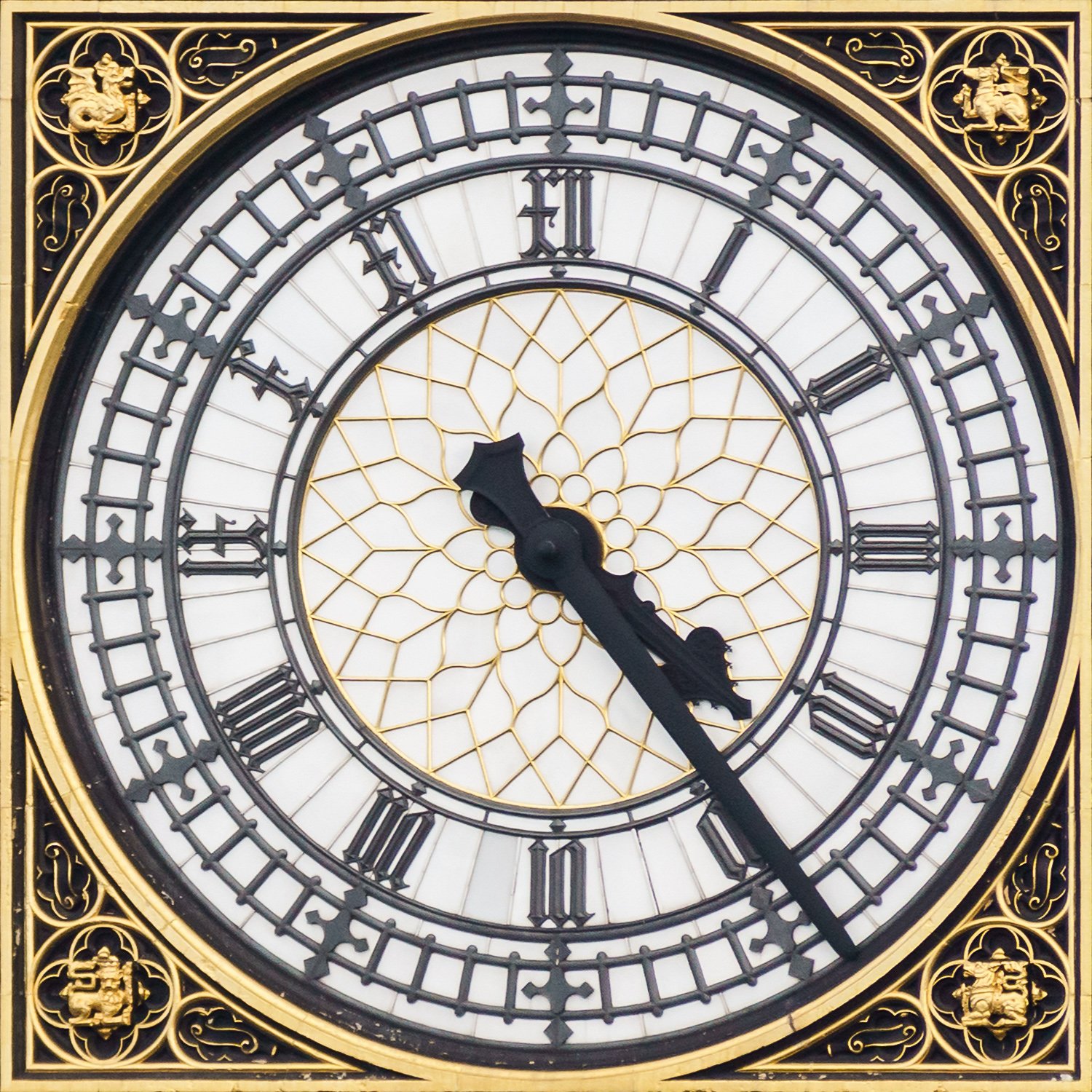
Photo: Colin / Wikimedia Commons, CC BY-SA 4.0
- The UK and the US change on different Sundays this year
- America falls back on the earliest date its rules allow
- The US House voted to stop changing clocks, but it is not law
UK clocks go back one hour at 2am on Sunday 25 October 2026. In the US, daylight saving time ends a week later, at 2am on Sunday 1 November.
Searches for "when do the clocks go back" jumped across Britain in the week of 5 October. The US date has a twist of its own, because this year America falls back as early as the rules allow.
Key facts
- UK and Ireland: Clocks go back at 2am on Sunday 25 October 2026. British Summer Time (BST) ends and the UK returns to Greenwich Mean Time (GMT).
- Most of Europe: The same Sunday, 25 October.
- US and most of Canada: Clocks fall back at 2am local time on Sunday 1 November 2026.
- Next change in the UK: Clocks go forward on Sunday 28 March 2027.
- South Africa: No change. The country does not use daylight saving time.
Do I get an extra hour in bed?
Yes. When the clock hits 2am, it jumps back to 1am. Saturday night lasts 25 hours instead of 24.
So if you sleep at your normal time and wake at your normal time on Sunday, you get one extra hour. Many people use it for a lie-in. Others find they wake up early anyway, because their body still runs on summer time.
The flip side is darkness. Evenings get dark an hour earlier from Sunday. Mornings get lighter for a while.
In the US, it is the same. The hour from 1am to 2am happens twice on 1 November.
Do phones change automatically when the clocks go back?
Most do. Smartphones, laptops, tablets and smartwatches change by themselves if "set time automatically" is switched on. That is the default on almost every phone. Check it in your date and time settings if you are not sure.
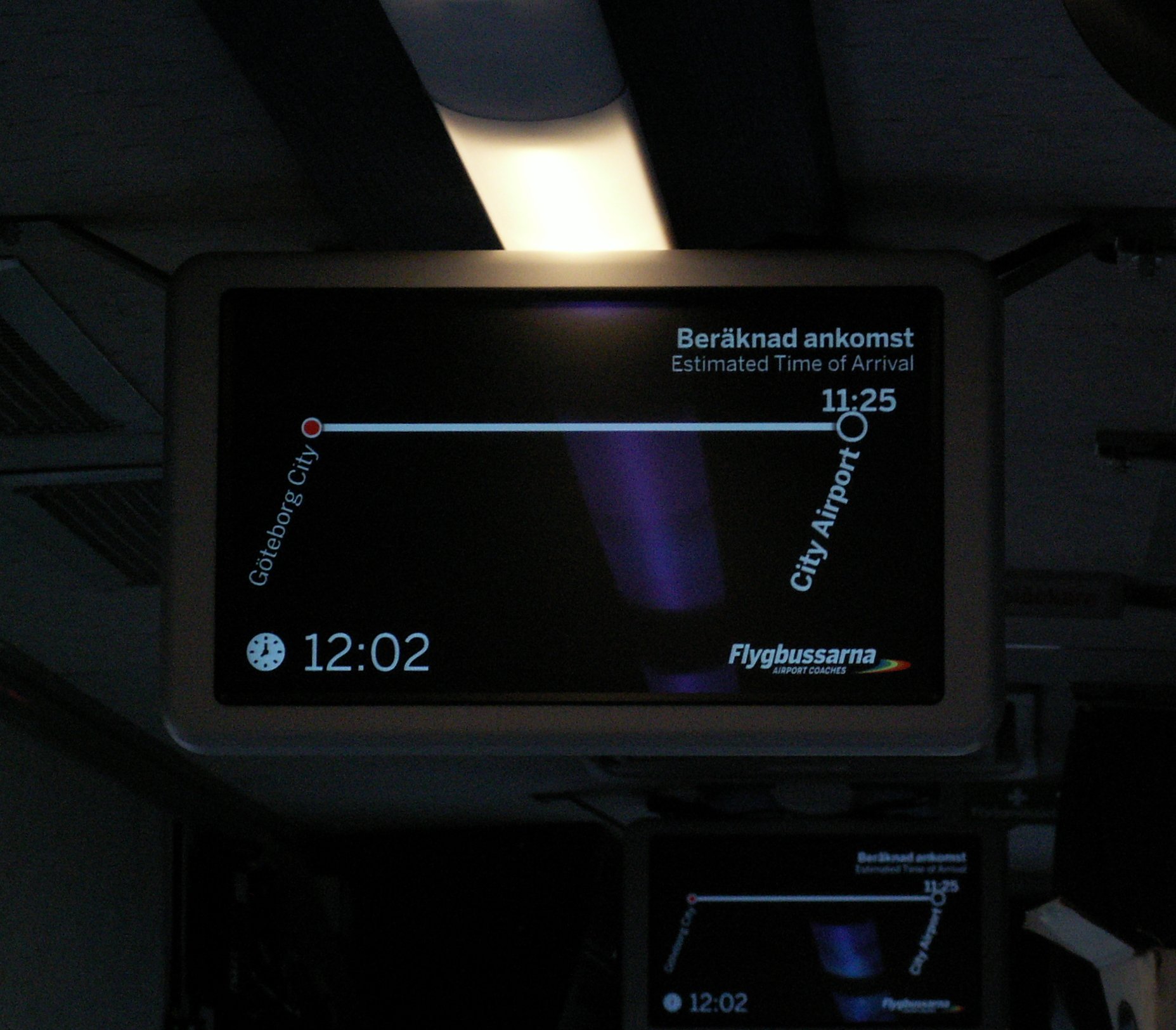
Photo: Per A.J. Andersson / Wikimedia Commons, CC BY-SA 3.0
The clocks you have to change yourself are the usual suspects. Think of the oven, the microwave, the car dashboard, wall clocks and older alarm clocks.
There is one trap for US readers. The US moved its dates in 2007, and NIST, the US time standards lab, warns that some older clocks still use the old rule. Those can switch on the wrong Sunday. If a clock jumps on its own on 25 October, that is why.
When do the clocks go back in the US in 2026?
At 2am local time on Sunday 1 November. Clocks go back to 1am.
US law says daylight saving time ends on the first Sunday in November. That Sunday can fall anywhere from 1 to 7 November. This year it lands on the 1st, so America falls back on the earliest date its rules allow.
Daylight saving time started on 8 March this year. NIST says it lasts 238 days, about 65% of the year.
 Read nextApple's 13 October launch: Time, products and prices
Not everyone changes. Hawaii and most of Arizona stay on standard time all year, and so do Puerto Rico, Guam and the US Virgin Islands. The Navajo Nation in Arizona does change its clocks.
Which countries change their clocks, and when?
The UK and Europe change one week before the US. South of the equator, clocks have already gone forward for spring.
| Country or region | When clocks change in 2026 | Which way |
|---|---|---|
| UK and Ireland | Sunday 25 October, 2am | Back one hour |
| Most of Europe (EU) | Sunday 25 October | Back one hour |
| US (most states) | Sunday 1 November, 2am | Back one hour |
| Canada (most provinces) | Sunday 1 November, 2am | Back one hour |
| New Zealand | Sunday 27 September (done) | Forward one hour |
| Australia (NSW, Vic, SA, Tas, ACT) | Sunday 4 October (done) | Forward one hour |
| Hawaii, most of Arizona | No change | None |
| Queensland, WA and the NT | No change | None |
| South Africa | No change | None |
That gap matters if you call family or work across the Atlantic. For the week from 25 October to 1 November, London is only four hours ahead of New York, not the usual five.
Why do the clocks go back?
To give people more light in the morning during winter.
British Summer Time began in 1916, during the First World War. The idea was to move daylight into the evening in summer, when people are awake to use it. It was pushed for years by a builder named William Willett, who thought bright summer mornings were wasted while people slept.
In winter, the sun rises late. If the UK kept summer time all year, winter mornings would stay dark for an extra hour. In the north of England and in Scotland, that means a lot of children walking to school in the dark. So in autumn, the clocks go back.
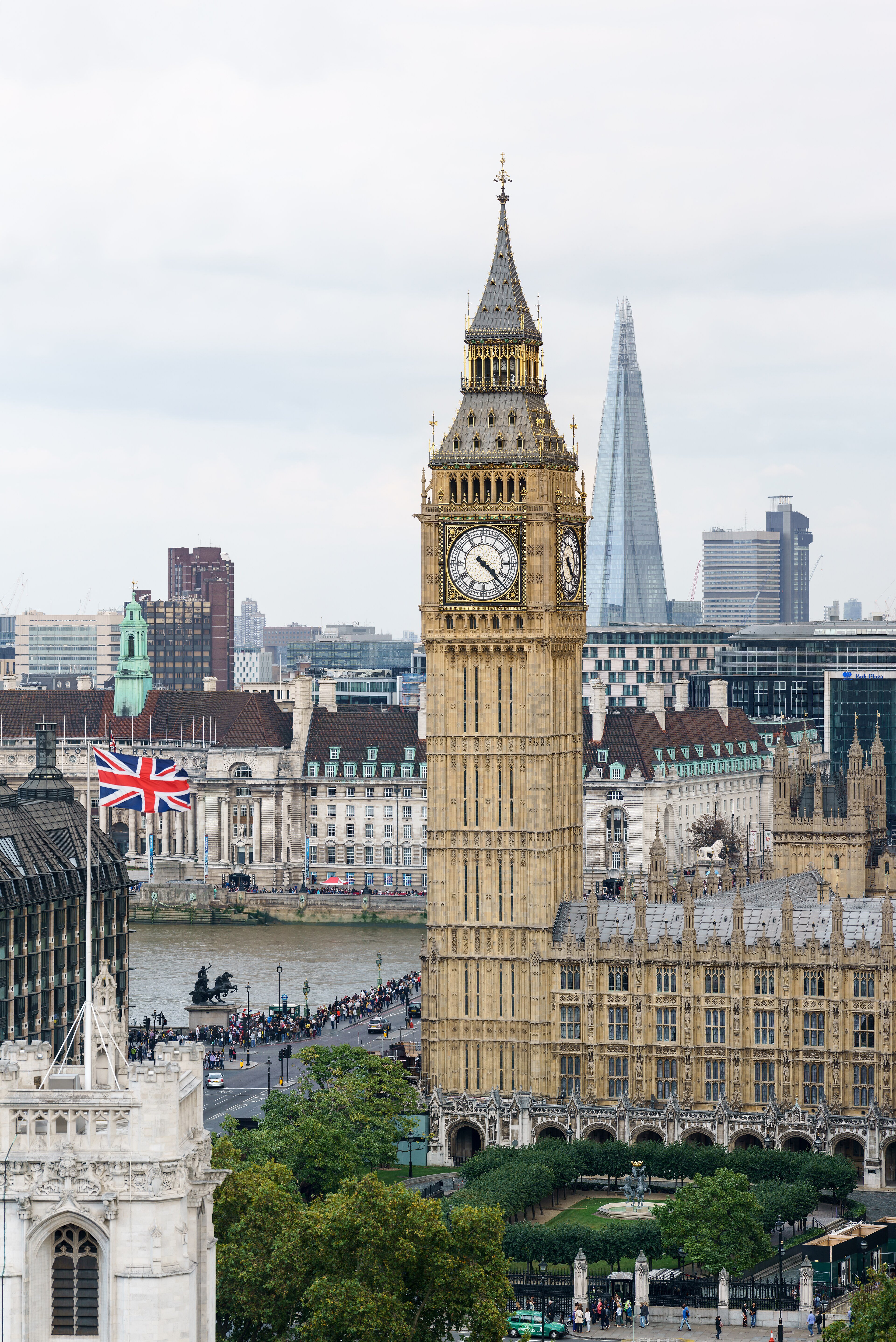
Photo: Colin / Wikimedia Commons, CC BY-SA 4.0
The US first used daylight saving time in 1918. Its current dates came in 2007, when a 2005 energy law added about a month to it.
When do the clocks go forward in 2027?
In the UK, on Sunday 28 March 2027 at 1am. You lose an hour of sleep that night.
The UK then goes back again on Sunday 31 October 2027. Both dates come from GOV.UK.
In the US, clocks spring forward on Sunday 14 March 2027, the second Sunday in March.
Is the US getting rid of daylight saving time?
Not yet, but it got closer this year.
 Trending nowPetrol broke R30 a litre. We followed the money
On 14 July 2026, the US House of Representatives passed the Sunshine Protection Act, known as H.R. 139. The vote was 308 to 117. The bill would stop the autumn change in states that use daylight saving time, so clocks would stay on "summer time" all year. States could choose permanent standard time instead.
The bill now sits with the Senate. It is not law. To become law, it needs a Senate vote and the president's signature. The Senate passed an earlier version in 2022, but that one died in the House.
So the 1 November change goes ahead. Supporters of "lock the clock" are still pushing for the Senate to act.
Which countries don't change their clocks?
Most countries do not. Daylight saving time is mainly used in Europe, North America and parts of Australia, New Zealand and South America.
South Africa has no clock changes. It stays on South African Standard Time all year. Mexico stopped changing its clocks in 2022, apart from some areas near the US border. Saskatchewan in Canada does not change either.
Europe tried to stop. In 2019, the European Parliament voted 410 to 192 to end the twice-yearly switch. EU countries never agreed on whether to keep summer or winter time. The plan has been stuck ever since, so Europe still changes on 25 October.
How do I adjust my sleep, and my kids' sleep, when the clocks go back?
Your body clock does not read the news. On Sunday morning it will think it is an hour later than it is. That is why so many parents get a 5am wake-up instead of a lie-in.

Photo: Brad Coy / Wikimedia Commons, CC BY 2.0
The fix is to shift slowly in the days before. The Sleep Charity says to move children's bedtime 10 to 15 minutes later every few nights. By Sunday, they are close to the new time.
An NHS sleep expert in Norfolk and Suffolk gives a simple plan for adults too. If you normally sleep at 10pm, go to bed at 10.15pm on Thursday, 10.30pm on Friday and 10.45pm on Saturday. Move your wake-up time by the same amount, so you still get your full night. If you want to know how much sleep that should be, we looked at why eight hours may not be the magic number.
A few more tips help everyone.
- Get outside in daylight on Sunday morning. Light is the strongest signal your body clock gets.
- Keep meals at the new clock time from Sunday.
- Use blackout blinds if the lighter mornings wake little ones early.
- Expect a few odd days. Children usually settle within about a week.
And if you are tempted to just skip sleep and power through, the story of the man who says he sleeps 30 minutes a night is a good reason not to.
So start on Thursday night, fifteen minutes at a time. By Sunday morning your body is already on the new clock, and that extra hour is yours to spend in bed.
Get the stories that hit your pocket
Petrol, SARS, Eskom, grants and the news everyone is talking about. One short email every weekday at 6am.
Free. One email each weekday. Unsubscribe anytime.Sources11
- GOV.UK, When do the clocks change? (2026 and 2027 dates)
- NIST, Daylight saving time rules and 2026 US dates
- US House Clerk, Roll Call 238, Sunshine Protection Act H.R. 139 (14 Jul 2026)
- Farmers' Almanac, Daylight saving time 2026 and the Senate
- US Senate, the 2022 Senate vote on the Sunshine Protection Act
- European Commission, Summertime arrangements in the EU
- The Local, What happened to the EU plan to stop changing the clocks
- timeanddate.com, New Zealand clock changes 2026
- Time Out Australia, When daylight saving starts in 2026
- The Sleep Charity, Getting ready for the clocks going back
- Norfolk and Suffolk NHS Foundation Trust, Sleep tips for the clock change
Keep reading
 ExplainedSASSA gold card blocked? Your money is safe. Here is how to get it
 ExplainedSASSA November 2026 dates, grant amounts and what changed
 ExplainedWhy your bank account can go negative without an overdraft