Oil just jumped $6 overnight. Your November fuel relief just got smaller
Treasury built its fuel levy cut on an oil price that no longer exists. The new one just erased most of it.
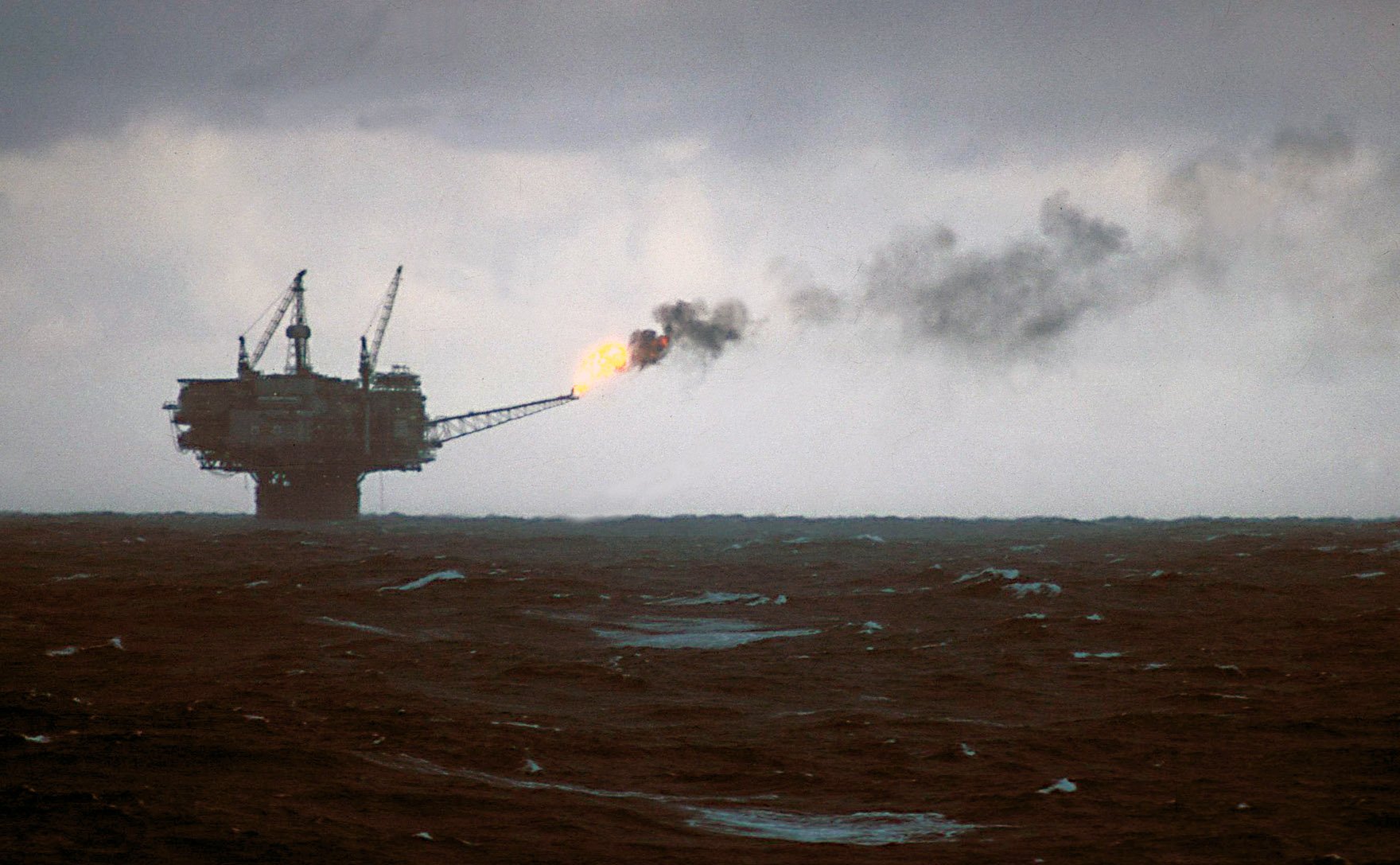
Photo: Hannes Grobe (talk) / Wikimedia Commons, CC BY 3.0
- Brent crude hit $116.72 a barrel on 23 October, the highest since 29 April
- Treasury costed the levy cut on an oil price from before this jump
- Petrol's relief could flip from a small saving into a bigger rise
New to this? November petrol forecast: Now about R3.01 more a litre
$116.72. That is what a barrel of Brent crude cost at Friday's close, the highest settlement for the world's main oil benchmark since 29 April.
The jump happened in one trading session. Brent rose 3.1% on 23 October, its third straight weekly gain, after Reuters and the New York Times reported that the US and Israel are weighing fresh strikes on Iran once the American midterm elections are over. Houthi fighters in Yemen have also hit Saudi targets most days this week, and by Saturday the price had pushed past $117 after Houthi attacks reportedly reached Saudi Arabia's defence ministry headquarters, two airports and an oil refinery, plus a tanker spill off the UAE coast.
We covered the first leg of this spike three days ago, when a Houthi drone attack near Saudi Arabia's Shaybah oilfield pushed Brent to $110 and the US pulled some diplomats out of the kingdom. Read that Shaybah drone strike story for the full background. Since then the price has not stopped climbing.

Photo: Unknown authorUnknown author / Wikimedia Commons, CC BY-SA 4.0
Why does a barrel of oil in Saudi Arabia change your petrol price in South Africa?
South Africa imports almost all its fuel and prices it off international benchmarks, Brent crude chief among them. When Brent rises, the rand cost of a litre of imported petrol or diesel rises with it within days, long before any local tax changes catch up. South African fuel analysts use a simple rule for this. Every $1 move in Brent shifts the price by about 10 cents a litre, and every 10 cents the rand weakens against the dollar adds another 14 cents a litre.
 Read nextBotswana petrol is about R8 a litre cheaper than South Africa's. Here is why
That rule is exactly why the timing here matters. Finance Minister Enoch Godongwana's fuel levy cut, due from 4 November, was costed against an oil price forecast from mid-October, when Brent was sitting closer to $110. Oil has since added more than $6 to that number, and the rand has slipped too.
How has Brent moved this month, and what pushed it each time?
| Date | Brent price | What moved it |
|---|---|---|
| 1 Oct | ~$100 | US sends a third aircraft carrier to the Middle East |
| 10 Oct | ~$104 | Houthi strikes on Riyadh airport and a tanker hit off Oman |
| 16 Oct | ~$110 | More Houthi strikes, plus Russia-Ukraine supply fears |
| 20 Oct | $111.05 | Five-month high, the forecast behind Treasury's fuel levy cut |
| 22 Oct | ~$110 | Houthi drone strike near Saudi Arabia's Shaybah oilfield |
| 23 Oct | $116.72 | Reports of planned US-Israel strikes on Iran, third weekly gain in a row |
Source: CNBC, Reuters wire reports, The National, World Oil, FinanceFeeds and CNN. Each price is the figure reported by that outlet on the day, so times of day differ slightly. This is the first table tracking Brent against South Africa's specific 4 November pump forecast.
How much of South Africa's fuel relief could this eat up?
Treasury's own forecast, built on 16 and 17 October data, said 95 petrol was heading for a R1.67 a litre rise before any levy cut, and diesel for a R1.23 rise. Against those numbers, the R1.50 petrol levy cut and R3.00 diesel levy cut looked like they would leave petrol almost flat and hand diesel drivers a real saving.
Oil and the rand have since moved against that forecast. Brent rose by about $5.67 a barrel between 20 and 23 October, worth roughly 57 cents a litre on the rule of thumb above. The rand also weakened, from about R16.39 to R16.60 against the dollar in the same three days, adding another 29 cents a litre. Put together, that is roughly 86 cents a litre of fresh pressure the original forecast did not carry.
 Trending nowBootlegger data leak: The locked dashboard that was never locked
Run that through the numbers Treasury used, and the petrol relief that was expected to leave drivers about 17 cents a litre worse off now points closer to a R1 a litre rise, even after the levy cut. Diesel's expected R1.77 a litre saving shrinks to somewhere nearer 90 cents. Both figures are estimates built on a public rule of thumb, not an official number. The Central Energy Fund publishes its own updated snapshot before the real announcement, due between 30 October and 2 November.
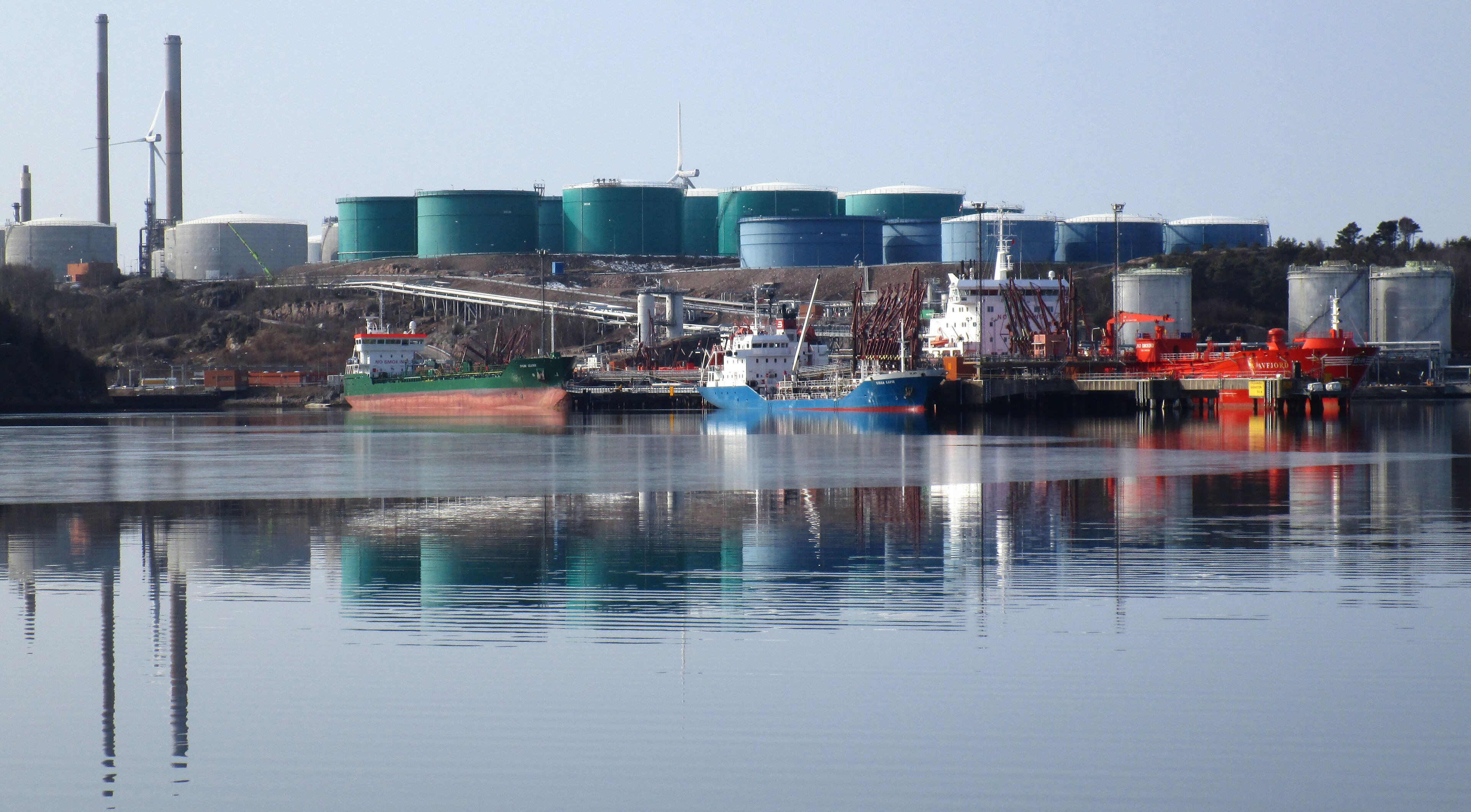
Photo: W.carter / Wikimedia Commons, CC BY-SA 4.0
Is the 4 November discount still happening at all?
Yes, on paper. Godongwana's levy cut is written into law for 4 November regardless of where oil sits that week. What changes is how much of it a driver actually feels. IOL reported on 24 October that economists are already warning that higher oil prices, inflation and borrowing costs could cancel out much of the relief before it reaches anyone's pocket. The lower the oil price falls back before the announcement, the more of the original saving survives. The higher it climbs, the more it gets swallowed.
Diesel still has the bigger cushion, since its levy cut is twice the size of petrol's. That is why diesel drivers are more likely to end up paying less even after this week's jump, while petrol drivers are the ones whose expected relief is closest to disappearing entirely. For how the SA price compares with what drivers pay elsewhere, see our litre by litre price comparison across countries.
Photo: Islahaddow / Wikimedia Commons, CC BY-SA 4.0
What happens on 1 December, when the relief shrinks again?
The levy cut itself is temporary. From 1 December it drops from R1.50 to R1.00 a litre on petrol, and from R3.00 to R1.50 on diesel, lasting until 5 January 2027. If Brent is still trading near $116 by then, rather than back near the $110 Treasury planned around, that smaller December cut will be measured against an even bigger gap. Government has repeatedly resisted bigger, permanent levy cuts on the grounds that the fuel levy funds roads and the Road Accident Fund. Our explainer on why the levy keeps surviving covers that fight in full.
For now, every new Houthi strike, every report of a tanker hit, every headline out of Riyadh carries a second story behind it, one written in cents per litre on a South African forecourt. Brent was already above $117 by Saturday. Whatever number the Central Energy Fund publishes in the coming days will be built on a price higher than the $116.72 this story opened with.
Know the new petrol price before you fill up
We email you the new price the day it is announced, with what a full tank will cost. You also get the news that hits your pocket, every weekday at 6am.
Free. Next price change is Wednesday 4 November. Unsubscribe anytime.Sources8
- The New York Times, Global Oil Price Hits $116 a Barrel, Highest Since April (23 Oct 2026, 20:03 GMT)
- Reuters, Wall Street closes lower to end rocky week (23 Oct 2026)
- Al Jazeera, massive oil slick seen weeks after tanker struck off UAE's coast (24 Oct 2026)
- Al Jazeera live blog, Saudi Arabia downs Houthi ballistic missile targeting Riyadh (24 Oct 2026)
- CNBC, Brent crude oil tops $116, a six-month high (23 Oct 2026)
- CNN, oil briefly touches $126, its highest price in four years (30 Apr 2026)
- CNBC, Brent crude holds near five-month high on Middle East tension (20 Oct 2026)
- IOL, fuel relief is coming, but will South Africans feel better off? (24 Oct 2026)
Keep reading
 MoneyDiesel should fall on 4 November. Petrol barely moves
 MoneyWhat a litre of petrol really costs in five countries, side by side
 MoneyWhat Wednesday's mini budget means for your fuel, grants and taxes