Diesel's price is about to drop, not rise, on 4 November
For the first time all year, the pump might not punish you on 4 November, if you drive diesel. Petrol drivers get a lot less, and paraffin gets nothing.
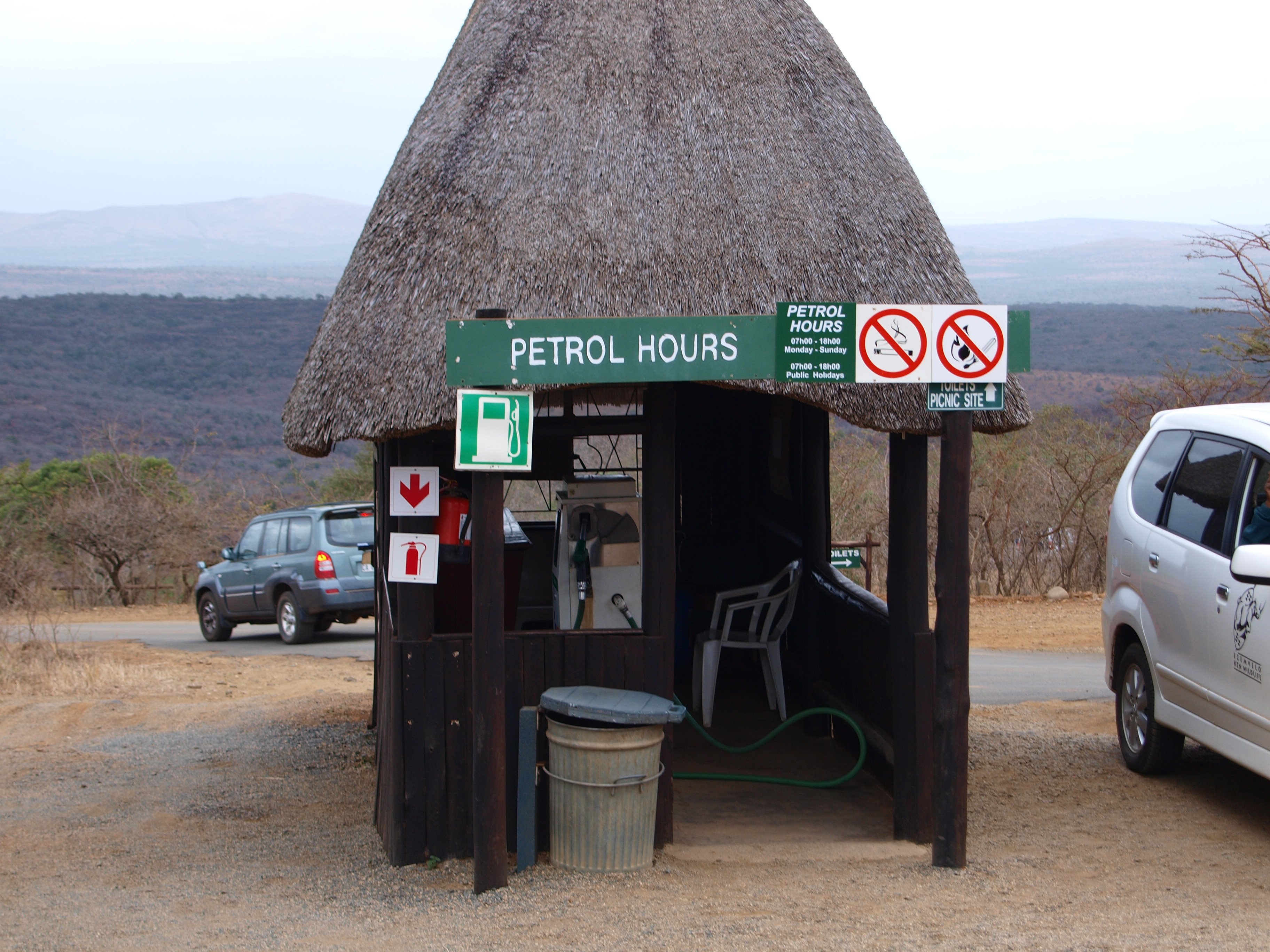
Photo: Dellex / Wikimedia Commons, CC BY-SA 4.0
- Diesel's levy cut is twice the size of petrol's
- Paraffin carries no fuel levy, so it gets no relief at all
- The cut shrinks again from 1 December
New to this? November petrol forecast: Now about R3.01 more a litre
R1.77. That is roughly how much cheaper a litre of diesel should get on 4 November, once a new government levy cut is weighed against the price rise everyone was bracing for.
Finance Minister Enoch Godongwana used Wednesday's mid-term budget to cut the general fuel levy by R3.00 a litre on diesel and R1.50 a litre on petrol, from 4 November to 1 December. The relief then drops to R1.50 on diesel and R1.00 on petrol until 5 January 2027. It is a R10 billion package, and Treasury says it will not add to the deficit.
Set that cut against the latest price forecast, and diesel comes out ahead. Petrol barely moves. Paraffin, the fuel millions of poorer households cook and heat with, moves the most of all, and gets no help whatsoever.
We first covered what was on the table for the mid-term budget in our preview of Wednesday's announcements. Godongwana also used the speech to fund new spending on gender violence and drought readiness, and to trim South Africa's growth forecast. The fuel levy cut was the one number that actually puts money back in a driver's pocket.
How much cheaper could diesel get on 4 November?
The Central Energy Fund publishes daily data showing whether the pump price is keeping up with the real cost of fuel. On the most recent figures, from 20 October, 95 petrol was running about R1.67 a litre short of covering its true cost, 93 petrol about R1.72 short, and diesel about R1.23 short. Those numbers are a forecast, not the final price, and they can still shift before the official announcement, expected between 30 October and 2 November.
Weigh each forecast against the new levy cut, and the picture flips for diesel.
| Fuel | Forecast rise (forecast) | Levy cut, 4 Nov to 1 Dec | Net change per litre | Net change, 50-litre tank |
|---|---|---|---|---|
| 93 petrol | +R1.72 | -R1.50 | +R0.22 | +R11.00 |
| 95 petrol | +R1.67 | -R1.50 | +R0.17 | +R8.50 |
| Diesel | +R1.23 | -R3.00 | -R1.77 | -R88.50 |
| Illuminating paraffin | +R3.12 | R0 | +R3.12 | +R156.00 |
Forecast figures are Central Energy Fund data to 16 and 17 October 2026 (BusinessTech, 20 Oct, and Stuff, 19 Oct), and can still move before the official November price. Tank figures use a standard 50-litre tank for comparison across fuels. Paraffin carries no general fuel levy or RAF levy, so the cut does not apply to it.
 Read nextCreecy rejects the RAF's R3 a litre fuel levy request
Put plainly, a 50-litre tank of diesel should cost about R88.50 less on 4 November than it would have without the cut. A bigger 60-litre bakkie tank saves even more, about R106. That is the first time this year the pump has looked like it is on a diesel driver's side.
Why does petrol only get 17 to 22 cents of help?
Because the levy cut on petrol is half the size of diesel's. Petrol's general fuel levy drops by R1.50 a litre. Diesel's drops by R3.00. Against a smaller forecast rise, that still leaves petrol drivers a little better off than they feared, just not by much.
On a 50-litre tank, 95 petrol works out about R8.50 cheaper than it would have been without the cut, and 93 about R11 cheaper. Both numbers assume the forecast holds. If the global oil price or the rand moves again before the official price lands, these figures shift with it.
Why does paraffin, the fuel the poorest households use, get zero relief?
Illuminating paraffin carries no general fuel levy and no Road Accident Fund levy. SARS exempts it to keep it affordable for households that cook and light their homes with it, and it is also VAT free. That is normally good news for the lowest-income households.
This time it works against them. Paraffin's own cost is forecast to rise by about R3.12 a litre on the latest data, the steepest of any fuel in the table, and because there is no levy on it to begin with, Godongwana's cut cannot touch it. On a 50-litre comparison, that is a R156 increase with no cushion at all, while diesel drivers see a saving.
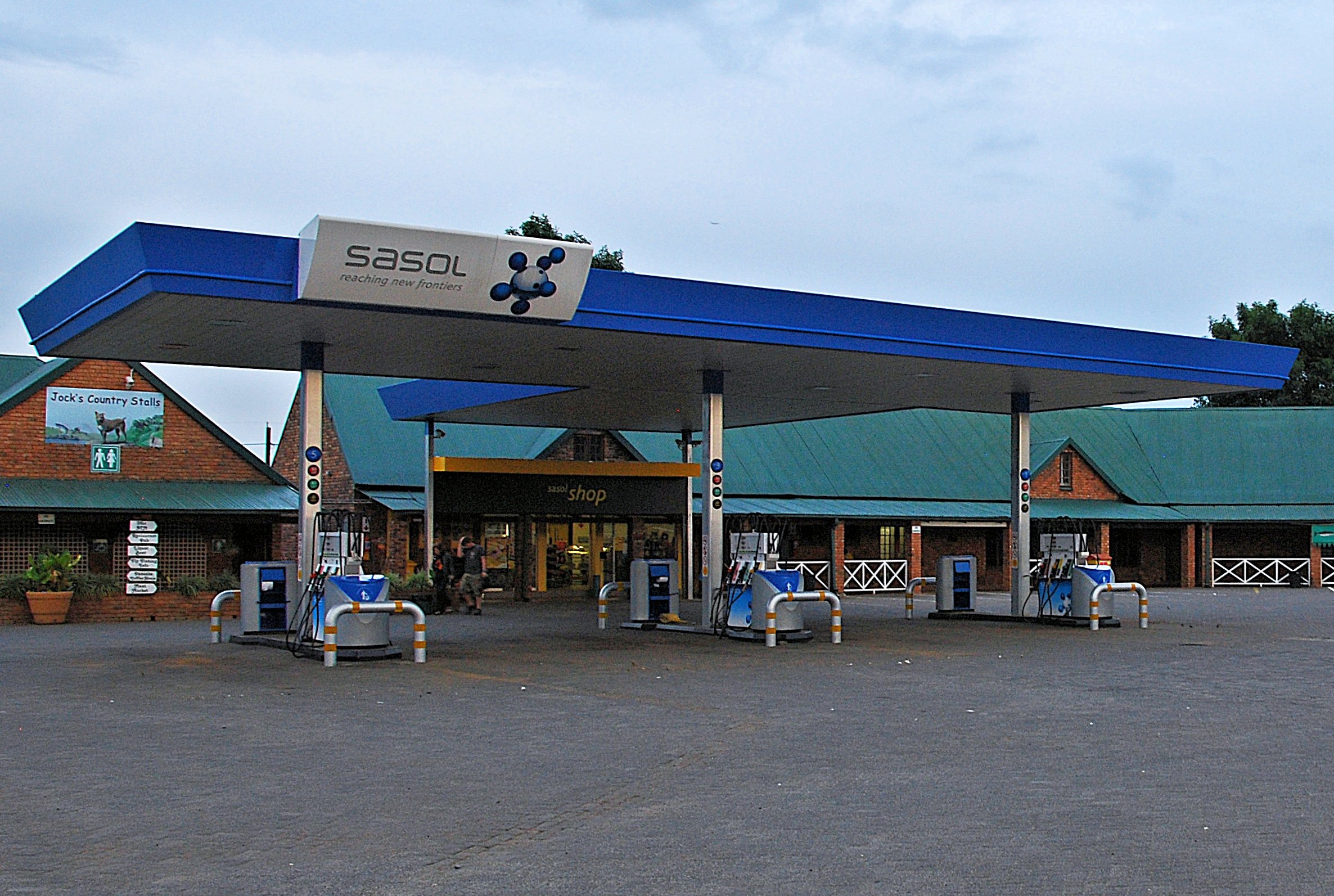
Photo: Ossewa / Wikimedia Commons, CC BY 4.0
What happens to the cut from 1 December?
It shrinks. From 1 December 2026 to 5 January 2027, diesel's levy cut drops from R3.00 to R1.50 a litre. Petrol's drops from R1.50 to R1.00. Treasury has not published a new price forecast for that second period, so the net effect for December depends entirely on where oil and the rand sit by then.
 Trending nowScammers already know your account details before they call, and that is what makes them so convincing
Godongwana told Parliament the relief answers a year in which geopolitical conflict pushed up global oil prices and sharply raised the cost of living for households and businesses. This is the second time in 2026 Treasury has used this exact tool. An earlier cut ran from April to June and cost R17.5 billion.
Why does a cheaper diesel price matter more than a cheaper petrol price?
Diesel runs the trucks that move food, fuel and goods around the country. When diesel gets more expensive, a delivery from Johannesburg to Cape Town costs more, and that cost eventually lands in the price of bread, milk and vegetables. When diesel gets cheaper, that chain can work in reverse, though it usually takes weeks to show up on a supermarket shelf.
Petrol mostly affects what a driver pays to get to work. It matters to a household budget, but it does not move the price of groceries the way diesel does. That is the real reason Treasury's bigger cut went to diesel rather than petrol.
Where does Treasury's R10 billion come from?
Treasury says the relief is fiscally neutral. The R10 billion was earlier moved into the Central Energy Fund's Equalisation Fund from a 2025/26 revenue overrun, and this move sends that same amount back out as the levy cut, so it does not need new borrowing or new tax. Economists have previously questioned how well this kind of across-the-board cut reaches the poorest households, since everyone who buys fuel gets the same cut whether they drive a luxury SUV or a single taxi.
For the fight over the other big levy on fuel, the Road Accident Fund's own request for 75 cents more a litre, see why Transport Minister Barbara Creecy rejected the RAF's levy demand.
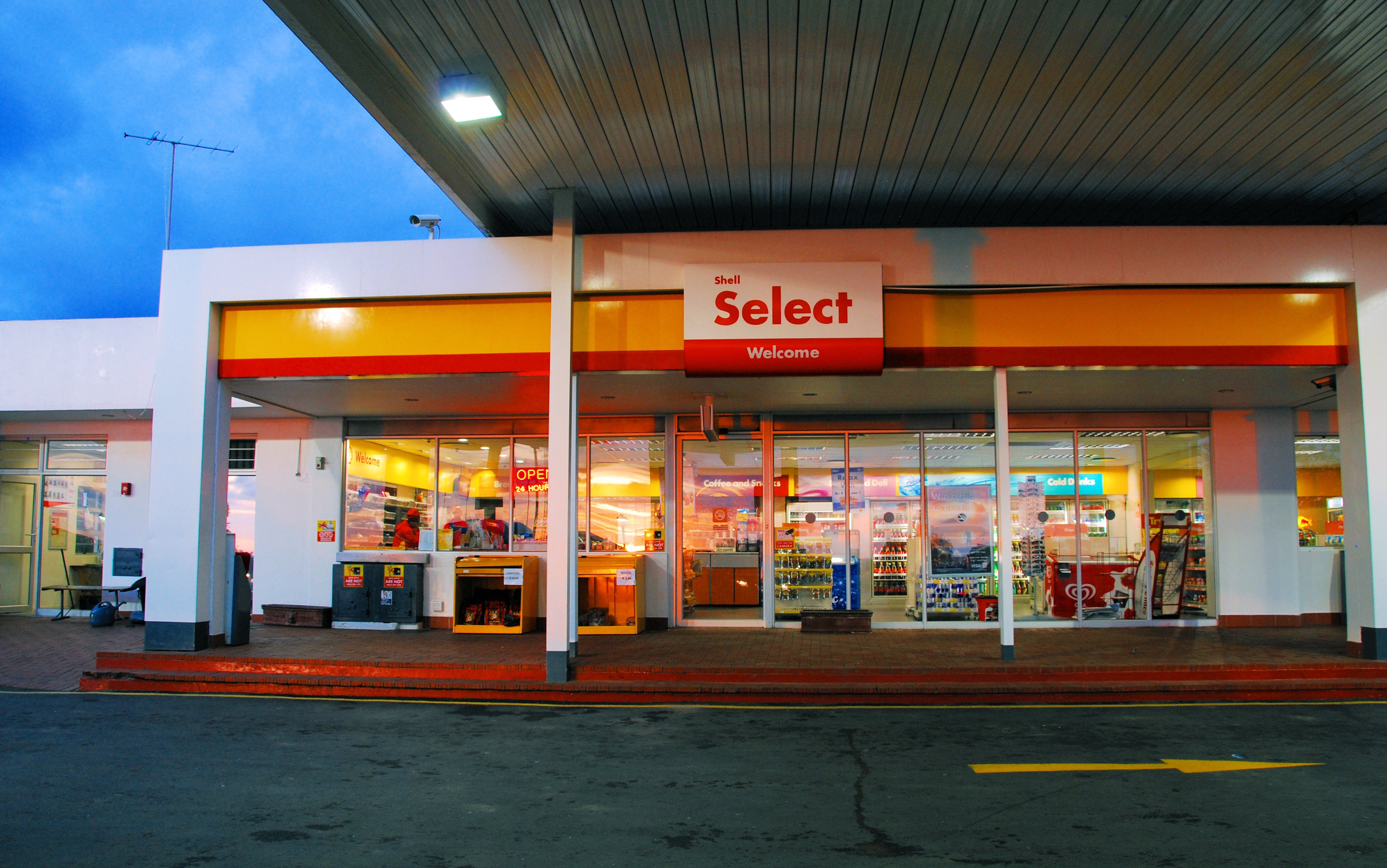
Photo: Ossewa / Wikimedia Commons, CC BY-SA 4.0
Could this relief disappear again after 5 January?
Nobody has said yet. The cut runs out on 5 January 2027, seven weeks before the next full Budget in February, and Treasury gave no hint on Wednesday about what happens after that date. Our tracker of next month's petrol forecast will carry the official 4 November price the moment the Department of Mineral and Petroleum Resources confirms it, along with whatever the Central Energy Fund's numbers say about December.
For now, diesel drivers get to enjoy something petrol drivers have not felt all year. A bill that goes down.
Know the new petrol price before you fill up
We email you the new price the day it is announced, with what a full tank will cost. You also get the news that hits your pocket, every weekday at 6am.
Free. Next price change is Wednesday 4 November. Unsubscribe anytime.Sources8
- Godongwana's full MTBPS speech, EWN (21 Oct 2026)
- The Citizen, the fuel levy cut by how much and until when (21 Oct 2026)
- Moneyweb, MTBPS 2026 in a minute, R10bn fiscally neutral (21 Oct 2026)
- Business Day, parties welcome fuel relief as growth forecast cut (21 Oct 2026)
- BusinessTech, latest CEF forecast, petrol up R1.67 to R1.72, diesel R1.23 to R1.24 (20 Oct 2026)
- Stuff, CEF data to 16 October including the paraffin forecast (19 Oct 2026)
- SARS, fuel levy and RAF levy on petroleum products, illuminating paraffin exemption
- The Big Fuss, our mini budget preview (20 Oct 2026)
Keep reading
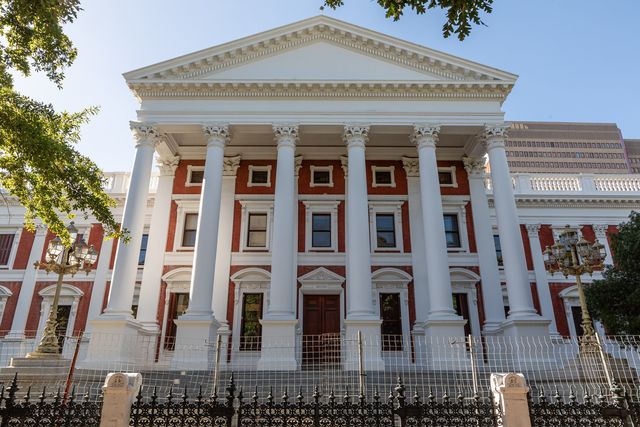 MoneyWhat Wednesday's mini budget means for your fuel, grants and taxes
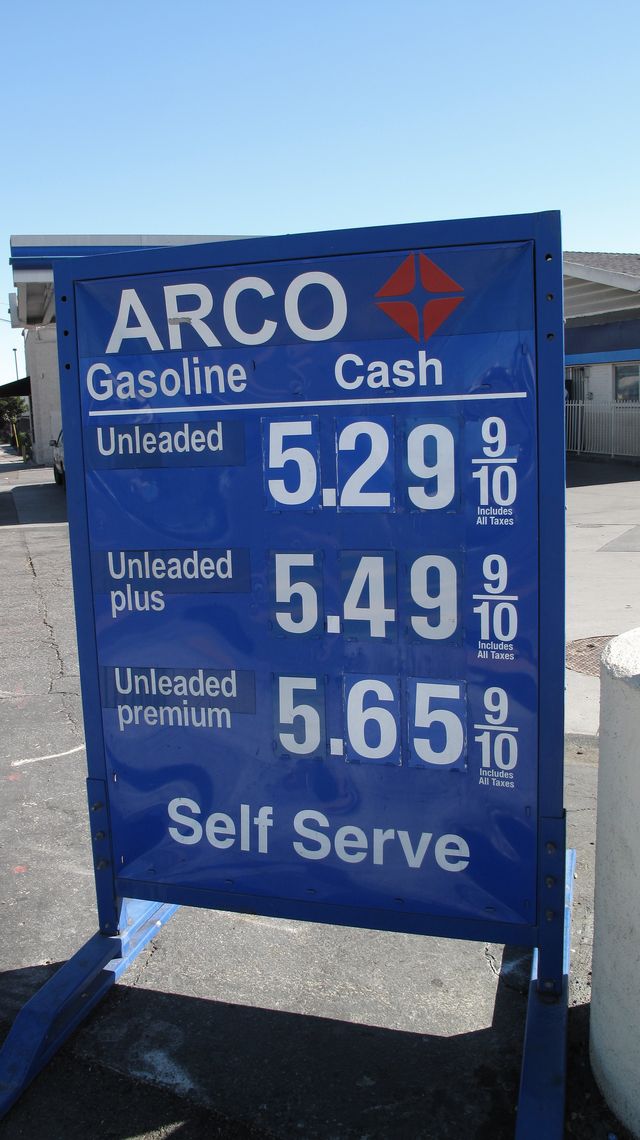 MoneyWhat a litre of petrol really costs in five countries, side by side
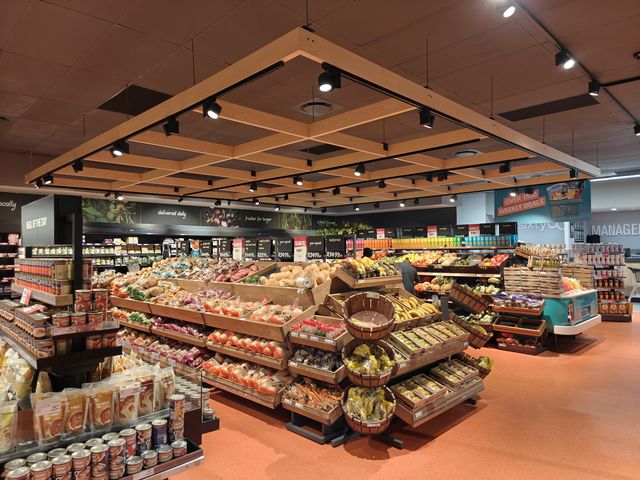 MoneyHow one diesel hike reaches your bread, milk and maize meal