Nearly half of South Africa's water leaks away. Coca-Cola is helping pay to stop it
For every 100 litres the country treats, 47 never reach a paying customer. A cooldrink company has just joined the fight to catch some of them.
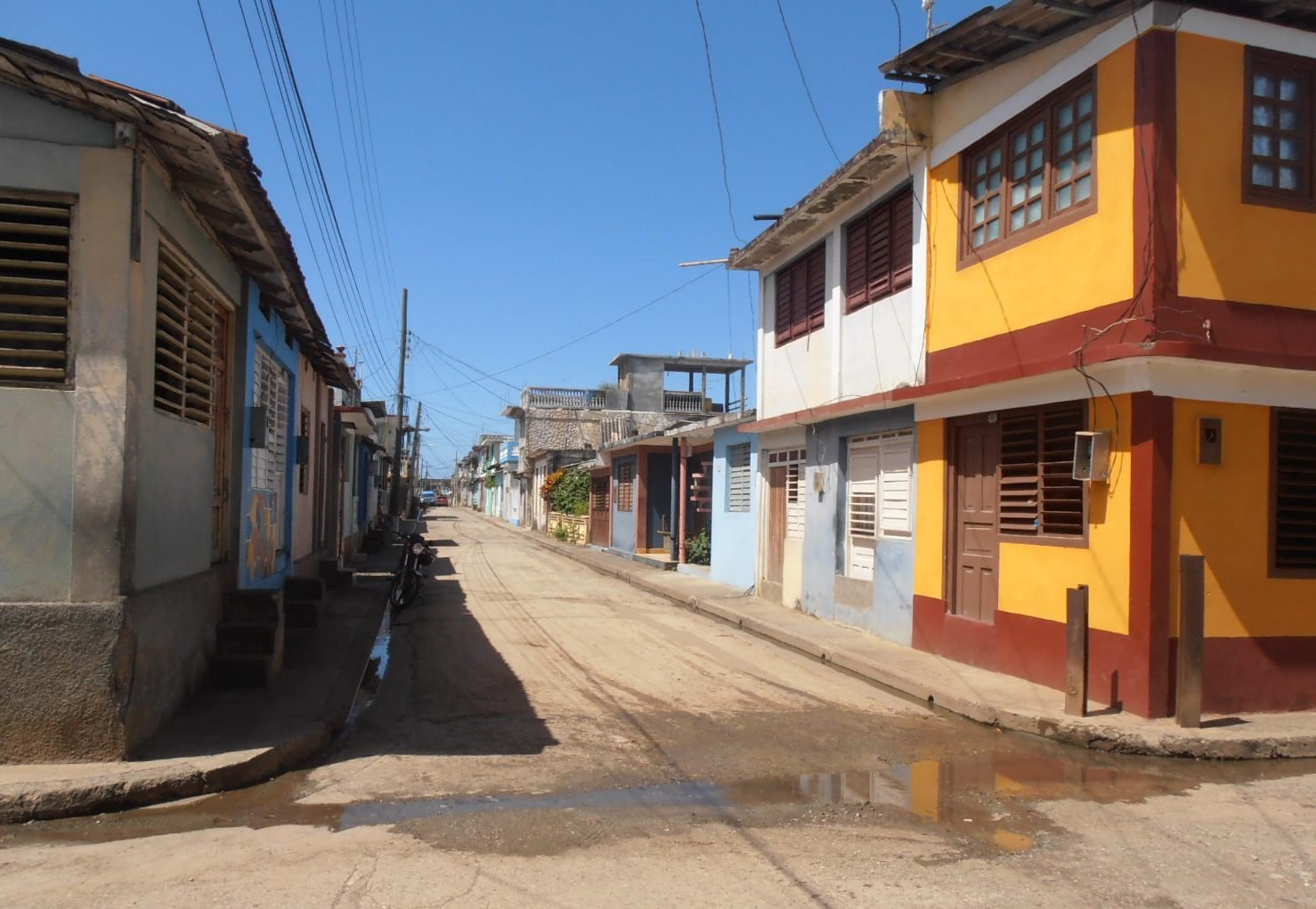
Photo: Sarang / Wikimedia Commons, Public domain
- South Africa loses 47% of the water it treats
- R500 million is pledged for 2026 to 2031, split R250m and R250m
- The first pipes to get new valves are in Pretoria
47%.
That is how much of South Africa's treated water is lost before it reaches a paying customer. It leaks out of old pipes, goes unmetered, or is not billed.
Now Coca-Cola and six partners say they will put R500 million behind fixing it. The first stop is Tshwane, which covers Pretoria, Centurion and Akasia.
How much water does South Africa lose?
BusinessTech, which broke the news on 8 October 2026, says the country loses about 47% of the water it treats. Experts call this "non-revenue water." It is water that was cleaned and pumped, but that nobody paid for.
The figure is not new. A reply from the Minister of Water and Sanitation to Parliament put the national average at 47.3% in June 2024. The same reply valued the loss at about R26 billion.
Think of a bucket with a hole in it. Almost half of what you pour in goes on the ground.
Where does the lost water actually go?
Non-revenue water has two main causes. The first is physical. Old pipes crack, joints fail and mains burst, so clean water seeps into the soil or runs down the street.
The second is money. Water gets used but not paid for. That can be theft, broken or missing meters, or bills that never go out.
Both hurt. A city that loses water also loses the income it needs to fix the pipes. In plain numbers, 47.3% lost means only about 52.7 of every 100 litres reach a paying customer.
Who is putting up the R500 million?
The money is a public-private deal called the South Africa Non-Revenue Water Mechanism. It was pledged after a meeting with President Cyril Ramaphosa and runs from 2026 to 2031.
 Read nextBotswana petrol is about R8 a litre cheaper than South Africa's. Here is why
BusinessTech says the private partners aim to raise R250 million. Public-sector partners will match that with another R250 million.
| Private partners (aim) | R250.00 | 50% |
|---|---|---|
| Public partners (match) | R250.00 | 50% |
| Pledged for 2026 to 2031 | R500.00 | 100% |
Source: BusinessTech, 8 October 2026. Amounts in rand millions.
Seven partners are named in all.
| Partner | Type |
|---|---|
| Department of Water and Sanitation | Public |
| Rand Water Services | Public |
| City of Tshwane | Public |
| Platform for a Water Secure Gauteng | Public or development |
| World Bank Group's 2030 Water Resources Group | Development |
| The Coca-Cola system (Coca-Cola Beverages Africa and Coca-Cola HBC) | Private |
| Global Water Challenge | Private |
Source: BusinessTech, 8 October 2026, and Coca-Cola's own announcement of 7 October.
One note on the headline numbers. BusinessTech's headline says Coca-Cola is paying "over R250 million," but its own text says the private side is aiming for R250 million, not that Coca-Cola alone pays it.
What will the money do first in Tshwane?
Phase one is a pilot. It covers Pretoria, Centurion, Akasia and the areas around them. Two things come first.
The first is pressure management. The plan is to put automated valves and controls on municipal pipes. Lower pressure helps protect old pipes, and it stops treated water leaking underground or bursting through.
The second is monitoring of industrial wastewater. Factories send waste into the system, and the plan is to track how much and what quality. That is meant to make firms accountable and to help make sure businesses pay their fair share of treatment.
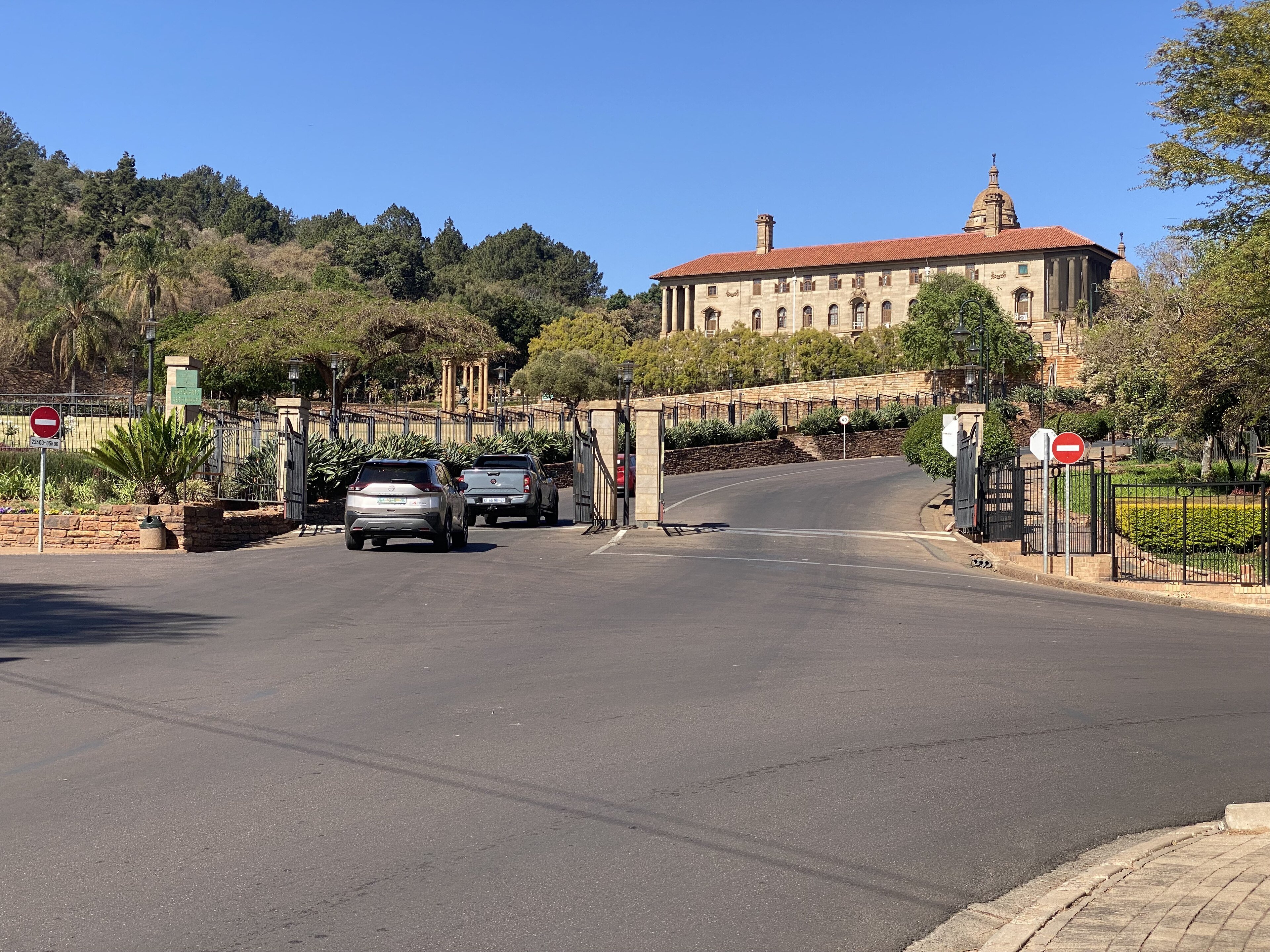
Photo: Ruby D-Brown / Wikimedia Commons, CC BY 4.0
Is R500 million big or small?
Do the sums. R500 million over five years is R100 million a year. The R26 billion loss that the minister's reply described is about 52 times bigger than the whole pledge.
Put another way, R500 million is about 1.9% of that R26 billion. It is a start, not a cure.
The partners say that is not the point. They describe the pilot as a repeatable model that can pull private money into municipal water, and spread to other towns over time.
What does Coca-Cola say it gets out of this?
Neither BusinessTech nor Coca-Cola says the company gets a financial return. What the company does say is that water matters to it.
 Trending nowPetrol broke R30 a litre. We followed the money
Luis Felipe Avellar, president of Coca-Cola's Africa unit, said water security is fundamental to South Africa's economic growth, community resilience and long-term sustainability. He said the project shows how teamwork can bring in private investment and could be copied across the country.
Coca-Cola HBC chief executive Zoran Bogdanovic, paraphrased by BusinessTech, stressed how important it is for government, business and development groups to work together. Coca-Cola HBC has also agreed to buy a majority stake in Coca-Cola Beverages Africa, and it is backing the project.
Some people will see a company protecting the supply it needs to make drinks. Others will see a big business doing what a city struggled to do. Both views are out there.
Has Tshwane tried to fix its leaks before?
Yes, and the history is shaky. A Danish government programme page says between 30% and 40% of the drinking water in Tshwane never reaches customers because of leaks and theft.
An earlier project called War on Leaks, valued at an estimated R7.2 billion, was described by a parliamentary committee as not delivering the results people hoped for. That is how a PMG record of the committee describes it.
Our look at how Cape Town fought its Day Zero water crisis shows how another big city handled a water scare.
If you want to see where water charges end up on a household bill, we broke down a real municipal bill line by line.
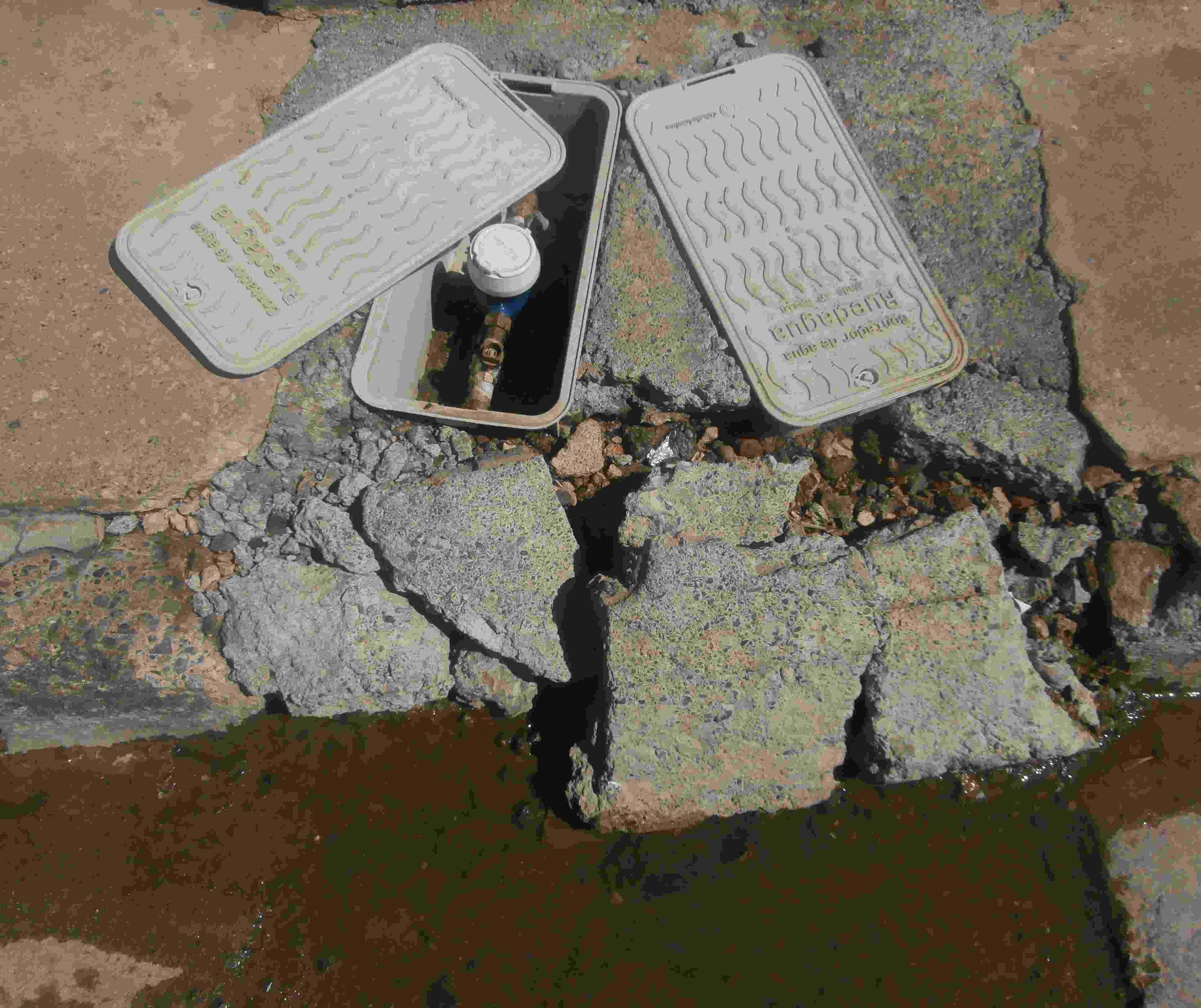
Photo: Sarang / Wikimedia Commons, Public domain
What did the minister say?
Water and Sanitation Minister Pemmy Majodina welcomed the initiative on behalf of government. She said the state continues to drive teamwork that strengthens the capacity of municipalities, and she pointed to the value of government, private and development partners working side by side. She also referred to the National Water Crisis Committee.
The project is meant to fit the National Water Action Plan and to improve the money position of local councils over time.
For every 100 litres South Africa treats, 47 never reach a paying customer. From Pretoria, a cooldrink company's money is about to try to catch some of them.
Get the stories that hit your pocket
Petrol, SARS, Eskom, grants and the news everyone is talking about. One short email every weekday at 6am.
Free. One email each weekday. Unsubscribe anytime.Sources4
- BusinessTech, Coca-Cola paying over R250 million to try stop service delivery collapse (8 Oct 2026)
- Coca-Cola South Africa, Non-Revenue Water initiative announcement (7 Oct 2026)
- Parliamentary Monitoring Group, Question NW2851 to the Minister of Water and Sanitation
- Danish Embassy in South Africa, Water Resilient Cities Program
Keep reading
 MoneyBootlegger data leak: The locked dashboard that was never locked
 MoneyHow one diesel hike reaches your bread, milk and maize meal
 MoneyHow a Kimberley firm and one ad agency sold the world on diamond rings, and what lab-grown stones are doing to it