Your diamond ring began as an ad campaign. Now the company behind it is reportedly up for sale at $1 billion
People online keep asking if the diamond was ever really about love. The company's own history gives a blunt answer, and it started in South Africa.
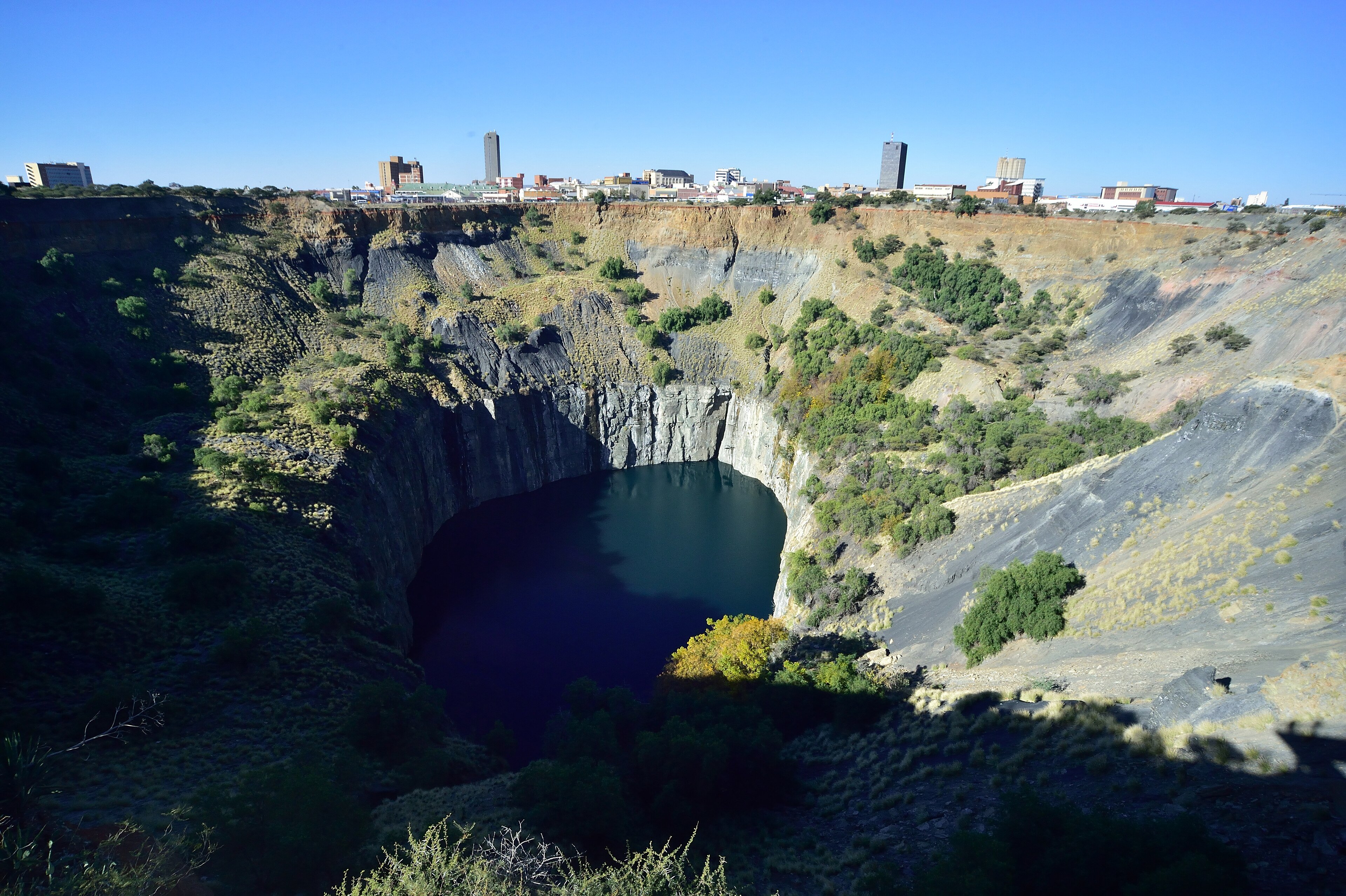
Photo: South African Tourism from South Africa / Wikimedia Commons, CC BY 2.0
- The "forever" line was written late one night in 1947
- De Beers once held up to 90% of the world's diamonds
- Lab-grown stones now cost a fraction of the price
In 1938, De Beers had a diamond sales problem.
Sales had slumped in the Great Depression, so De Beers, a company born in Kimberley, South Africa, hired a New York ad agency called N.W. Ayer. The job was to sell no brand, only the idea of a diamond itself.
It worked so well that most of us never noticed. This week the story is back on X, where people are arguing about whether the whole thing was "genius marketing... no, propaganda." One reply says Hollywood got the whole industry in on it. Another asks if anyone has the guts to tell a bride that a wedding ring can come without a stone.
Was the diamond ring really invented by an ad agency?
The stones were real. The rule that you must buy one was sold.
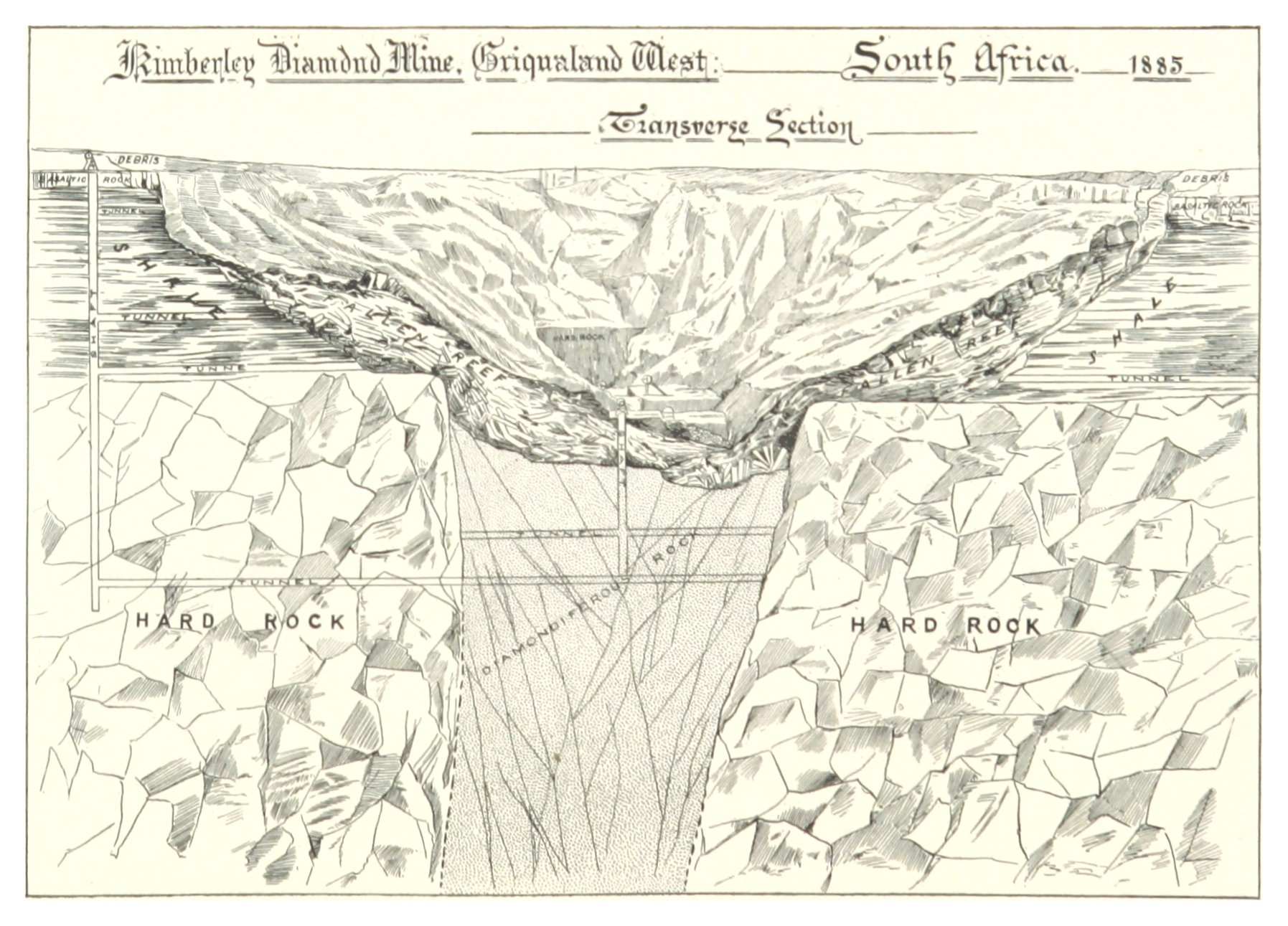
De Beers was formed in 1888, when Cecil Rhodes merged the Kimberley diamond claims into one company. That gave it power over supply. By Rhodes's day it held roughly 90% of the world's diamonds, though sources put the figure between 90% and 95%.
But a monopoly on rocks is useless if nobody wants them. In the 1930s, nobody wanted enough of them. That is where Ayer came in.
The agency's plan was to attach diamonds to love, not to luxury. Film stars wore them. Magazines showed them. The engagement ring became the proof.
Who wrote "A diamond is forever"?
A copywriter named Frances Gerety. In 1947, the story goes, she was working late at Ayer's Philadelphia office. She had forgotten a signature line for the next morning's De Beers pitch. She wrote one.
The line ran nationally in 1948. Advertising Age later named it the slogan of the century, around 1999.
It is also a clever business trick. "Forever" means you never sell. A diamond that is never resold never competes with De Beers's new diamonds.
 Read nextA Tembisa taxi depot is said to sell fuel at R10 a litre
The dated timeline below is built from De Beers history, press reports and the sources listed below. Every date comes from De Beers history, press reports or the sources listed below.
| Year | What happened |
|---|---|
| 1888 | Rhodes merges the Kimberley claims into De Beers Consolidated Mines |
| 1938 | De Beers hires the ad agency N.W. Ayer to sell diamonds as a category |
| 1947 | Frances Gerety writes "A diamond is forever" |
| 1948 | The line goes national |
| 1980s | De Beers is widely reported to push "two months' salary" as the ring budget, up from one month |
| 1980s | Estimates put De Beers at 80% to 90% of rough diamond supply |
| 2018 | De Beers launches Lightbox, a lab-grown jewellery brand |
| May 2025 | De Beers announces it will close Lightbox |
| Feb 2026 | Anglo American writes De Beers down by $2.3 billion |
| Jul 2026 | Reports say Anglo is in talks to sell De Beers for about $1 billion |
Did De Beers really tell people to spend two months' salary?
It is widely reported, and it follows the pattern. Sources say the old guide was one month's pay. In the 1980s, the campaign pushed it to two.
The exact timing is debated, and a few sources place it earlier. What is not debated is the effect. A feeling became a number, and the number was tied to your pay slip.
Nobody had to be told the rule was invented. It simply felt like it had always been there.
How much has De Beers lost to lab-grown diamonds?
Lab-grown diamonds have the same chemistry and crystal structure as mined ones. People on X pointed that out all week. One reply said the price is now set only by supply.
The numbers back some of that. De Beers itself has said wholesale lab-grown prices have fallen 90% since 2018.
Then it joined the fight. Its Lightbox brand cut standard stones from $800 a carat to $500, a drop of 37.5%. One reply called that clever, undercutting the market to crash it. But in May 2025 De Beers shut Lightbox and said it wanted to back natural diamonds again.
Another reply put the damage in one line. De Beers, it said, forgot that it had destroyed the secondary market. That is the "forever" trick biting back. If a diamond is never meant to be sold, the second-hand price is poor.
In February 2026, Anglo American wrote De Beers down by $2.3 billion. Reports in July said it was in talks to sell the company to a group led by former De Beers chief Gareth Penny, with the governments of Namibia and Angola in the mix. The price in the reports is about $1 billion. Botswana owns 15% of De Beers and would need to agree. None of it was final at the time of writing.
Some online guessed De Beers will end like the natural pearl, wiped out by cultured pearls. Others joked that Swarovski is doing fine. If you want to know how a sudden price crash plays out in a different shiny thing, our gold investment explainer is a good place to start.
What does the diamond slump mean for South Africa?
It is where the story started, and it is where the pain is landing.
 Trending nowPetrol broke R30 a litre. We followed the money
Diamond mining here once employed about 23,000 people in the 1980s. Last year it was down to 11,277, according to a report in Business Day.
Venetia, De Beers's Limpopo mine, makes about 40% of South Africa's diamonds and supports about 4,000 jobs. In July, De Beers proposed pausing production there for two years. The National Union of Mineworkers says 1,134 Venetia workers would be affected.
Petra's Finsch mine in the Northern Cape went into business rescue in May 2026, with 689 jobs at risk. Another 1,090 jobs at Cullinan are also at risk. Petra's chief said April and May sales at Finsch averaged about $47 a carat.
Kimberley itself is a quiet city now, with its Big Hole left as a tourist stop. It is easy to forget that a hole dug by hand started the idea that love comes in a rock.
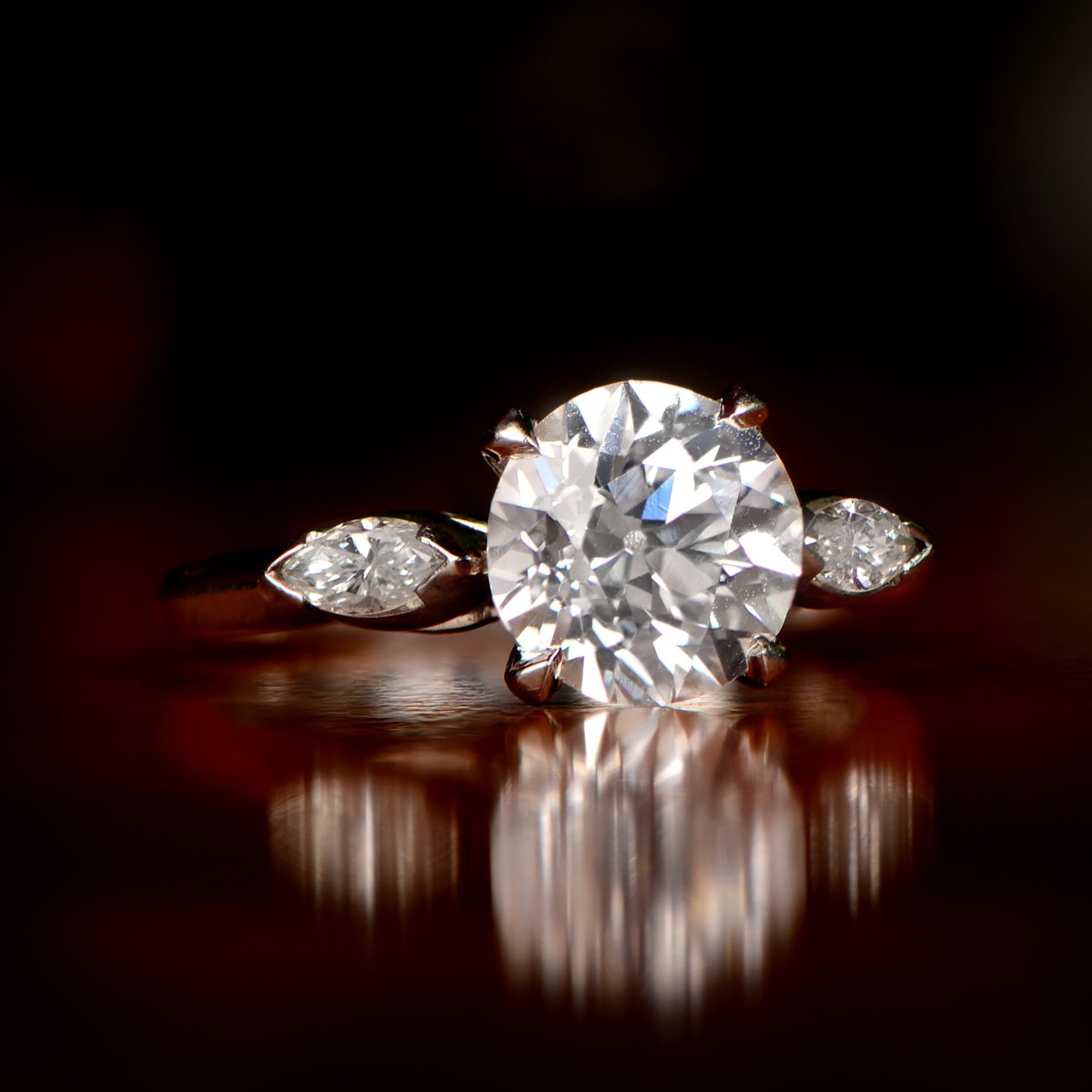
Photo: CatherineLewis1976 / Wikimedia Commons, CC BY-SA 4.0
What does it mean for Botswana?
Even more is at stake there. Diamonds make up about a third of Botswana's government revenue, according to IMF figures reported by the press. They also bring in roughly 80% of its exports.
Debswana, the joint mining firm owned by De Beers and the Botswana government, plans to lift output to 18 million carats in 2026, up from 15 million last year. Botswana's economy shrank two years in a row as demand sagged.
That is why the sale matters far beyond jewellery shops. A buyer who runs De Beers differently could change the budget of a whole country. Our look at why China keeps buying gold shows how much one shiny commodity can steer a nation.
Could a ring really go back to being just a ring?
That is what the replies keep circling. One person asked who would dare tell her that the ring can come without a stone. Another asked whether a diamond's only real use is that it shines in a dark party venue.
For lab-grown buyers, the answer is already yes. A one-carat lab stone is reported to sell for far less than a mined one, though the figures vary by shop.
For natural diamonds, the case now rests on the story: Rare, earth-made and hard-won. That is exactly the kind of thing an ad agency once wrote.
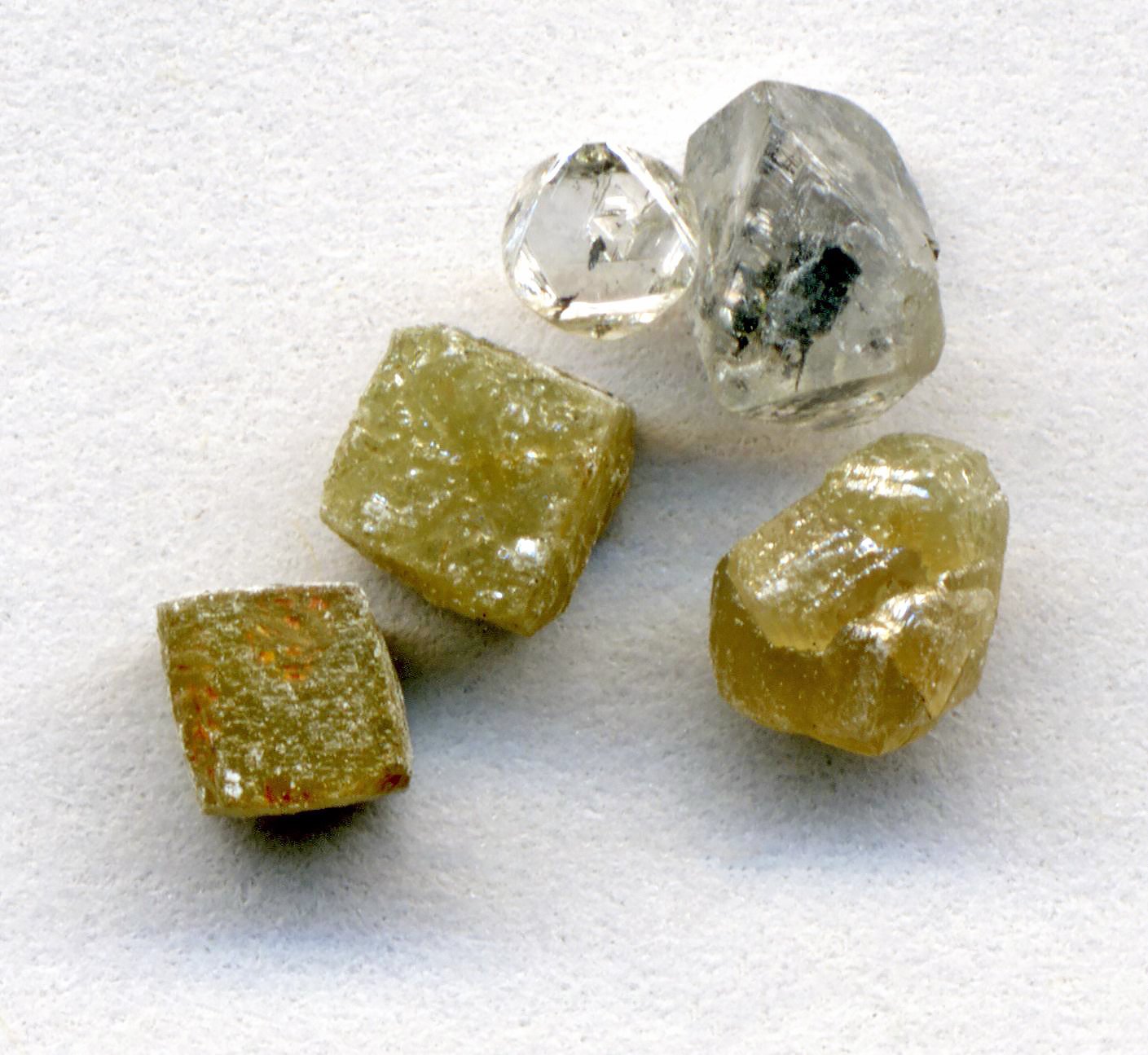
Photo: James St. John / Wikimedia Commons, CC BY 2.0
What happens to "forever" now?
Frances Gerety wrote her line in a single late night in 1947. It outlived De Beers's monopoly, which fell from roughly 90% to about 35% by value, according to one industry report.
Now the company that taught the world to say "forever" is reportedly up for sale at about a billion dollars. The slogan may be the only part of De Beers that nobody can put a price on.
Get the stories that hit your pocket
Petrol, SARS, Eskom, grants and the news everyone is talking about. One short email every weekday at 6am.
Free. One email each weekday. Unsubscribe anytime.Sources9
- Rapaport, Anglo American mulling $1B De Beers sale (report)
- Ecofin, Anglo American nears De Beers sale
- Business Day, De Beers casts a long shadow as consumers turn their backs on diamonds (25 Jul 2026)
- Business Day, Finsch closure epitomises slump in natural diamonds (15 Aug 2026)
- Rapaport, De Beers reduces prices of Lightbox lab-grown diamonds
- FashionUnited, De Beers to close Lightbox (May 2025)
- De Beers Group, our history since 1888
- NPR, the ad woman who made diamonds forever
- Mining.com, Debswana plans 20% output hike in 2026
Keep reading
 Money1 in 5 taxpayers paid 77% of the income tax. The numbers, in charts
 MoneyEskom plans an 8.83% tariff hike on 1 April 2027, and an MP says families must choose between food, school fees and power
 MoneyCreecy rejects the RAF's R3 a litre fuel levy request