Alberta pays more into Canada than it gets back. It still said no to leaving.
Alberta had the strongest financial case of any separatist region in North America. Its voters turned it down anyway, and the reasons why were barely covered outside Canada.
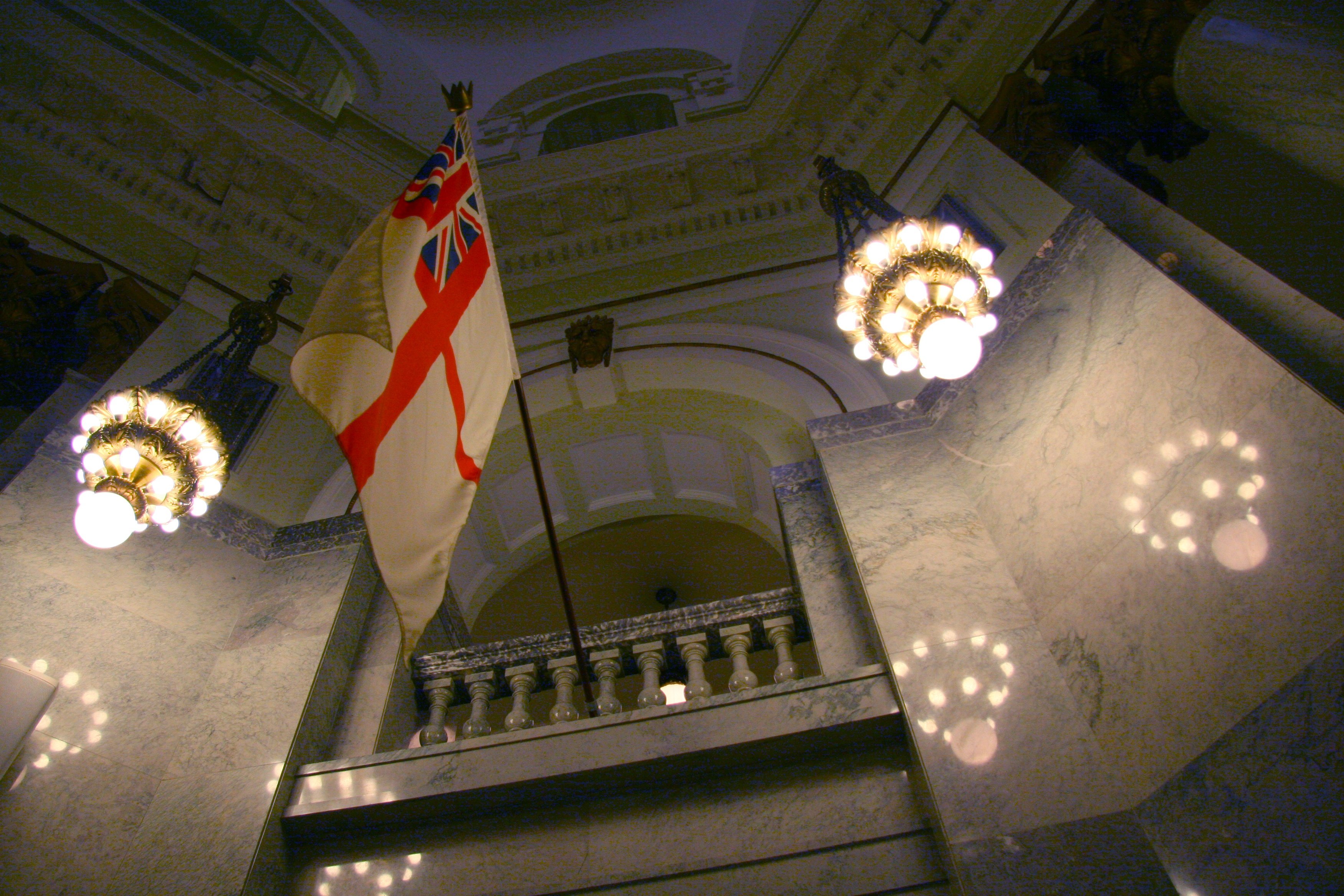
Photo: Simon Law from Montréal, QC, Canada / Wikimedia Commons, CC BY-SA 2.0
- Alberta has sent Ottawa $321.9 billion more than it got back since 2007
- Albertans still voted to stay by close to three to one
- First Nations say Alberta cannot leave Canada without their consent anyway
75.3%.
That is the share of Alberta's voters who chose to stay in Canada on 19 October 2026. They turned down a push to start the legal process toward leaving the country for good.
Alberta is Canada's richest province by resource revenue. It pays billions more into the federal government each year than it gets back, the exact argument separatist movements use everywhere from Quebec to South Africa's Western Cape. By that logic, Alberta had the strongest case to leave of any region on the continent. It said no anyway, and by a wide margin.
What exactly did Albertans vote on?
The ballot question read: "Should Alberta remain a province of Canada, or should the Government of Alberta commence the legal process required under the Canadian Constitution to hold a binding provincial referendum on whether or not Alberta should separate from Canada?"
It was not a direct vote to leave. A Yes vote would only have started the legal steps toward a future, binding referendum on separation. Even that smaller step failed.
This was Alberta's first-ever referendum on separation. It was one of ten questions on the same ballot, most of them about immigration rules and constitutional change. Those other nine questions passed by much closer margins, several within a point or two.
Turnout was strong for a referendum. About 62% of Alberta's 3.1 million eligible voters cast a ballot, close to the turnout at the province's 2023 general election. Elections Alberta expects to confirm the official count on 29 October.
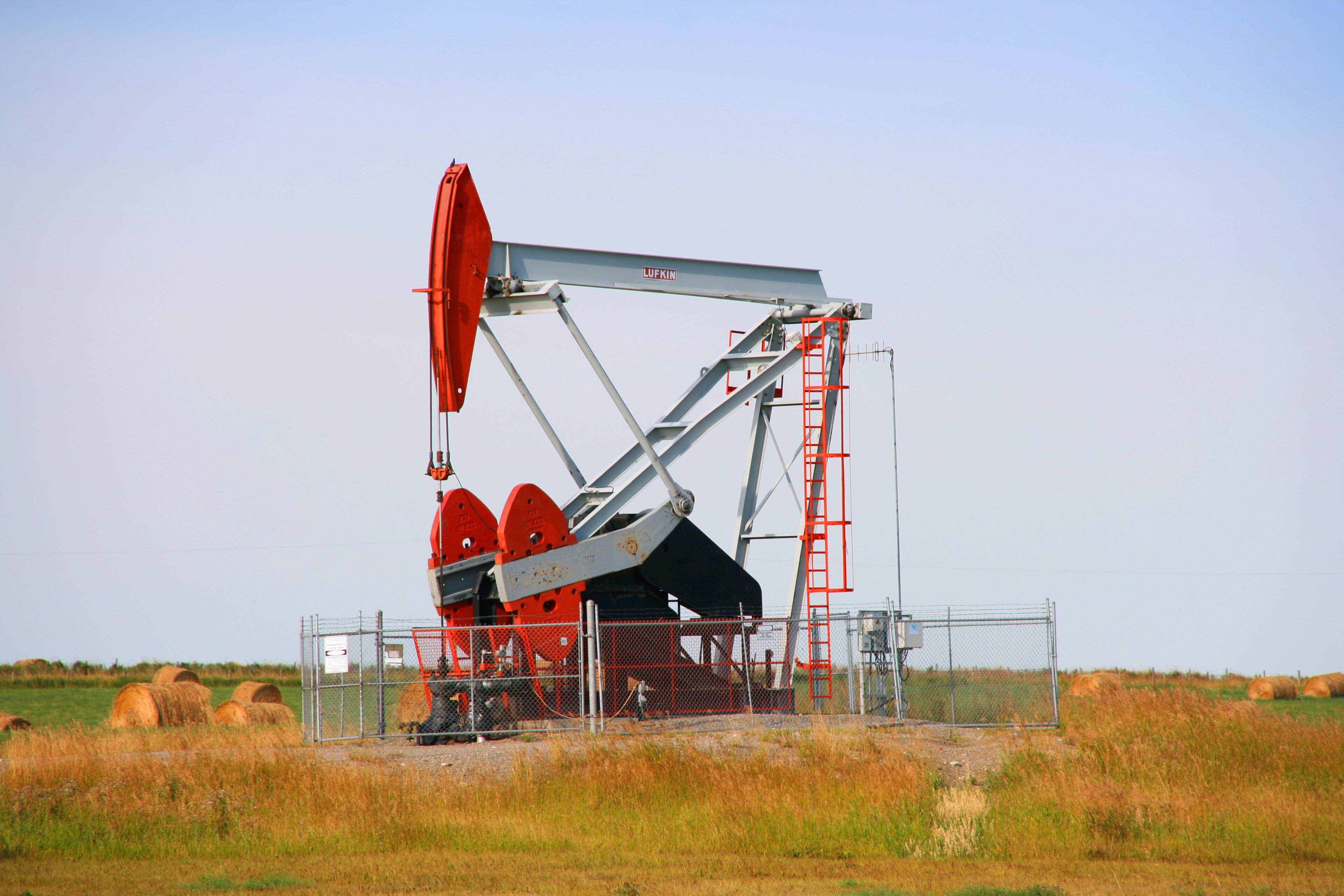
Photo: Marek Ślusarczyk (Tupungato) Photo portfolio / Wikimedia Commons, CC BY 3.0
How badly did the Yes side lose?
Preliminary counts gave Remain 75.3% and the push to start separation 24.7%. That is close to three in four voters choosing to stay, and only one in four backing even the first step toward leaving.
Premier Danielle Smith said Albertans had "voted for a stronger Alberta in a united Canada." She told reporters she would honour the result. "For as long as I am premier, I will not be holding another referendum on this issue," she said.
Prime Minister Mark Carney called the result "a great result for Canada." He said he was "thrilled that Albertans have chosen unity," and that the province and the country would now move forward with "renewed purpose."
 Read nextThe Cape independence push Pretoria can't ignore
Carney also played down the size of the Yes vote. He suggested only a smaller "hard core" of the quarter who voted Yes actually want full independence, rather than all of them wanting to leave.
If Alberta pays more into Canada than it gets back, why would it want out?
Alberta is not a poor, resentful province being squeezed by Ottawa. It is the opposite, and that is what makes the result surprising.
Between 2007 and 2024, Albertans paid the federal government $285.1 billion more in taxes and other payments than they received back in spending and transfers, according to the Fraser Institute. Projected through to 2026/27, that net contribution reaches $321.9 billion, nearly four times British Columbia's and more than five times Ontario's.
In 2024 alone, Alberta supplied 15.1% of all federal revenue while receiving back only 9.7% of federal spending. Without that gap, the Fraser Institute estimates other Canadian taxpayers would pay about $1,000 more a year each just to keep federal spending where it is.
Every separatist movement argues its region sends in more than it gets back. Alberta can prove it with official numbers stronger than most regions in the world can show. Its voters still rejected the exit door, which is the detail most headlines left out.
How does Alberta's vote stack up against Quebec and the Western Cape?
Alberta is not the first fiscally strong region to test a separation vote. Quebec tried it in 1995. South Africa's Western Cape has never been allowed to try at all.
| Place | Population | Share of national economy | Net fiscal position | Referendum held | Result |
|---|---|---|---|---|---|
| Alberta | 5.1 million (2026) | About 15% of Canada's GDP (2023) | Pays in $321.9bn more than it gets back since 2007 (Fraser Institute) | Yes, 19 Oct 2026, first ever | 75.3% voted to stay |
| Quebec | 7.3 million (1995) | About 20% of Canada's GDP (1995) | Long-time net recipient of federal equalization payments | Yes, 30 Oct 1995, second attempt | 50.58% No, by under 1 point |
| Western Cape | 7.5 million (2024) | 14.2% of South Africa's GDP (2024) | Sends 15.5% of SA's tax revenue, gets back 10.4% of the equitable share | No referendum held, Pretoria has refused one | n/a |
Sources: Statistics Canada and the Fraser Institute (Alberta), Elections Quebec and Statistique Quebec (Quebec), Stats SA and SARS tax statistics (Western Cape).
Alberta is the only one of the three with the fiscal numbers squarely on the separatist side, and it still voted to stay by close to three to one. Quebec, poorer in relative terms and a long-time net recipient of federal money, came within half a point of leaving in 1995. The Western Cape, which sends more tax to Pretoria than it gets back, has never been allowed a vote at all, an argument Cape independence campaigners make in their own push for the same independence question.
Why did pensions and the Canadian dollar scare voters?
Money questions did more damage to the Yes side than any argument about sovereignty.
 Trending nowBootlegger data leak: The locked dashboard that was never locked
Alberta's government has spent years arguing it could claim up to $334 billion from the Canada Pension Plan if it set up its own provincial scheme, more than half of all CPP assets. Economists call that figure disputed, with independent estimates ranging from $150 billion to just over $300 billion. Smith's government kept a $7.5 million advertising and survey campaign on the pension exit running right up to the vote.
Voters were being asked to risk their retirement savings on a number nobody can agree on. The currency question carried its own fear. An independent Alberta would need to either launch its own currency or negotiate to keep using the Canadian dollar from outside the federation, a deal nobody could guarantee in advance.
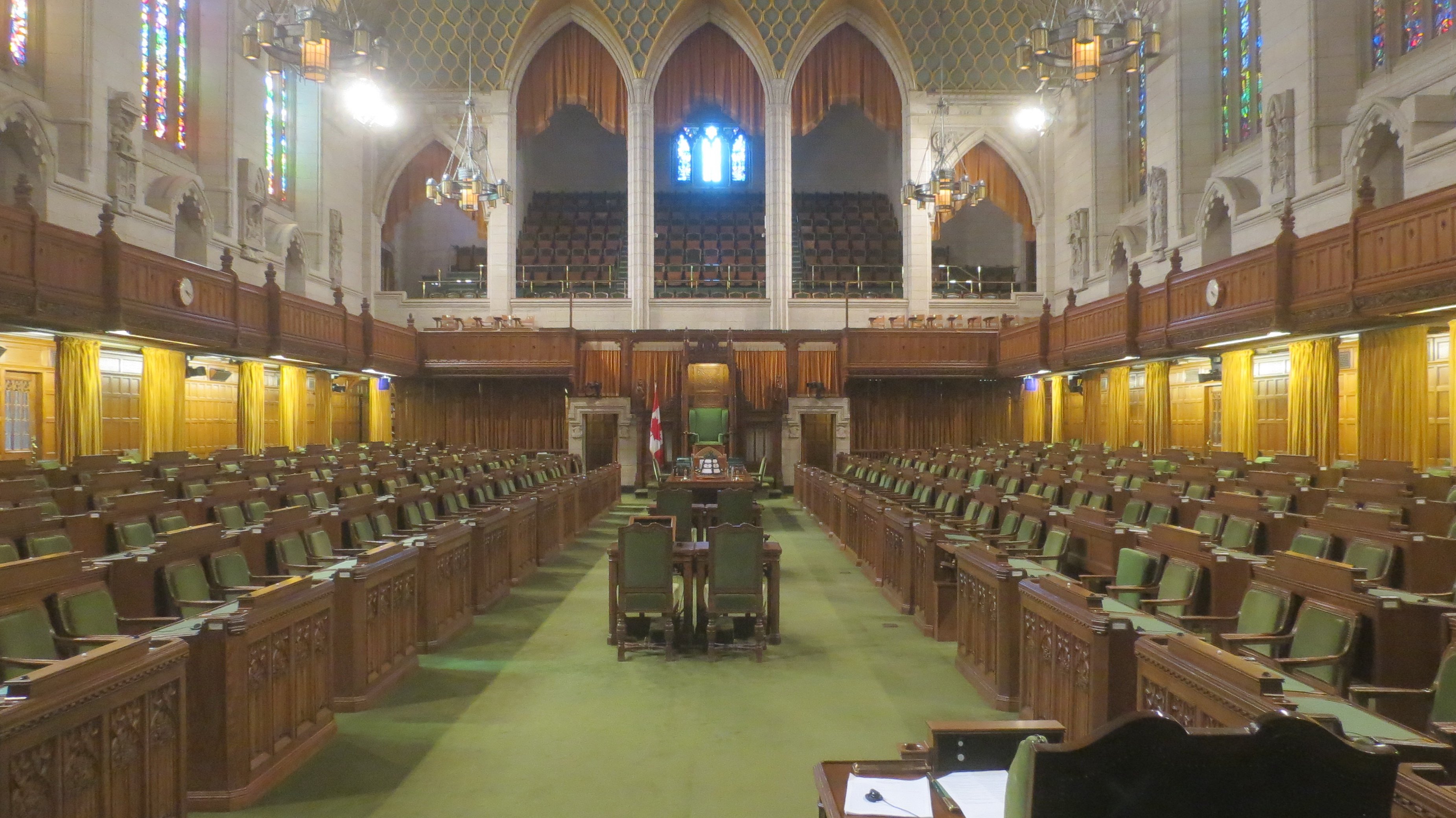
Photo: Robert Linsdell from St. Andrews, Canada / Wikimedia Commons, CC BY 2.0
Why can't Alberta's oil just sail away?
Alberta and Saskatchewan are Canada's only landlocked provinces. Alberta's oil has to cross other provinces, or the United States, to reach any ocean.
The federally owned Trans Mountain pipeline carries about 890,000 barrels a day to Canada's Pacific coast, through British Columbia. Trade experts point out that independence would not remove that dependency. It would add a new layer of cross-border negotiation with a country Alberta had just left.
First Nations added a separate legal wall to the separatist case. Their treaties with Ottawa predate Alberta's creation as a province in 1905. Several First Nations groups said Alberta cannot leave Canada without their consent, whatever the referendum result said.
Did Trump's talk of a '51st state' help or hurt?
US President Donald Trump renewed his call for Canada to become "the 51st state" on 16 October 2026, three days before Albertans voted. Some Alberta separatist leaders had already met members of his administration.
Polling before the vote suggested the Trump factor, along with the pension and pipeline doubts, was already working against the Yes side. Smith herself cited a poll showing only 22% support for full separation ahead of the vote. Other pollsters found only about a third of Albertans backed even a future referendum on leaving.
The final result landed close to those pre-vote numbers, not the louder noise seen online.
What happens now that Smith has ruled out a repeat vote?
Smith says she will not hold another referendum on separation while she remains premier. Separatist leaders have already said the result will not end their campaign, and some plan to keep pushing through petitions and the courts instead.
The pension fight is not settled either. Alberta's government has not dropped its claim on Canada Pension Plan assets. The number both sides argue over, somewhere between $150 billion and $334 billion, will keep being fought over long after the separation question is closed.
Get the stories that hit your pocket
Petrol, SARS, Eskom, grants and the news everyone is talking about. One short email every weekday at 6am.
Free. One email each weekday. Unsubscribe anytime.Sources9
- CBC News, Albertans vote to remain in Canada (20 Oct 2026)
- Al Jazeera, Alberta voters reject separation from Canada (20 Oct 2026)
- Global News, Danielle Smith calls for unity after separatism rejected (20 Oct 2026)
- Global News, Carney calls the vote 'a great result for Canada' (20 Oct 2026)
- Elections Alberta, advance and special ballot turnout
- Fraser Institute, Understanding Alberta's Outsized Contribution to Confederation
- Elections Quebec, official 1995 referendum results
- Stats SA, provincial gross domestic product 2024
- TIME, Trump revives '51st state' threat days before the vote (16 Oct 2026)
Keep reading
 PoliticsThe Cape sends more tax to Pretoria than it gets back
 PoliticsHow the Cape beat Day Zero and why it matters for independence
 PoliticsWhy South Africans keep packing up for the Cape