The Cape sends 15 cents of every tax rand to Pretoria. It gets 10 back.
Opinion. On budget day, the Western Cape waits to hear its own share from a government hundreds of kilometres away, instead of deciding it for itself.
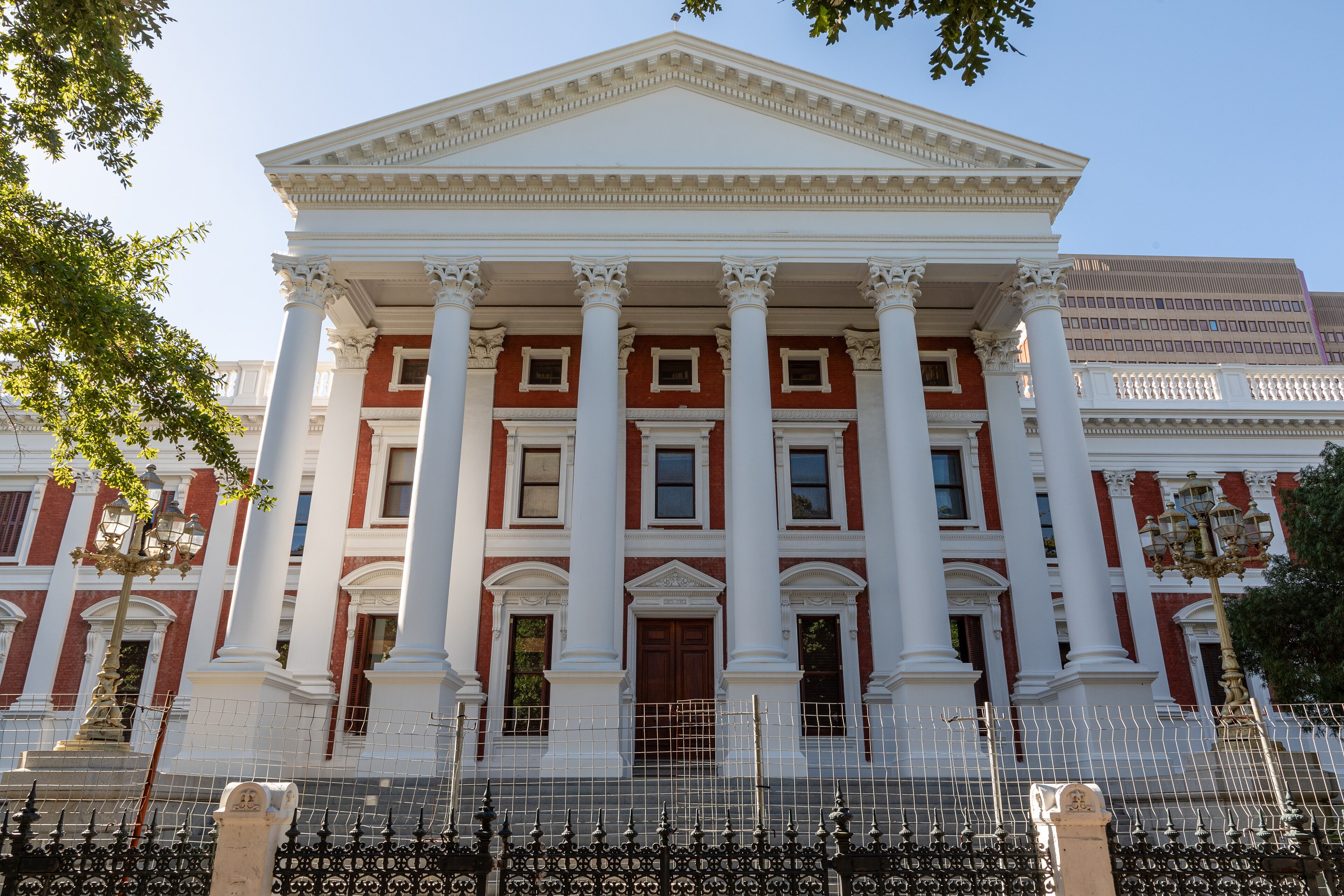
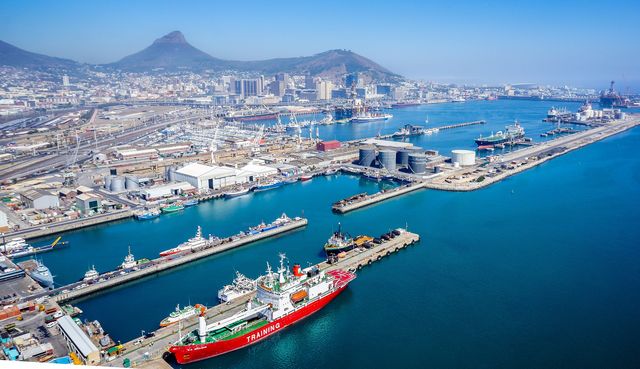
Photo: Dietmar Rabich / Wikimedia Commons, CC BY-SA 4.0
- The Western Cape raises 15.5 cents of every tax rand South Africa collects
- It gets back only 10.4 cents when Pretoria hands out its yearly share
- Cape Town already runs an R87.8 billion budget almost entirely on its own
15.5%.
That is the share of all the tax South Africa collected that came from people and businesses in the Western Cape, in the South African Revenue Service's 2025 Tax Statistics, released in December 2025.
On Wednesday 21 October 2026, Finance Minister Enoch Godongwana stands up in Parliament's Good Hope Chamber to table the mini budget, officially called the Medium-Term Budget Policy Statement. It sets out how much money each province gets for the next few years.
The Western Cape gets no seat at that table. It will sit, like every other province, and wait to hear its share from a government based hundreds of kilometres away in Pretoria.
This is The Cape Case, our daily column on why the Western Cape should run its own affairs. We laid out the full argument for why the Western Cape wants out in an earlier piece. Today we look at just the money.
Why does the Western Cape get back less than it sends to Pretoria?
The Western Cape raises 15.5 cents of every tax rand South Africa collects. When Treasury divides its yearly pot between the nine provinces, the Cape gets back only 10.4 cents of every rand in that pot, according to figures reported in December 2025.
 Read nextSA lost jobs. The Cape added 91,000. Imagine it with its own rules
That gap is not a conspiracy. It comes from a formula built to send more money to poorer provinces per person, not to reward whoever pays in the most. The problem for the Cape is that it never gets a say in how that formula is written or changed.
How much tax the Western Cape actually sends north
The Western Cape is home to about 12 out of every 100 South Africans, Census 2022 found. Its economy makes up 14.3% of the country's GDP, the total value of everything South Africa produces in a year, according to provincial growth figures reported in March 2026.
Its tax contribution is bigger again, at 15.5%. People and businesses in the Cape put more into the system, for their size, than almost anywhere else in the country.
A small base of taxpayers carries most of the national tax bill, as we explained in our look at who actually pays income tax in South Africa. A large share of that small base lives and works in the Cape.
What the Western Cape puts in, and what it gets back
Put the Cape's own numbers side by side and the shape of the problem is easy to see.
| What the figure measures | Western Cape's share | Source and date |
|---|---|---|
| Share of South Africa's population | 12% | Census 2022 |
| Share of South Africa's economy (GDP) | 14.3% | Provincial growth data, Mar 2026 |
| Share of all tax South Africa collects | 15.5% | SARS Tax Statistics, 2024 tax year, Dec 2025 |
| Share of the money Treasury hands back to the 9 provinces | 10.4% | Reported Dec 2025 |
Every row before the last one climbs. The last one falls. That single table is the whole case for a Cape treasury.
The formula that decides the Cape's slice of the pie
The Western Cape's own provincial government depends almost completely on that formula. In 2025, opposition parties in the provincial legislature pointed out that 95.4% of the province's budget comes from national government transfers, not money the Cape raises itself.
Critics say that is exactly how a fair, needs-based country should work. Richer provinces carry poorer ones through the formula, not by choice. That argument only holds if the money leaving the Cape is well spent once it lands elsewhere. An earlier instalment of this column found that 21 of the country's 39 clean municipal audits sit in one province, and it is not the one getting the biggest share of the national pot.
 Trending nowBootlegger data leak: The locked dashboard that was never locked
A province that collects some of South Africa's highest tax revenue has almost no power to decide how its own slice gets spent. Cape Town International Airport, the N1 and N2 highways and Tygerberg Hospital all wait on a formula written in Pretoria, not Cape Town.
Cape Town already proves a Cape budget would work
The City of Cape Town already has. The council adopted an R87.8 billion budget for 2026/27 in June 2026, split into R74.62 billion for day-to-day running costs and R13.09 billion for roads, pipes and other infrastructure.
Almost all of that money comes from the city's own rates, tariffs and service charges, not a handout from national or provincial government. Property rates revenue alone was set to climb 7% in 2026/27, adding about R963.5 million to the city's books.
Set that next to the Western Cape provincial government's R93.5 billion budget for the same year, almost all of it a transfer from Pretoria. A city with no power to set its own income tax or VAT already raises nearly as much, on its own, as the whole province gets handed. A Cape treasury with real tax powers would not be starting from nothing.
A Cape treasury could set its own tax and spending priorities
None of this needs a single new tax. It needs a different address for the decision.
A province that raises 15.5 cents of every tax rand in the country, and runs a capital city that already balances an R87.8 billion budget on its own, has already shown it can handle its money. On Wednesday, it will watch a minister in Pretoria decide its share anyway.
Give the Cape its own treasury, and that Wednesday stops being a day of waiting. It becomes the day the Cape sets its own budget, instead of reading somebody else's.
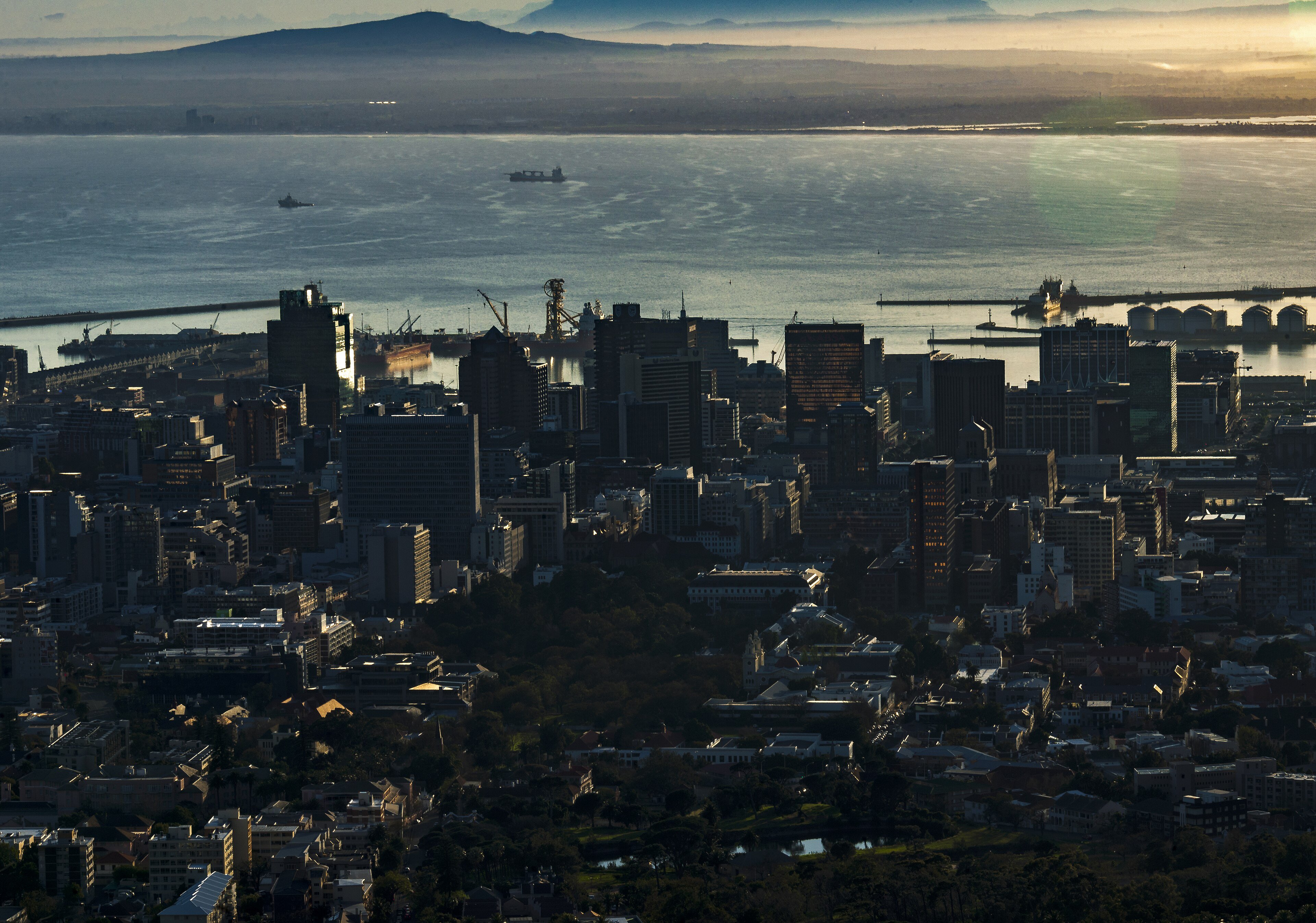
Photo: Daniel Case / Wikimedia Commons, CC BY-SA 3.0
Get the stories that hit your pocket
Petrol, SARS, Eskom, grants and the news everyone is talking about. One short email every weekday at 6am.
Free. One email each weekday. Unsubscribe anytime.Sources9
- Parliament of South Africa, Finance Minister to table the 2026 MTBPS, Wednesday 21 October 2026
- IOL, SARS and Treasury 2025 Tax Statistics, tax revenue share by province (5 Dec 2025)
- IOL, Western Cape receives 10.4% of the provincial equitable share (11 Dec 2025)
- Cape Times, 95.4% of the Western Cape's provincial budget comes from national government (7 Apr 2025)
- EWN, Western Cape's R93.5 billion provincial budget for 2026/27 (12 Mar 2026)
- News24, Cape Town adopts R87.8 billion budget for 2026/27 (29 Jun 2026)
- Moneyweb, Cape Town's 2026/27 rates revenue rise of 7%
- Parliament, Western Cape profile with Census 2022 population
- Quantec, Western Cape's 14.3% share of SA GDP (11 Mar 2026)
Keep reading
 PoliticsHow the Cape beat Day Zero and why it matters for independence
 PoliticsWhy South Africans keep packing up for the Cape
 PoliticsThe Cape trades like a country. It should get to act like one