Why is everyone moving to the Western Cape? Follow the people, not the politicians
People don't move across a country for a slogan. They move for water that comes out of the tap, a bus that arrives, and a school that works. On that count, the Western Cape is winning.
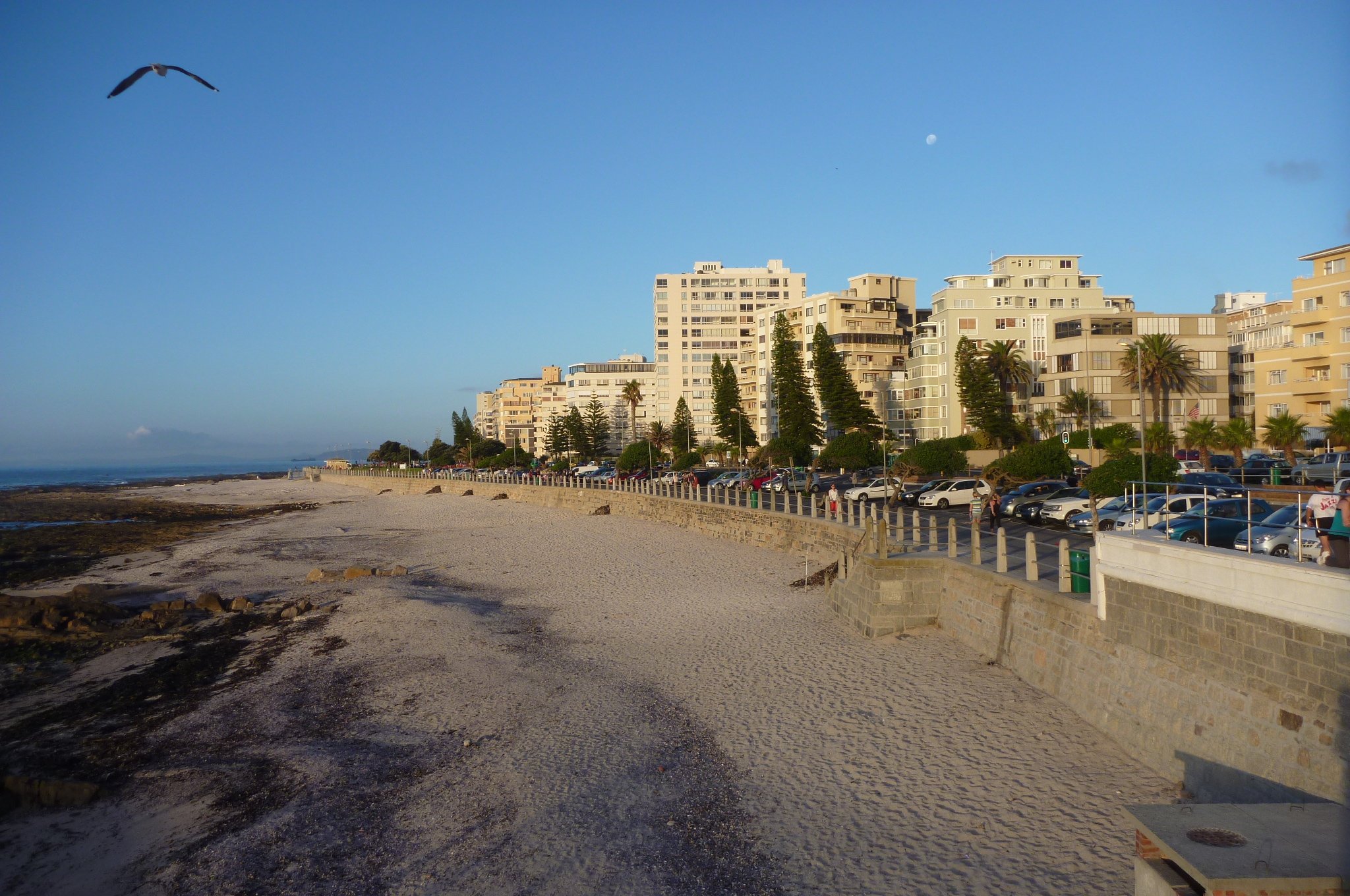
Photo: ~ souTH AFRica ~ / Wikimedia Commons, CC BY 3.0
- Western Cape residents live the longest of any province, says Stats SA
- Its maths pass rate is the best in the country
- Cape house prices grew far faster than the national average since 2010
Stats SA expects 318,953 more people to move into the Western Cape than out of it between 2021 and 2026. Only Gauteng, a province more than twice its size, gains more.
Nobody ordered these people to come, and nobody paid them. They moved at their own cost, leaving homes in other provinces for a new start in the Cape. In politics, that is the most honest vote there is.
This column argues for a self-governing Western Cape, and today the argument is simple. Look at why people come. Then ask who should run the place they are coming to. (If you are new to the idea, our guide to Cape independence covers the basics, and the whole Cape independence debate has its own page.)
Why is everyone moving to the Western Cape?
Start with the official numbers. In its 2025 population estimates, Stats SA says the Western Cape will take in 500,347 people from other provinces and abroad over five years. About 181,000 will leave.
The biggest single stream comes from the Eastern Cape. Nearly 173,000 people are expected to make that trip. Another 115,000 or so are coming from Gauteng.
Stats SA also finds that people in the Western Cape live longer than anywhere else in the country, for men and for women.
| Province | Net migration, 2021 to 2026 | Life expectancy, men | Life expectancy, women |
|---|---|---|---|
| Western Cape | +318,953 | 67.6 | 72.2 |
| Gauteng | +786,903 | 65.3 | 71.2 |
| North West | +108,422 | 59.7 | 66.0 |
| Mpumalanga | +82,492 | 62.8 | 67.7 |
| KwaZulu-Natal | +31,476 | 59.3 | 65.4 |
| Northern Cape | +7,232 | 59.5 | 66.2 |
| Free State | −12,978 | 57.3 | 64.2 |
| Limpopo | −157,692 | 64.0 | 68.7 |
| Eastern Cape | −299,462 | 61.5 | 67.6 |
A man born in the Western Cape can expect to live about ten years longer than a man in the Free State. Gaps like that build up over a lifetime, one clinic visit and one glass of clean water at a time.
Is Cape Town really the best city in the world?
Two big surveys said so in 2025. Time Out asked more than 18,500 people about food, culture, value for money and happiness, and Cape Town came first. The Telegraph Travel Awards, voted by more than 20,000 British readers, gave it the same title.
In 2026, Time Out placed Cape Town sixth. It was the only African city in the top 10, ahead of Tokyo, Seoul and Bangkok.
Those lists measure how a place feels to live in and visit. That feeling does not come from the mountain alone. It comes from parks that are mowed, beaches that stay clean and streets that are lit.
Does Cape Town still have a water problem?
In 2018, the world watched Cape Town count down to Day Zero, the day the taps would run dry. It never came, because residents cut their use by huge amounts and the city managed the crisis.
 Read nextGlobal money already backs the Cape. Imagine it with its own terms
Now look at the dams. In the last week of September 2026, the six big dams that feed the city stood at 75.72%. Theewaterskloof, the largest, was at about 76%.
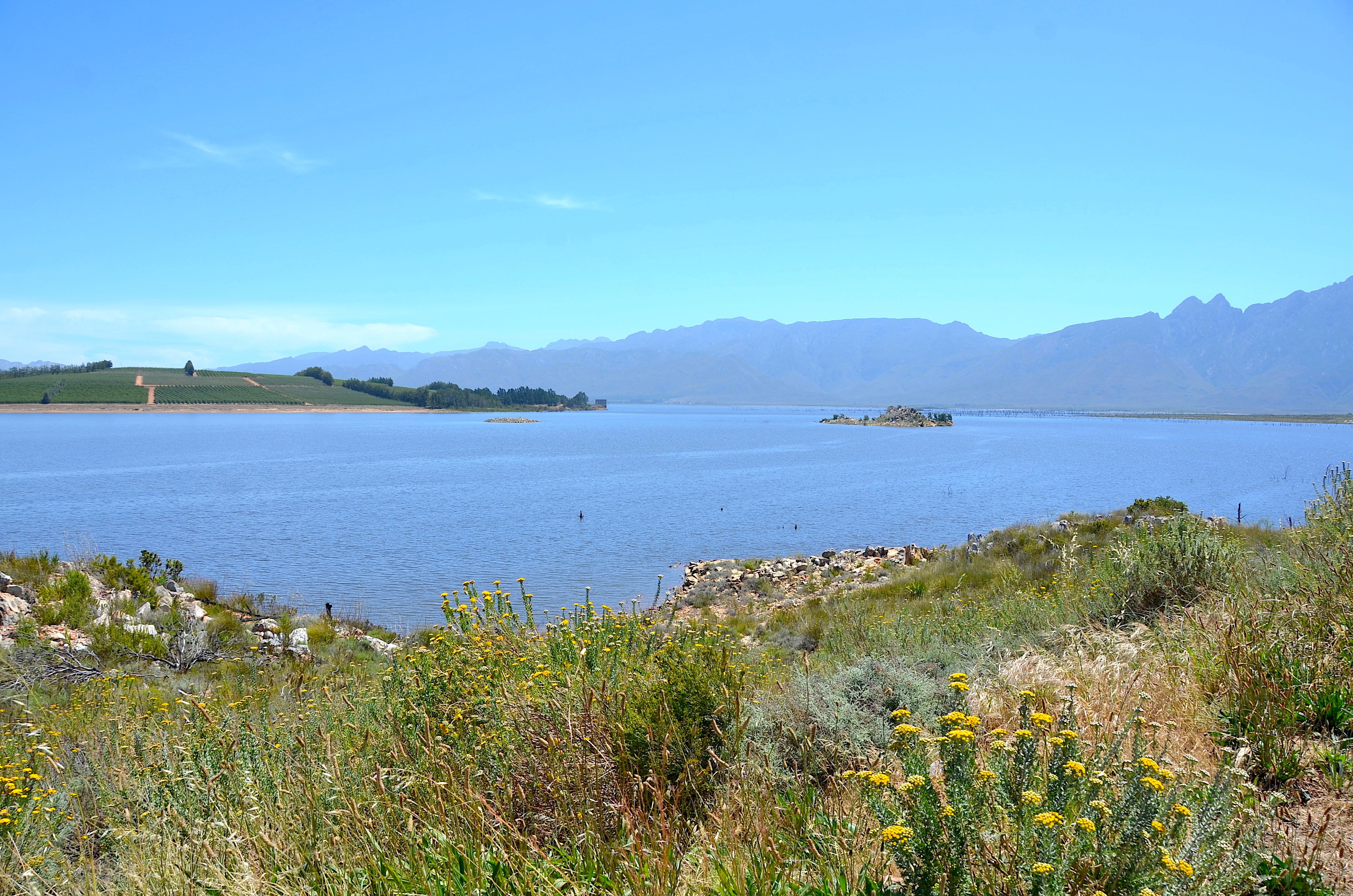
Photo: Olga Ernst / Wikimedia Commons, CC BY-SA 4.0
That was after a dry winter, and the city will decide on water rules this month. But it is not standing still. Its New Water Programme aims to add 300 million litres a day from new sources. Those are cleaned and reused water, groundwater, seawater, and clearing thirsty alien trees from the mountains.
The tree clearing alone frees up about 18.8 billion litres a year, the city says. Water now pumps from the deep Table Mountain Group aquifer. A plant at Faure is planned to turn treated wastewater into up to 70 million litres of drinking water a day.
The deadline for the full programme has slipped to 2031. Even so, this is a city planning for the next drought instead of hoping it skips them.
Is MyCiTi any good?
Ask the people who use it. In March 2024 alone, MyCiTi buses carried 1,655,882 passenger trips, the City of Cape Town says. On an average weekday, that was about 64,000 trips.
The next phase will link Mitchells Plain and Khayelitsha with Wynberg and Claremont. Those are the areas where long, costly commutes hurt most.
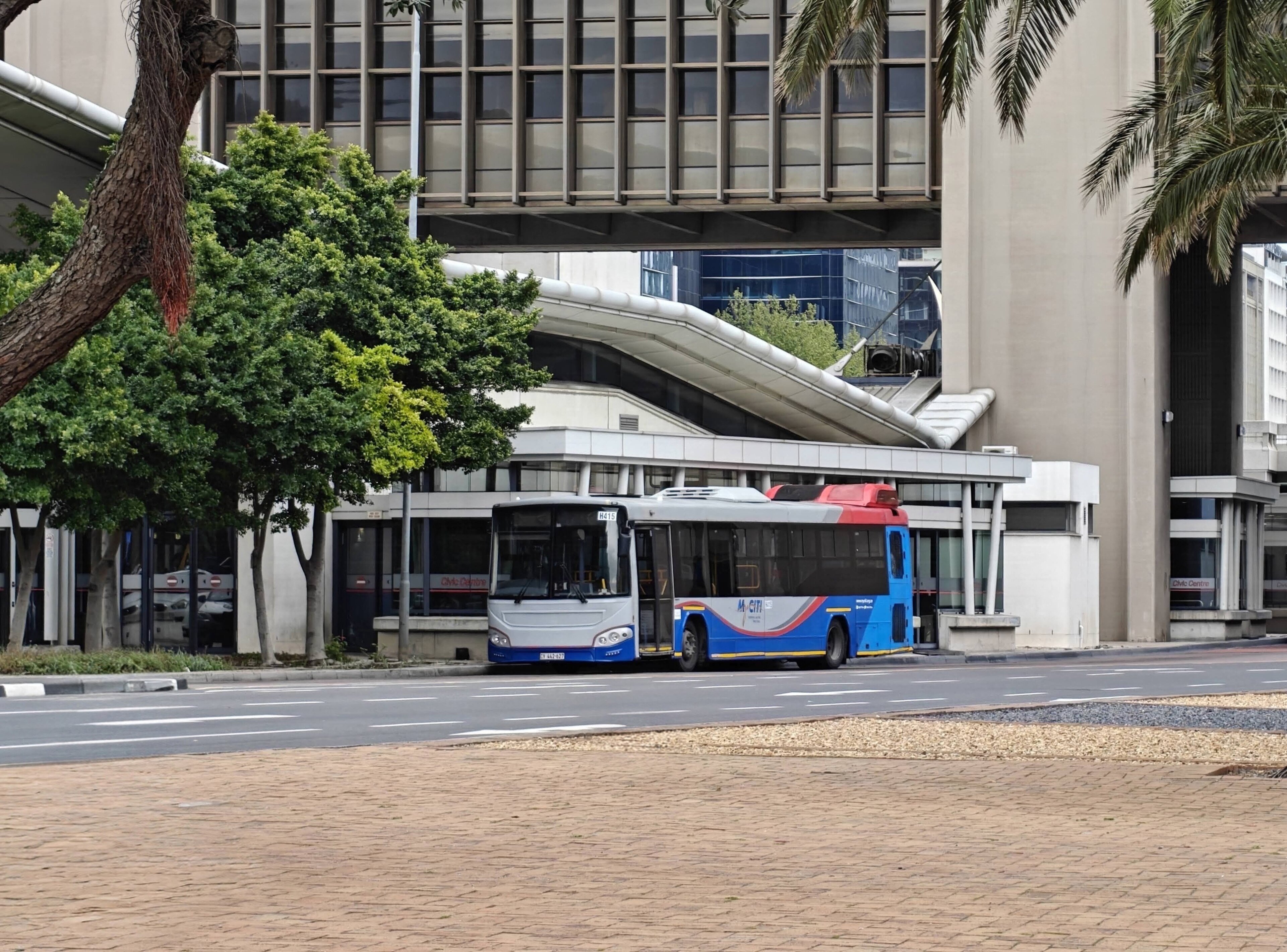
Photo: Husskeyy / Wikimedia Commons, CC BY-SA 4.0
National Treasury is changing the grant that pays for city bus networks. So one of the best-run bus systems in the country now waits on a decision made in Pretoria.
Are schools in the Western Cape better?
In January 2026, the Western Cape's class of 2025 set a record pass rate of 88.2%. On the headline rate it placed fifth among the provinces. On the harder tests, it led.
The province had the best maths pass rate in South Africa, at 73.7%. Nearly half its matrics, 49.2%, earned a bachelor's pass, the second highest in the country. It also kept the most learners in school until matric. And the top matric in the whole country, Abigail Kok, came from York High School in George.

Photo: Vgrigas / Wikimedia Commons, CC BY-SA 3.0
Hospitals tell a similar story. In 2018/19, the Western Cape health department became the first in South Africa to get a clean audit. A clean audit means the books are in order and the money went where it should.
Is the Western Cape safe?
Crime is the Cape's hardest fight, and nobody here pretends otherwise. But the province did not wait for someone else to fix it.
 Trending nowPetrol broke R30 a litre. We followed the money
In 2019, Premier Alan Winde launched the Western Cape Safety Plan. Its goal is to halve the murder rate by 2029. Its main tool is LEAP, the Law Enforcement Advancement Programme. LEAP puts extra officers into the areas with the most murders, chosen by data.
The province has put more than 1,200 extra officers on the ground to support SAPS, says Anroux Marais, the provincial minister for community safety. In just five weeks this autumn, from late April to the end of May, LEAP teams ran more than 2,500 hotspot patrols and made 1,046 arrests.
Under the Constitution, policing is a national job. The province and the City of Cape Town still pay for LEAP from their own budgets.
Why is Cape Town so expensive?
Because everyone wants to be here. That is the short answer, and it is the honest one.
Economist John Loos, using Stats SA data, found that Western Cape house prices rose 179.6% from January 2010 to September 2025. The national average was 109.4%. Gauteng was 79.7%. Rents in the province rose 128.6% over a similar period, against 83.2% in cities nationally.
That hurts. Young people and families feel it most, and Loos says the flood of newcomers may be slowing as prices bite. Critics say that proves the Cape is only for the rich.
The prices point the other way. They climb where people want to live. Nobody bids up houses in towns where the water fails and the council is broke. A housing squeeze is what success costs, and the fix is to build more homes, faster. That is something a local government with real power could do far better than one waiting on Pretoria.
What would a free Cape do with all this?
Every number in this column was won with limited powers. The province does not control the police. It does not set its own taxes. It waits on national grants for its buses.
Now picture the same province with full control over policing, rail and building rules. Picture it keeping more of the taxes its people pay.
Hundreds of thousands of South Africans have already decided where they want to live. They chose with their own money and their children's futures. The Western Cape should be trusted to run the place they chose.
Get the stories that hit your pocket
Petrol, SARS, Eskom, grants and the news everyone is talking about. One short email every weekday at 6am.
Free. One email each weekday. Unsubscribe anytime.Sources17
- Stats SA, Mid-year population estimates 2025 (migration streams and life expectancy by province)
- BusinessTech, Cape Town named Time Out's best city in the world for 2025
- Time Out, Cape Town in the world's best cities for 2026
- Weekend Argus, Telegraph Travel Awards 2025 name Cape Town best city
- EWN, Western Cape dam levels, week to 29 September 2026
- EWN, City to decide on water restrictions in October
- Engineering News, Cape Town's New Water Programme progress (March 2026)
- IOL, New Water Programme timeline moves to 2031
- City of Cape Town, Steady increase in demand for MyCiTi (April 2024)
- Weekend Argus, MyCiTi and Phase 2A to the metro south-east
- Weekend Argus, Treasury funding changes for MyCiTi
- Western Cape Education, 2025 matric results (12 January 2026)
- Western Cape Government, first clean audit for a health department (2018/19)
- Western Cape Government, LEAP results 27 April to 31 May 2026
- Daily Maverick, Winde's safety plan to halve murder by 2029
- MyProperty, John Loos on Western Cape house prices and rents (March 2026)
- EWN, Soaring house prices cool the semigration boom (June 2026)
Keep reading
 PoliticsThe Cape trades like a country. It should get to act like one
 PoliticsSA lost jobs. The Cape added 91,000. Imagine it with its own rules
 PoliticsThe Cape keeps SA's cleanest books. Why not let it run itself?