24 cars burned in one day. Now they want South Africa's top court to surrender
The government blamed "false information". The marchers blamed the court. And many South Africans blamed the way the world told the story.
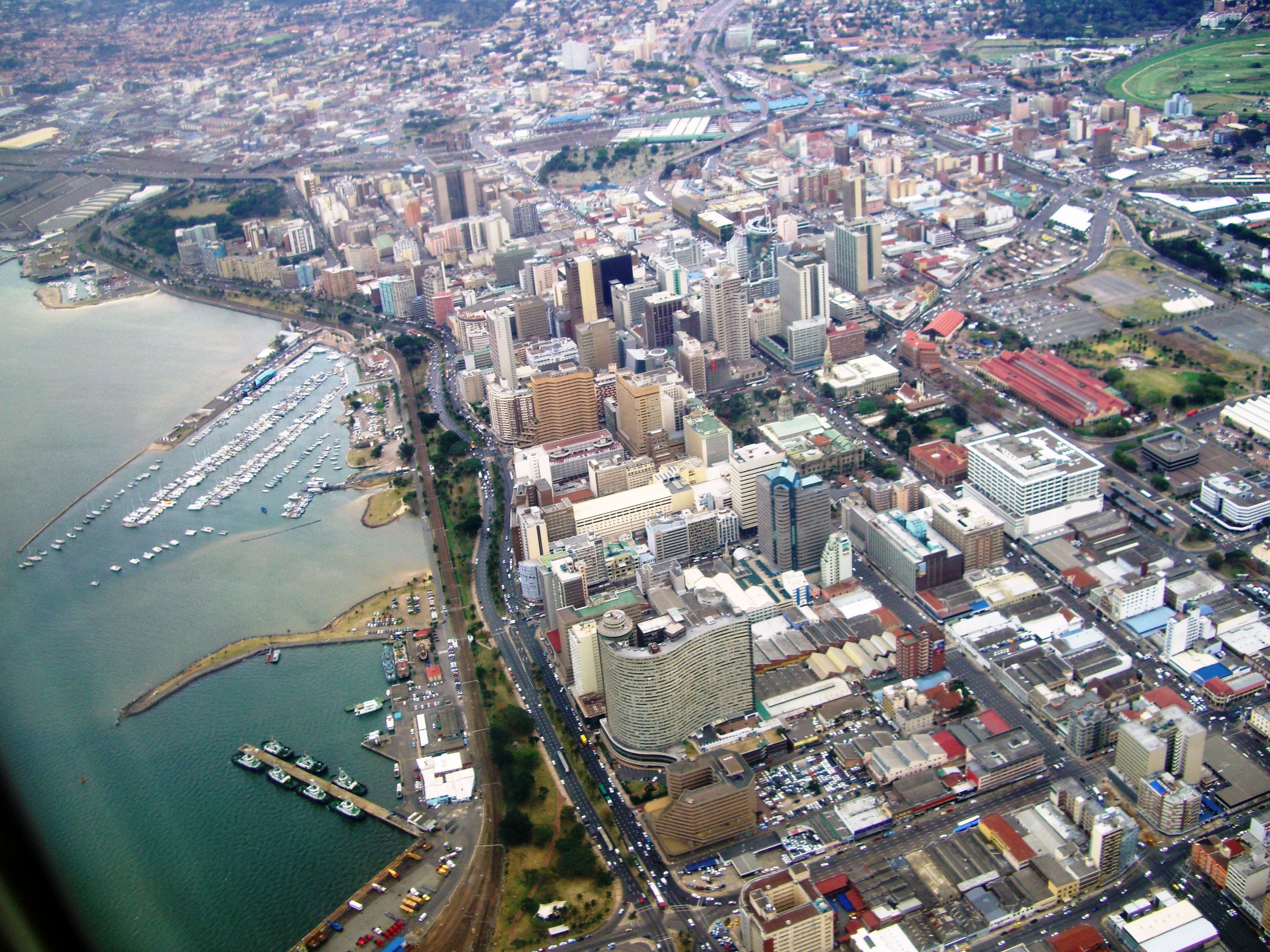
Photo: Esther Dyson / Wikimedia Commons, CC BY 2.0
- Police counted 24 burned vehicles in two cities in one day
- Marchers say the U-turn is not enough
- Many South Africans are furious about how foreign media covered it
Twenty-four vehicles.
That is how many were set alight in Soweto and Durban on Thursday 8 October, according to Acting National Police Commissioner Lieutenant General Puleng Dimpane. She put the count at 10 in Johannesburg and 14 in Durban, Al Jazeera reported.
Foreign-owned shops were looted. In Soweto, residents carried groceries out of a shop they said belonged to a Somali national. In Durban, AFP reporters saw police fire rubber bullets to break up the crowds.
The next morning, Home Affairs took back the asylum order at the centre of the anger. It did not end there. By lunchtime, marchers were walking through Durban's city centre.
What happened in Soweto and Durban?
Reports from Reuters, AFP and Al Jazeera agree on the outline. Anti-immigration protests turned violent in two cities on the same day. Cars burned. Shops run by foreigners were looted or forced to close.
A Reuters reporter counted five torched cars in central Durban, fewer than the police figure for the whole city. AFP reporters said a business run by foreigners in Durban was reportedly set on fire.
Three people were arrested in Durban. Reuters reported that they were foreign nationals, held over an alleged assault on a protester.
No deaths were reported in the coverage we read.
Many South Africans online asked why the first reports did not mention guns. Reuters did report gunshots during clashes between residents and foreign shopkeepers in Soweto. It did not say who fired them, and police have not said either.
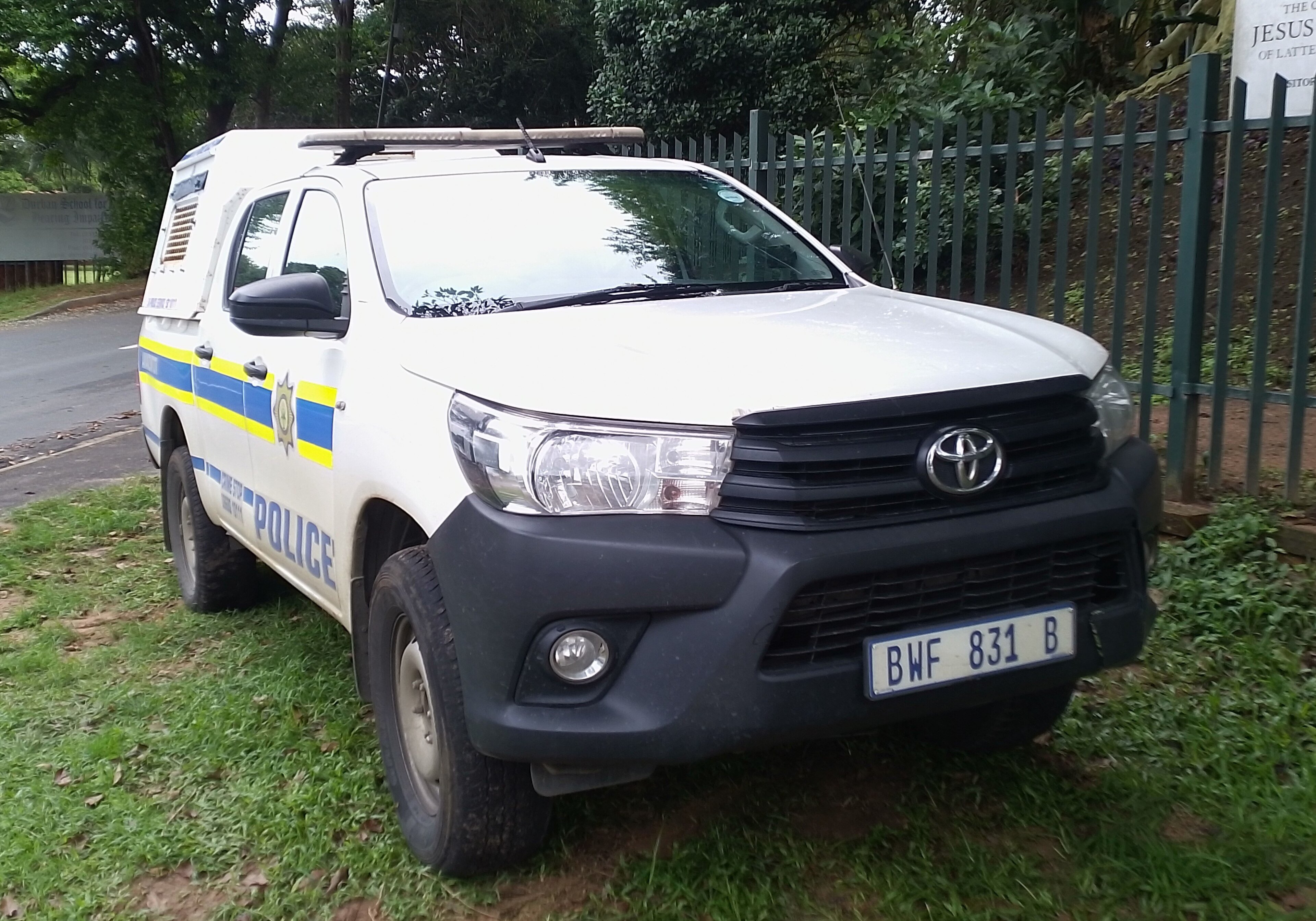
Photo: Bob Adams / Wikimedia Commons, CC BY-SA 2.0
Why are people protesting about asylum seekers?
It goes back to one court case. On 7 July the Constitutional Court ruled in the Scalabrini case. It struck down rules that let officials turn people away for coming in without papers or for missing the five-day deadline to report.
On 28 September, Home Affairs told every refugee office to accept undocumented asylum seekers. Queues grew. Eleven days later it withdrew the order. We tell that part in full in how the 11-day asylum directive fell apart.
Here is how the weeks built up.
| Date | What happened | Source |
|---|---|---|
| 7 July 2026 | Constitutional Court rules in the Scalabrini case | Constitutional Court |
| 4 September | A Durban anti-migrant march turns violent. A community leader says five Congolese people were hurt | Africanews |
| 28 September | Home Affairs tells refugee offices to accept undocumented asylum seekers | TimesLive |
| 7 October | About 1,000 people queue at the Durban refugee office. Men with sticks and sjamboks arrive and the queue scatters | EWN |
| 8 October | Police say 24 vehicles are torched in Soweto and Durban. Foreign-owned shops looted | Al Jazeera, Reuters, AFP |
| 9 October | Home Affairs withdraws the directive | Department of Home Affairs |
| 9 October | Marchers walk through Durban's city centre and demand the court ruling be reversed | MDN News |
What do the Durban marchers want?
They say the U-turn changes nothing. A clip of the march, shared by MDN News on Friday, said protesters called the withdrawal not enough. They want the Constitutional Court to reverse its ruling.
That demand matters. Home Affairs can cancel its own letter. It cannot cancel a court order. Only the court, or a change to the law by Parliament, can do that.
On Thursday, protesters had also demanded that refugee centres stop processing asylum applications, Al Jazeera reported.
The marchers' words online were blunt. One person wrote that they were South Africans marching against illegal immigration. Another said people are "very hungry and pissed". A third wanted the Constitution rewritten "to benefit the citizens". Another warned: "This is just the beginning."
On 7 October, the leader of the group Insizwa Nobunsizwa told EWN they had come to demonstrate peacefully against the ruling.
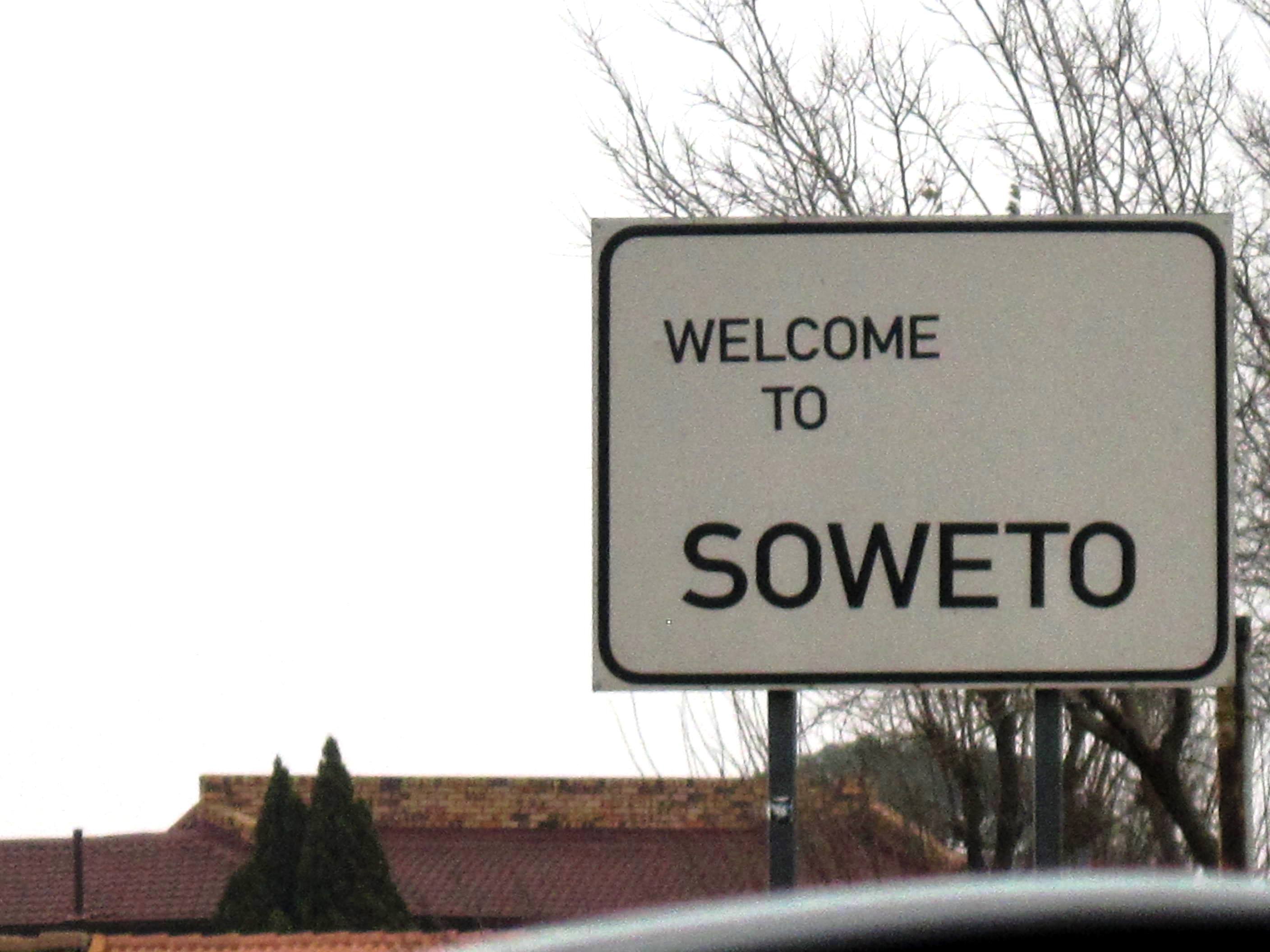
Photo: Nolabob / Wikimedia Commons, CC BY-SA 4.0
What does the government say?
It blames lies. Government spokesperson William Baloyi said the violence was sparked by people spreading "deliberately false information" about the court ruling, Al Jazeera reported.
He said the ruling does not give anyone automatic refugee status or permanent residence. It only gives people the right to apply. "We are deeply concerned by what is going on now," he said.
The Inter-Ministerial Committee on Migration held an urgent briefing on crowded asylum offices. Dimpane condemned the destruction, and police sent in reinforcements.
The coverage we read had no direct words from the foreign shop owners. What it shows is shops closed in both cities, and owners who fled when the crowds came.
Why are South Africans angry at the BBC?
The BBC's headline, "Cars torched and shops looted as anti-migrant violence erupts in South Africa", was seen more than 870,000 times on X.
Hundreds replied, and many were South Africans who felt painted as the villains. One wrote that the BBC never misses a chance to write something bad about South Africa. Another said the wording made South Africans "the bad guys". Others asked reporters not to cover what they had not seen.
Many used one word for what they see at home. That word was "lawlessness". Their anger is at both. They are angry at the violence, and at a world that only notices South Africa when something burns.
This is not the first time British coverage has stirred a fight. We looked at another one in the BBC pay row.
Has this happened in South Africa before?
Yes, and the past waves were far deadlier than this one so far.
| Year | Where it started | Deaths reported | Source |
|---|---|---|---|
| May 2008 | Across the country | 62 | Daily Maverick, FairPlanet |
| April 2015 | Durban, then Johannesburg | 7 | Al Jazeera, Daily Maverick |
| September 2019 | Jeppestown, Johannesburg | 12 | Daily Maverick |
The monitoring project Xenowatch counted at least 309 people killed in xenophobic violence from 1994 to the end of 2018, Bloomberg reported.
In September 2019, it began with the looting of foreign-owned shops in Jeppestown, Daily Maverick's timeline shows. That is why this week's looting worries so many people.
What happens next?
The directive is gone, but the court order still stands. Home Affairs says it will start a fresh process to obey it, with no date given.
That means the thing the marchers hate most is not going away. Baloyi says it was never what people were told it was. The marchers say they will keep coming back.
Twenty-four burned cars in one day. A U-turn by Friday morning. A march by Friday afternoon. The government now has to answer two voices at once, the court and the crowd in the street.
Sources10
- BBC News (World): Cars torched and shops looted as anti-migrant violence erupts in South Africa (9 Oct 2026)
- MDN News: Anti-illegal immigration march through Durban CBD (9 Oct 2026)
- BBC News: Cars torched and shops looted as anti-migrant violence erupts in South Africa
- Al Jazeera: South Africa protests turn violent amid rage over asylum ruling (8 Oct 2026)
- Reuters (via Global Banking and Finance): South Africa blames disinformation as anti-migrant protests turn violent
- EWN: Tensions flare in Durban as anti-illegal immigration groups turn away foreign nationals (7 Oct 2026)
- Africanews: Injuries as violence erupts at South Africa anti-migrant protest (4 Sep 2026)
- Daily Maverick: Timeline of xenophobia in South Africa
- FairPlanet: Timeline of xenophobic incidents in South Africa
- Al Jazeera: Johannesburg violence, September 2019 (with the 2015 figures)
The week's biggest stories, every Monday
One email. The stories everyone will be talking about, before they do.
Free. One email a week. Unsubscribe anytime.Keep reading
 PoliticsAre foreigners registering to vote ANC? What the IEC checks
 PoliticsZondo traced R57 billion. Almost nobody has paid for it
 PoliticsA Cape Town municipal bill, line by line, and where the money goes