Your identity, a stranger's face: The R100,000 passport trick Home Affairs staff are accused of selling
The passports were real. The names and ID numbers belonged to real South Africans. Only the faces were wrong. Here is what the state says, what it has not said, and what angry South Africans are asking.

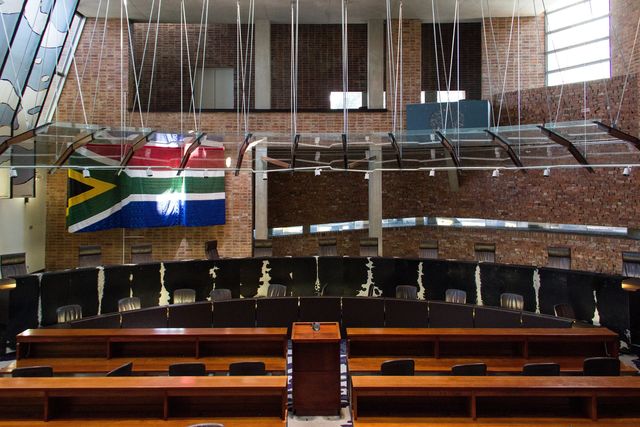
Photo: Staff photographer in the employ of the Democratic Alliance / Wikimedia Commons, CC BY-SA 3.0 za
- A real citizen's ID details plus a foreign face on the photo
- Passports were sold for up to R100,000 each
- The state has not yet named the two or said how many passports
Your name. Your ID number. Someone else's face.
That is the trick Home Affairs says a syndicate used to sell real South African passports to foreign nationals for up to R100,000 each. On Monday 12 October 2026 the department said two former employees had been arrested.
The government posted the news on X the next day. The replies were angry. People wanted to know where the passports are now, why only two people were caught, and where the court cases are.
We went through what the state has said. Some questions have answers. Some do not yet.
What is "photo swapping" and how did it work?
Photo swapping means a passport is issued with a real South African's identity details but a different person's photograph.
Home Affairs says the syndicate used the identity details of legitimate citizens. It then got passports printed with the photos of foreign nationals. The passport looks genuine because it is genuine. The department itself issued it.
The department blames an old, manual process. A person at a counter could capture one set of details and attach a different photo, and nothing in the system stopped it.
In earlier cases, the people whose details were borrowed were paid very little. In a case sentenced in 2023, South Africans who lent their identities were paid R500 each, according to the department. The foreign buyers paid far more.
What has the state announced, and what has it left out?
The announcement came from Home Affairs and was carried by the government news service, SAnews. It says the two former officials are linked to a syndicate that issued passports fraudulently to foreign nationals. A joint team from the department's Counter Corruption Unit and the Hawks investigated. The syndicate was uncovered in 2022.
That means four years passed between the discovery and this announcement.
 Read nextThe Madlanga commission turned on IDAC. Here is what it found
Here is what was not in the statement or in the news reports we could find:
- The names of the two former officials
- The charges and the court date
- How many passports were issued
- Whether those passports have been cancelled
Those gaps drive most of the anger online. We will update this story when the Hawks or the National Prosecuting Authority fill them in.
Is this the same case as the arrests in September?
We cannot say. In September 2026 the NPA announced the arrest of two Home Affairs officials under a Hawks operation called Project Humulani. The NPA said foreign nationals paid R50,000 to R100,000 for a South African passport. We covered that case in our passport ranking explainer, where several hundred passports were reported blocked and cancelled.
The October announcement describes former employees and a syndicate found in 2022. It does not mention Project Humulani. The two cases may be linked or they may not. Treat them as separate until the state says otherwise.
Photo-swap passport cases in South Africa since 2022
| Date | What happened | Status |
|---|---|---|
| March 2022 | A Hawks sting at the Krugersdorp office. A syndicate leader was caught with passports meant for Pakistani nationals | Leader sentenced to 8 years. Twelve officials fired and referred to the Hawks (SAnews, Oct 2023) |
| Nov 2022 | Two Queenstown officials arrested. They processed 52 passports, mostly for people from the DRC | Sentenced in 2023 to 26 and 24 years in total, but 10 and 8 years effective. Passports surrendered to the State |
| Feb 2026 | The SIU describes a passport scheme found with Interpol, using real citizens' fingerprints and foreign photos | Under investigation |
| Sept 2026 | Two officials arrested under Project Humulani. The NPA says buyers paid R50,000 to R100,000 | Several hundred passports reported blocked and cancelled. These are charges, not convictions |
| 12 Oct 2026 | Two former employees arrested. Syndicate uncovered in 2022. Up to R100,000 per passport | No names, charges, court date or passport count published yet |
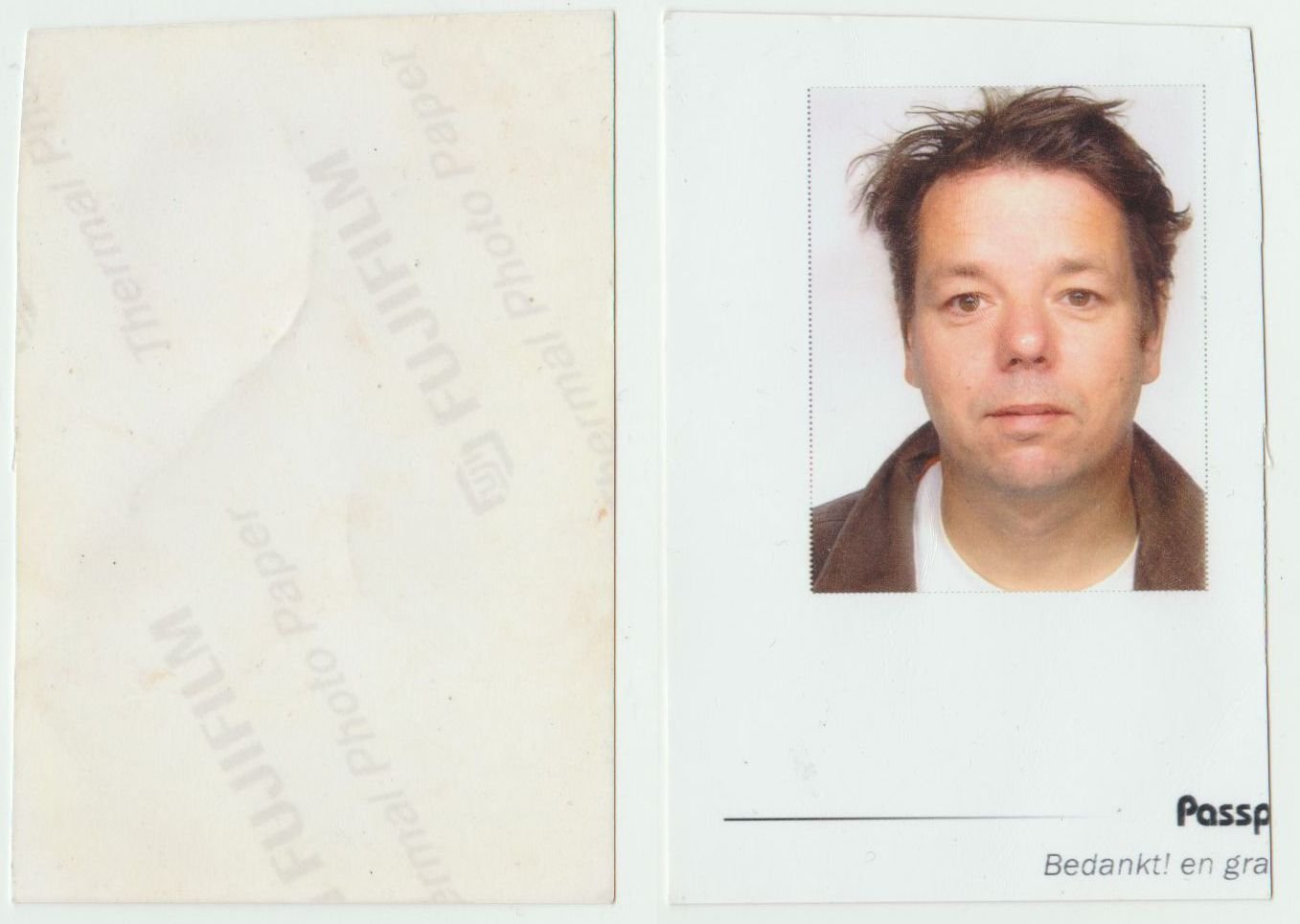
Photo: Marcel Douwe Dekker / Wikimedia Commons, CC BY-SA 4.0
How is Home Affairs trying to close the loophole?
The department says biometric verification now links every applicant to their identity from start to finish, including when the photo is taken. In plain words, the system checks that the person at the counter is the person on the record.
Minister Leon Schreiber says the reforms are meant to make sure fraud and corruption are "prevented by design". He says the aim is to stop the damage, not just find it afterwards.
The department also points to its Digital Partnership with banks, which lets people apply for a Smart ID card at their bank. That cuts the number of times a person has to deal with a counter official.
The department says that since the start of the seventh administration, 98 officials have been dismissed and 42 arrested.
Will Home Affairs track down the foreign nationals who got these passports?
This is the question most readers asked, and the honest answer is that the state has not said.
What we know from earlier cases is that courts have ordered fraudulent passports handed to the State. In the 2023 Queenstown case, the court ordered all 52 passports surrendered. For the Project Humulani case, several hundred passports were reported blocked and cancelled.
 Trending nowPetrol broke R30 a litre. We followed the money
For this week's case, nobody has published a passport count or a cancellation figure. Until they do, "will you track them down?" is a fair question with no public answer yet.
When will Home Affairs audit every passport application?
There is no announced audit of all past passport applications.
The department points instead to what it calls a move from detecting fraud after the fact to preventing it. That helps with new applications. It does not tell anyone what happened to old ones. One person replying online said "there are thousands more." We cannot confirm any "thousands" figure. No official number exists in what has been published.
So where are the court cases? Some have ended. The Queenstown officials and the Krugersdorp ringleader were sentenced in 2023. A former Pietermaritzburg worker was convicted on 264 charges this year and is back in court on 13 November. For the two people arrested this week, no court date has been made public.

Photo: PHP Ninja / Wikimedia Commons, CC BY-SA 4.0
Can a foreigner with one of these passports vote on 4 November?
This worry is spreading fast, so here is what the rules say.
A passport does not give anyone the right to vote. To vote in South Africa you must be a citizen and be on the voters' roll. The Electoral Commission (IEC) says you need a green barcoded ID book, a Smart ID card or a temporary ID certificate. Passports are not accepted at voting stations. Registration for these elections has also already been through its drive, so a person cannot simply turn up.
The IEC scans your ID at the station to check that your name is on the roll for that station. You can read the full steps in our guide to the 4 November local elections.
That is the clean answer on passports. The harder question is about ID documents, because a photo swap starts with a real person's identity. The sources we found do not say whether any of these cases touched the voters' roll, and nobody has claimed that they did.
What does this mean for ordinary South Africans?
For a real citizen whose details were used, the damage can be quiet and ugly. In the 2023 cases, the minister warned that people who lend their identities can end up blocked by banks and SASSA, because those systems check the National Population Register, which holds the latest photo.
Passport fraud also hurts honest travellers. Our look at where the SA passport can still go without a visa shows why trust in the green book is already low. For another Home Affairs fight that ended up in court, see what happened when Home Affairs pulled its asylum directive.
Here is the part that should keep you up at night. The lock on a passport is the face on page two. For years, the person who could swap that face did not have to break a single system. They only had to sit at the right desk. Two of those people are now arrested. The department says this syndicate came to light in 2022. How many other desks were there?
Liked this story? Get the next one free.
One short email every weekday at 6am. The top stories, before everyone is talking about them.
Free. One email each weekday. Unsubscribe anytime.Sources6
- SAnews, Two former Home Affairs employees arrested for fraudulently issuing passports (12 Oct 2026)
- The Citizen, Passport fraud syndicate busted (13 Oct 2026)
- Polity, Former Home Affairs officials arrested for issuing fraudulent passports (12 Oct 2026)
- SAnews, Motsoaledi welcomes sentences in passport fraud cases (2 Oct 2023)
- SAnews, SIU findings on the immigration system (Feb 2026)
- Electoral Commission of South Africa, who may register and vote
Keep reading
 PoliticsTitle deeds for 2.5 million hectares, three weeks before the election
 PoliticsTrump's Russian diesel deal, converted into barrels, and the backlash
 PoliticsTrump says he held back on Clinton, Obama and Biden. Read the line that came next