The Cape already keeps the cleanest books in South Africa. So why can't it run itself?
Every year the Auditor-General marks the country's books. Every year one province comes out on top. At some point, a pattern stops being luck and starts being a case.
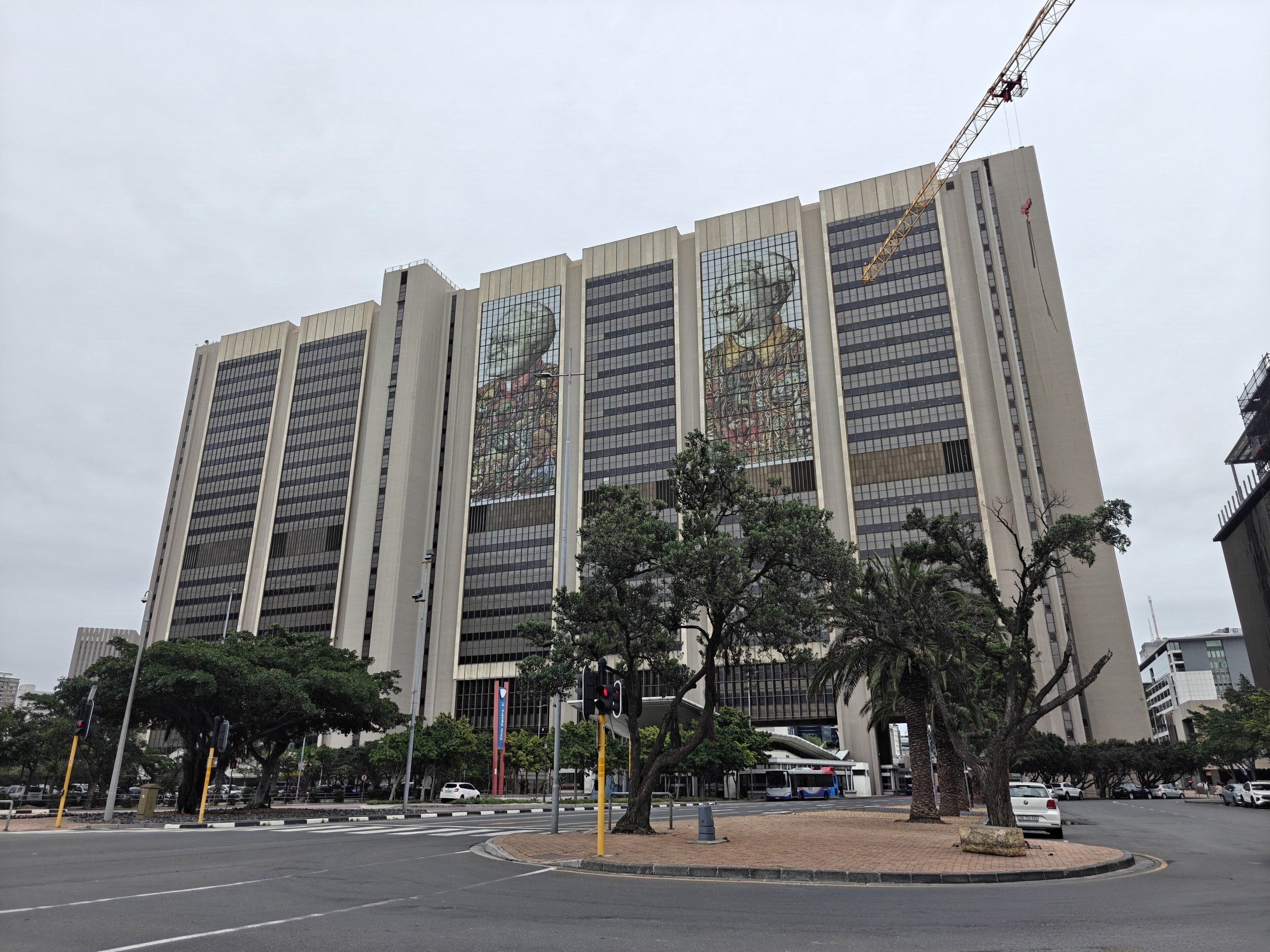
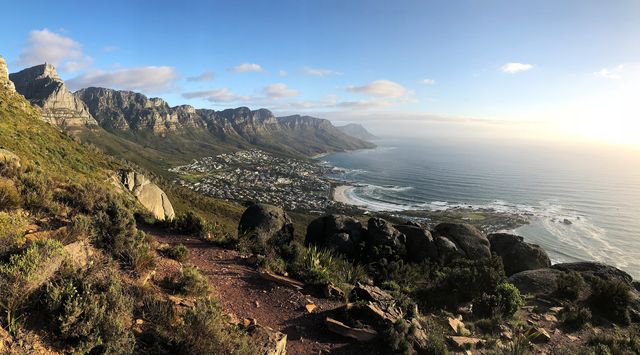
Photo: Husskeyy / Wikimedia Commons, CC BY-SA 4.0
- One province holds more than half of SA's clean municipal audits
- Two provinces have not managed a single one
- 91% of Cape homes get their rubbish collected, against 63% nationally
21.
That is how many Western Cape municipalities got a clean audit for 2024/25. The rest of South Africa managed 18. All eight other provinces, put together.
The Auditor-General, Tsakani Maluleke, tabled her local government report in Parliament on 24 June 2026. Of 257 municipalities, only 39 got a clean audit. More than half of them sit in one province.
This is The Cape Case, our daily column on why the Western Cape should run its own affairs. Today's angle is the dullest one, and maybe the strongest: The books.
What is a clean audit, and why does it matter?
A clean audit is the best mark the Auditor-General can give. It means every rand is accounted for, the reports tell the truth, and the rules were followed when money went out the door.
It is not a prize for being rich. Plenty of municipalities with big budgets fail it every year. A clean audit says one simple thing: You can trust these people with your money.
Most of South Africa cannot say that. The 39 clean municipalities manage only R52.6 billion, or 8%, of the R622.5 billion that local government spends, the AG found.
Which province has the most clean audits?
The Western Cape, and it is not close.
The Free State and the North West did not get a single one. The AG said those two still hold the record for having no clean audits at all, EWN reported.
The provincial government tells the same story. TimesLive reported in March that the Western Cape led every province with 18 clean audits among its departments and entities for 2024/25. Gauteng came second with 13. The Free State and North West had three each.
Then there is the West Coast District Municipality, up near Saldanha and Moorreesburg. It has now had clean audits for 15 years in a row. No other municipality in the country has done that.
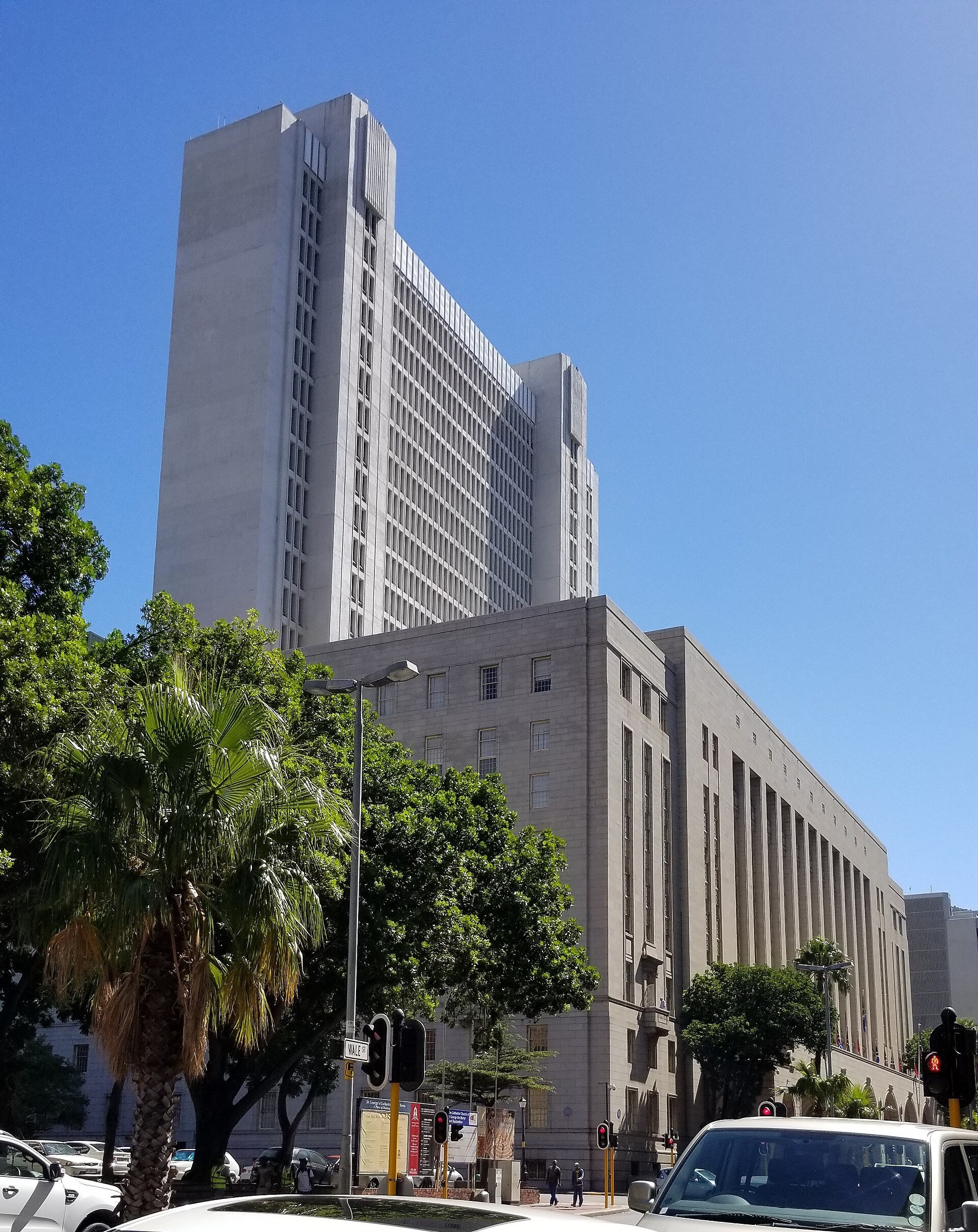
Photo: Luigi Rosa / Wikimedia Commons, CC BY-SA 2.0
Is the Western Cape the best run province?
Clean books are only worth something if they turn into running water, working lights and a bin truck that shows up. So look at the homes.
Stats SA's General Household Survey for 2025 came out in May. It asks families across the country what services they actually get. The Western Cape tops almost every line.
| Service (2025) | Western Cape | South Africa |
|---|---|---|
| Rubbish removed by the municipality | 91.1% | 62.9% |
| Connected to mains electricity | 96.5% | 90.6% |
| Flush or safe toilets | 95.9% | 84.0% |
| No water cuts in the past year | 74.8% | 43.2% |
Look at that last row again. Across South Africa, more than half of homes had water cuts in the past year. In the Western Cape, three in four had none.
Weekly water cuts hit 12.7% of homes nationally, and more than a third of homes in Mpumalanga. In the Western Cape, the figure was 0.3%.
The rubbish gap is even wider. In Limpopo, only 24.3% of homes get refuse removal. In the Cape it is 91.1%. If you want to see what that service costs on a real bill, we broke down where your municipal rates and charges actually go.
What about Cape Town losing its clean audit?
Critics will point here, and they have a point. Cape Town was the only metro in the country with a clean audit in 2023/24. For 2024/25 it slipped to an unqualified audit with findings, the same mark as eThekwini and Johannesburg.
Five Western Cape towns are also in trouble. The provincial treasury named Bitou, Prince Albert, Theewaterskloof, Kannaland and Laingsburg.
But notice who said so. The province published its own weak spots, by name, on its own website. It also noted that Cederberg climbed back to a clean audit and Beaufort West had its best result since 2016. That is what a working system looks like. It finds the problem and says it out loud.
And Cape Town's "bad" year still beat five other metros. Ekurhuleni, Tshwane, Buffalo City, Mangaung and Nelson Mandela Bay all got qualified audits, a step lower.
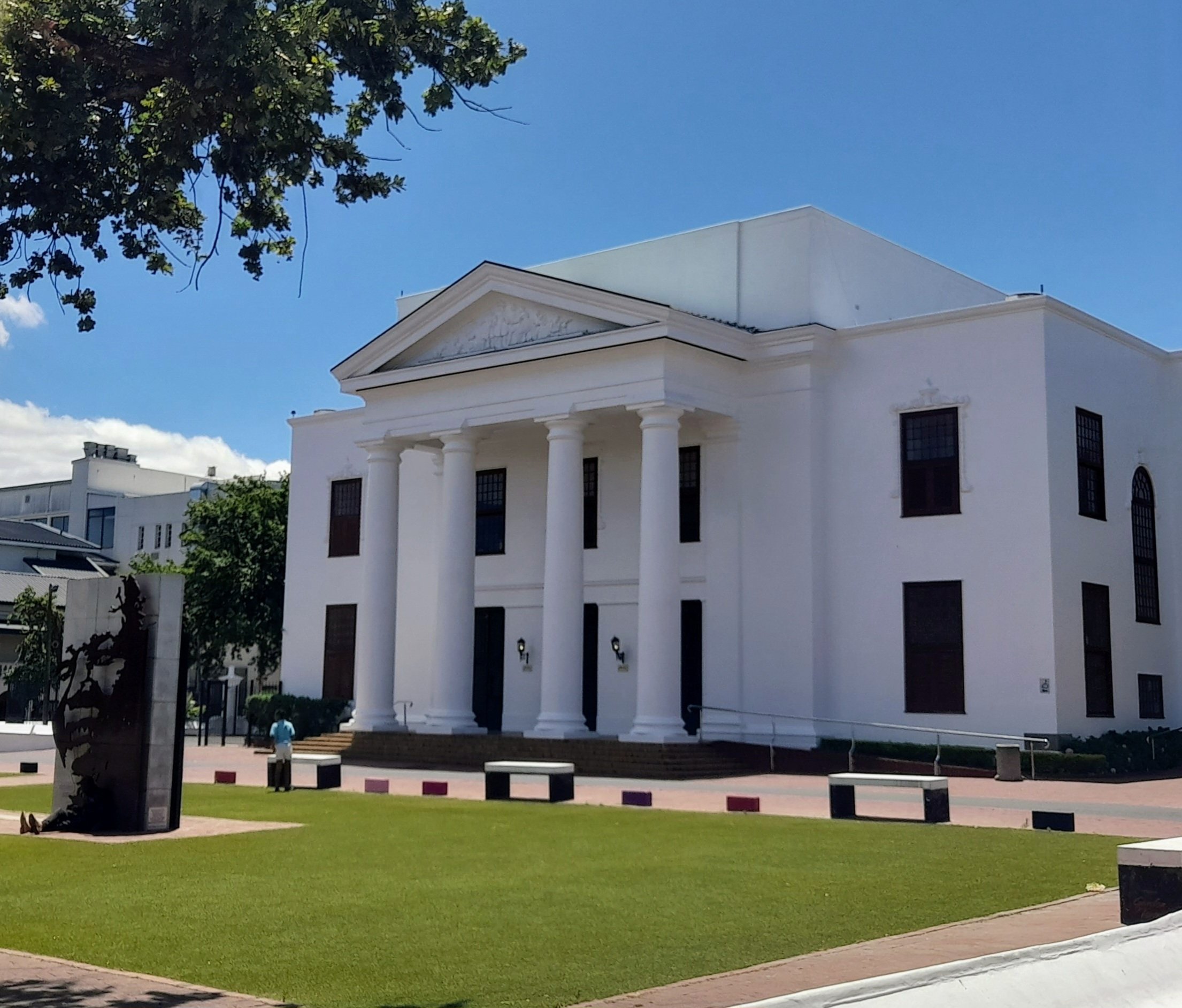
Photo: M J Hurter / Wikimedia Commons, CC0
Does the Western Cape pay more tax than it gets back?
Here the numbers get uncomfortable for Pretoria.
The Western Cape is home to about 12% of South Africans. Census 2022 counted 7.4 million people in the province out of 62 million.
But it does more than its share of the earning. The province produced 14.2% of the country's GDP in 2024, Stats SA figures show. And the 2025 Tax Statistics from SARS and the Treasury count 1.3 million registered taxpayers in the Western Cape. That is 17% of all taxpayers in South Africa.
Now look at what comes back. The province gets about 10.4% of the money National Treasury shares out between the nine provinces, IOL reported in December 2025.
That is by design. The formula sends more money to poorer provinces, and that is a fair goal. Nobody has published a full rand-for-rand count of what the Cape pays in and gets back, so we will not invent one. But the shares tell you which way the money flows.
The bigger point is control. In 2025, provincial finance minister Deidré Baartman said 95.4% of the province's budget comes from the national government. The 2026/27 budget she tabled in March is R93.5 billion. Almost all of it is decided by somebody else first.
So the province that keeps the cleanest books in the country controls less than 5% of its own income.
Could the Western Cape run itself?
It already does most of the hard part. Collecting rubbish, keeping taps running and passing an audit year after year are the boring jobs that break most governments. The Cape does them better than anyone else in South Africa, and it can prove it with the Auditor-General's own marks.
We explained the bigger independence push and what Capexit would actually take in an earlier piece. The polls, the parties and the law all matter. With local elections on 4 November, our guide to the 2026 local elections has the key dates.
But every serious country asks the same first question about a new government. Can it be trusted with money?
For the Western Cape, the answer is already on file. The Auditor-General signed it off for 21 of its municipalities and 18 of its departments and entities in a single year.
A province that can account for every rand has earned the right to decide how to spend it.
Sources12
- TimesLive, Auditor-General municipal audit outcomes 2024/25 by province (24 Jun 2026)
- TimesLive, Auditor-General PFMA audit outcomes 2024/25 by province (26 Mar 2026)
- Western Cape Provincial Treasury, Western Cape maintains strong 2024/25 municipal audit performance (4 Jun 2026)
- EWN, AG paints bleak picture of municipalities but highlights some green shoots (24 Jun 2026)
- Briefly News, West Coast District Municipality reaches 15 clean audits in a row
- Stats SA, General Household Survey 2025 (released 26 May 2026)
- Daily Investor, SARS and Treasury 2025 Tax Statistics: taxpayers by province
- Western Cape Government, Western Cape share of national GDP (Stats SA regional GDP)
- Parliament, Western Cape profile with Census 2022 population
- IOL, Western Cape receives 10.4% of the provincial equitable share (11 Dec 2025)
- Cape Times, Baartman: 95.4% of the provincial budget comes from national government (7 Apr 2025)
- EWN, Western Cape R93.5 billion budget for 2026/27 (12 Mar 2026)
The week's biggest stories, every Monday
One email. The stories everyone will be talking about, before they do.
Free. One email a week. Unsubscribe anytime.Keep reading
 PoliticsGlobal money already backs the Cape. Imagine it with its own terms
 PoliticsThe Cape wins the world on tourism. Imagine it with its own keys
 PoliticsCape Town switches on its own power plant in Atlantis