Scientists just counted 180,000 giant tortoises on one island. Where were they hiding?
One remote atoll holds more giant tortoises than a whole country holds people. The tricky part was counting the ones you cannot see.
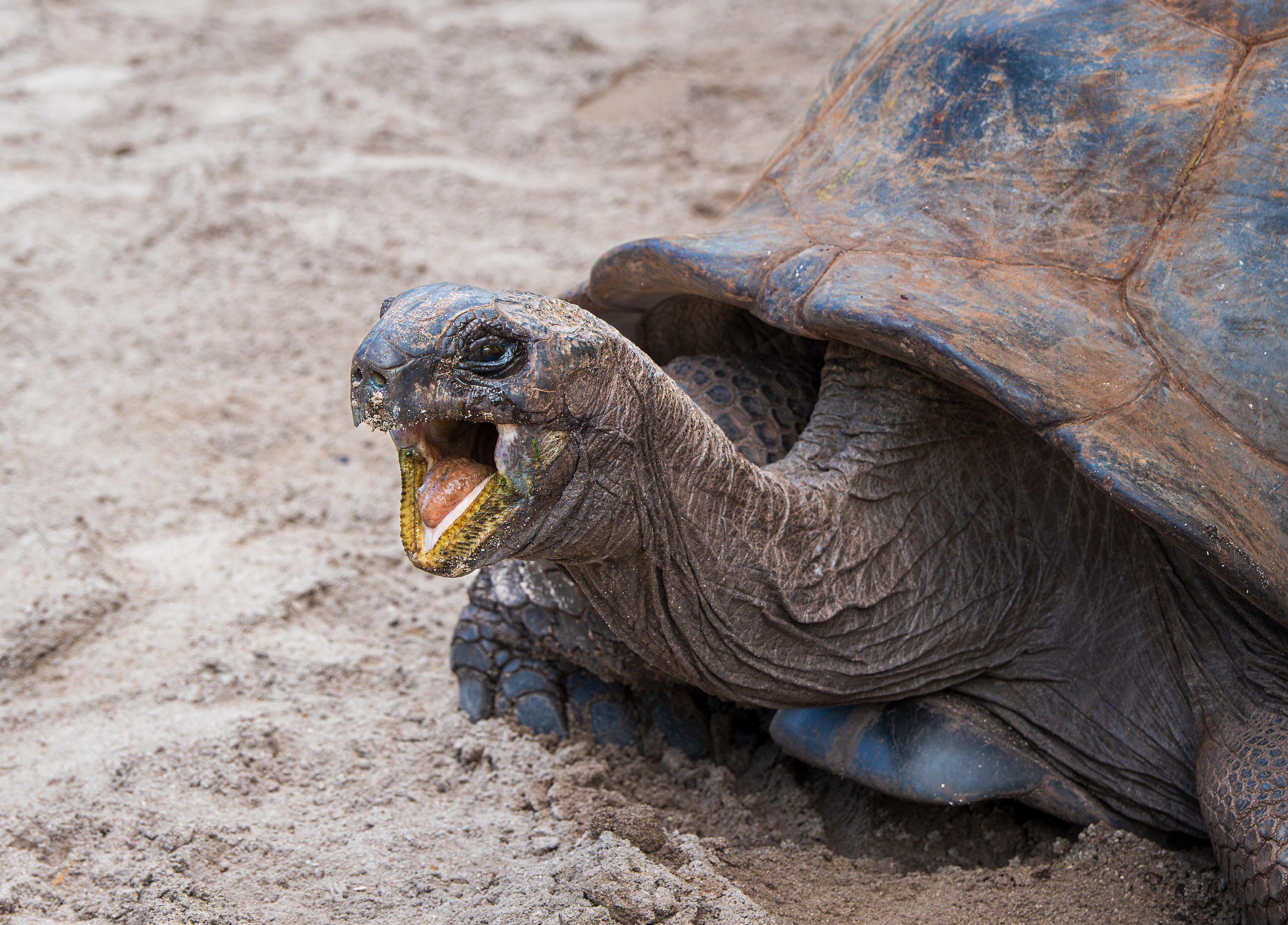
Photo: NorbertNagel / Wikimedia Commons, CC BY-SA 4.0
- One island holds more giant tortoises than Seychelles has people
- In the 1800s, fewer than 1,000 were left
- The team had to count the tortoises hiding in the bush
180,000.
That is how many giant tortoises live on one remote atoll in the Indian Ocean, according to a new count the Guardian reported this week. The best estimate in the study is almost 183,000. It is the biggest number ever recorded for the species.
The place is called Aldabra, and it belongs to Seychelles. The whole country has about 122,000 people. The tortoises win by tens of thousands.
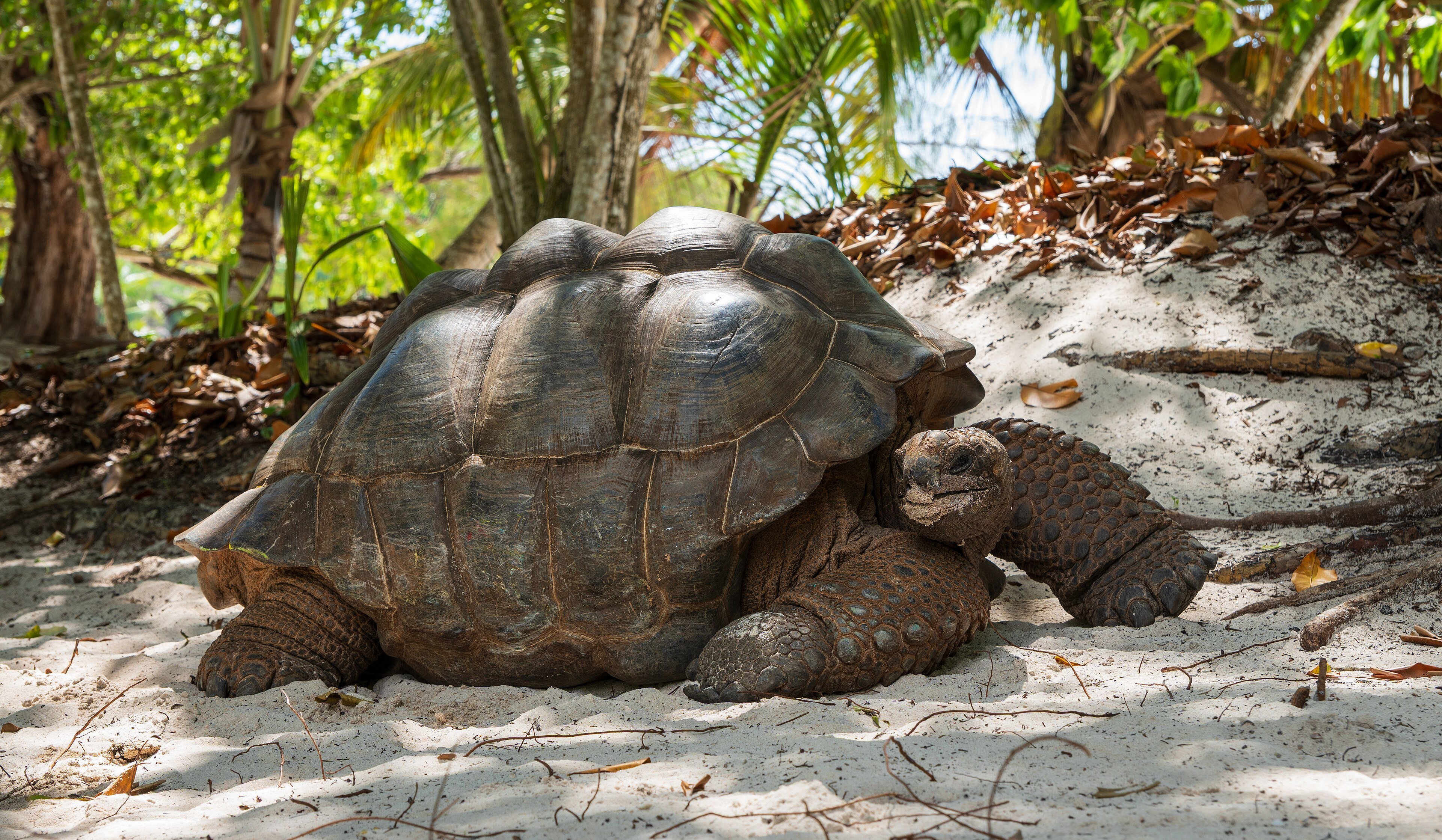
Photo: NorbertNagel / Wikimedia Commons, CC BY-SA 4.0
How many giant tortoises live on Aldabra?
About 180,000, says a team from the Seychelles Islands Foundation and the University of Exeter. Their best estimate is almost 183,000 adult and young adult tortoises. The study is in the journal Ecology and Evolution.
The numbers come from five years of tortoise counts, from 2018 to 2022. Foundation research staff collected the counts on the ground. Then scientists turned them into one number for the whole place.
It is the first count that covers the entire atoll. It is also the first update in decades, and the first one that corrects for the animals the old method could not see. Before this, everyone quoted a figure of about 100,000 from the late 1990s.
Only two places on Earth still have giant tortoises living wild. One is the Galapagos. The other is Aldabra. And Aldabra's herd is much bigger.
How do you count tortoises you cannot see?
This is the clever part. A tortoise in open grass is easy to spot. A tortoise under thick bush is not.
Aldabra has grassland, bare rock, scrub, mangrove and a prickly shrub called Pemphis. The tortoises love the grass. The team found the most animals on what they call "tortoise turf." But in dense scrub and mangrove, they are far harder to see.
So the scientists used a method called Bayesian hierarchical distance sampling. In plain words, it is a maths model. It asks how likely you are to miss an animal in each type of land, and then it adds the missed ones back in.
That means the 180,000 is not only the tortoises people saw. It also includes the ones the model says were there, hidden in the green.
Did the number of tortoises really double?
It looks that way, from 100,000 to 180,000. The researchers say no.
They think the old figure was too low because the old method missed hidden animals. They do not claim the herd nearly doubled. They do say the population has probably grown over the years. During the five years of this study, it held steady.
So the headline number is partly a bigger herd and partly a better way of counting. Either way, it is a lot of tortoises.
How many tortoises is that for every person in Seychelles?
Do the sum. The best estimate is almost 183,000 tortoises. Seychelles has about 122,000 people. Divide one by the other and you get roughly 1.5 tortoises for every person in the country.
| Number | |
|---|---|
| Aldabra tortoises, best estimate | almost 183,000 |
| People in Seychelles | about 122,000 |
| Tortoises per person | about 1.5 |
Now picture the whole country standing in a field. Then add another 60,000 tortoises, each one slow, calm and in no hurry to move.
And remember, this is only one atoll. The tortoises on Aldabra are the largest wild herd on Earth.
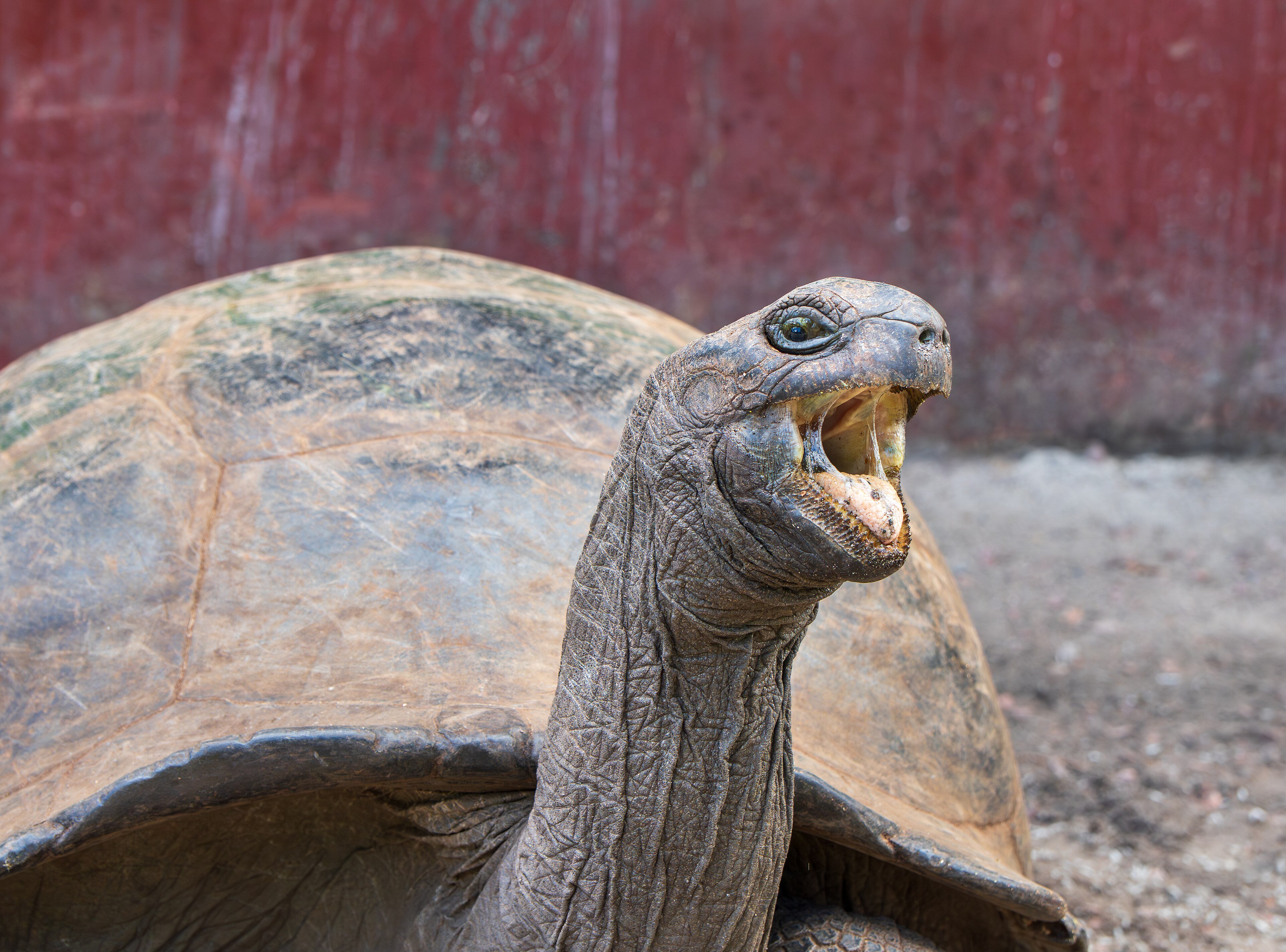
Photo: NorbertNagel / Wikimedia Commons, CC BY-SA 4.0
How close did giant tortoises come to vanishing?
Very close. In the 1800s, heavy hunting cut the Aldabra tortoises to fewer than 1,000. Almost the whole herd was gone.
Then protection arrived. Aldabra became a strict nature reserve in 1981. It became a UNESCO World Heritage site in 1982.
Here is the whole story in one place.
| When | What happened |
|---|---|
| 1800s | Hunting leaves fewer than 1,000 tortoises |
| 1981 | Aldabra becomes a strict nature reserve |
| 1982 | Aldabra is named a UNESCO site |
| Late 1990s | Widely quoted estimate of about 100,000 |
| 2012 | Feral goats are wiped out on the atoll |
| 2018 to 2022 | Foundation staff collect the counts |
| October 2026 | Study puts the herd near 180,000 |
From fewer than 1,000 to around 180,000. That is one of the biggest comebacks any large animal has made. If you like survival stories from the deep past, the baby mammoth that came out of the ice has a similar pull.
What did the scientists say?
Dr Frauke Fleischer-Dogley, who runs the Seychelles Islands Foundation, says the number is proof of what long-term commitment to conservation can achieve. She also credits the staff who collected the counts.
Dr Nancy Bunbury, a co-author, says the work gives "the most reliable baseline yet" for the species. And Dr Dave Hudson of Exeter says the numbers are a baseline, not an endpoint.
That last line matters. The team plans to use this count as a starting line. They want to watch the herd for decades.
What still eats the eggs?
Goats once chewed up the plants the tortoises need. The goats were removed in 2012, and the vegetation has had time to recover.
Two animals remain. Feral cats and black rats still hunt tortoise eggs and hatchlings on Aldabra. The authors say wiping them out could remove the last big brake on the herd.
Weather is the other worry. The researchers expect longer and more frequent droughts, which would cut shade and food. Rising seas could also swamp the low parts of the atoll.
What else is hiding in the scrub?
Think about what the model did. It looked at where the team could not see, and it told them how many tortoises must be standing there anyway.
In the thick bush and the mangrove, there are giants right now that no scientist has ever laid eyes on. They are chewing leaves in the shade, and the count says there are thousands of them.
Somewhere on that atoll, a tortoise nobody has ever met is still waiting to be found.
Sources4
- The Guardian, researchers find 180,000 giant tortoises (8 Oct 2026)
- University of Exeter, new study reports largest-ever population estimate for Seychelles' giant tortoises
- Phys.org, giant tortoises outnumber people in Seychelles, with nearly 183,000 on Aldabra
- Seychelles News Agency, census of giant tortoise population
The week's biggest stories, every Monday
One email. The stories everyone will be talking about, before they do.
Free. One email a week. Unsubscribe anytime.Keep reading
 ViralNeanderthals worked wood like us, and a cave in Spain just proved it
 ViralThe 71 THz signal that only living cells give off
 ViralHow did Karl Bushby pay for a 28-year walk? The money story