Covid hospital admissions in England jumped 17% in a week. A different strain now leads
It is not new, but it is back in force. Britain's health agency says Covid is rising again, hospitals are seeing more patients, and one symptom keeps coming up.
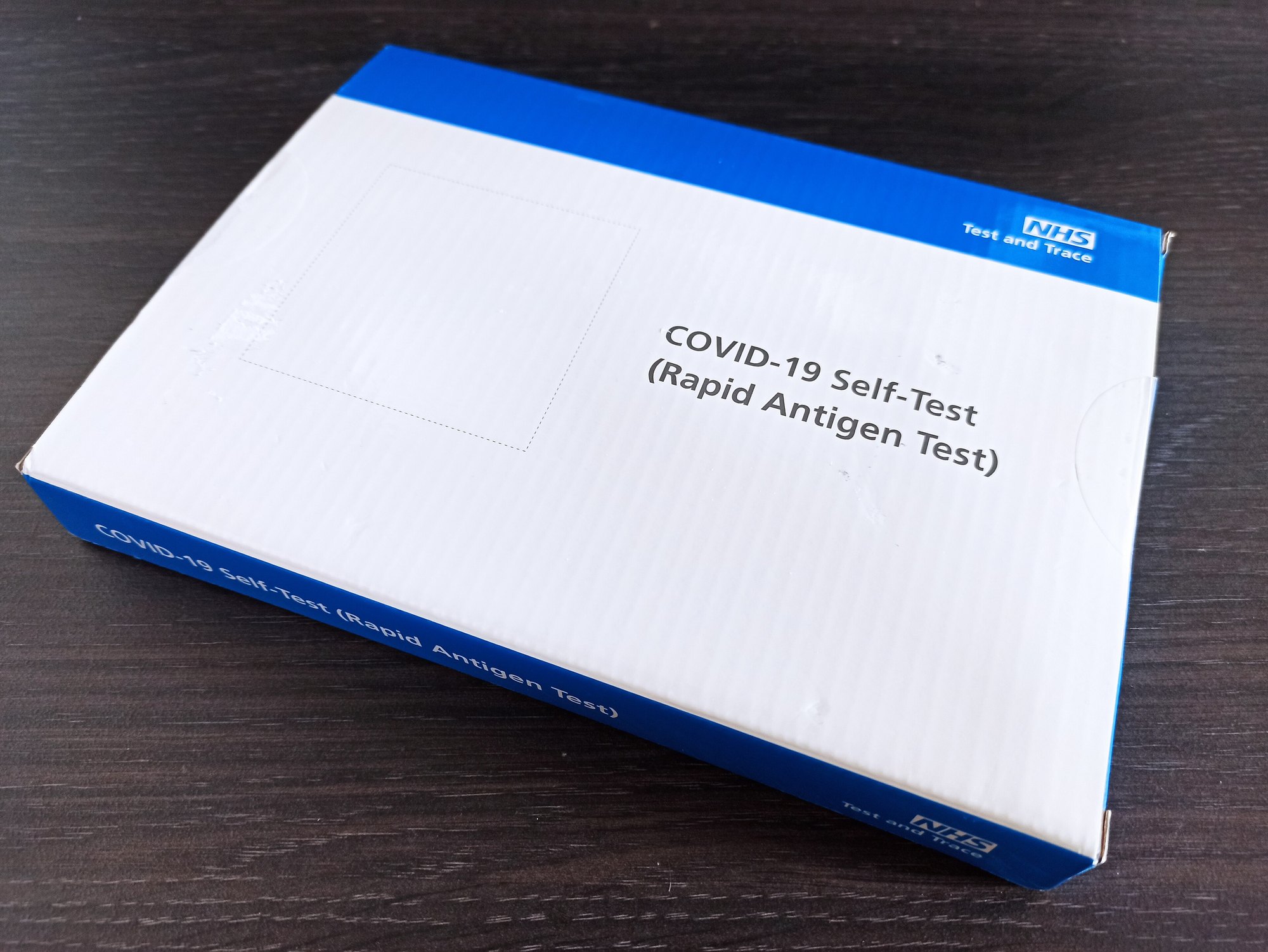
Photo: Marc Auledas / Wikimedia Commons, CC BY-SA 4.0
- Covid hospital admissions in England rose 17% in a week, to 2.04 per 100,000
- The share of hospital tests that are positive is up to 9.1%
- This autumn's vaccine was made to target XFG
The first sign is not always a cough. For a lot of people this autumn, it is the voice.
It goes rough. Then it goes raspy. Then swallowing feels like broken glass.
"We are seeing a lot more hoarseness of voice," Harley Street GP Dr Kaywaan Khan told the Mirror.
He was talking about a strain the British press has nicknamed "American Covid". Its real name is XFG. And it is one of the strains behind Covid climbing again across England.
Is Covid back in the UK?
Yes, it is rising, though from a low starting point.
The UK Health Security Agency (UKHSA) said in its latest report, published on 8 October, that "COVID-19 activity increased and is circulating at low levels." That report covers the week of 28 September to 4 October.
The hospital numbers moved fastest. Covid hospital admissions in England rose from 1.75 to 2.04 per 100,000 people in a single week. That is a jump of 17%. The earlier week was first reported as 1.20 and has since been revised up.
Among people aged 85 and over, the rate went from 16.46 to 20.30. The West Midlands had the highest regional rate, at 3.28. London had the highest rate of intensive care admissions, at 0.14 per 100,000, up from 0.08.
Tests tell the same story. The share of hospital Covid tests coming back positive rose from 7.9% to 9.1% in the week to 4 October.
UKHSA rates the overall level as "low", one step above baseline. The direction is clear, and the next report is expected on 22 October.
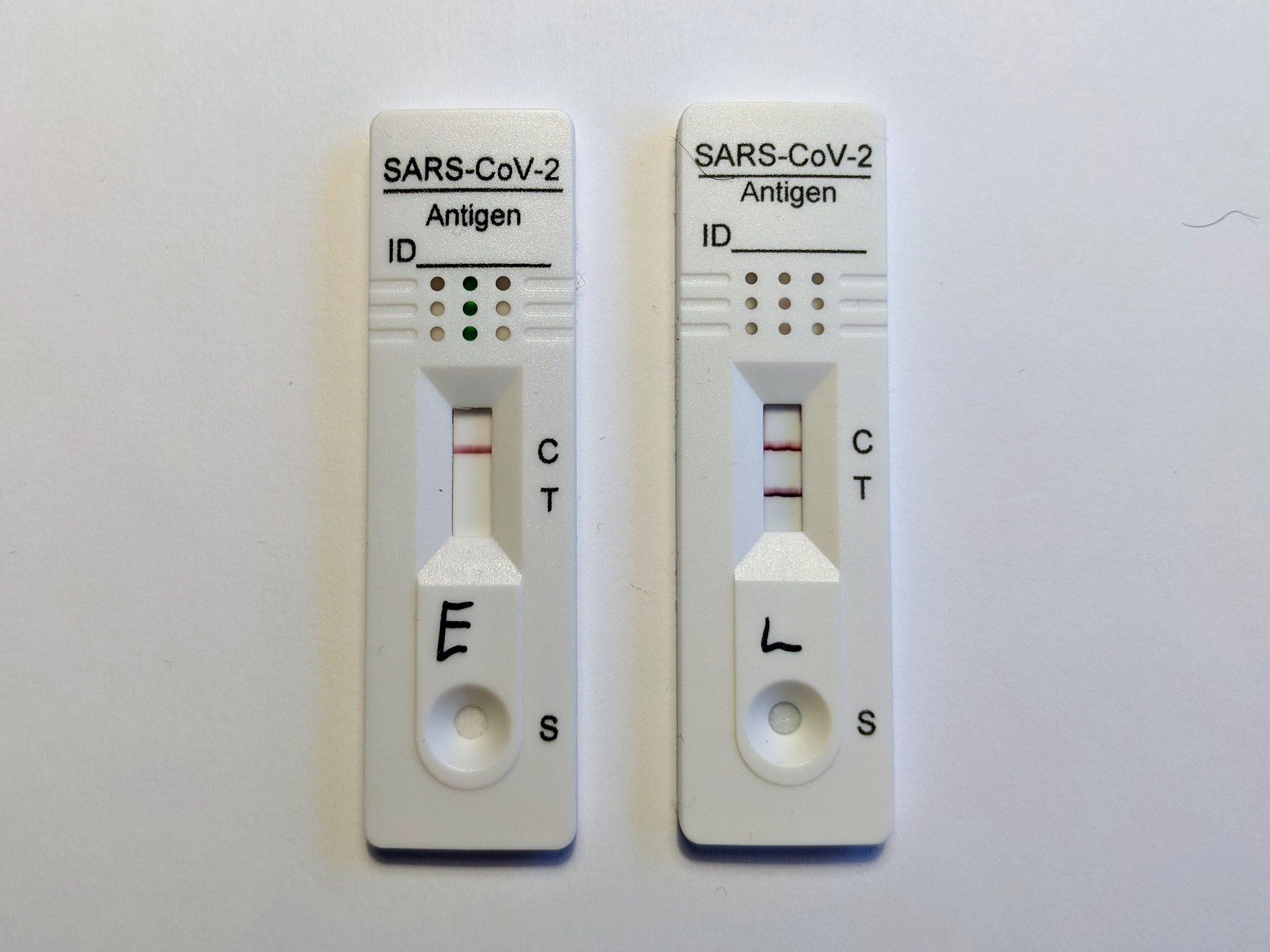
Photo: Boldie / Wikimedia Commons, CC BY-SA 4.0
What is "American Covid"?
It is a nickname, not a new virus.
 Read nextThe White House honoured Charlie Kirk's birthday with a photo of Trump
XFG is a mix of two earlier Covid strains, called LF.7 and LP.8.1.2. It was first picked up in a sample on 27 January 2025, according to the World Health Organization (WHO). It took over in the United States in 2025, which is where the "American" label comes from. Scientists also call it "Stratus".
It is in Britain too, though it is no longer alone. In UKHSA's latest gene data, from samples taken between 31 August and 13 September, XFG itself made up 9.1% of sequenced cases. The most common single lineage was one called TA.1, at 25.8%. Others in the mix included XFZ.4.1 at 7.6% and XFJ at 6.1%. UKHSA warns that the sample was small.
The WHO lists XFG as a "variant under monitoring". It rates the extra risk to the world as low.
What are the symptoms of the new Covid strain?
Most of the list is familiar. Fever, cough, tiredness, aches, headache, a blocked or runny nose.
Two symptoms keep coming up with this wave. The first is a hoarse or raspy voice. The second is a very painful sore throat that people describe as "razor blades".
Dr Khan is careful about it. "It's not a defining feature, you can experience this with the common cold too," he told the Mirror. In other words, a croaky voice alone does not prove you have Covid.
How bad does it get? That depends on the person. "Some people will be floored by an infection while others remain asymptomatic," Prof Emma Wall of Queen Mary University of London told the Daily Mail. Asymptomatic means no symptoms at all.
If you test positive, NHS advice is to try to stay at home for 5 days, or 3 days for under-18s, and to avoid people at high risk for 10 days.
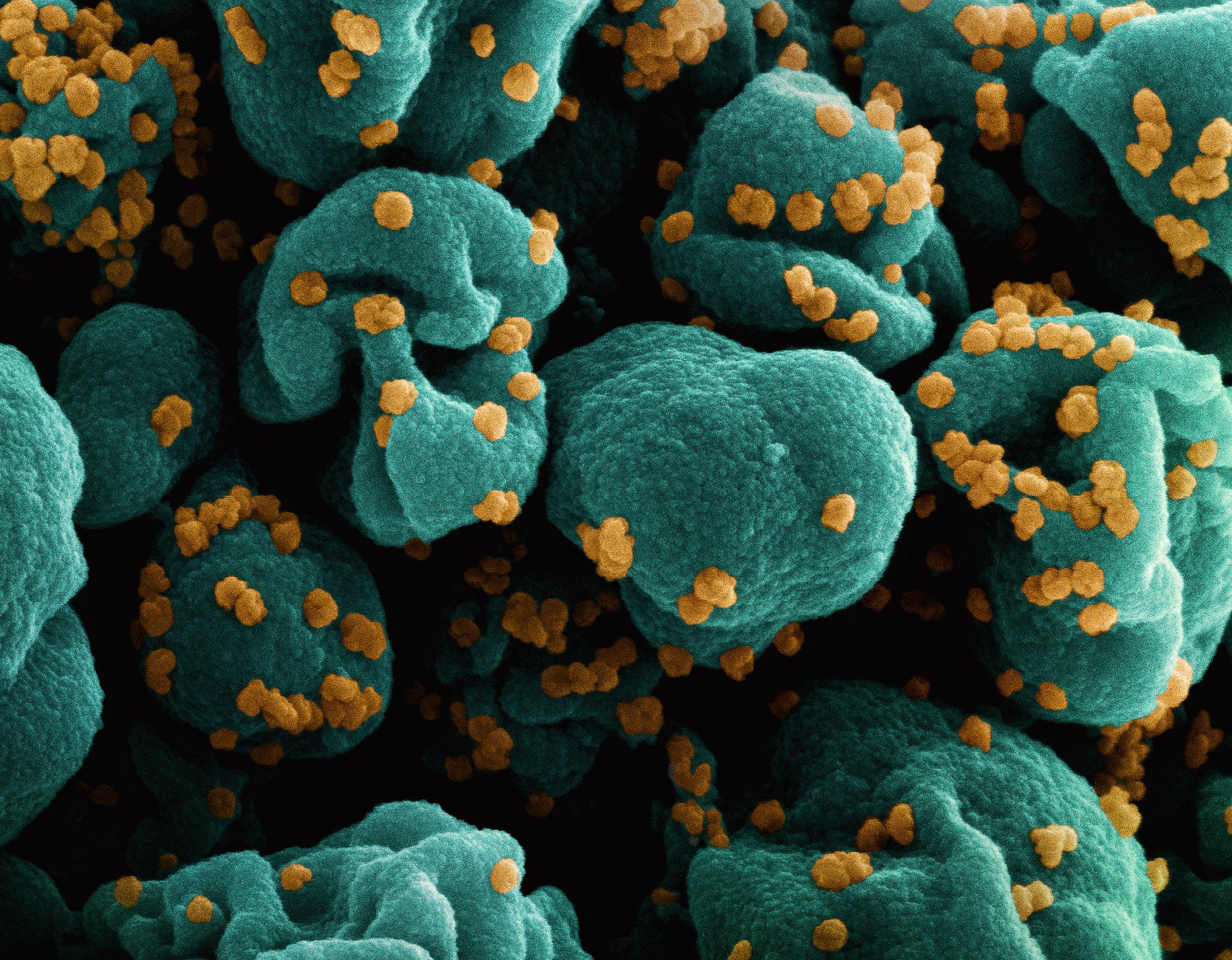
Photo: NIAID / Wikimedia Commons, CC BY 2.0
Is it worse than other Covid strains?
There is no sign that it is.
Doctors quoted by the Daily Mail called the rise "not unexpected at this time of year". Autumn is when people head back indoors, schools fill up and colds spread. Covid follows the same pattern.
 Trending nowPetrol broke R30 a litre. We followed the money
Flu is climbing at the same time. UKHSA's 8 October report says flu activity increased and is circulating at baseline levels. So a sore throat this month could be either one.
For people who have been watching the plague scare in Russia or Ebola reaching Kenya, this one is different. It is a familiar virus doing a familiar thing, with tests and vaccines already on the shelf.
Who can get the Covid booster this autumn?
The NHS autumn 2026 programme is smaller than in past years. It covers:
- adults aged 75 and over
- older people living in care homes
- people with a weak immune system, from 6 months old
The rules are the same in England, Scotland, Wales and Northern Ireland. Appointments started on 1 October 2026, and "booking for the COVID-19 vaccination is now open," UKHSA said.
People aged 65 to 74 without a health condition get a free flu jab but not a Covid booster this year.
Is "American Covid" in South Africa, the US or Australia?
It began in the US, where XFG offspring still make up about half of infections, according to trackers that follow US government data. Wastewater levels are very high in Texas and low in most other states.
Canada's wastewater shows moderate levels, higher in the west. Australia's Covid levels are low.
South Africa has had no Covid alert this season from the National Institute for Communicable Diseases. The country is heading into summer, when respiratory viruses usually ease off. But strains travel. XFG went from a single sample to a leading family on two continents in under two years.
What should you do if you get a hoarse voice?
Take a test if you have one. Rest. Keep away from older relatives until you know.
And if you are eligible, book the jab. This year's vaccine was not built for some old version of the virus. In May, Europe's medicines regulator picked XFG as the target for the 2026 to 2027 vaccines. An updated Moderna shot aimed squarely at XFG is authorised for the NHS programme.
XFG is still circulating in Britain this month, and it is the exact strain this year's booster was made to stop.
Get the stories that hit your pocket
Petrol, SARS, Eskom, grants and the news everyone is talking about. One short email every weekday at 6am.
Free. One email each weekday. Unsubscribe anytime.Sources10
- UKHSA, national flu and COVID-19 surveillance report, 8 October 2026 (week 41)
- LADbible, citing the Daily Mail
- Brit Brief, citing the Mirror
- UKHSA blog, autumn 2026 booster eligibility
- WHO, tracking SARS-CoV-2 variants
- WHO, XFG risk evaluation
- European Medicines Agency, XFG vaccine strain
- NHS Networks, autumn 2026 programme
- WION
- Covid situation report, 1 October 2026
Keep reading
 WorldThree oil shocks at once, and why diesel is the one to fear
 WorldA bleeding captain opened the cockpit door and saved his plane
 WorldEbola reaches Kenya after a sick man flies into Nairobi