Trump says he will call Putin about plague, and Russia says there is no plague
The US is preparing a formal request for Russia's data, the WHO is asking about a second sick worker, and the call could land on Putin's 74th birthday. Here is where it all stands.
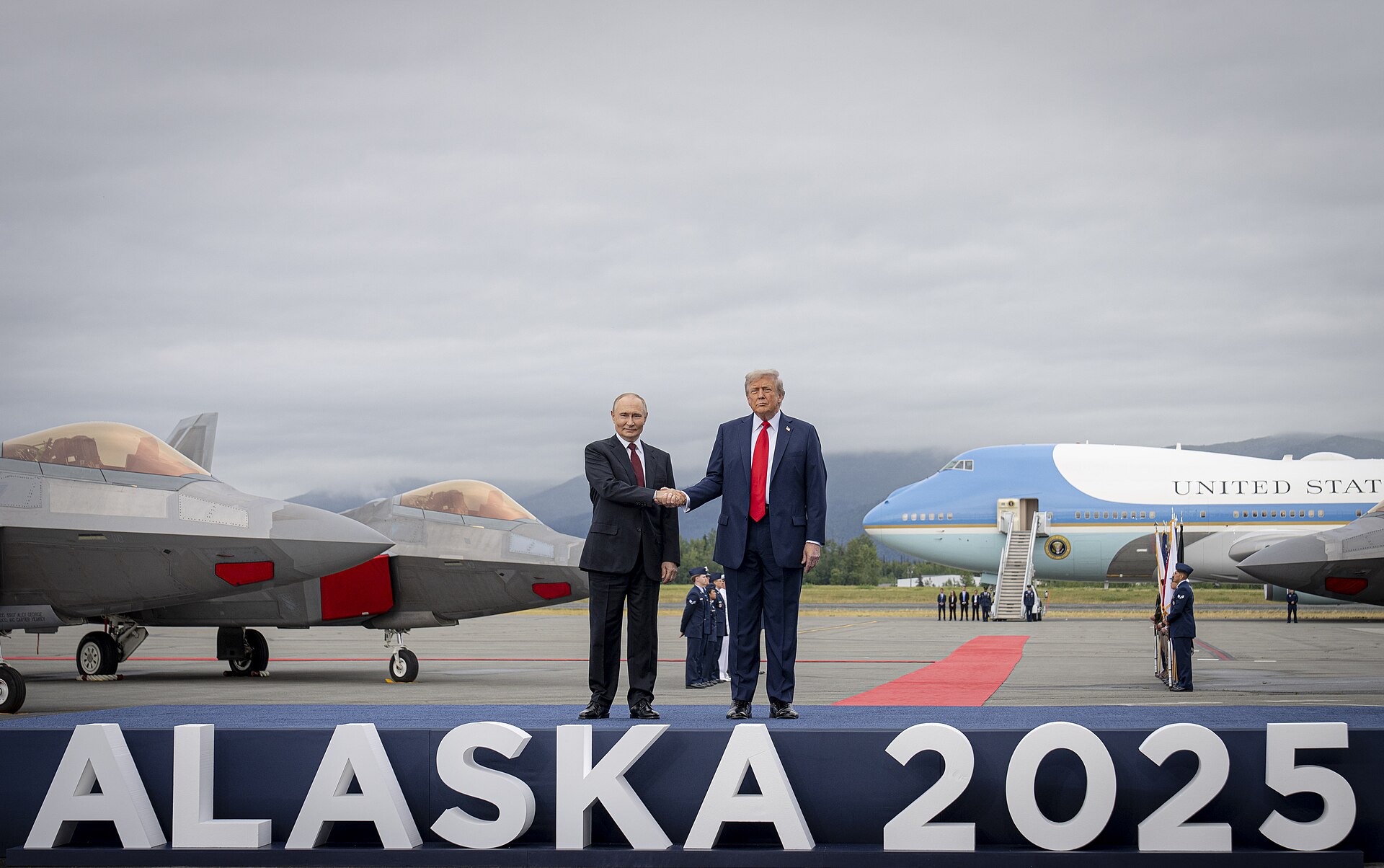
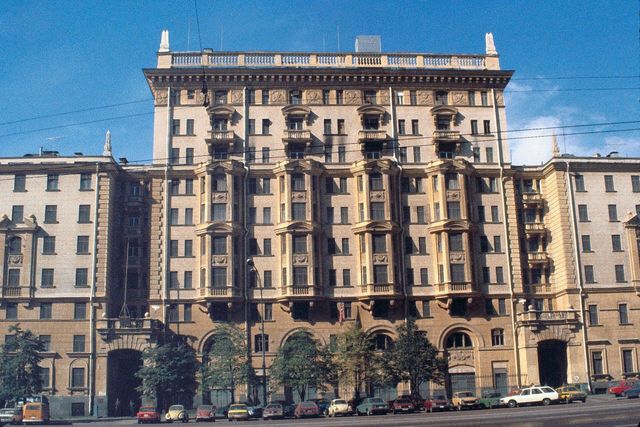
Photo: Benjamin D Applebaum / Wikimedia Commons, Public domain
- Trump says the plague microbes are "like an army"
- The call could come on Putin's 74th birthday
- A second death is claimed but not confirmed
New to this? What is pneumonic plague? The facts, explained simply
Donald Trump stood on the White House South Lawn on Tuesday and talked about a bacterium as if it were an enemy force.
"Somehow those microbes have gotten stronger and smarter," he told reporters. "They're like an army."
He meant the suspected case of pneumonic plague in Siberia. And he said he would be talking to Vladimir Putin about it "very soon".
As of Wednesday 7 October, neither the White House nor the Kremlin has confirmed the call took place. This story is developing.
If you missed how it started, read our account of the lab technician who died inside Irkutsk's anti-plague institute and the quarantine that followed. Here is everything that has moved since.
Has the Trump and Putin call happened yet?
Not that anyone has announced. Trump said the call was scheduled and that the US was in "very deep discussions" about the case. A day earlier he had struck a softer note. "I hate to see them having it. Anybody that has that kind of a problem, we're always willing to help," he said. "We'll be able to report about it, probably tomorrow," he said.
Tomorrow is today. And today is Putin's 74th birthday.
His foreign policy aide Yuri Ushakov says Putin will take a series of calls from foreign leaders on the day, and that nothing about the talks will be concealed. That has fuelled talk that Trump's plague call could arrive with the birthday wishes. Neither side has confirmed it.
What has the Kremlin said to Trump?
So far, polite words. Kremlin spokesman Dmitry Peskov said on Tuesday that Moscow took Trump's offer of help positively, and that it is always good when mutual assistance is offered, according to Russian news agency Interfax.
In the same breath, Peskov said he had not heard Trump call the situation a big problem for Russia. He told everyone to rely on Rospotrebnadzor, the health watchdog, which he said gives exhaustive information.
Russia's health watchdog was less polite. It answered Trump's offer by pointing to a fatal plague case in New Mexico in June, the Moscow Times reported.
Russia is welcoming the help while insisting there is nothing to help with.
What is Washington asking Russia for?
Data. Interfax reports that the US is preparing a formal diplomatic request, called a demarche, asking for information about the infection in Irkutsk.
The point is a reminder that Russia must share news of disease outbreaks with other countries in time. Secretary of State Marco Rubio put it plainly. "It is incumbent upon Russia to obviously share more information with the world."
An unnamed administration official said travel restrictions on people arriving from Russia have not yet been considered.
Rubio also tried to calm nerves. He said the US is watching closely, but does not think it is "cause for alarm", and pointed out that there is very limited travel between the US and Russia.
Not everyone in Washington was so calm. Republican congressman Don Bacon, a senior member of the House armed services committee, turned Russia's old claims about secret labs in Ukraine back on Moscow. "In reality," he wrote, "it is Russia with the bio labs."
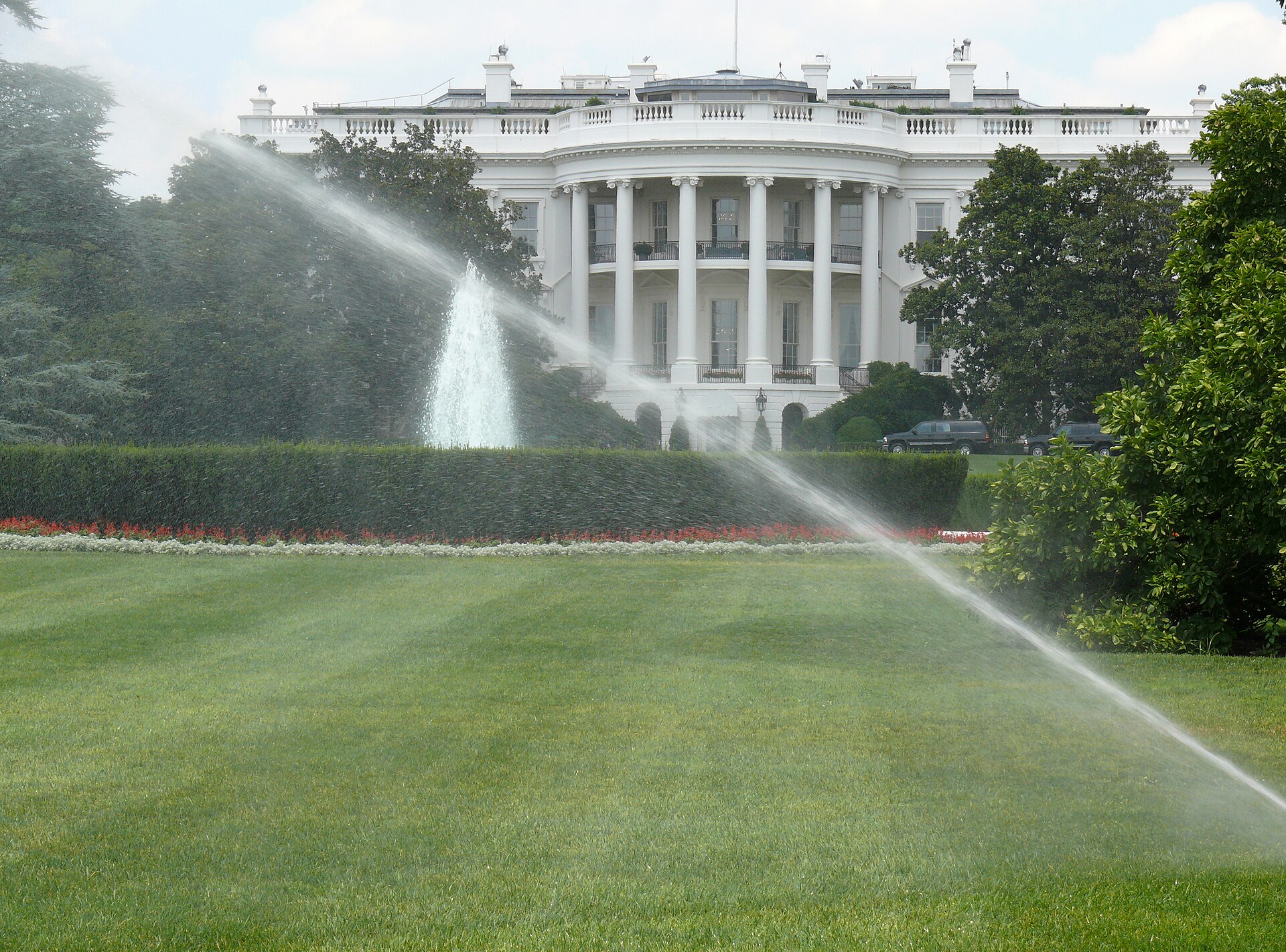
Photo: Ad Meskens / Wikimedia Commons, CC BY-SA 3.0
Is the US ready for plague?
The CDC says it is calm and watching. "At this time, there is no indication of a broader threat to the United States, but CDC and our interagency partners are prepared and will continue to monitor the situation closely," the agency posted.
For normal pneumonic plague, the Health and Human Services Department may have enough medicine stockpiled, officials and experts told CNN. A germ changed in a lab is another story. There is little certainty the stockpile would work against it, or how long a new treatment would take.
Jennifer Nuzzo, who runs the Pandemic Center at Brown University, warned that US health systems are already stretched by measles outbreaks and budget cuts. "God forbid you layer another pathogen onto the already laborious and difficult work of going after measles," she told CNN. "That would be a nightmare."
Americans in Russia are on their own for now. The embassy's blunt alert warns that the US government has limited ability to help them, especially outside Moscow.
What does the WHO say now?
Its risk rating has not moved. Spokesman Christian Lindmeier said the risk is low for Russia as a whole and very low for the WHO European region, with "currently no indication that we are dealing with anything similar to the pandemic". Director-General Tedros Adhanom Ghebreyesus still told Moscow that "timely, complete and transparent information sharing" is essential. For what that risk means for you, see our plain guide to the plague questions everyone is asking.
Has Russia shared its test results?
Only the conclusions. Russia has told the WHO that no plague case has recently been registered in the Irkutsk region, and that monitoring of 100% of the contacts is finished, with no dangerous pathogens found in any of them.
What Moscow has not published is the lab data behind that, or exactly which tests it ran. That gap is the reason the demarche exists.
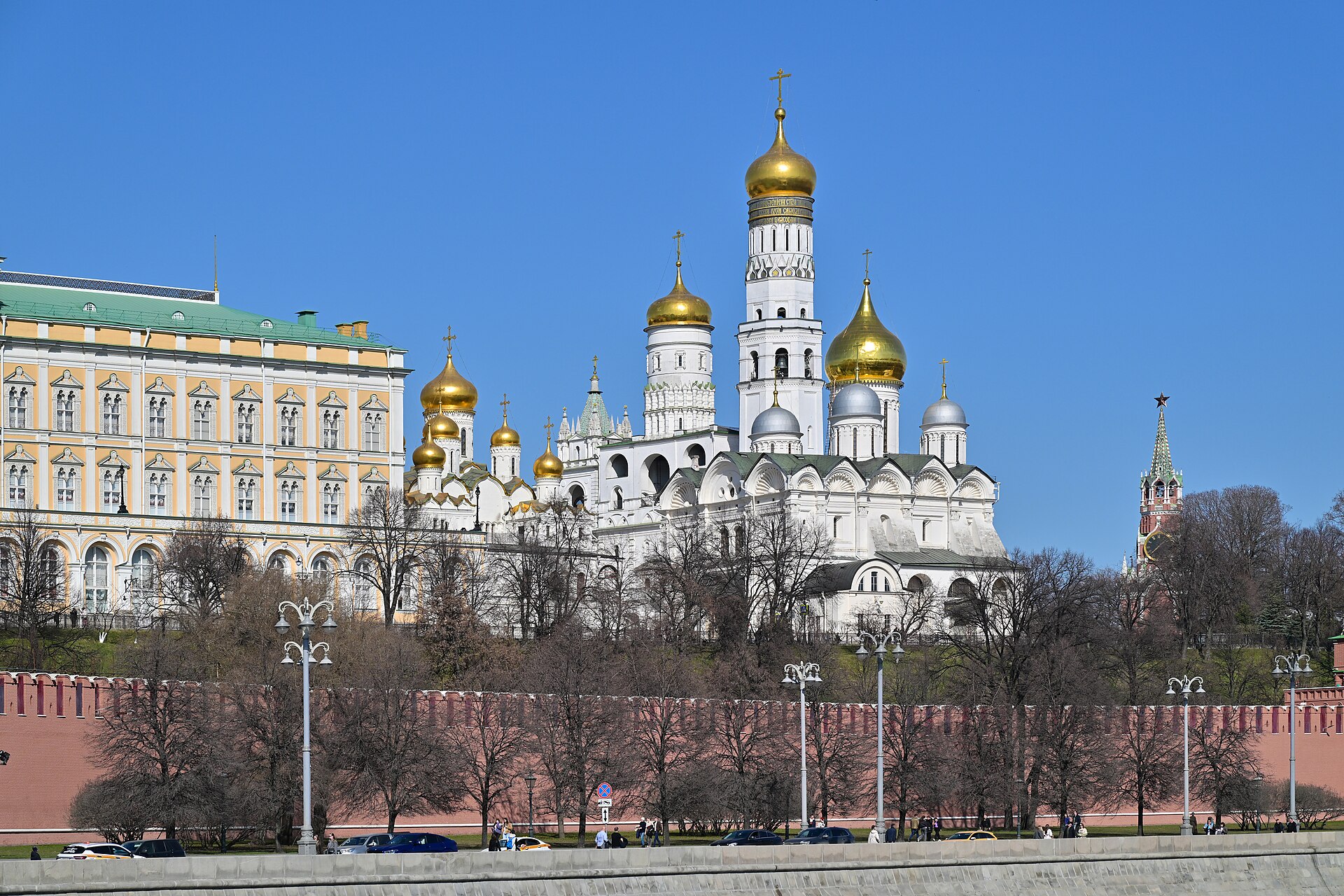
Photo: Юрий Д.К. / Wikimedia Commons, CC BY 4.0
Did a second person die?
That is still a claim. Russian media reported that a second, unidentified person died at an Irkutsk hospital after allegedly catching plague, with no lab results or official evidence shown so far, and the WHO has asked Moscow about a second sick employee. Our first report follows the second victim claim as it develops.
What else is riding on the call?
A lot. Trump faces an 18 October deadline for his first decisions under the Graham Act, a sanctions law he signed on 18 September. It targets Putin himself, his ministers and military chiefs, and allows tariffs of up to 100% on the biggest buyers of Russian oil and gas.
So plague will not be the only thing on the line. It may be the one subject where both men already say they want the same thing.
What happens next?
Three things to watch today. The report Trump promised, the Kremlin's readout of the birthday calls, and whether Moscow answers the WHO with real lab results.
Ushakov has promised that nothing about Putin's birthday calls will be hidden. If Trump is on that list, the Kremlin's own words will tell the world within hours whether Irkutsk came up, and what Putin said when the President of the United States asked him straight.
Sources9
How does this make you feel?
The week's biggest stories, every Monday
One email. The stories everyone will be talking about, before they do.
Free. One email a week. Unsubscribe anytime.Keep reading
 WorldAn MIT scientist says Irkutsk may not be plague at all
 WorldThe US tells Americans in Russia to leave, in a plague alert
 WorldInside the Siberian plague lab at the centre of Russia's scare