Trump compares Russia's plague silence to China in the first days of COVID
One reporter's question pulled the Russian plague scare straight back to Wuhan. The president's answer has the world asking what Moscow is not telling anyone.
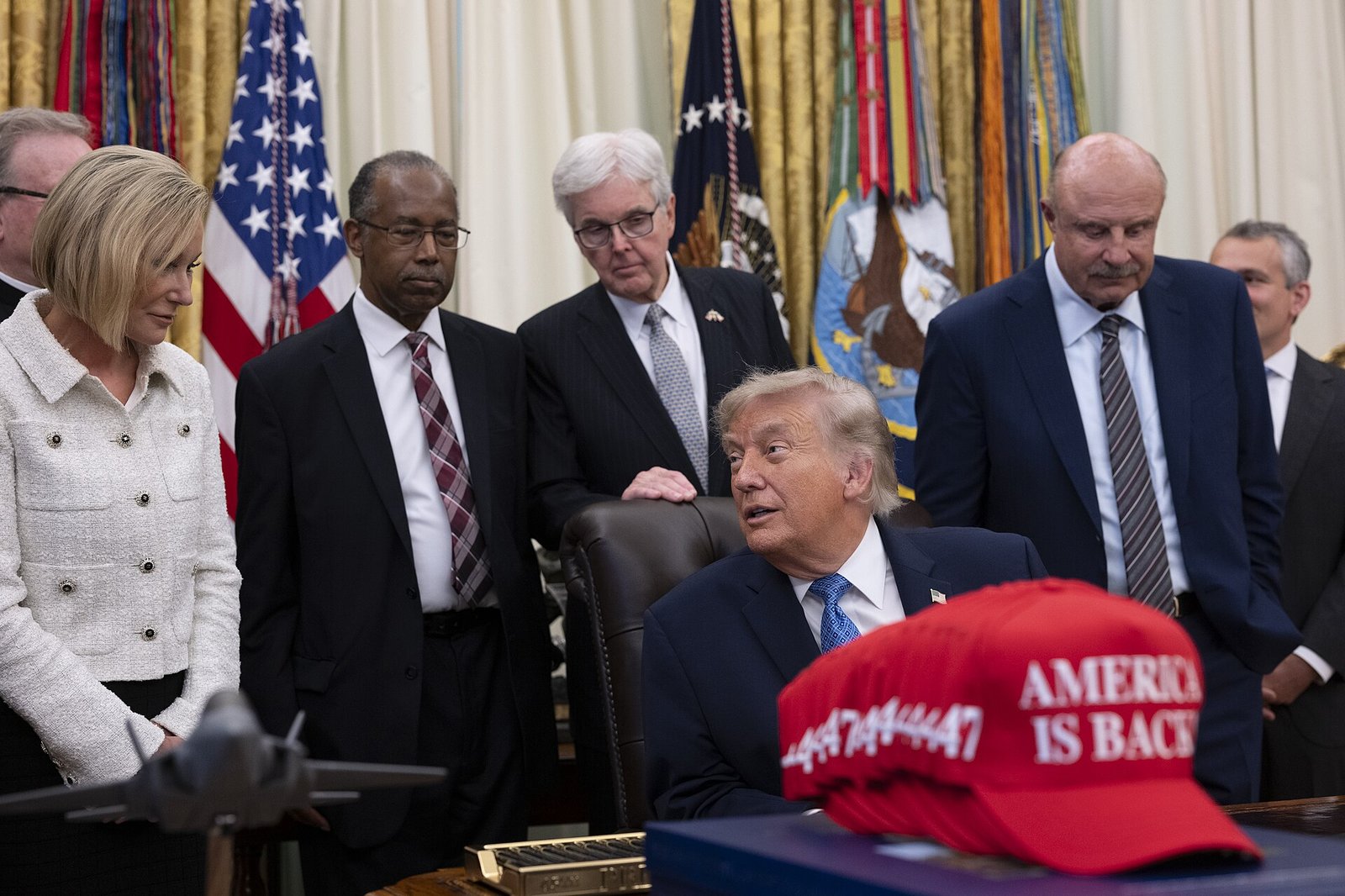
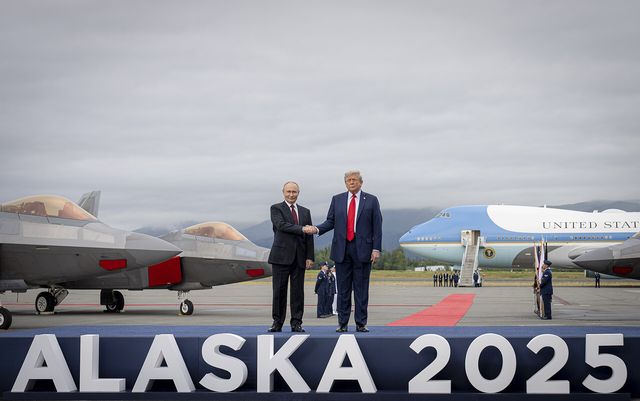
Photo: The White House (Official White House Photo by Joyce N. Boghosian) / Wikimedia Commons, Public domain
- Trump says "we don't think" it is a bioweapon, and "we're going to find out"
- Russia says it screened nearly 5,000 lab samples and found nothing
- The WHO still does not know what killed the lab worker
New to this? What is pneumonic plague? The facts, explained simply
The Oval Office event was about children's savings accounts. Then Fox News reporter Peter Doocy changed the subject.
"Is the plague in Russia a bioweapon?" he asked.
Donald Trump did not rule it out. "Well, we don't think so," he said on Wednesday 7 October. "We're going to find out soon enough, but we don't think so."
Doocy was not finished. He reminded Trump they had "heard this before" in his first term. Then he asked the question that has been ringing around the internet since. Was Trump "getting the same vibe right now from Russia" that he got "from China at the start of Covid?"
What did Trump say about Russia and China?
He did not say no.
"China didn't say much, and Russia is not saying much either," Trump answered, according to transcripts published by Mediaite and The Daily Beast. "But they do say they have it very much under control."
He had already hinted at his doubts. "If you listen to them, it's under control," he said. "You know, people have said that before about other things." Outlets report the next words slightly differently. The Daily Beast has "so we hope it is", and Mediaite has "We hope it is."
Later he added a line reported by the AP. "They're sharing it a little bit with our people. We expect them to share it a lot with our people."
The case behind all this is a 28-year-old technician at Irkutsk's anti-plague institute who died after a suspected lab accident. Russia says it was pneumonia of unknown origin. Our first report on the Irkutsk lab death has the full story.
Is the Russian plague a bioweapon?
The White House says it does not think so. But Trump's own words, "we're going to find out soon enough", left the door open, and plenty of people walked through it.
Online, the bioweapon theory is everywhere. One post about the exchange passed 375.6K views within hours. People point to the institute itself, which studies some of the most dangerous germs on Earth. They ask why Russia quarantined hospitals and watched nearly 200 people if this was only pneumonia.
None of that is proof. US officials have asked Moscow whether the germ was changed in a lab, but nobody has shown evidence that it was. For now, the bioweapon question is a question.
What does Russia's silence have in common with Wuhan?
More than Moscow would like.
Both stories start with a lab city. Wuhan is home to the Wuhan Institute of Virology, which studied bat coronaviruses. Irkutsk is home to an institute that studies plague, cholera and anthrax.
Both start with the word pneumonia. On 31 December 2019, the WHO picked up a Wuhan health statement about cases of "viral pneumonia". In 2026, Russia's health watchdog called the Irkutsk death "pneumonia of unknown etiology", meaning the cause is not known.
And both start with a government saying little. The WHO's Maria Van Kerkhove said on Wednesday that it still does not know what germ killed the worker. "We don't understand how she was infected," she said, according to the AP.
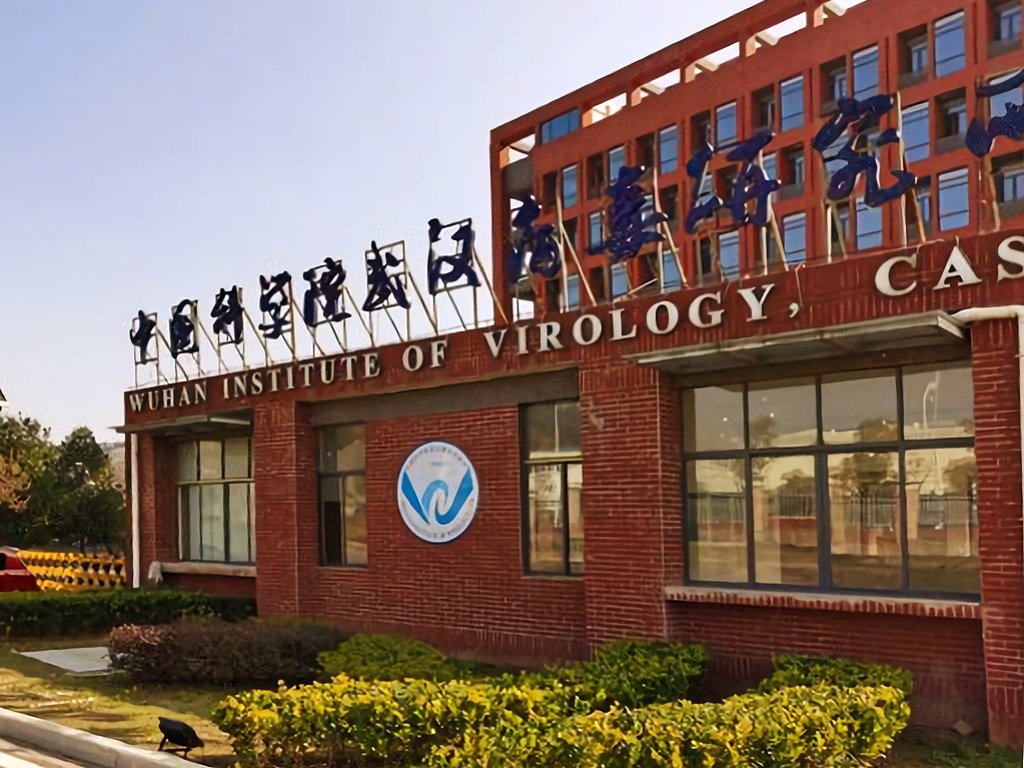
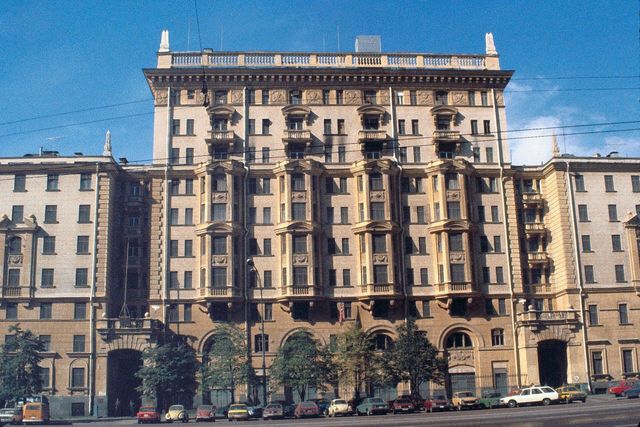
Photo: Ureem2805 / Wikimedia Commons, CC BY-SA 4.0
Where COVID began is still not settled. US spy agencies have split on it. The FBI and the Energy Department leaned towards a lab leak, while others leaned towards a jump from animals. WHO advisers said in 2025 that most evidence points to animals, but they could not rule out a lab without data China never handed over. Trump has strongly backed the lab leak idea.
Two days before Doocy's question, an unnamed US official had already predicted Russia would act like China did with COVID. Now the president has said it out loud.
How is this different from COVID?
The germ, for a start. COVID was a brand new virus. Plague is a bacterium people have known for centuries, and ordinary antibiotics cure it if they are given early. Our plain guide to pneumonic plague explains how it spreads.
Plague also gives itself away. "Plague is not contagious until somebody is very, very sick and obviously sick," David Freedman, a travel disease expert at the University of Alabama at Birmingham, told The Washington Post. COVID spread quietly through people who felt fine.
The numbers are different too. Wuhan had a cluster of patients by the time the world heard about it. Irkutsk has one death and one unconfirmed report of a second sick worker. Russia's Kremlin spokesman Dmitry Peskov said most media reports about the case are false and told people to trust only the health watchdog.
What has the US asked Russia for?
Data. The State Department has sent Moscow a démarche, a formal diplomatic demand, for more information. Trump says Russia is sharing "a little bit" and Washington expects "a lot".
Experts have spelled out what "a lot" means. Former White House COVID coordinator Ashish Jha, writing in the Boston Globe, urged the US to press for the germ's identity and its genome sequence, the genetic code that would show if anything was changed. Russia has published conclusions, not the code.
Its health watchdog says it screened nearly 5,000 lab samples and found no dangerous germs, according to Euronews. It has not shown the results behind that number.
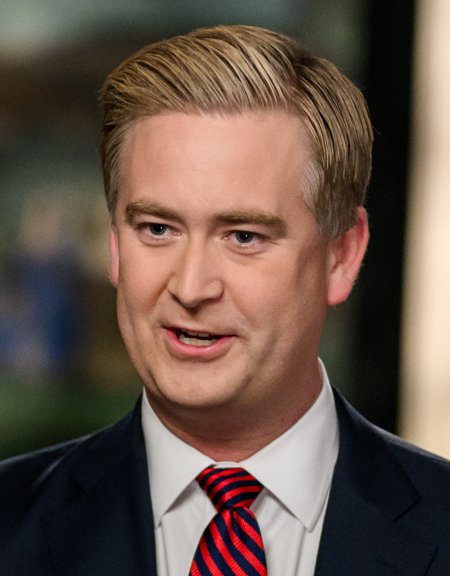
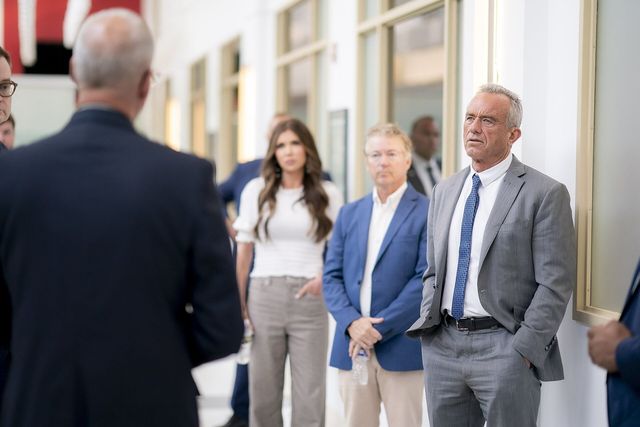
Photo: The White House (Official White House Photo by Daniel Torok) / Wikimedia Commons, Public domain
Can airlines stop a plague from spreading?
They are one of the first lines of defence. The Washington Post reports that flight crews are trained to watch for passengers who look seriously ill, a job beefed up after SARS, Ebola and COVID. In one case it described, a pilot refused to fly a sweating, visibly sick man.
There are no direct flights between Russia and the US. Travellers have to change planes in hubs like Istanbul. Vicki Hertzberg, who studies how disease spreads on planes at Emory University, told the Post that airlines are "doing a great job cleaning the cabins and filtering the air and watching for signs of trouble."
What happens next?
Everything now hangs on a phone call. "I have a call set up," Trump said on Wednesday. "Today is his birthday." Putin turned 74 that day.
Moscow is not so sure. On Thursday, Peskov said the call had not been agreed yet and that the Kremlin would let reporters know, TASS reported.
So the president who spent years blaming China for staying quiet about COVID is now waiting by the phone for Russia. If Putin picks up and hands over the genetic code, the Wuhan comparison could fade within days. If he does not, Trump has already told the world exactly what he will think.
Sources12
- Original post, 7 October 2026
- Mediaite, Doocy and Trump transcript
- The Daily Beast
- AFP via France 24
- AP, WHO wants more details
- CNBC
- Euronews, Kremlin and second case
- TASS, Peskov on the call, 8 October
- The Washington Post, airlines and plague
- The Washington Post, US demarche
- Ashish Jha, Boston Globe
- WHO COVID-19 timeline
How does this make you feel?
The week's biggest stories, every Monday
One email. The stories everyone will be talking about, before they do.
Free. One email a week. Unsubscribe anytime.Keep reading
 WorldTrump wants answers from Putin on a plague scare Russia denies
 WorldAn MIT scientist says Irkutsk may not be plague at all
 WorldThe US tells Americans in Russia to leave, in a plague alert