Venezuela has more oil than Saudi Arabia. So why can't it save us from $100 oil?
Everyone asks the same thing while petrol climbs. Forget the Middle East and buy from Venezuela. Here is why it is not that easy, in numbers.
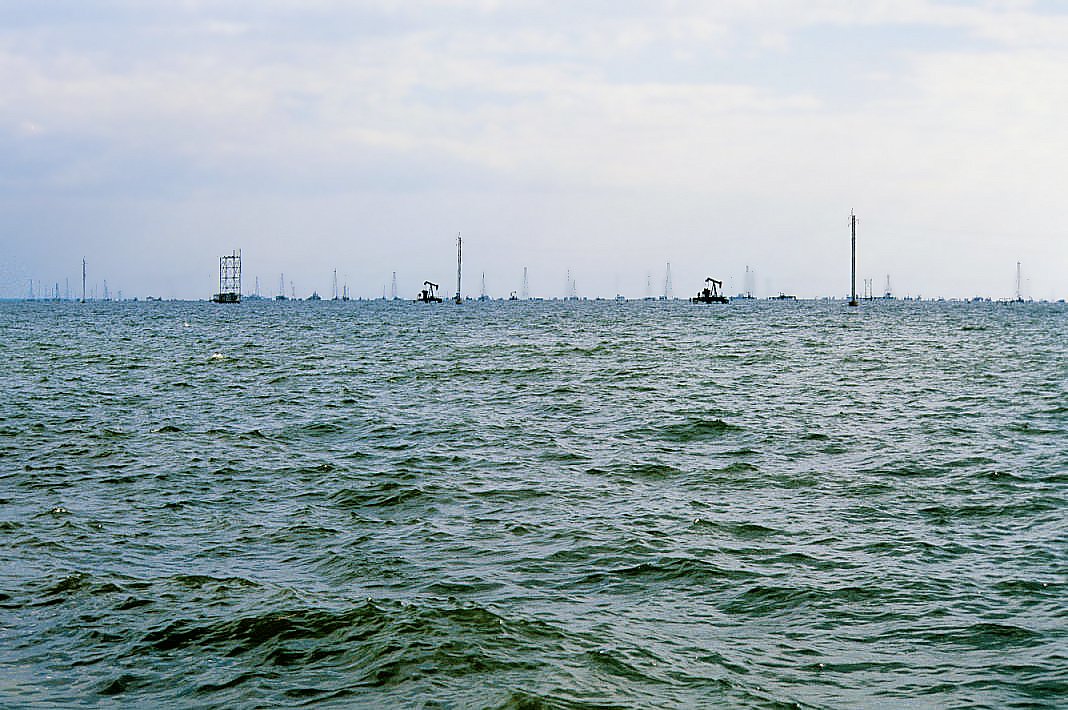
Photo: LBM1948 / Wikimedia Commons, CC BY-SA 4.0
- Venezuela has more oil in the ground than Saudi Arabia, yet it makes 1% of the world's supply
- All of Venezuela's output covers only 12% of the oil the Gulf has lost
- Most of its crude is so thick that only special refineries can run it
About 8.3 million barrels of oil a day from the Gulf are still shut in because of the Strait of Hormuz, according to the International Energy Agency's August report.
So here is the question half the internet is asking. Venezuela has the biggest oil reserves on Earth. Why not just buy from them instead?
The answer is a set of numbers, and they are brutal.
Does Venezuela really have more oil than Saudi Arabia?
Yes. Venezuela holds about 303 billion barrels of proven reserves, the most of any country, according to OPEC's 2025 bulletin. Saudi Arabia has 267 billion.
One thing the memes get wrong. Venezuela does not beat the whole Middle East. Saudi Arabia, Iran and Iraq alone add up to 621 billion barrels.
But as a single country, Venezuela is number one. On paper, it is a jackpot.
Reserves are oil in the ground. What matters at the pump is oil coming out of it.
How much oil does Venezuela actually pump?
Just over 1 million barrels a day, according to AP. Saudi Arabia makes 10 to 11 million.
Now compare that with the world. The IEA says global supply was 101.5 million barrels a day in July, and that was 6.3 million below a year earlier. Venezuela is about 1% of that.
The table shows what its barrels would cover, using the IEA's figure of 8.3 million barrels a day still shut in.
| Venezuela pumps | Share of world supply (101.5m) | Share of the Gulf gap (8.3m) |
|---|---|---|
| 1.0 million a day (today) | About 1% | About 12% |
| 1.5 million a day (deal target) | About 1.5% | About 18% |
| 3.2 million a day (late 1990s peak) | About 3.2% | About 39% |
Even a full return to its old peak would cover less than 40% of the hole. And that is a decade away, as we will see.
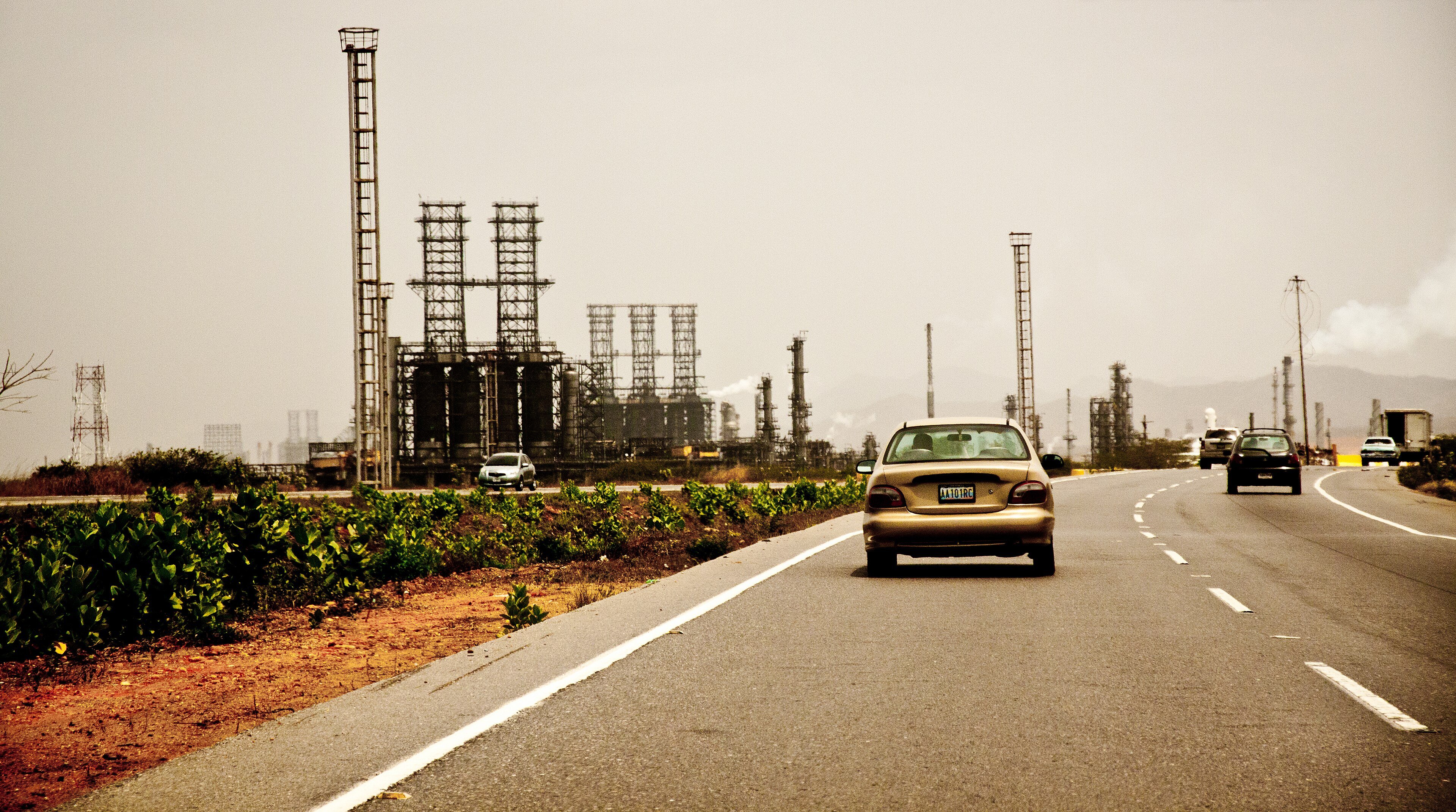
Photo: Daniel Zambrano / Wikimedia Commons, CC BY-SA 3.0
What does that mean for the price of petrol?
We will not guess a price, but we can show the size of the swing.
 Read nextA bug behind a TV at OpenAI. The AI company says its own AI helped catch him
Say Venezuela climbed from 1.0 to 1.5 million barrels a day. That adds 500,000 barrels, or about 0.5% of world supply. That is a small nudge against a hole of 8.3 million.
Brent settled at about $100 a barrel on 7 October. North Sea Dated hit a reported peak of $144.68 in early April. Our own story on why diesel is so expensive in 2026 explains how the shock spread, and our petrol price topic page tracks what it does to the pump.
Why can't every refinery just run Venezuelan oil?
Because much of Venezuela's oil is the awkward kind. It sits in the Orinoco Belt and is extra-heavy crude, thick like tar.
To make it flow down a pipe, producers mix in a lighter oil called a diluent. Then special plants called upgraders turn it into something more normal. After that, a refinery has to cope with it.
Plenty of refineries cannot. Many were built for lighter, runnier oil. Gulf Coast refineries in the US are the big exception, since many were built to cook heavy, sour crude.
That is why this has mattered in 2026. Analysts at Kpler say Venezuela passed Saudi Arabia and Mexico in May to become the second-largest crude supplier to the US, after Canada. Heavy Gulf fuel oil that those refineries used to buy disappeared when Hormuz closed.
So Venezuela is already helping. It is just helping one region, not the whole planet.
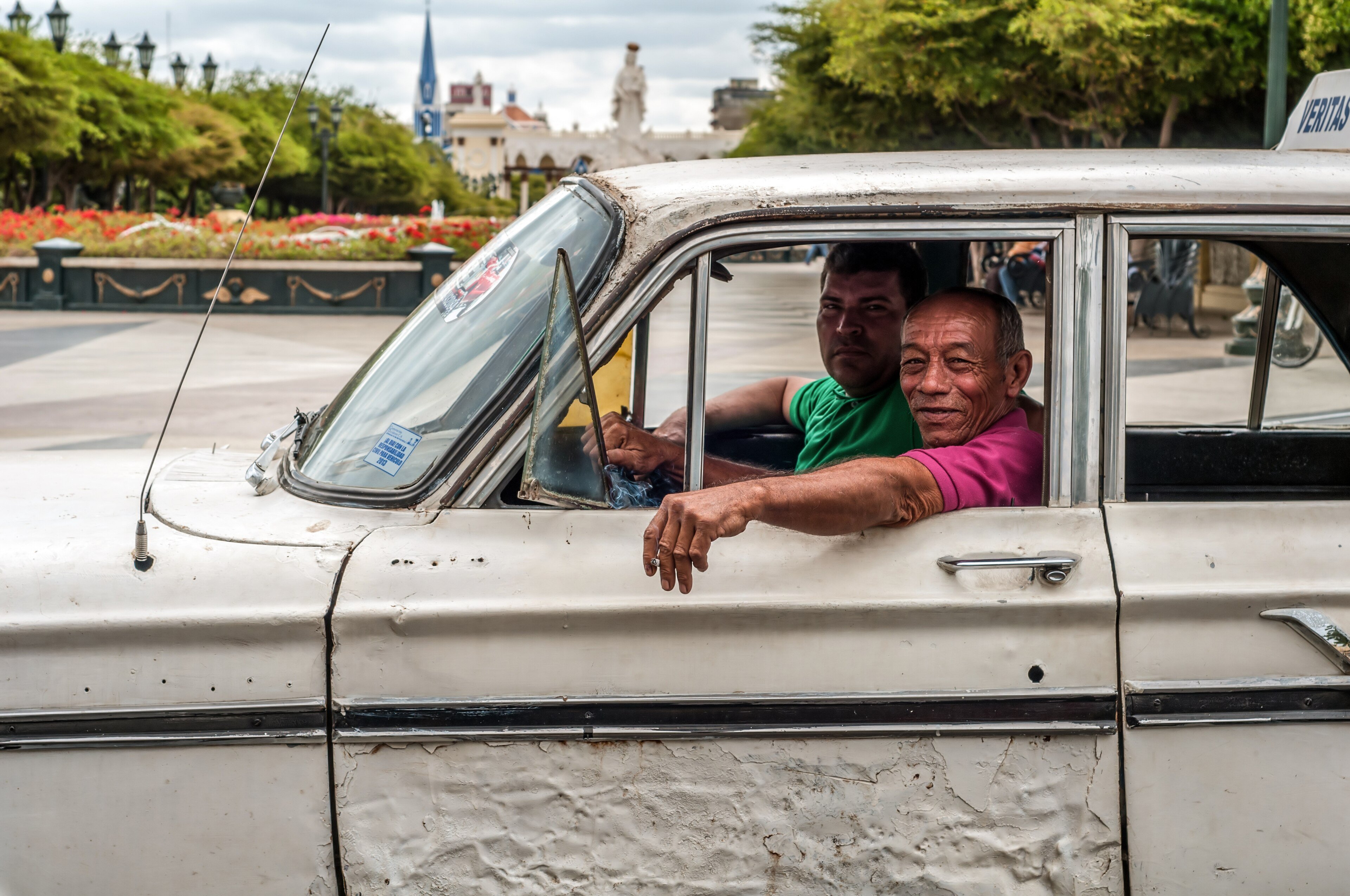
Photo: Wilfredor / Wikimedia Commons, CC0
Why did Venezuela's output fall so far?
It used to make more than 3 million barrels a day in the late 1990s. A long strike at the state oil firm PDVSA in 2002 and 2003 led to thousands of sackings, reported at about 18,000.
Years of underinvestment followed, and then US sanctions, which started on oil in 2019. By 2024 Venezuela made less than 1 million barrels a day and ranked 21st in the world.
The damage is not only in the ground. Wells, pipes and upgraders have been starved of money and skilled people for years.
Venezuela's official reserves also jumped from about 80 billion barrels in 2005 to about 300 billion in 2014. OilPrice.com says higher prices made the heavy oil worth counting, rather than new finds.
 Trending nowPetrol broke R30 a litre. We followed the money
And the country has paid a human price. UNHCR counted more than 7.9 million Venezuelans abroad at the end of 2024. R4V now puts about 6.98 million in Latin America and the Caribbean.
What changed in 2026?
On 3 January, US forces seized Nicolas Maduro in an overnight raid. His vice president, Delcy Rodriguez, took over as interim leader. Donald Trump said US oil firms would go in and fix the industry.
In late August, a deal was announced. Rodriguez says it runs for 25 years, covers 17 oilfields and targets more than 1.5 million barrels a day. Trump says it gives the US majority control of more than 65 billion barrels of reserves.
On 2 September, Chevron said it will invest more than $7 billion over five years. It aims for about 600,000 barrels a day, more than double its 2026 level.
Look at that again. Seven billion dollars and five years to add a few hundred thousand barrels. Critics also ask whether an interim leader can legally sign a 25-year deal.
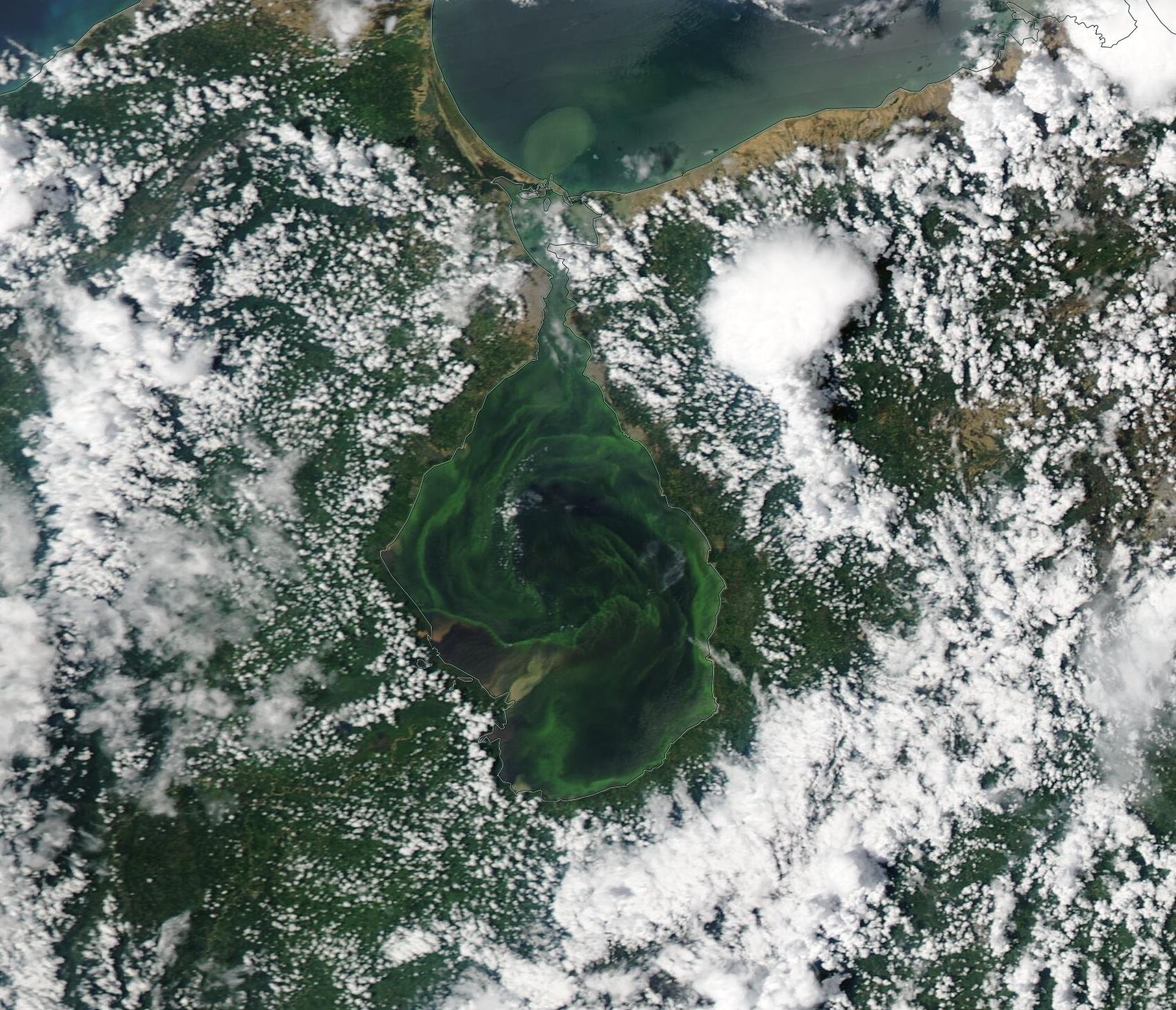
Photo: MODIS Land Rapid Response Team, NASA GSFC / Wikimedia Commons, Public domain
So what would it take to replace the Middle East?
The table compares the two side by side.
| Middle East (Gulf) | Venezuela | |
|---|---|---|
| Proven reserves | Saudi 267bn, Iran 209bn, Iraq 145bn | 303bn |
| Oil shut in or lost in 2026 | 8.3 million barrels a day (IEA, July) | Not shut in, but only about 1 million a day |
| Typical crude | Mostly lighter, easier to refine | Mostly extra-heavy, needs diluent and special refineries |
| Ramp-up time | Restarts if Hormuz reopens | Years of work |
| Money needed | Mostly repairs and shipping safety | $183bn to reach 3 million, says Rystad |
Rystad Energy said in January that getting back to about 3 million barrels a day would take more than a decade and about $183 billion.
So Venezuela cannot replace the Gulf. It can only soften the blow in a few places.
When did all of this begin? The timeline
| Date | What happened |
|---|---|
| 1976 | Venezuela takes over its oil and creates PDVSA |
| Late 1990s | Output above 3 million barrels a day |
| 2002 to 2003 | PDVSA strike, thousands of staff fired |
| 2014 | Reserves counted at about 300 billion barrels |
| 2019 | US oil sanctions begin |
| 2025 | Licences cancelled, Chevron exempted, tanker blockade |
| 3 Jan 2026 | US forces seize Maduro, Rodriguez becomes interim leader |
| May 2026 | Venezuela becomes the second-largest crude supplier to the US (Kpler, EIA data) |
| Late Aug 2026 | US-Venezuela oil deal announced, 25 years, 17 fields |
| 2 Sep 2026 | Chevron plans $7 billion and 600,000 barrels a day |
Sources: OPEC, IEA, AP, Reuters, Kpler, S&P Global.
What is the number nobody talks about?
Multiply 303 billion barrels by $100 and you get $30.3 trillion. That is what sits under Venezuela's ground.
Now compare it with the world's daily supply of 101.5 million barrels. At that rate, the world would burn through Venezuela's whole reserve in about eight years.
The oil is there, enough to fuel the planet for most of a decade. The tap is just 1% open.
Get the stories that hit your pocket
Petrol, SARS, Eskom, grants and the news everyone is talking about. One short email every weekday at 6am.
Free. One email each weekday. Unsubscribe anytime.Sources9
- NPR/AP, Chevron to expand in Venezuela days after the US and Venezuela strike oil deal (2 Sep 2026)
- IEA, Oil Market Report August 2026 (supply 101.5 mb/d in July, 8.3 mb/d of Gulf output shut in)
- Kpler, Venezuelan crude fills the feedstock gap left by Middle Eastern disruption
- Reuters via Ahram, Venezuela's interim president says US oil deal will last 25 years (Aug 2026)
- Enerdata, Venezuela and USA agree strategic deal covering 65 billion barrels of oil
- S&P Global, US accused of seizing Venezuela's oil as Maduro seized in attacks (3 Jan 2026)
- OilPrice.com, Does Saudi Arabia really have as much oil as analysts think
- UNHCR and R4V, Venezuela situation (refugee and migrant figures)
- Qatar News Agency, oil prices at settlement (7 Oct 2026, Brent about $100)
Keep reading
 WorldNo new Iran strikes until after the vote. Here is what it means at the pump
 WorldPink smoke, people in white and a Houthi missile at Riyadh's airport
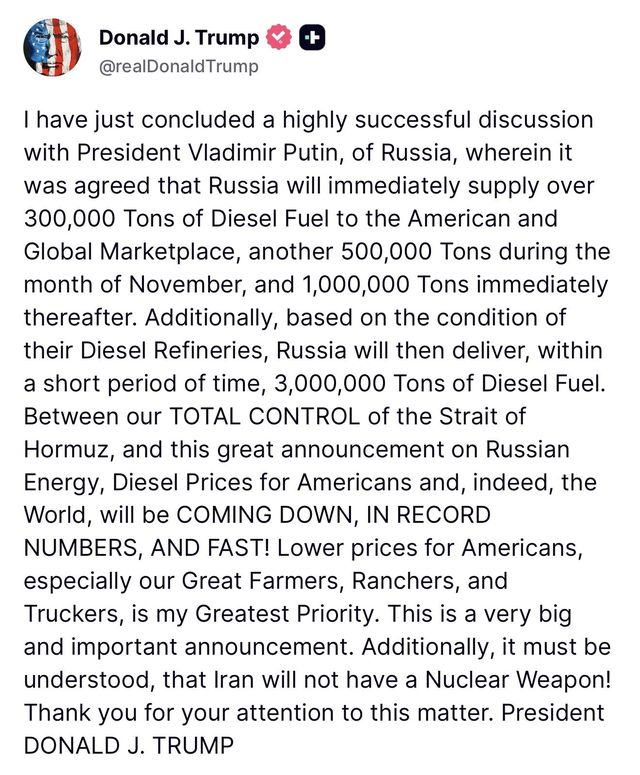 PoliticsTrump's Russian diesel deal, converted into barrels, and the backlash