Has a wealth tax on the rich ever actually worked?
Nine countries tried it and walked away. Three still collect it every year. The official reviews of why most quit point somewhere nobody arguing about California's new tax seems to be looking.
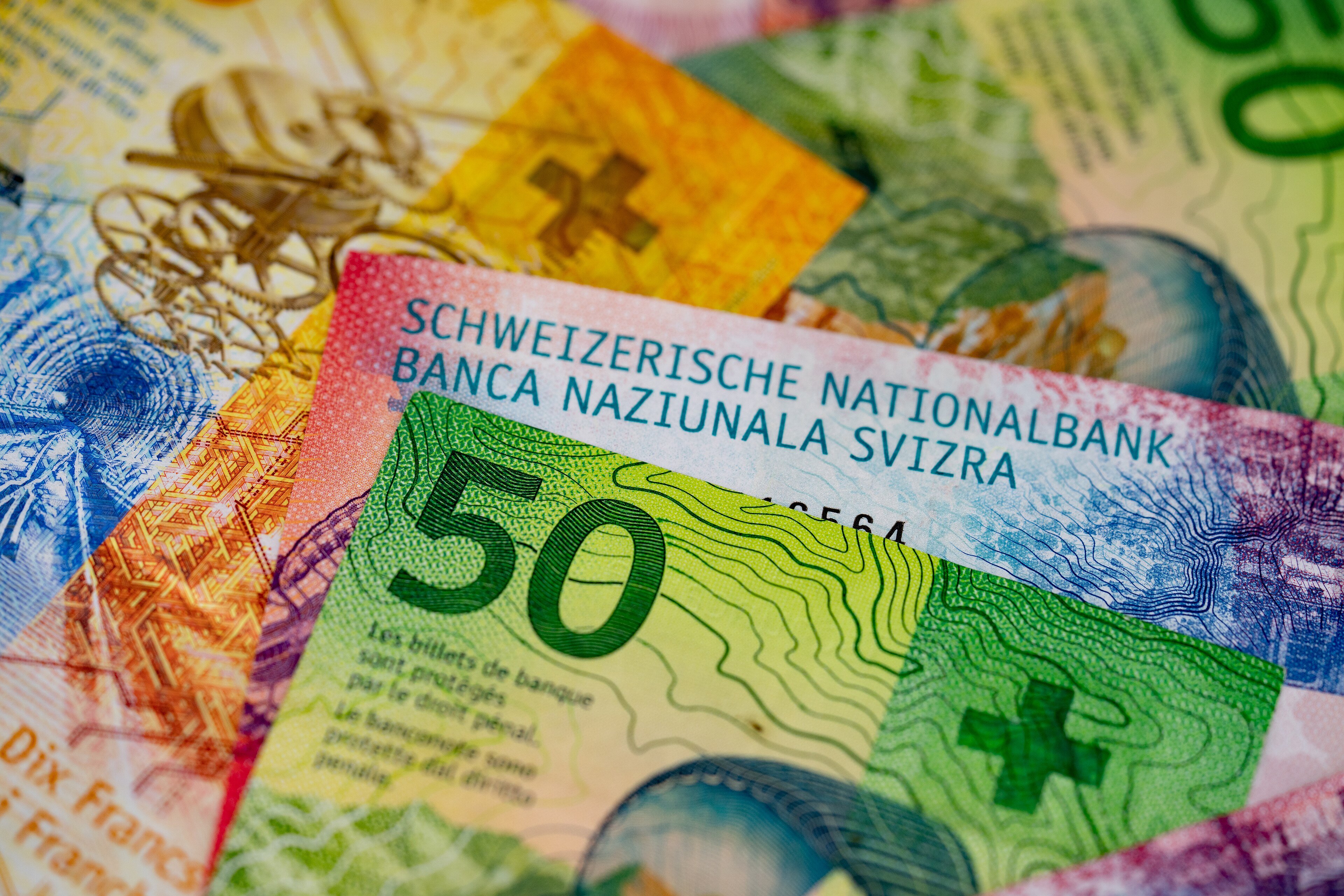
Photo: Tony Webster / Wikimedia Commons, CC BY 2.0
- Only 3 of 12 OECD countries that tried a wealth tax still have one
- Switzerland raises the most from it, 4.3% of all its tax revenue
- Official reviews blame the cost of collecting it, not mainly rich people leaving
Three. That is how many rich countries in the world still charge people a tax every single year just for what they own.
Twelve members of the OECD, the club of mostly wealthy nations, have run a net wealth tax at some point since the 1950s. Nine gave up on it. Norway, Spain and Switzerland are the only ones left standing.
California voters decide on 3 November whether to try a different version of the idea. Proposition 40 would take a one-time 5% cut from anyone worth over $1 billion, a measure Meta has already built a plan around for its own chief executive, Mark Zuckerberg. The state's own analysts say it could raise tens of billions of dollars, though they admit the number is hard to pin down.
That is a new, one-off idea. The twelve countries above tried the older, harder version: Taxing total wealth every year, forever. Their results are the closest thing we have to a real answer on whether it works.
Why did most countries get rid of their wealth tax?
Not mainly because the rich packed up and left, although that happened too. The OECD's own 2018 review of the policy gives a duller reason: The tax cost almost as much to collect as it brought in.
 Read next85 kilometres of shelves, 12 centuries of papers, and a door most of us will never walk through
Valuing a stake in a private business, a painting, or a pension pot every single year is slow and expensive. Owners dispute the valuations. Tax offices need specialist staff to check them. Several governments decided the fight was not worth the money it raised.

Photo: Wolfmann / Wikimedia Commons, CC BY-SA 4.0
Here is every country that has tried it, and what happened.
| Country | Years it ran | Top rate | Share of all tax raised | Status today |
|---|---|---|---|---|
| Denmark | 1903 to 1997 | 2.2% (cut to 1% in 1996) | not recorded | Scrapped |
| Sweden | 1911 to 2007 | 1.5% | 0.3% (2006, its last year) | Scrapped |
| Germany | 1952 to 1997 | about 1% | not recorded | Scrapped |
| Austria | 1954 to 1994 | 1% | not recorded | Scrapped |
| Netherlands | 1965 to 2001 | 0.8% | not recorded | Scrapped |
| France | 1982 to 2017 (full wealth tax) | 1.5% | 0.55% (2014, its peak year) | Narrowed in 2018 to real estate only, now 0.2% |
| Finland, Iceland, Luxembourg | each ran one until 2006 | not recorded | not recorded | Scrapped |
| Norway | still running | 1.1% above NOK 21.5 million | about 1.1% | Running |
| Spain | still running | up to 3.5% | 0.6% (2023) | Running |
| Switzerland | still running | up to about 1%, set by canton | 4.3% (2023) | Running |
Denmark, Germany and Austria between them charged the tax for close to 150 years combined, then all three dropped it within the same seven-year stretch in the 1990s.
Do rich people really leave when a country taxes their wealth?
Sometimes, and it can cost more than the tax ever brought in. Sweden's wealth tax raised an estimated 3.5 billion euros a year before it was scrapped in 2007, but researchers who tracked the departures put the lost income and other taxes at roughly 7 billion euros a year once wealthy residents, including IKEA founder Ingvar Kamprad, moved abroad.
Norway gives the clearest recent example. When the government raised its rate to 1.1% in 2022, around 50 of the country's richest people left within a couple of years, most of them for Switzerland. They took an estimated $54 billion in wealth with them, and Norway's own tax take is thought to have dropped by somewhere between $448 million and $594 million a year as a result.
Norway still runs the tax regardless. Most of its 655,000 taxpayers who owe anything are nowhere near billionaire status, so the government decided the trade-off was worth keeping.
How much does a wealth tax actually raise, when a country keeps it?
Not much, measured against everything else a government collects, except in one case. Here is what each of today's and yesterday's wealth taxes brought in as a share of total tax revenue.
Switzerland stands alone. There is no federal wealth tax there, only cantonal ones, and several cantons cap the total amount any one taxpayer can be made to pay across all their taxes combined, so the bill never gets confiscatory. That cap is widely credited with keeping wealthy residents in place instead of pushing them toward Norway's experience in reverse.
 Trending nowPinetown dad fires back at gunmen at his gate, and what the law says
Everywhere else the tax has run, it has stayed under 1% of total tax revenue for most of its life. That is the number both sides of the California fight tend to skip past: Even when a wealth tax survives for decades, it rarely becomes a major source of government money.
Photo: Avij (talk · contribs) / Wikimedia Commons, Public domain
What would California's Proposition 40 actually do?
A one-time hit, not a yearly one. The measure was put on the ballot by the healthcare union SEIU-UHW, which gathered more than 1.6 million signatures, far above the 874,641 required. It would take 5% once from any resident worth over $1.1 billion, with a smaller, sliding rate for anyone between $1 billion and that mark. Real estate, pensions and retirement accounts would not count toward the total.
Ninety percent of whatever it raises is earmarked for health care, with the rest split between education and food assistance. California's Legislative Analyst's Office expects it to bring in tens of billions of dollars spread over several years, though it says the real figure will swing with the stock market and with how billionaires restructure their finances in response, which is exactly what has happened under every annual wealth tax above, just at a smaller scale. A tax deadline crunch is familiar territory for American filers already. A one-off tax on roughly 200 to 250 people is a different animal entirely, closer to the tiny slice of taxpayers who already carry most of any country's income tax bill.
So could a wealth tax actually work?
Iceland already answered part of that question by accident. It scrapped its wealth tax in 2006, brought it back as an emergency measure during its banking collapse in 2010, collected it for four years, then let it lapse again in 2014. Even the country that proved a wealth tax can be switched on fast when money is needed could not find a reason to keep it running once the crisis passed.
California is not copying any of these twelve countries exactly. It is testing something narrower: One bill, one time, aimed at a few hundred people instead of everyone with savings. Whether that version avoids the problems that sank the others is the one thing none of the countries above can tell us, because nobody has tried it quite this way before.
Get the stories that hit your pocket
Petrol, SARS, Eskom, grants and the news everyone is talking about. One short email every weekday at 6am.
Free. One email each weekday. Unsubscribe anytime.Sources7
- BBC News, Are California voters about to impose world's first 'tax on billionaires'? (23 Oct 2026)
- OECD, The Role and Design of Net Wealth Taxes in the OECD (2018)
- Tax Foundation, Wealth Taxes in Europe (2026 update)
- IMI Daily, The 10 Countries That Still Tax Wealth
- California Legislative Analyst's Office, Proposition 40 ballot analysis
- CalMatters, Proposition 40 voter guide (Oct 2026)
- SEIU-UHW, California Billionaire Tax Act campaign page
Keep reading
 ExplainedThe N2 into Cape Town, stretch by stretch
 ExplainedShamonda virus just killed its first known human patient, in France
 ExplainedEverything that broke on 21 October 2026, and why one master key was the number 4