eThekwini's tap water scored 44.4. The city that just poisoned hundreds scored almost double
Here is where to find your own town's score, what the numbers mean, and why boiling the water does not always fix it.
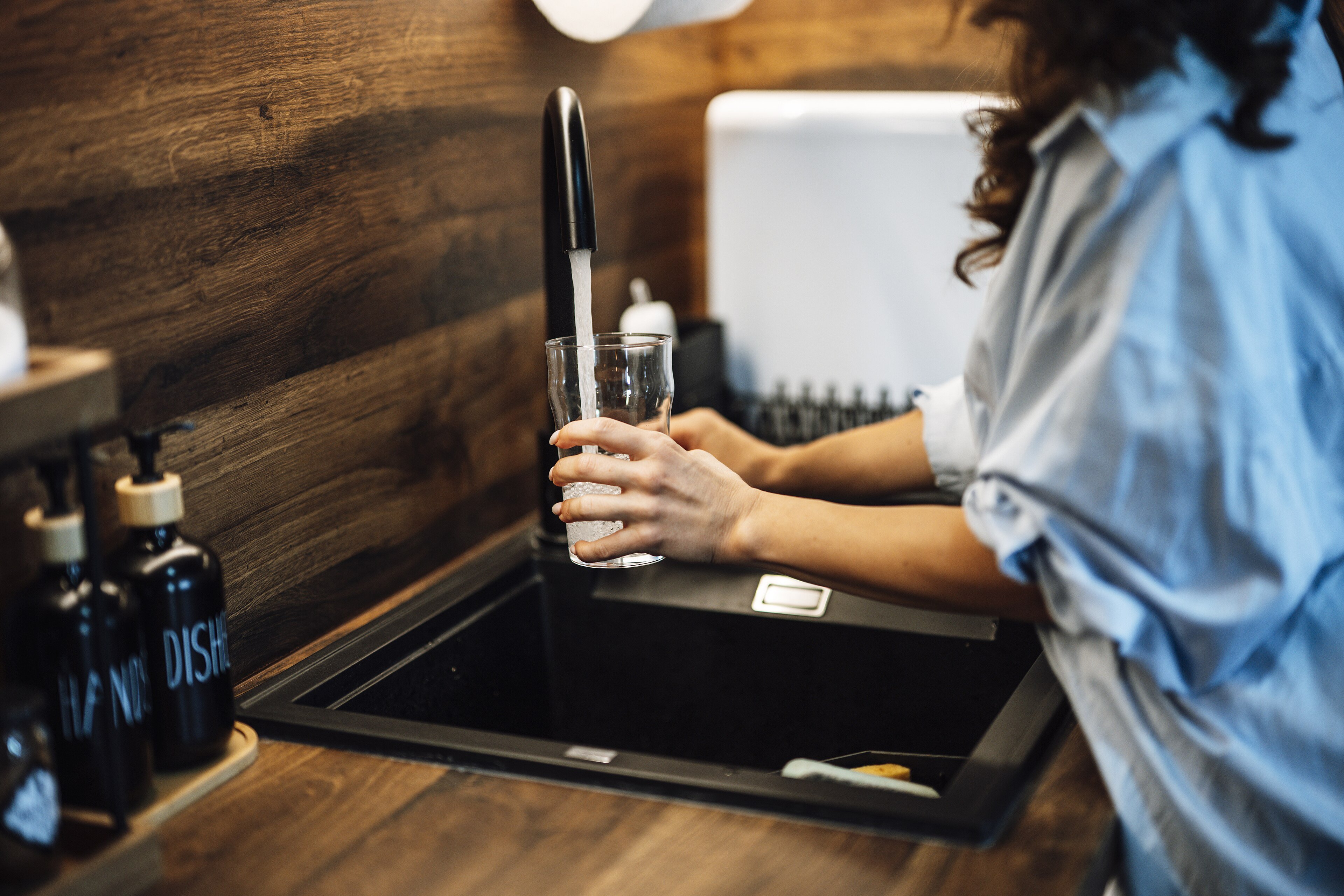
Photo: Shixart1985 / Wikimedia Commons, CC BY 2.0
- eThekwini's drinking water scored 44.4 out of 100, the worst of any metro
- Tshwane, where 408 people fell ill, scored 88, nearly double that
- Officials say boiling unchlorinated water is not enough to make it safe
44.4 out of 100. That is eThekwini's score for drinking water quality, the worst of any metro in South Africa. It has nothing to do with Tshwane.
Tshwane is the city everyone is talking about. From 24 September to 14 October 2026, its Bronkhorstspruit treatment plant ran out of chlorine and kept supplying water anyway. The chlorine supplier had demanded a fourfold price increase, talks broke down, and nobody told the city's leaders in time. By the time inspectors found the problem, 408 people had fallen sick, most of them children under four. Lab tests on their stool samples found norovirus, campylobacter and shigella, all signs of contaminated water.
Tshwane's own drinking water score sits at 88 out of 100. The government calls that "adequate." eThekwini's 44.4 is rated "critical." The city that just poisoned hundreds of people scores nearly double the metro with the country's worst water on paper.
The Department of Water and Sanitation checks every municipal water supply in the country and publishes a score for each one. It is called the Blue Drop report. Almost nobody looks at it until something goes wrong near them.
Which metro has South Africa's worst tap water?
The department's last full check of every metro, released in March 2026, ranked all eight from worst to best.
| Metro | Blue Drop score | Rating | Report date | Source |
|---|---|---|---|---|
| eThekwini (Durban) | 44.4 | Critical | Released March 2026 | Department of Water and Sanitation |
| Mangaung (Bloemfontein) | 45.6 | Critical | Released March 2026 | Department of Water and Sanitation |
| Nelson Mandela Bay (Gqeberha) | 81 | Adequate | Released March 2026 | Department of Water and Sanitation |
| Buffalo City (East London) | 83.5 | Adequate | Released March 2026 | Department of Water and Sanitation |
| City of Tshwane (Pretoria) | 88 | Adequate | Released March 2026 | Department of Water and Sanitation |
| Ekurhuleni | 97.1 | Excellent | Released March 2026 | Department of Water and Sanitation |
| City of Cape Town | 98.1 | Excellent | Released March 2026 | Department of Water and Sanitation |
| City of Johannesburg | 98.1 | Excellent | Released March 2026 | Department of Water and Sanitation |
eThekwini has sat near the bottom for years. Mangaung is close behind it, because raw sewage from two broken treatment works flows into the Maselspoort Dam, the same dam that supplies Bloemfontein's tap water.
How do I check my own town's score?
You do not need to guess. The Department of Water and Sanitation runs a public system called IRIS, where every municipality's water test results sit in one place. Go to ws.dws.gov.za/IRIS and look for your own municipality's name in the Blue Drop results.
 Read nextEverything that broke on 21 October 2026, and why one master key was the number 4
It is not a simple "type your town" search box. The results are listed by province and municipality, so it takes a minute of clicking. But the numbers are real, government-tested, and free to see.
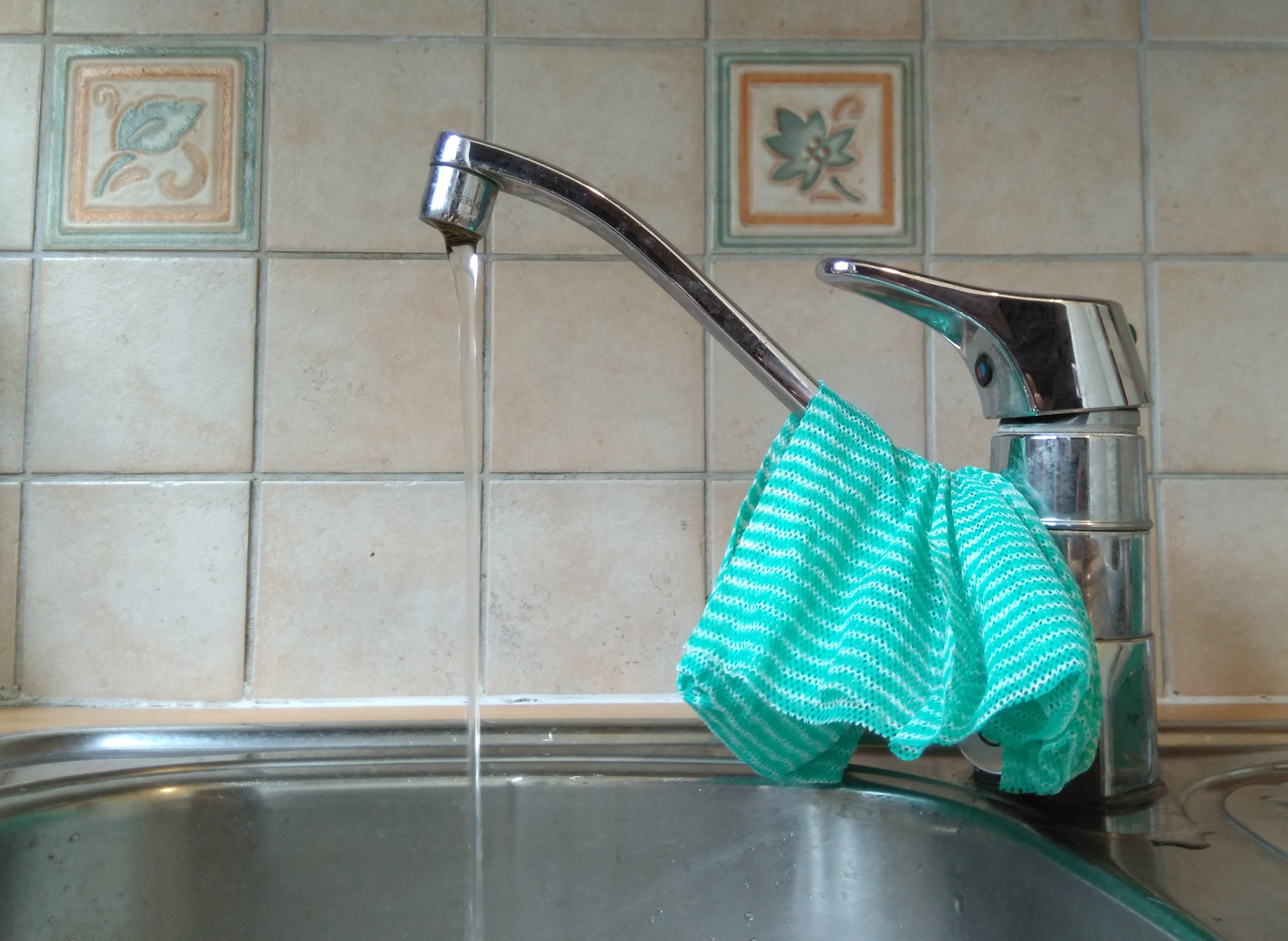
Photo: Fourteenzerozero / Wikimedia Commons, CC0
A low score does not always mean the water flowing right now is unsafe. It means the system has weak spots. Old pipes, missed tests or low chlorine levels make problems like Tshwane's more likely. A high score is not a lifetime guarantee either. Tshwane proved that with its 88.
The Blue Drop score is not a guess. Department inspectors check things like how often a plant tests its water, whether it has enough qualified staff on site, how it stores chemicals like chlorine, and whether it has a backup plan for when something breaks. A system scores low when several of those checks fail at once, not from one bad day.
Is boiling the water enough if something goes wrong?
No, not always. This is the part most people get wrong.
When Tshwane's water ran unchlorinated, health authorities, the Department of Water and Sanitation and the city issued a joint warning. They said the water should not be used for drinking, cooking, washing or bathing, even after boiling. Boiling kills some germs, but it does not remove the bacteria and chemical risks tied to raw sewage getting into a water system. The city admitted it failed to explain this clearly at first, so some residents kept bathing and washing dishes in water they thought boiling had made safe.
By 24 October, Mayor Nasiphi Moya confirmed that Pretoria's CBD and the surrounding suburbs no longer needed to boil their tap water. The advisory for Bronkhorstspruit, Zithobeni and Ekandustria, where most of the illness cases were recorded, took longer to lift.
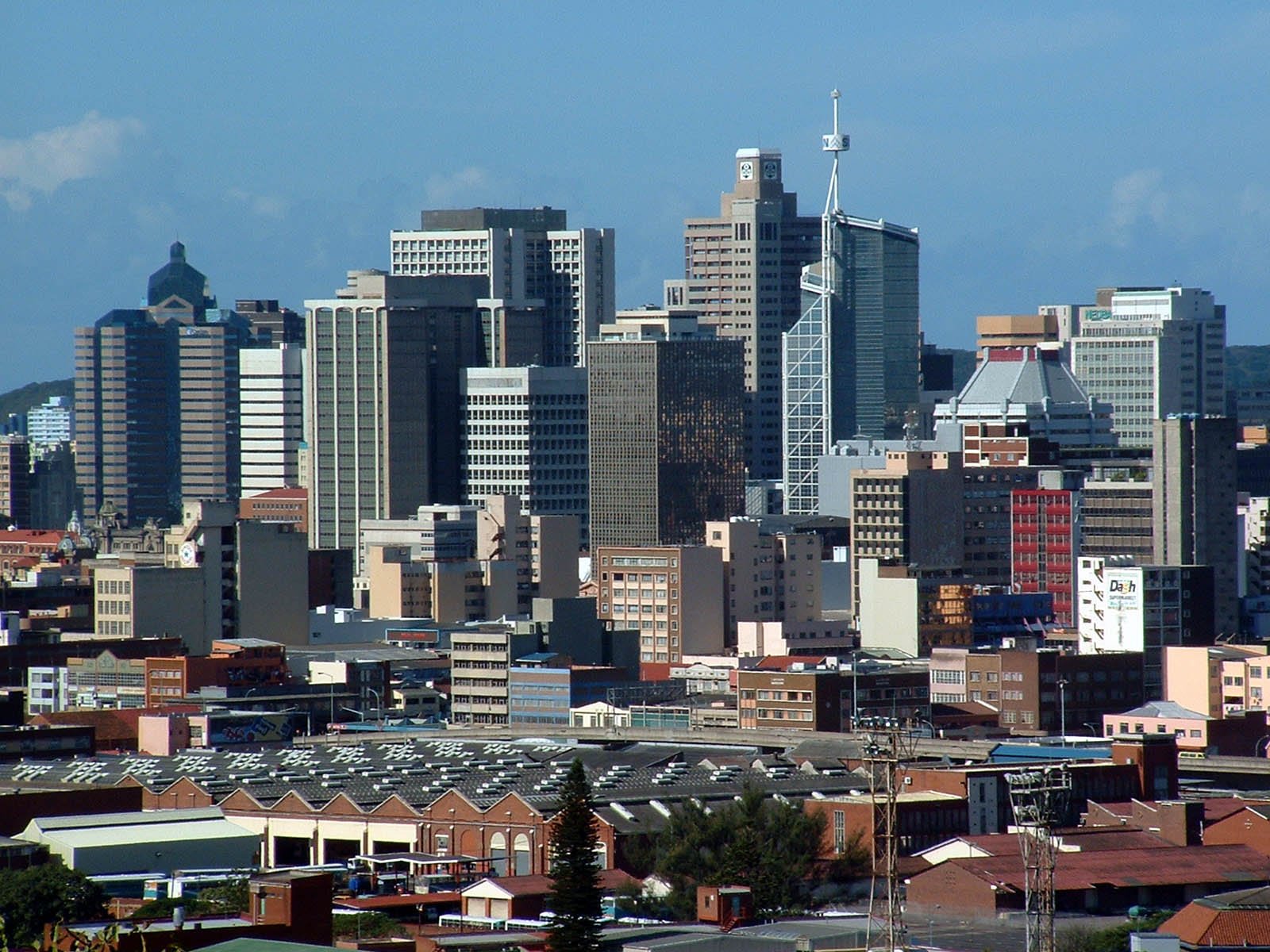
Photo: Chris Bloom / Wikimedia Commons, CC BY-SA 2.0
The lesson for every other town is simple. If your municipality ever issues a water warning, read the exact wording. "Boil before drinking" and "do not use for any purpose, even after boiling" are two different instructions, and mixing them up is what made Tshwane's outbreak worse.
Is South Africa's water getting better or worse?
A little better, nationally, but still shaky. Across the country's 1,006 water supply systems, the share rated low-risk rose from 60.2% to 61.9% between the 2022 and 2025 checks. Systems rated critical-risk fell from 9.9% to 7.9% over the same period, according to the department's briefing to Parliament's water and sanitation committee.
 Trending nowPinetown dad fires back at gunmen at his gate, and what the law says
That improvement is real, but it hides a bigger problem. The South African Human Rights Commission says almost half of the country's water supply systems sit in the high-risk category for microbiological quality, meaning the germs that cause stomach illness are a live risk, not a rare one. The Commission has called this an immediate health risk for the households and towns that rely on those systems.
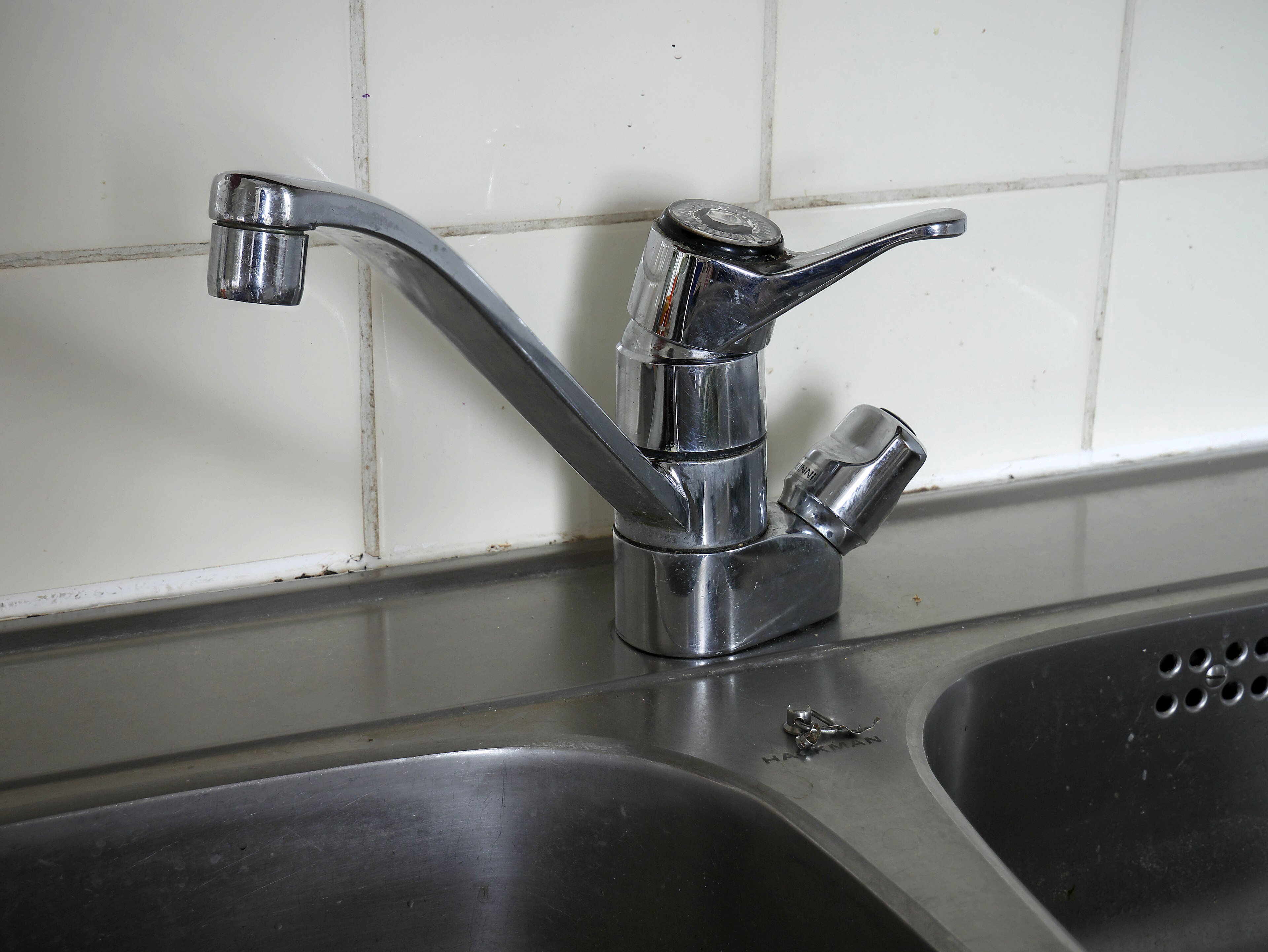
Photo: Santeri Viinamäki / Wikimedia Commons, CC BY-SA 4.0
Which provinces have the worst water, and which are safest?
The Western Cape and Gauteng come out on top. In the Western Cape, 93% of water systems are rated low-risk and none are critical. That is the same province that fought off Day Zero and kept its taps running through its worst drought in decades.
The Northern Cape and the Free State sit at the other end. In the Northern Cape, 24% of water systems are rated critical-risk. Both provinces were flagged by the department as needing urgent attention.
None of this happens in isolation from money. Tshwane has also been found to lose 47% of the water it treats to leaking pipes before it ever reaches a tap, and the way municipalities raise and spend money, laid out in a real bill, line by line, decides whether old pipes and treatment plants ever get fixed.
A town with a good score can still slip. Tshwane's 88 did not stop 408 people from getting sick, and it took three weeks for anyone outside the plant to notice the chlorine had run out. The only way to know where your own water really stands is to look up the number yourself, and to remember that when a city tells you not to drink the water, boiling it is not always the answer they mean.
That is the part eThekwini's 44.4 cannot teach you and Tshwane's 88 just did. A score tells you how a system was running when it was last checked. It does not tell you what happens the week a supplier cuts off the chlorine.
Get the stories that hit your pocket
Petrol, SARS, Eskom, grants and the news everyone is talking about. One short email every weekday at 6am.
Free. One email each weekday. Unsubscribe anytime.Latest on this
 25 Oct 2026Tshwane ran a water plant 21 days with no chlorine. 408 fell ill
Sources8
- Parliamentary Monitoring Group, Department of Water and Sanitation briefing on the 2025 Blue, Green and No Drop reports (9 June 2026)
- Department of Water and Sanitation, IRIS water quality lookup tool
- Daily Maverick, leaking pipes, filthy rivers and health risks exposed in SA's latest water report cards (31 Oct 2026)
- Mail & Guardian, SA's water crisis deepens (31 Mar 2026)
- South African Human Rights Commission, media statement on water system deterioration
- TimesLive, Poison on tap: Tshwane ignored warnings before water crisis sickened hundreds (24 Oct 2026)
- Mail & Guardian, Tshwane admits negligence after 408 fall ill in Bronkhorstspruit (19 Oct 2026)
- IOL, residents advised against using tap water due to unchlorinated Tshwane water (24 Oct 2026)
Keep reading
 ExplainedOnly three rich countries still charge an annual tax on what people own
 ExplainedThe N2 into Cape Town, stretch by stretch
 ExplainedShamonda virus just killed its first known human patient, in France