Does a shop have to sell you an item at the shelf price?
Most shoppers assume a store has to honour the price on the shelf. In several countries that is not automatically true, and the one law that does force it is the part almost nobody knows.
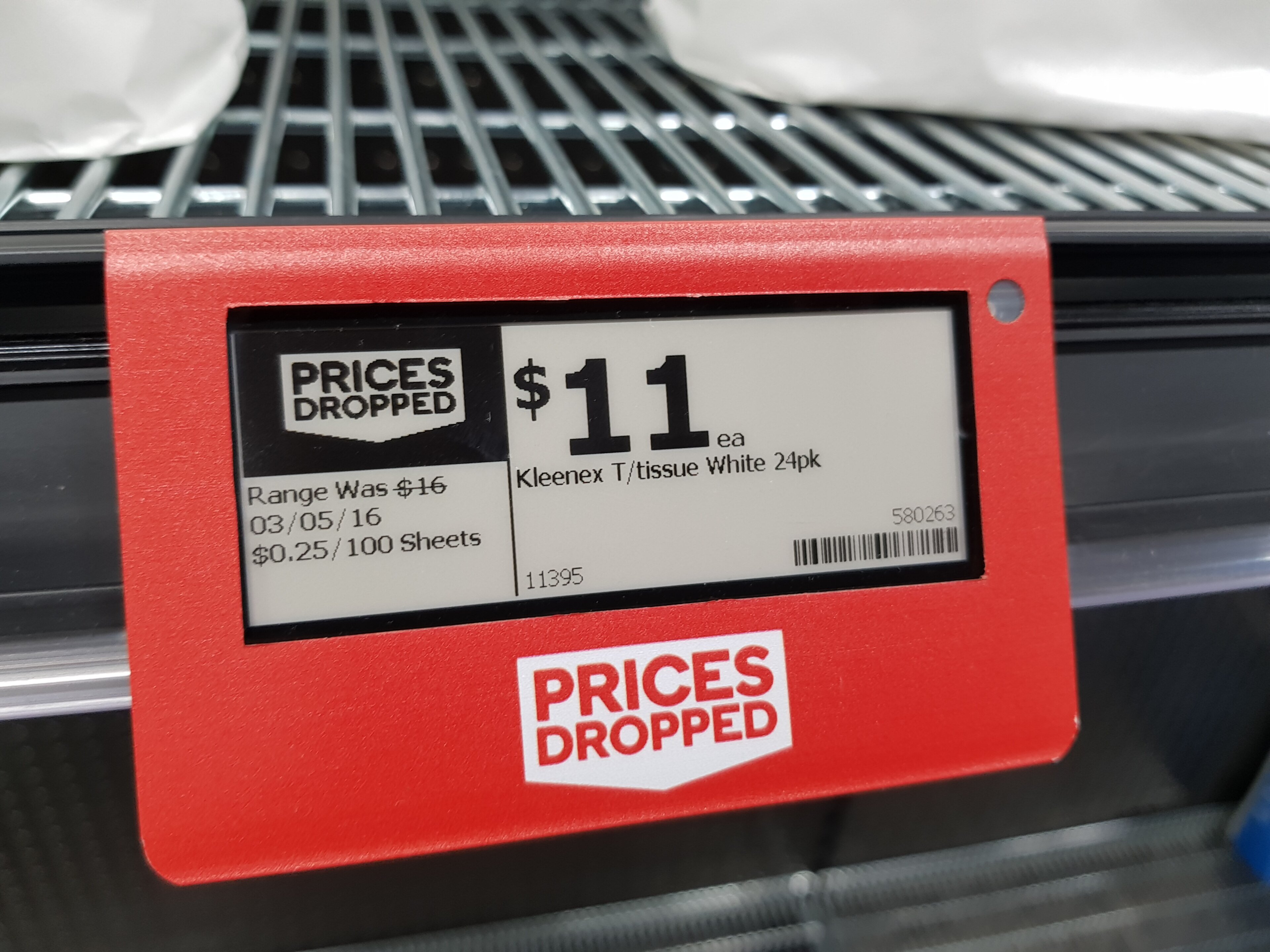
Photo: Maksym Kozlenko / Wikimedia Commons, CC BY-SA 4.0
- A shop is not always forced to sell you the item at the shelf price
- South Africa and Australia legally require the lower price
- Canada's "free item" promise is a store choice, not a law
A price tag on the shelf is not always the price the law makes you pay. In South Africa and Australia, a shop that shows two prices for the same item must charge you the lower one. In the United Kingdom and Canada, it does not have to, even though most shoppers assume it does.
The rule changes again in the United States, where it depends on the state you are in.
Does a shop have to give you the shelf price?
Not everywhere, and not automatically. Most countries treat a price tag as an invitation for you to make an offer, not a binding promise. The shop can still say no.
Only South Africa, Australia and parts of the United States turn that into a legal requirement once two prices appear on the same item.
Before anything else, here is what to do and who to call.
Key facts: - In the first 60 seconds, check the receipt against the shelf tag before you leave the till area - Photograph the shelf tag with the item still sitting next to it, before staff can move it - Ask for the store manager, not the cashier, if the till price is higher - Myth to drop: A shop is not automatically forced to honour the shelf price in every country
The table below names the law, the regulator and the link to file a complaint in each country.
| Country | The rule | Who you complain to | Official link |
|---|---|---|---|
| South Africa | Consumer Protection Act, Section 23: If two prices are shown for the same item, you pay the lower one | National Consumer Commission or the Consumer Goods and Services Ombud | thencc.gov.za |
| Australia | Australian Consumer Law's multiple pricing rule: The shop must sell at the lowest displayed price or pull the item from sale | Australian Competition and Consumer Commission and your state Fair Trading office | accc.gov.au |
| United States | No single federal law forces it, but some states do. California's Business and Professions Code Section 12024.2 bans charging more than the lowest posted or shelf price | The FTC and your state weights and measures or consumer protection office | reportfraud.ftc.gov |
| United Kingdom | The Consumer Protection from Unfair Trading Regulations make deliberately misleading pricing an offence, but there is no automatic right to the lower price | Citizens Advice consumer service, which passes reports to Trading Standards | citizensadvice.org.uk |
| Canada | No law requires it. The Scanner Price Accuracy Code is a voluntary retailer promise, not a statute | The store manager first, then the Competition Bureau for deceptive pricing | retailcouncil.org |
What should you do in the first 60 seconds at the till?
Stop before you walk away. Checking the receipt while you are still standing at the till is the single biggest factor in getting the price fixed on the spot.
Line up the item on the receipt against the number on the shelf. If they do not match, say so straight away, calmly, and ask to see the shelf tag again if you can.
 Read nextEverything that broke on 21 October 2026, and why one master key was the number 4
Take a photo of the shelf tag before you leave the aisle, with the product still next to it. Staff sometimes correct a wrong tag within minutes once a shopper complains, and a photo is your only proof once that happens.
If the cashier cannot fix it, ask for the manager. Most chains have a store-level policy for price mismatches that a cashier is not authorised to apply alone.
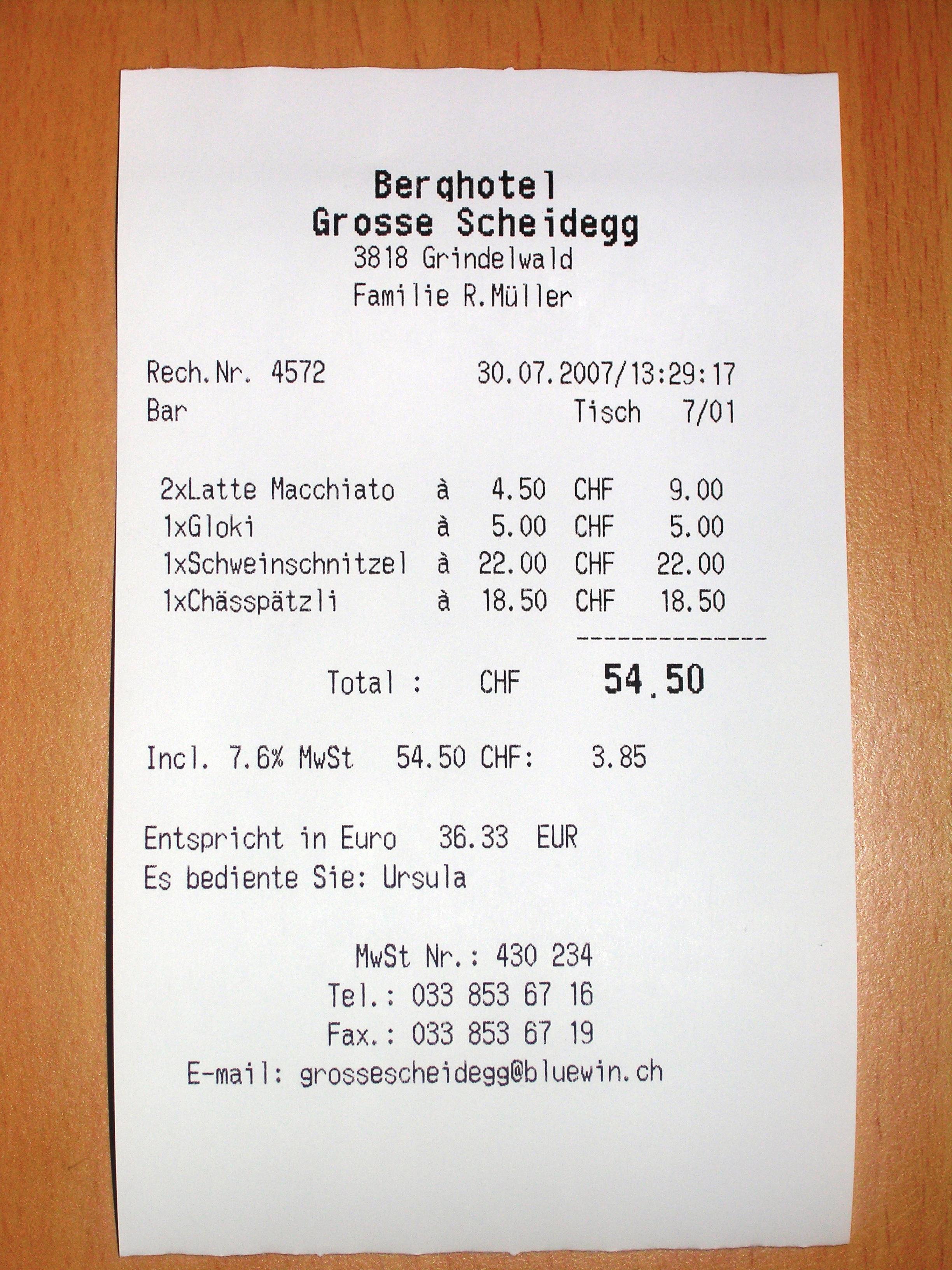
Photo: Audrius Meskauskas (Audriusa) / Wikimedia Commons, CC BY-SA 3.0
Why did almost 30,000 people complain about one chain?
The Federal Trade Commission and 20 US states sued Dollar General on 26 October 2026, accusing the chain of charging more at the register than the price on its shelves. The case cites close to 30,000 consumer complaints filed against the chain between 2019 and March 2026.
That number is why this question suddenly matters to so many shoppers at once. A single chain generated almost 30,000 complaints over seven years, which means the mismatch between shelf and till is not rare. It is one of the most common retail complaints there is.
Our full account of the Dollar General case, including what the FTC and the states are asking a court to order, is in our report on the FTC's lawsuit against Dollar General.
Why do so many people think the shelf price is binding?
Because in ordinary contract law, it almost never is. A shelf display is usually what lawyers call an "invitation to treat". It invites you to make an offer, which you do at the till, and the shop can accept or reject that offer.
That one legal idea is why a UK or Canadian shop can, in theory, refuse to sell you something at the price on the shelf.
It is the same kind of gap between what people assume and what the rule actually says that catches shoppers out every year on tax deadlines, like the mix-up over what an IRS extension to file actually buys you. An extension sounds like more time for everything. It is only ever more time for one part of it.
 Trending nowPinetown dad fires back at gunmen at his gate, and what the law says
South Africa and Australia closed that gap for pricing by writing a specific rule into their consumer law: Once two prices exist for the same item, the lower one wins, full stop.
What's different about the US rule from state to state?
There is no federal law that forces a US retailer to honour its shelf price. The Dollar General case is being brought under federal and state consumer protection laws that ban unfair and deceptive practices generally, not a specific "must charge the shelf price" rule.
Several states fill that gap themselves. California's Business and Professions Code Section 12024.2 makes it unlawful to charge more than the lowest price posted on the item or its shelf tag, and the state's weights and measures offices enforce it with fines. Other states run their own price-accuracy or scanner inspection programmes.
That is why the same complaint can lead to a refund in one state and a shrug in another, depending entirely on which state's law applies.
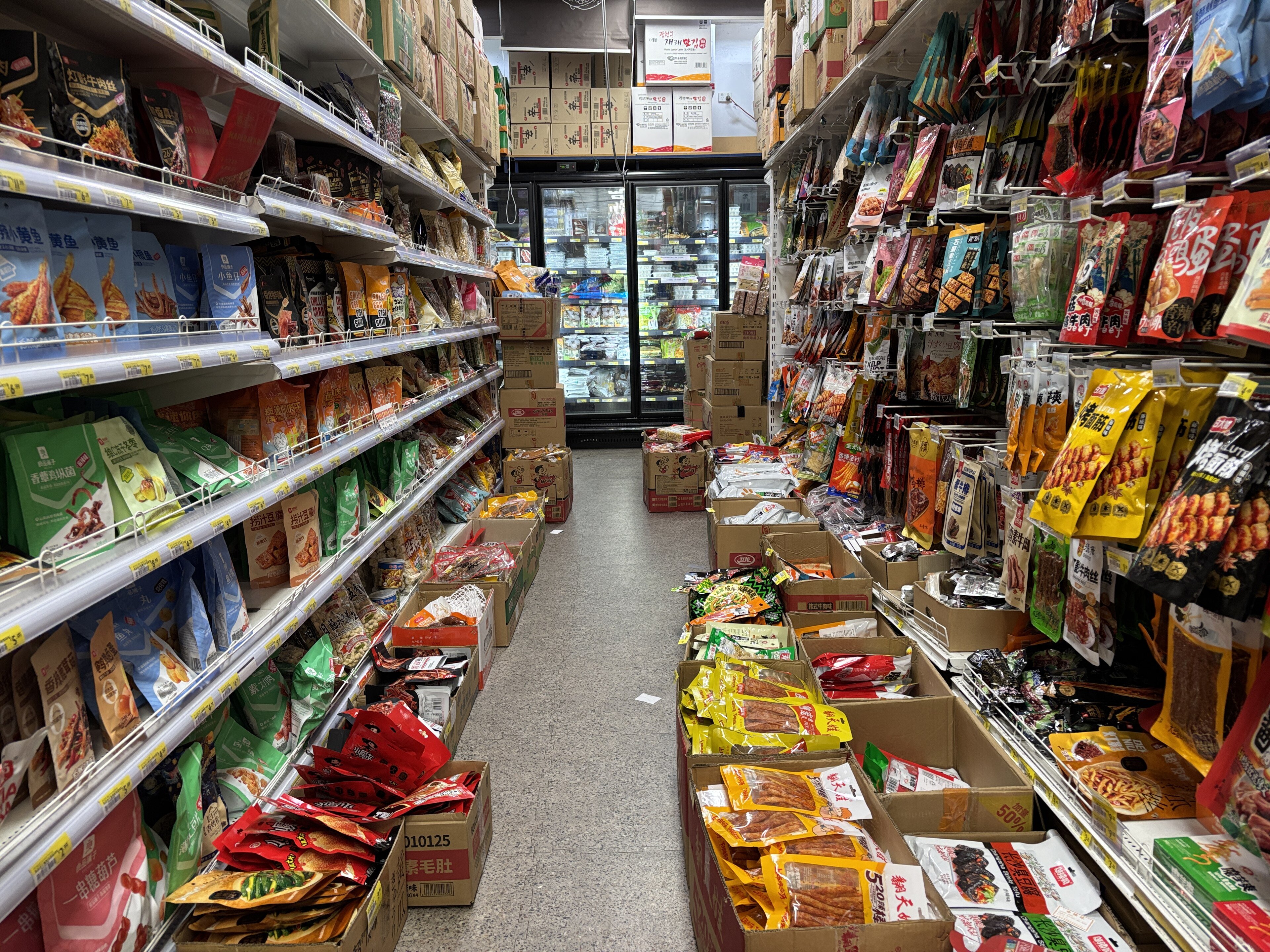
Photo: Nick-D / Wikimedia Commons, CC BY-SA 4.0
Does South Africa or Australia actually force the lower price?
Yes, in both countries, and this is the part most people get backwards. South Africa's Consumer Protection Act and Australia's Consumer Law both say the same thing in different words: Once a shop displays two prices for one item, it must charge the lower price or pull the item off the shelf until the tag is fixed.
South Africa's Consumer Goods and Services Ombud has ruled on exactly this kind of dispute before, confirming that a displayed price binds the supplier once it is shown. Shoppers who hit a till that charges more than the shelf should take that mismatch straight to the shop, then the Ombud or the National Consumer Commission if it is not fixed.
A South African retail sector already trimming margins as shoppers trade down to cheaper brands has little room to shrug off a legal pricing complaint.
Canada's "free item" promise, by contrast, is not a law at all. It is a voluntary code that most big chains follow by choice, which is why a small or independent shop can simply decline it.
What's the one thing worth remembering at the till?
Say the shelf price out loud before you pay, and ask the till to match it. In South Africa and Australia, that is not a favour. It is the law, and the shop knows it.
Everywhere else, it is still worth asking. Most big chains would rather give back a few rand or cents than deal with a complaint to a regulator with your photo of the shelf tag attached.
Get the stories that hit your pocket
Petrol, SARS, Eskom, grants and the news everyone is talking about. One short email every weekday at 6am.
Free. One email each weekday. Unsubscribe anytime.Sources9
- CNBC, FTC and 20 states sue Dollar General over shelf price overcharging (26 Oct 2026)
- ReportFraud.ftc.gov, the FTC's consumer complaint intake
- California Business and Professions Code Section 12024.2, inaccurate pricing
- Citizens Advice, how to report a business to Trading Standards
- Consumer Goods and Services Ombud ruling, refusal to sell at the displayed price (2014)
- Consumer Protection Act 68 of 2008, Section 23 on displayed prices
- Retail Council of Canada, Scanner Price Accuracy Code
- Competition Bureau Canada, scanner price accuracy
- ACCC, price displays and the multiple pricing rule
Keep reading
 ExplainedWhy England's reservoirs are still emptying after a record wet winter
 ExplainedWhat happens to your gun after a self-defence shooting in SA
 ExplainedSingapore was poorer than South Africa in 1965. Here is how it got 15 times richer