Drones set fire to Russia's Google, and banks, trains and shops went down with it
Yandex is called Russia's Google. One strike on one building in a small town knocked out far more than search.
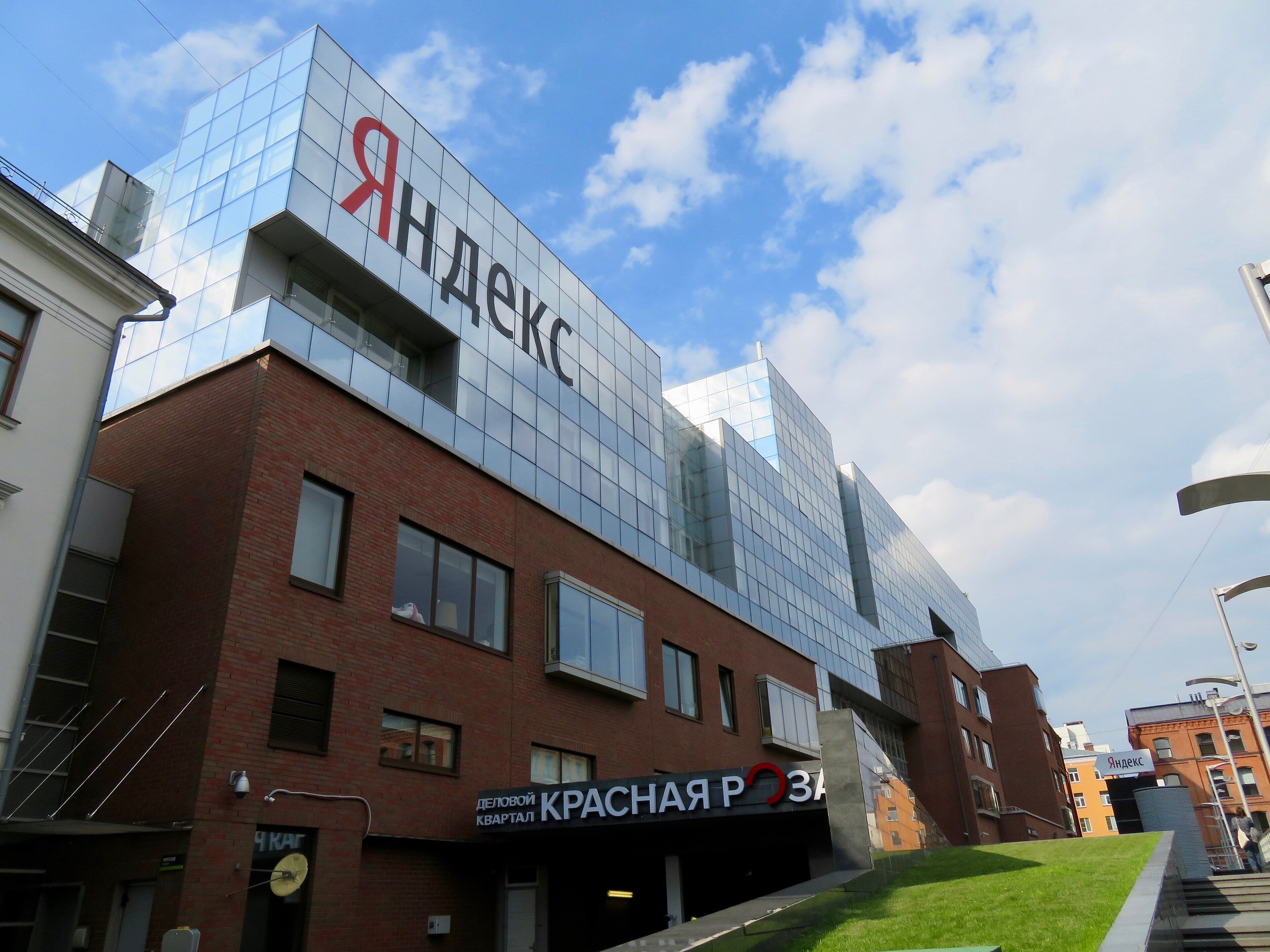
Photo: WikiFido / Wikimedia Commons, CC BY-SA 4.0
- A single data centre fire hit Russian rail, shops and ticket sales
- Two of Yandex's three AI supercomputers were reportedly kept there
- Yandex still cannot say if the servers can be saved
A Russian tracking site called Detector404 logged 58,268 outage complaints in one day after drones hit a Yandex data centre. Yandex is often called "Russia's Google." The strike set a building on fire in the small town of Sasovo, and the damage reached far past search.
Reuters called it the first major attack on a Russian data hub since the war with Ukraine began. The BBC reports that Yandex is now struggling.
What exactly did the drones hit in Sasovo?
Sasovo is a town in the Ryazan region, south-east of Moscow. Yandex runs five large data centres. One of them is in Sasovo.
It holds tens of thousands of servers. Overnight on 8 October, Yandex says, a drone attack caused a fire. The company suspended operations at the site.
Russia's defence ministry listed the Ryazan region among the areas where it shot down Ukrainian drones overnight. The Ryazan governor said two drones were downed. Yandex confirmed the attack and the fire, but it did not say where the drones came from. Reports say Ukraine has not publicly claimed this strike.
The independent Telegram channel Astra reported a fire at a machine-tool plant in Sasovo that houses one of the Yandex data centres.
Why did a fire in one town knock out shops, trains and ticket sales?
A data centre is a building full of computers that other companies rent. Many sites keep their data and run their software there. When the building goes offline, they go with it.
Yandex Cloud told customers that one data centre "zone" had power problems. It advised them to move to other zones. That advice only works for firms that had planned for it.
 Read nextNovember petrol forecast: Now about R3.01 more a litre
People reported the following.
| What went wrong | Detail reported |
|---|---|
| Yandex Cloud | Power problems in one zone, customers told to switch |
| Avito, the classifieds site | More than 14,000 complaints in a day |
| Russian Railways website | Technical issues |
| Cian, Litmarket, Spartak Moscow sites | Technical issues |
| A state-owned Moscow-region bus firm | Online ticket sales down, blamed on a "temporary shutdown of a data centre" |
| Yandex shares on the Moscow Exchange | Fell 3% |
Sources: Reuters, United24 Media, Euronews. Figures are from 8 October 2026.
Some outlets also mention trouble at banks, mobile operators and streaming services. The details vary by outlet, so the full list may still be growing.
Did Yandex search and taxis stop working?
Not according to Yandex. The company says its core consumer services were not affected. One report says Downdetector counted more than 1,300 user reports for Yandex Cloud, Yandex Documents and Yandex Tables, while search and taxi stayed online.
So most Russians could still google the Russian way. The pain landed on the businesses behind the scenes. That is why the complaints came from ticket sellers, shops and classifieds sites, not from people searching for recipes.

Photo: BalticServers.com / Wikimedia Commons, CC BY-SA 3.0
Can the Sasovo servers be saved?
Yandex says it is restoring the affected services. But it also told Reuters it could not confirm whether the data centre equipment in Sasovo can be restored at all. It said the scale of the damage was still being assessed.
That is a big admission. Fire, smoke and heat can ruin servers that never burned. Replacing tens of thousands of them is not a weekend job.
Sanctions make it harder. Sberbank, Yandex's main domestic rival, says Russian AI developers trail US and Chinese ones by six to nine months. Trouble importing advanced chips is seen as the main reason.
What about the AI supercomputers inside?
This is the detail that made tech watchers sit up. In 2021, Yandex said the Sasovo site held two of its three supercomputers. They run on Nvidia A100 chips and are used to train YandexGPT, its answer to ChatGPT.
 Trending nowPetrol broke R30 a litre. We followed the money
Yandex declined to say whether they were affected in the attack. That silence is why the rumour mill is busy. People online are asking if Russia's best home-grown AI machines are now scrap metal. Nobody outside Yandex can say.

Photo: Rsparks3 / Wikimedia Commons, CC0
Is this a new phase of the war?
Reuters says drone attacks by both sides have spread from energy sites, refineries and ports to ships, online-shop warehouses and now data centres.
Russia has hit Ukrainian data centres and telecom sites over the past month, including targets in central Kyiv. Some Ukrainian data centres shut down. One attack left 100,000 households without internet for a time. Ukraine's digital minister told Reuters last month that the country is moving its digital infrastructure underground.
Now the same weak spots are open on the Russian side. In August, Putin gave the state power to take control of important infrastructure that is badly protected from drones. RBC reported, citing sources, that businesses are talking to the government about building data centres in countries Moscow sees as friendly.
We have covered how shaky things can look inside Russia before. See the Siberian lab death Russia won't call plague and why Moscow's old cover-ups make people doubt it.
Why is Yandex such a big target?
Yandex built Russia's first search engine in 1997. It also runs a cloud service, a taxi app, a music service and an AI model. It is one of the few big Russian firms not under Western sanctions.
That makes it part shop window, part backbone. A strike on its servers hits ordinary Russians and the companies they pay at once.
Fuel has been the big sanctions story. Our look at Trump's Russian diesel deal shows how much the world still leans on Russian oil. Data is another kind of fuel.
The timeline so far
| When | What happened |
|---|---|
| 1997 | Yandex launches Russia's first search engine |
| 2021 | Yandex says Sasovo hosts two of its three supercomputers |
| August 2026 | Putin gives the state power to take over poorly defended key infrastructure |
| Past month | Russia strikes Ukrainian data centres, including in central Kyiv |
| Overnight 8 Oct | Drones hit Yandex's Sasovo data centre, fire starts, site suspended |
| 8 Oct | Outages hit Avito, rail, ticket and shop sites. Yandex shares fall 3% |
| 8 Oct | Yandex says it cannot confirm the equipment can be restored |
What is the one detail Yandex still will not say?
Yandex has named the fire, the suspended site and the power problems. It has not said what happened to the two supercomputers that train its AI.
Until it does, one thing hangs over a burned building in a small Russian town. Did the strike just take down some websites, or did it hit the machines Russia was counting on to catch up in AI?
Liked this story? Get more like it in your inbox.
One short email every weekday at 6am. The top stories, before everyone is talking about them.
Free. One email each weekday. Unsubscribe anytime.Sources5
- BBC News, Yandex struggling after strikes on its data centres (10 Oct 2026)
- Reuters via The Star, Drones hit Yandex site in first major attack on Russian data hub (8 Oct 2026)
- Euronews, Fire rages at Yandex data centre after drone attack (8 Oct 2026)
- Reuters, Yandex says unclear whether data centre can be restored (8 Oct 2026)
- United24 Media, Drone strike on Yandex data centre triggers outages across Russia
Keep reading
 ExplainedHavana syndrome timeline from 2017 to a device allegedly tested in 2024
 ExplainedOctober 15 tax deadline: Penalties for filing late versus paying late, in dollars
 ExplainedApple's 13 October launch: Time, products and prices