Audi's new $4 billion American factory has a German price tag
Audi's biggest American investment ever lands the same week Germany's job cuts grow. One number explains why both are happening at once.
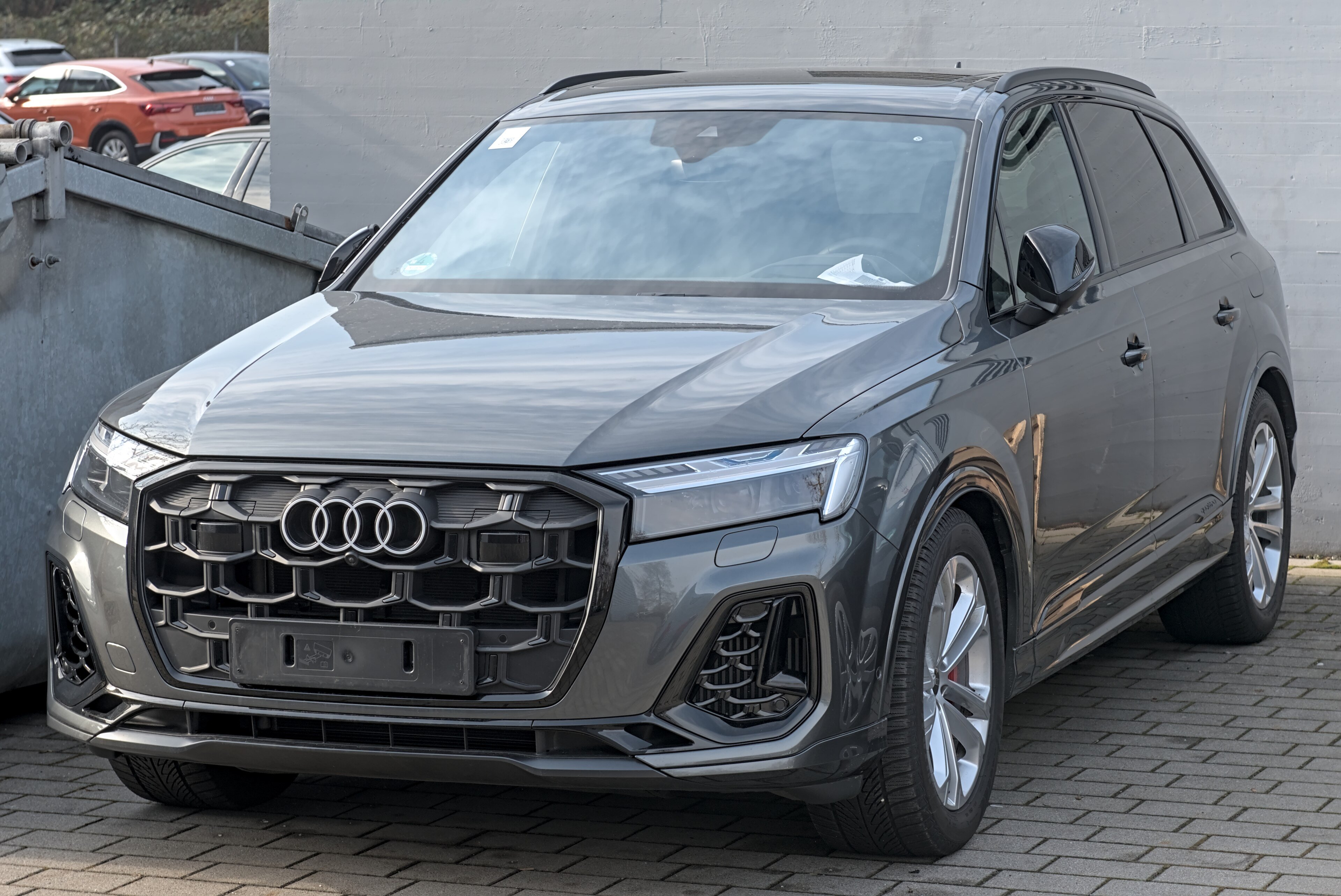
Photo: Alexander Migl / Wikimedia Commons, CC BY-SA 4.0
- Audi is spending $4.2 billion on a Georgia plant with 4,500 new jobs
- Volkswagen is cutting up to 47,000 jobs in Germany by 2030
- A 25% US tariff made building in America cheaper than shipping cars there
$4.2 billion.
That is what Audi is spending on its first full car factory in the United States, in Macon, Georgia. Volkswagen's supervisory board signed off on the plant on 24 October 2026, the same day President Donald Trump announced it at a midterm election rally in nearby Perry, Georgia.
The plant will build large SUVs, including the Q7 and Q9, and is expected to turn out 200,000 cars a year once it is running at full speed in the early 2030s. It will employ 4,500 people.
Back in Germany, Volkswagen is doing the opposite. It is cutting tens of thousands of jobs at home, and the cuts grew again in late October. Both moves come from the same spreadsheet.
Why is Audi suddenly building cars in Georgia?
Every Audi sold in America right now is shipped in from Europe or Mexico. Since April 2025, each one has crossed the US border carrying a 25% tariff on top of the normal 2.5% import tax, a rule President Trump signed to push carmakers to build inside the United States instead of importing.
For Audi, that tariff has not been small. The company says it lost 1.2 billion euros, about $1.4 billion, to the tariff last year alone, on top of falling sales. Volkswagen's chief executive, Oliver Blume, said the Georgia plant "would never have happened without tariffs."
 Read nextScammers already know your account details before they call, and that is what makes them so convincing
Put plainly, it became cheaper for Audi to build a car inside America than to build it in Europe and pay the US government to let it in. Every month the tariff stayed in place, that arithmetic got harder to ignore, until it outweighed the cost of building an entirely new factory from the ground up.
Which carmakers have already made the same bet?
Audi is the sixth major carmaker to announce a new or bigger US factory since the tariff began. Nobody has put the full list in one place with the dates, so here it is.
| Carmaker | Investment | US state(s) | Announced |
|---|---|---|---|
| Hyundai | $21 billion | Georgia, Louisiana | 24-25 March 2025 |
| GM | $4 billion | Michigan, Kansas, Tennessee | 10 June 2025 |
| Stellantis | $13 billion | Illinois, Michigan, Ohio, Indiana | 14 October 2025 |
| Toyota | up to $10 billion | Texas, North Carolina | 12 November 2025 |
| Mercedes-Benz | $4 billion | Alabama | 1 April 2026 |
| Audi (Volkswagen) | $4.2 billion | Georgia | 24 October 2026 |
That is more than $56 billion of new American car factories announced in 19 months, all tied to the same tariff. Audi's is the smallest of the six in dollar terms, but the first one from Volkswagen's premium brand, and it carries the biggest political weight because Trump announced it himself on stage, during a campaign swing through the same state that will host the plant.
Every one of these six carmakers already had working factories elsewhere in the world. None of them needed a new US plant to keep building cars. They needed one to stop paying the tariff on the cars they were already selling in America.
Why is Audi cutting German jobs at the very same time?
Audi had already cut 7,500 jobs in Germany in 2025, before the Georgia plant was even on the table. Since then, things have gotten worse for the wider Volkswagen group. A deal with unions at the end of 2024 locked in 35,000 job cuts at the core VW brand by 2030. In September 2026 the supervisory board approved roughly 50,000 cuts worldwide. On 25 October 2026, the day after the Audi announcement, Volkswagen confirmed another 12,000 jobs will go in Germany by 2030, on top of all of that.
Two forces are squeezing Volkswagen from both sides. The US tariff makes selling into America from Europe expensive. At the same time, Volkswagen and Audi have also been losing ground in China, where buyers have been turning away from German brands toward home-grown electric cars. Readers who want the full picture of why Chinese-made cars are winning over buyers who used to want German or Japanese badges can see it in why car buyers are switching back to Japanese brands and whether Chinese cars actually hold up.
 Trending nowPinetown dad fires back at gunmen at his gate, and what the law says
Audi is not the only Volkswagen Group brand trimming down. Porsche, its sister brand, is running its own cost-cutting plan with a smaller model lineup, detailed in Porsche's turnaround plan.
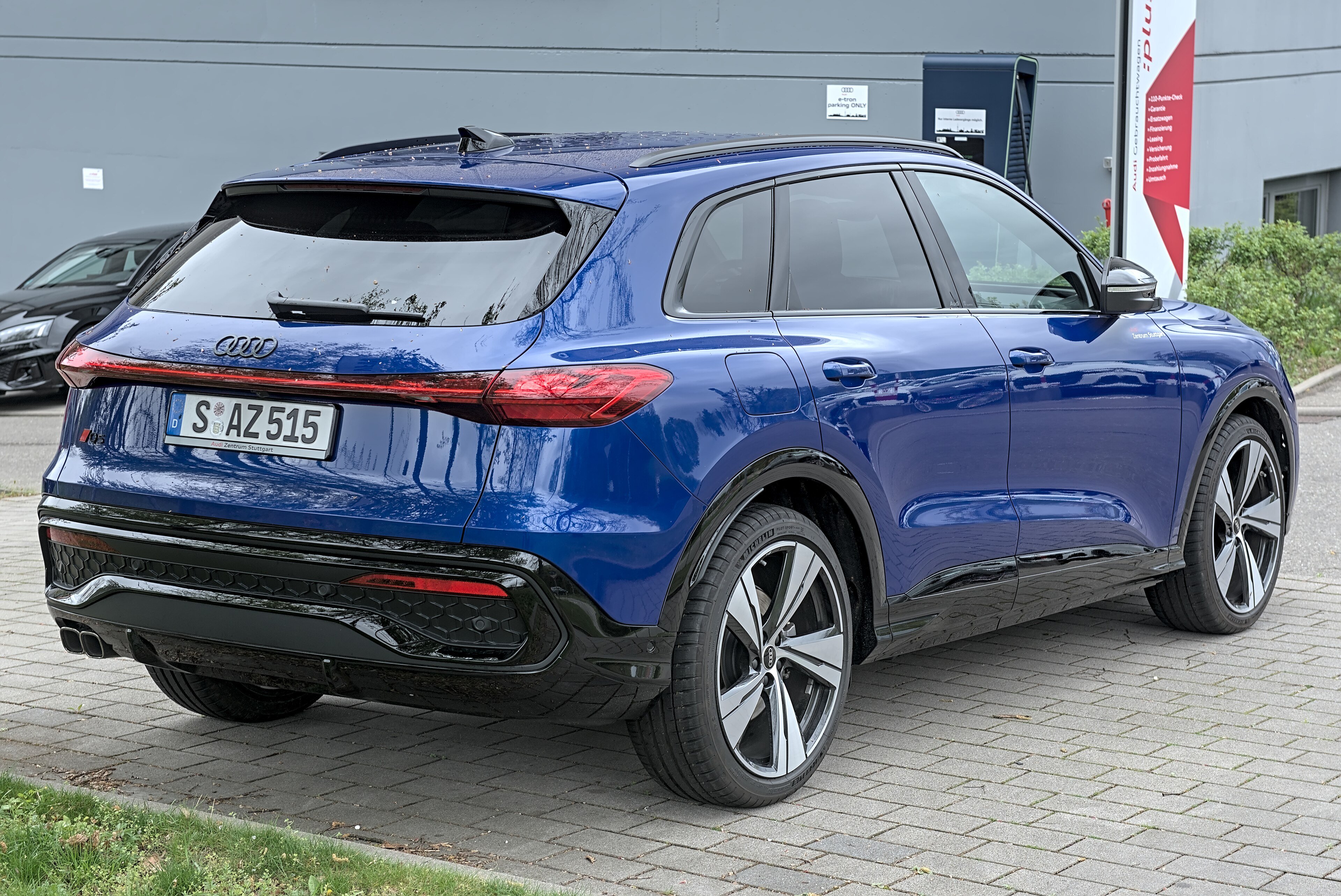
Photo: Alexander Migl / Wikimedia Commons, CC BY-SA 4.0
What are German workers saying about it?
Not happy. Christiane Benner, head of the IG Metall union, said reaching into the US market "is right and necessary", but that firm promises are needed for workers "at all sites, particularly here in Germany." The union and Volkswagen's works council have made clear the Georgia plant still needs their final sign-off, and they are tying that approval to guarantees for German jobs.
Olaf Lies, the state premier of Lower Saxony, where Volkswagen is headquartered and where the state government holds a stake in the company, put it more bluntly: "Growth in America must secure jobs and value creation here, and must not displace them."
Audi's chief executive, Gernot Doellner, defended the decision in simple terms: "If the American president invites you, you accept the invitation." He added that the deal followed "many months of careful planning and intense negotiations," pushing back on the idea that it was a quick political gift to Trump ahead of the midterms.
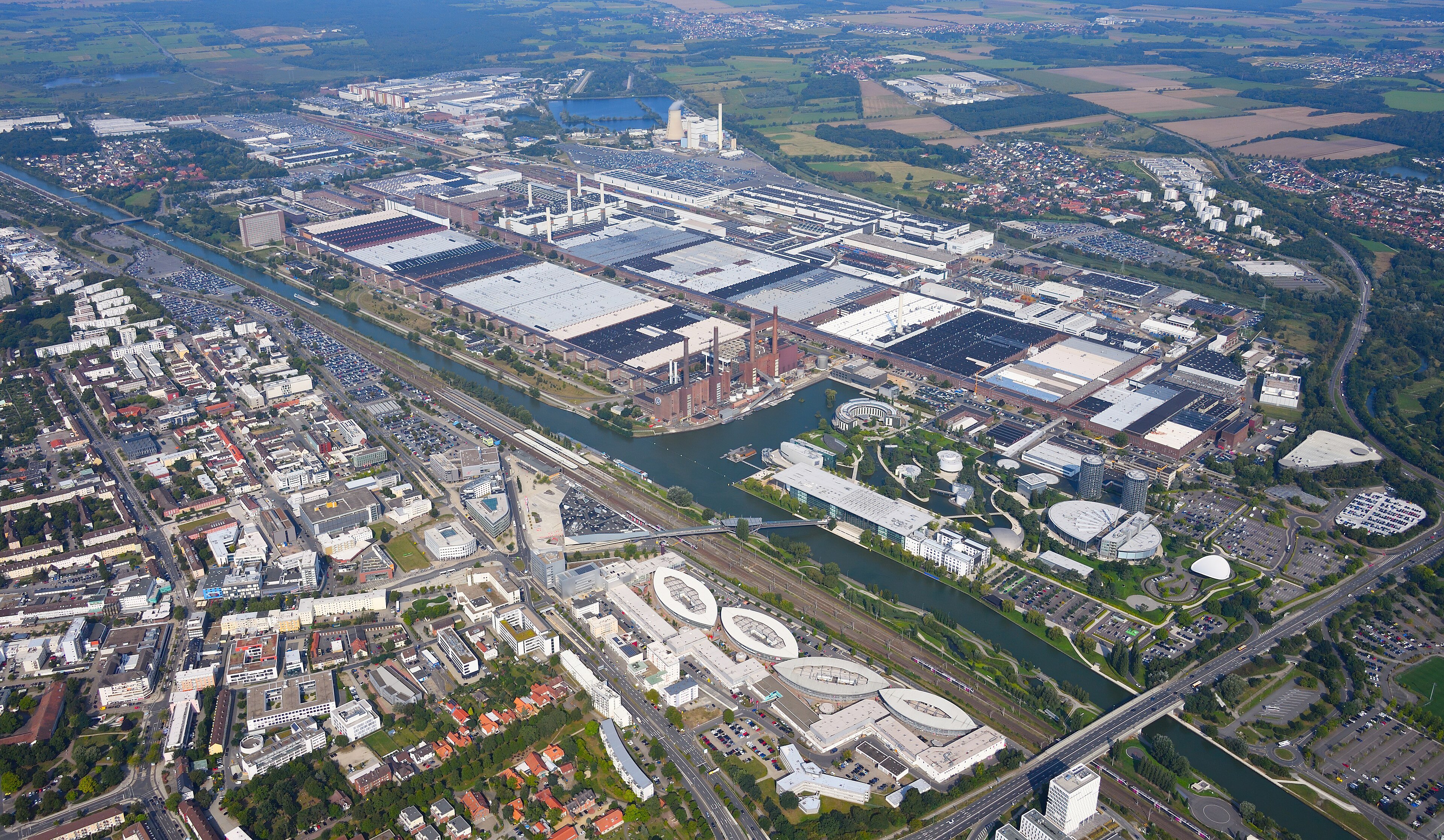
Photo: Carsten Steger / Wikimedia Commons, CC BY-SA 4.0
Will any of this make an Audi cheaper to buy?
Not soon. A 2026 Audi Q5 starts at about $52,800 in the US and a Q7 at about $62,000, both still priced with the tariff baked in. The Georgia plant will not finish construction until 2027 at the earliest, and the first cars are not expected to roll off the line until the early 2030s.
Until then, every Audi SUV sold in America still crosses the border and still carries the tariff. That is a big part of why Audi's US sales fell to 163,709 vehicles in 2025, a 16% drop, and why the company itself expects them to fall again in 2026.
So the Georgia plant is not a rescue for today's buyers. It is a bet that by the early 2030s, an Audi built in Georgia will cost less to sell than one built in Germany and taxed at the border. Nobody at Audi has promised a lower sticker price once that happens, only that the company will stop losing money on every car it ships across the Atlantic.
The workers losing their jobs in Wolfsburg and the ones about to be hired in Macon are, in the end, paying for the same tariff. One side of that trade got a factory. The other side is still waiting to hear what it gets back.
Get the stories that hit your pocket
Petrol, SARS, Eskom, grants and the news everyone is talking about. One short email every weekday at 6am.
Free. One email each weekday. Unsubscribe anytime.Sources9
- Fox Business, Audi announces $4.2 billion new plant investment in Macon, Georgia (24 Oct 2026)
- CNBC, Trump announces Audi will build $4 billion US factory in Georgia (24 Oct 2026)
- Cyprus Mail, Audi defends decision to stand by Trump on $4 billion US factory (25 Oct 2026)
- White House fact sheet, 25% tariff on imported cars and parts (26 Mar 2025)
- Free Malaysia Today, Volkswagen to axe 12,000 more jobs in Germany by 2030 (25 Oct 2026)
- World Socialist Web Site, Audi cuts 7,500 jobs in Germany (24 Mar 2025)
- CNBC, Hyundai announces $21 billion US investment (24 Mar 2025)
- CNN, GM to invest $4 billion in US plants (10 Jun 2025)
- Bloomberg, Toyota pledges up to $10 billion in US investment (12 Nov 2025)
Keep reading
 MoneyEskom wants another 8.83% hike for 2027/28. The public got one day to object, while hikes keep beating inflation.
 MoneyWhy a plain T-shirt is so hard to buy in South Africa, and where your money goes
 MoneyEskom plans an 8.83% tariff hike on 1 April 2027, and an MP says families must choose between food, school fees and power